
Ghana's crops and animal protein, read as businesses.
Eleven commodities. One clear method. For students, entrepreneurs and investors deciding where to put their time and capital, this is the practical intelligence Ghana's agribusiness sector has been missing: what the opportunity looks like, what it costs to start, and where the real money sits along the chain.
Not sure where to begin? Answer two questions.
Tell us roughly what you can invest and what you are drawn to. We will point you to the commodities that fit, then you can dig into each playbook.
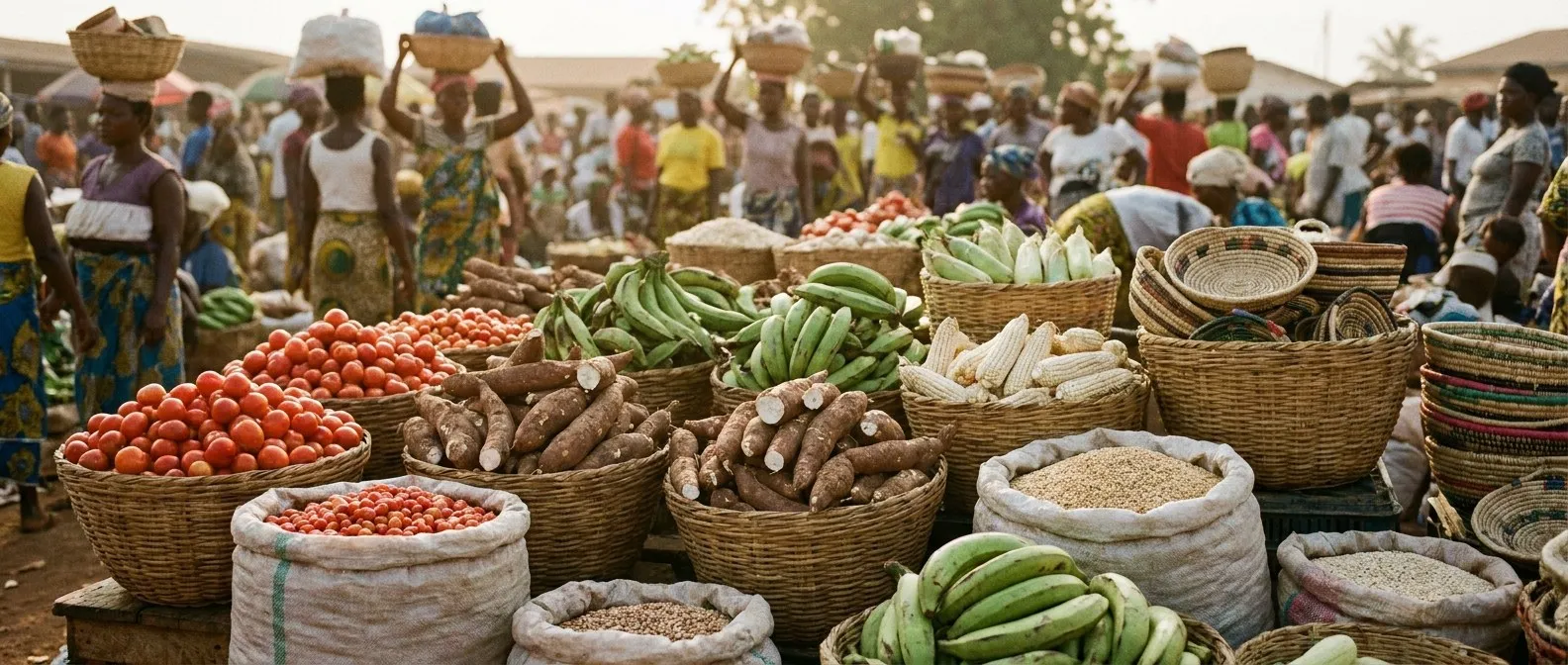
From cocoa to catfish, every value chain has an opening.
Browse all eleven commodities, or filter by what you can invest and where your interest lies.
The eleven commodities
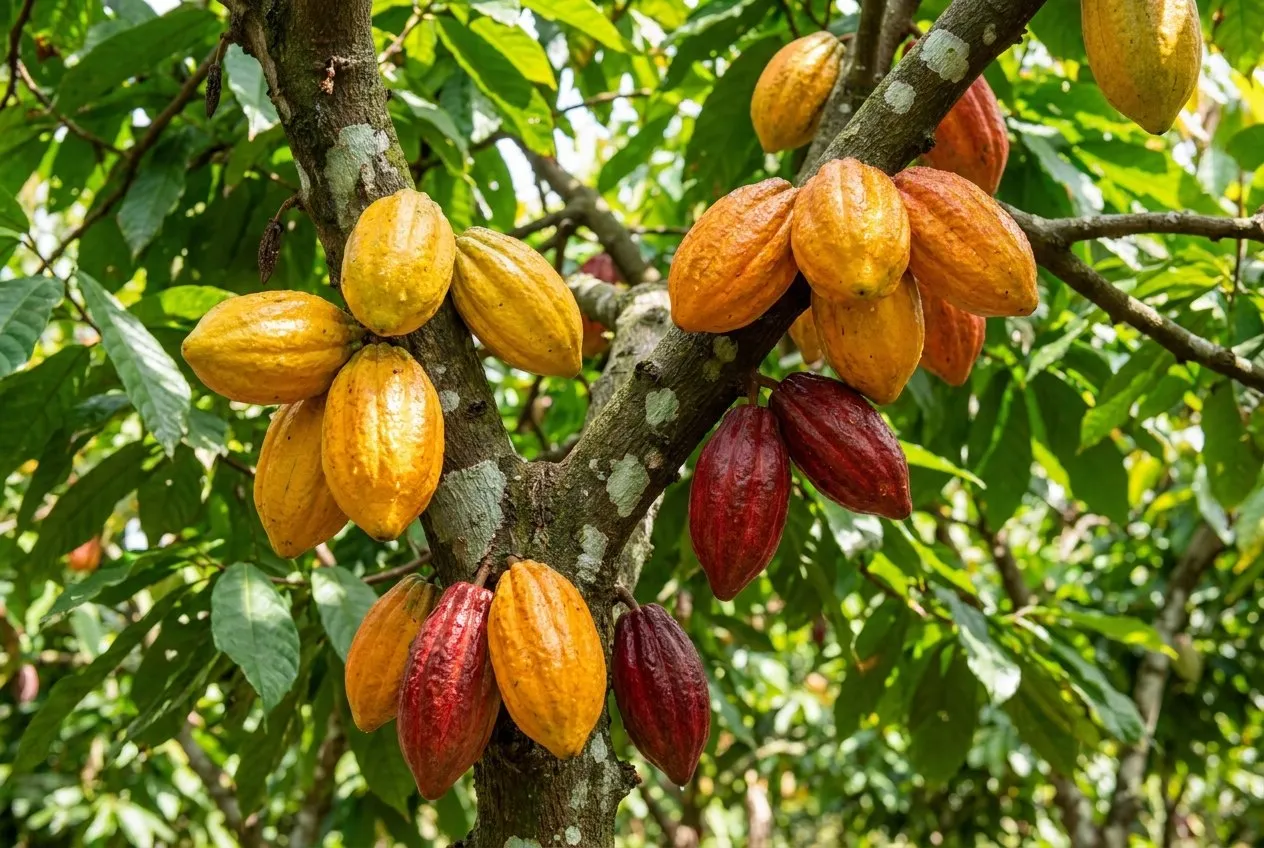
The indexSix crops and five animal protein commodities. Filter by sector and starting capital, or sort to compare them on what matters: capital, time to first revenue and market size.
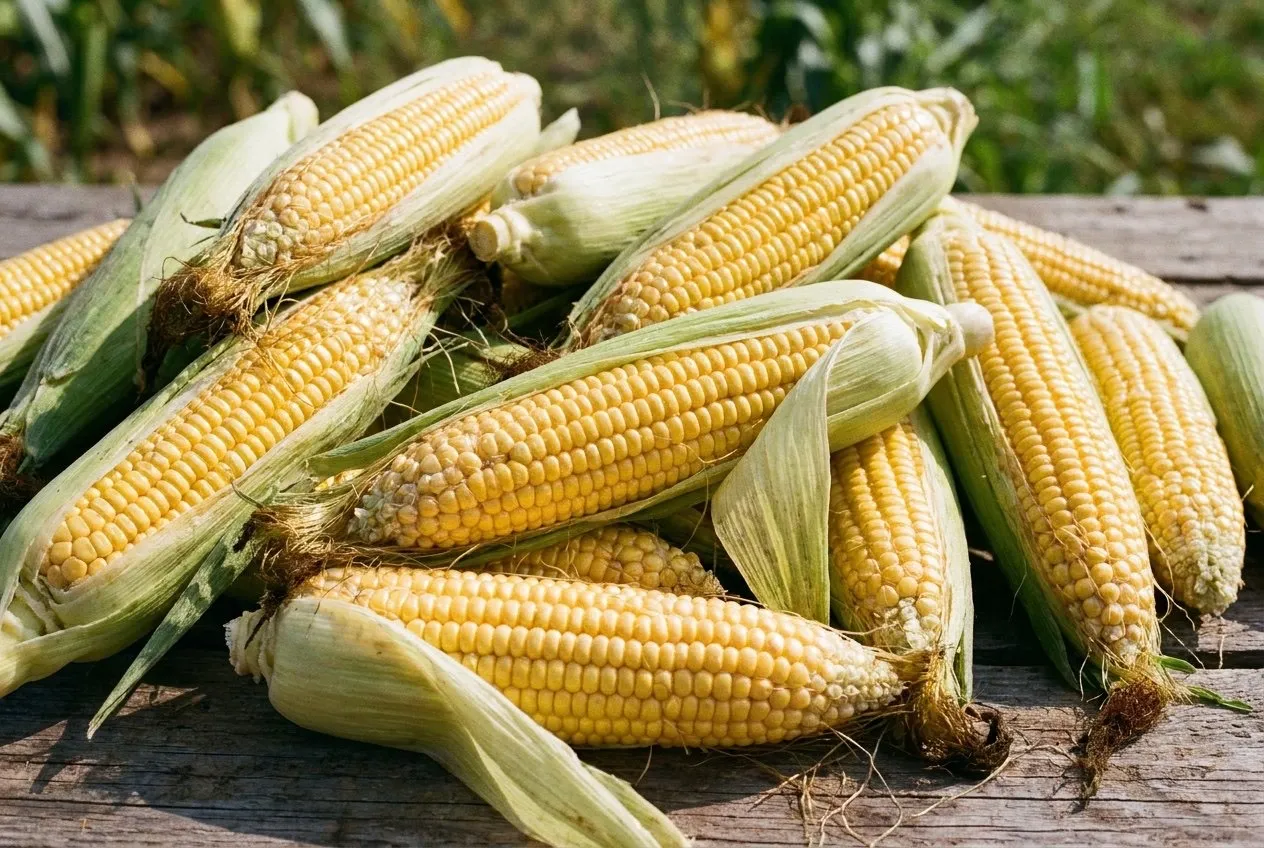
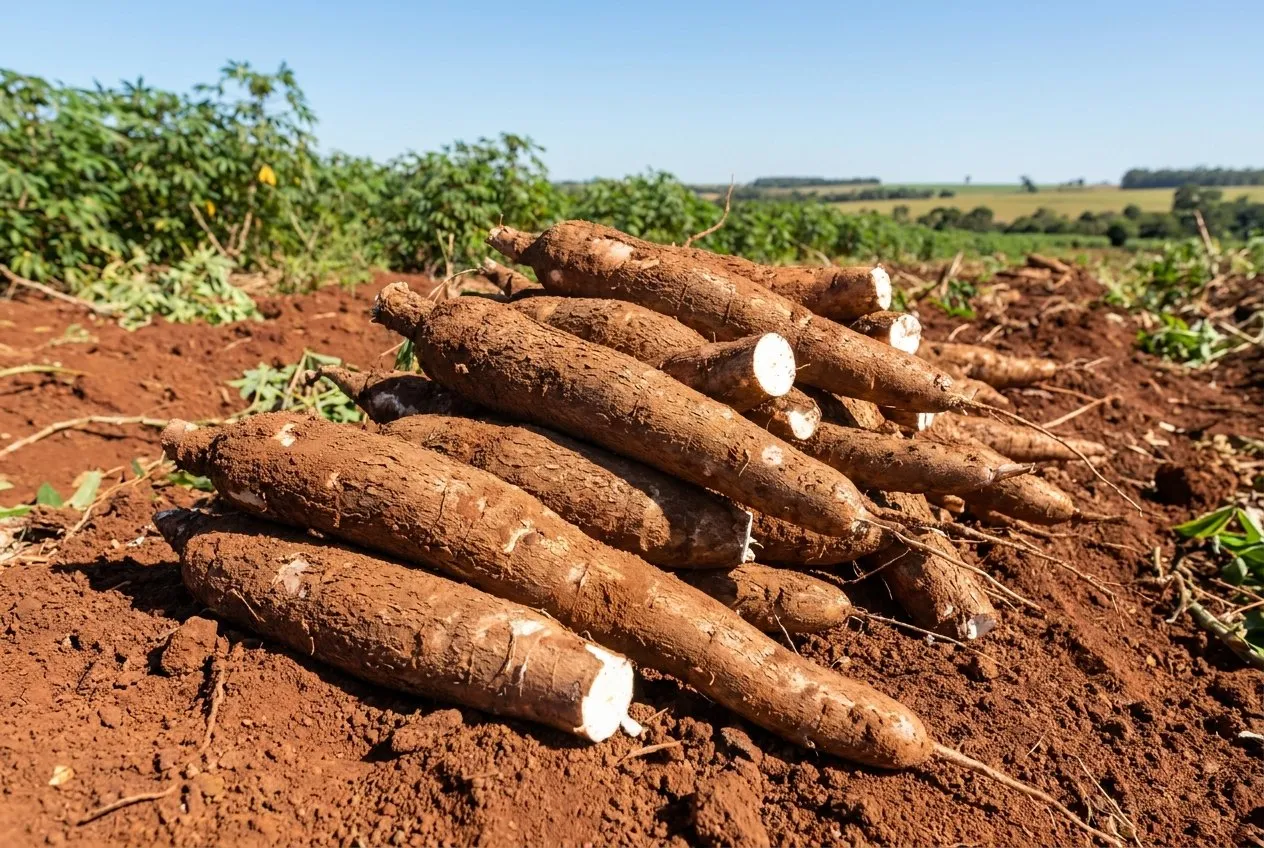
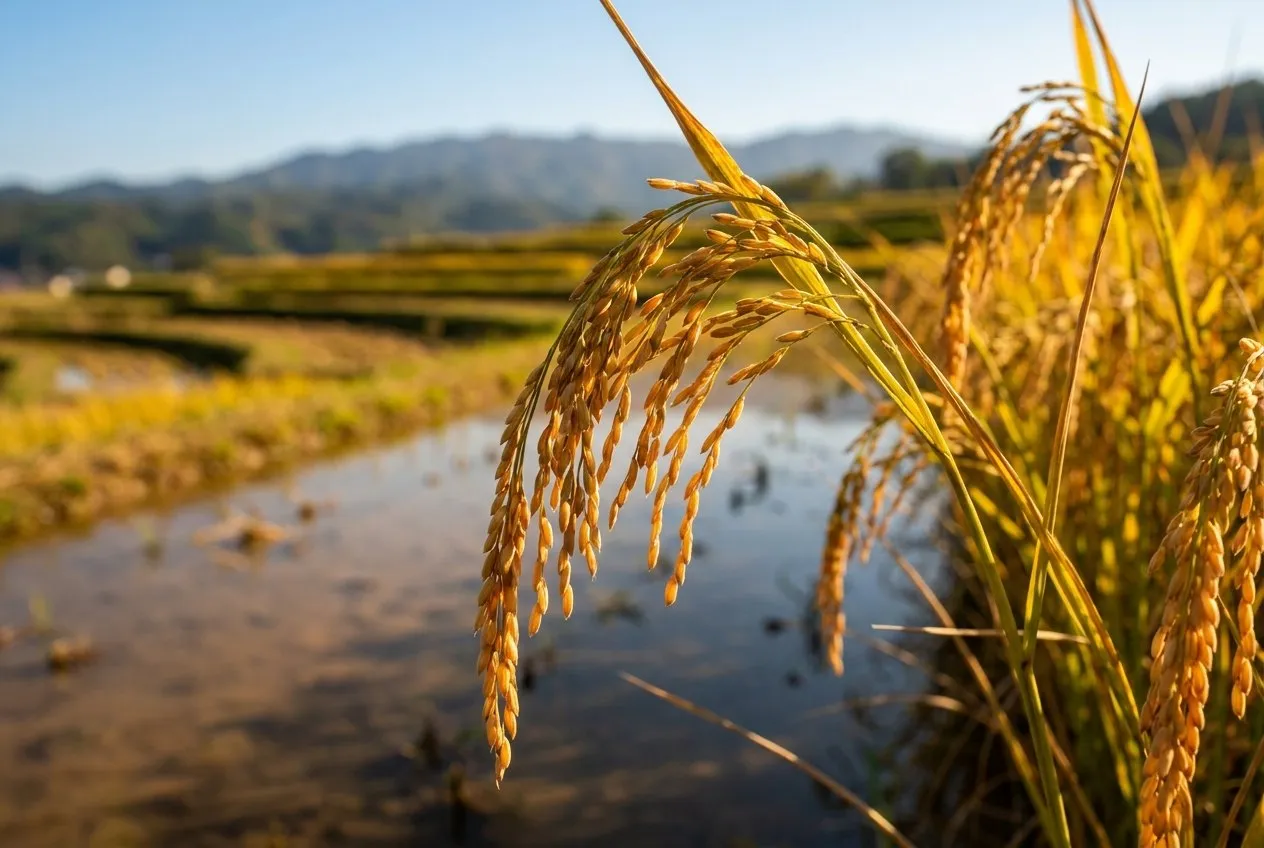
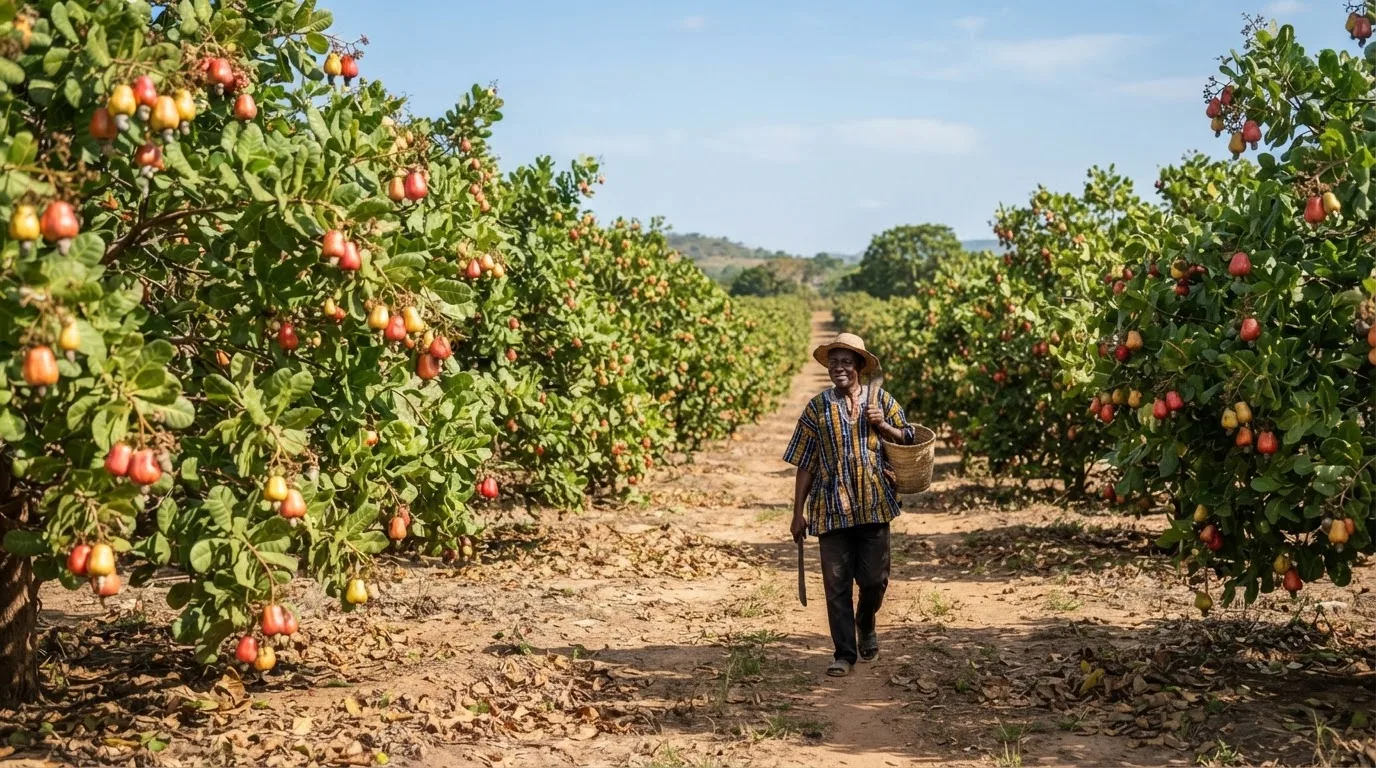
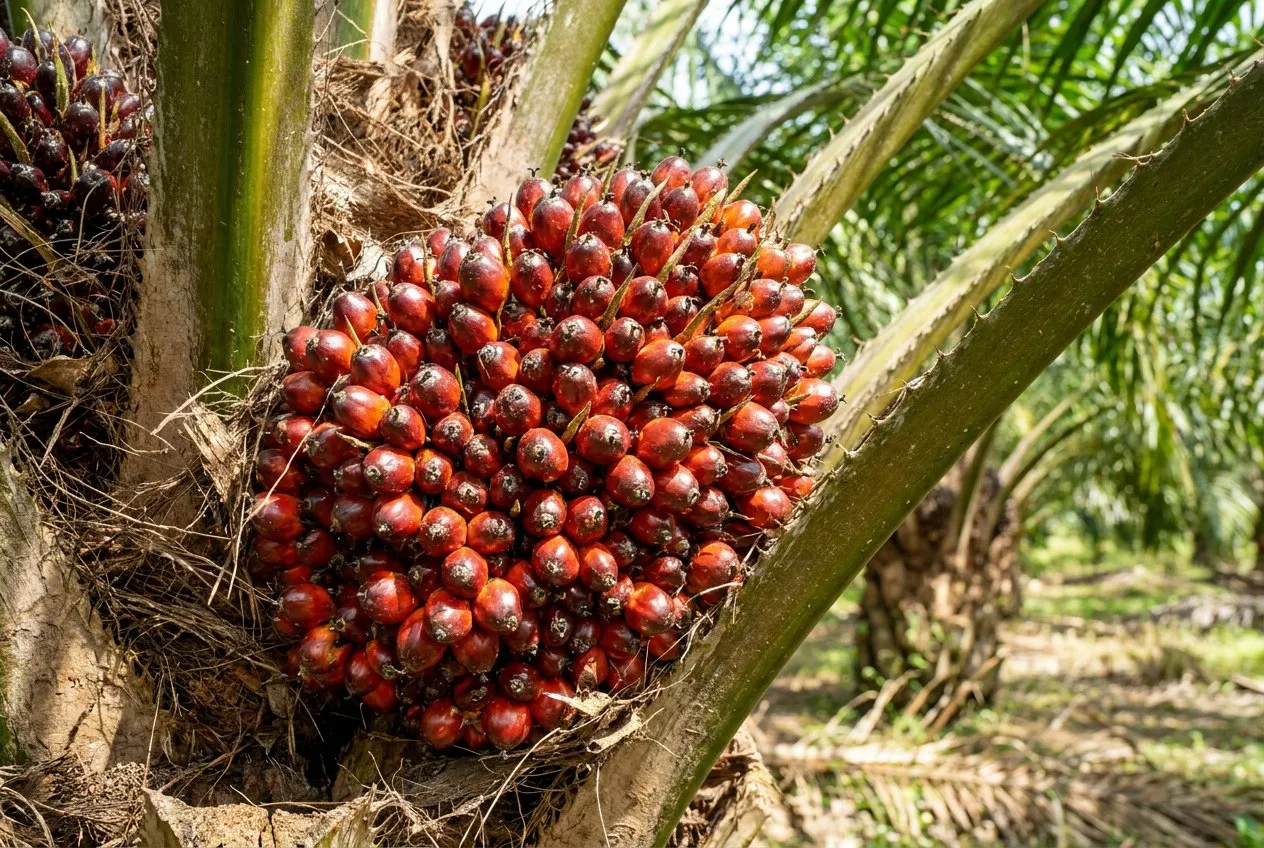
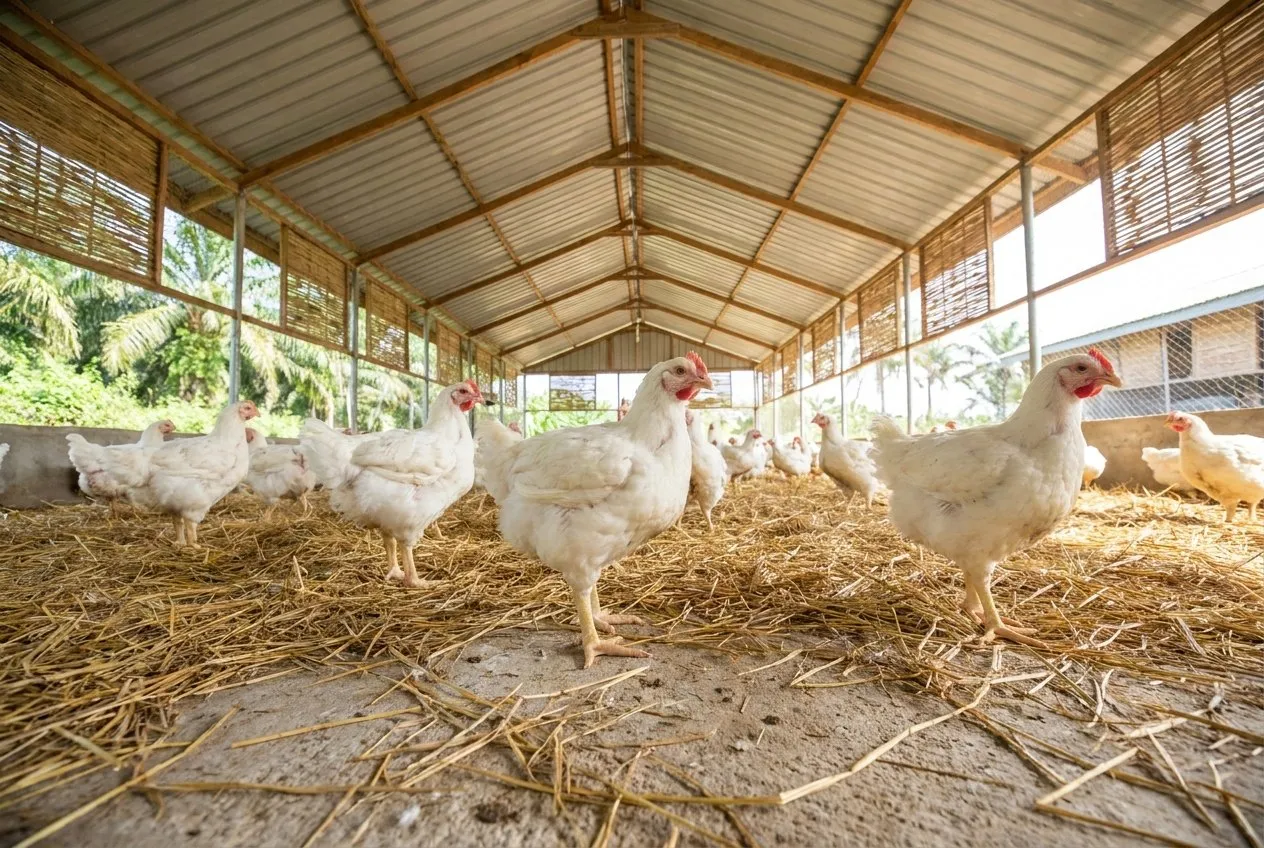
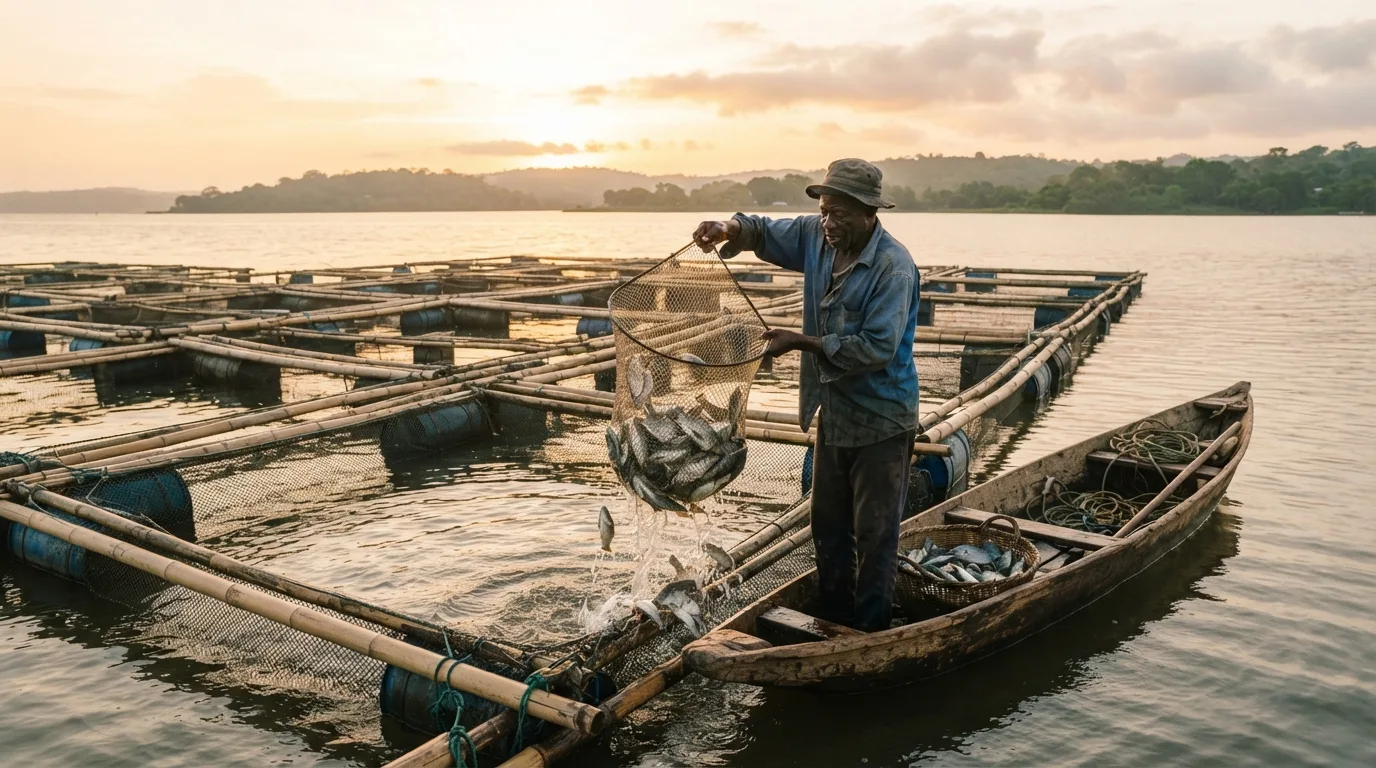
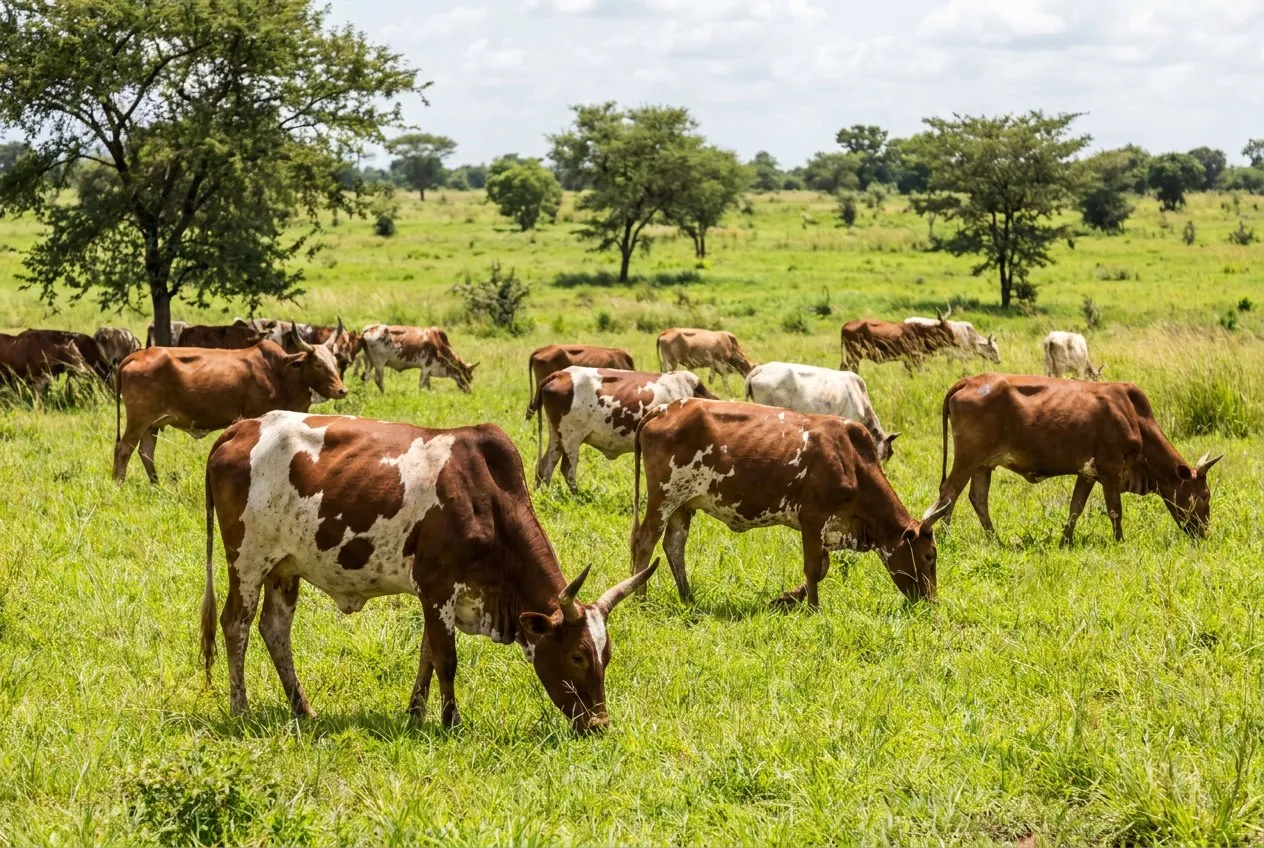
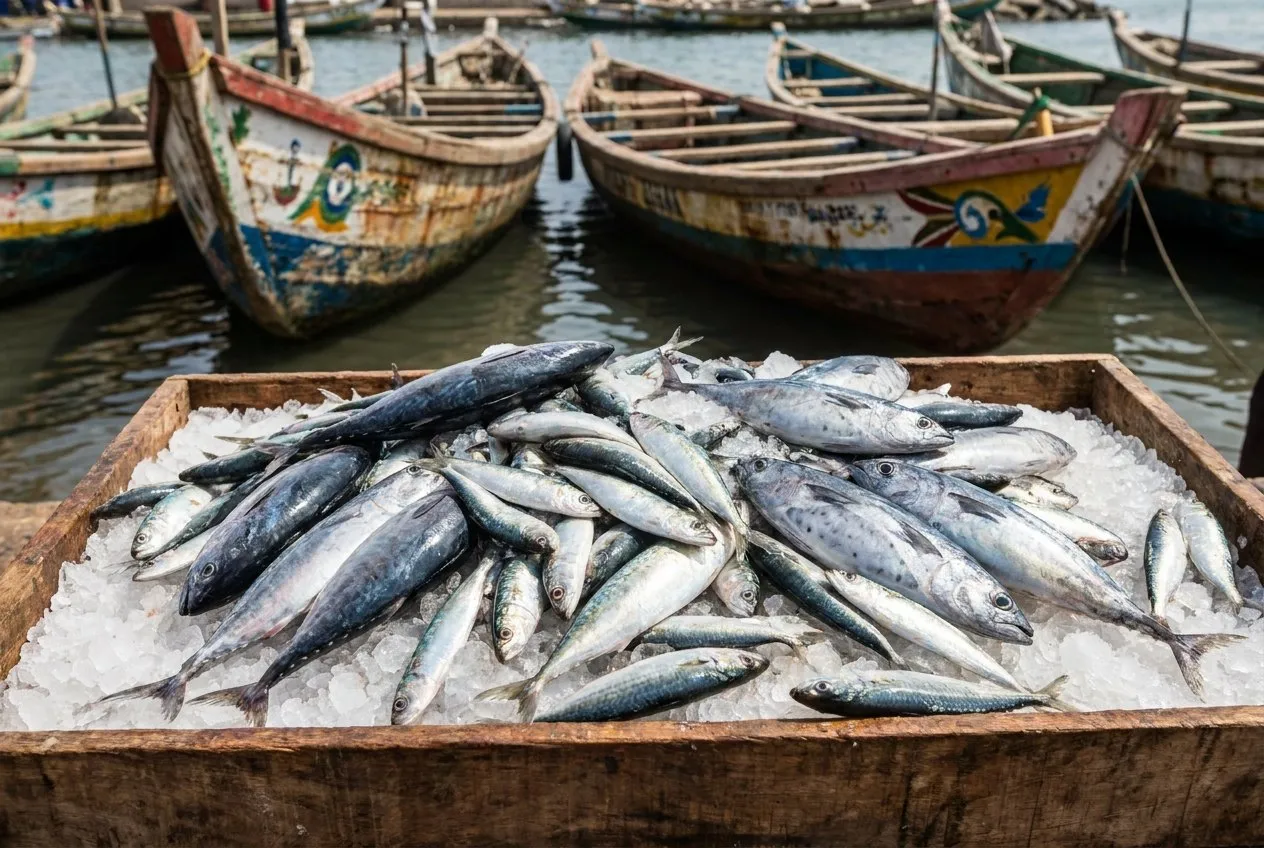
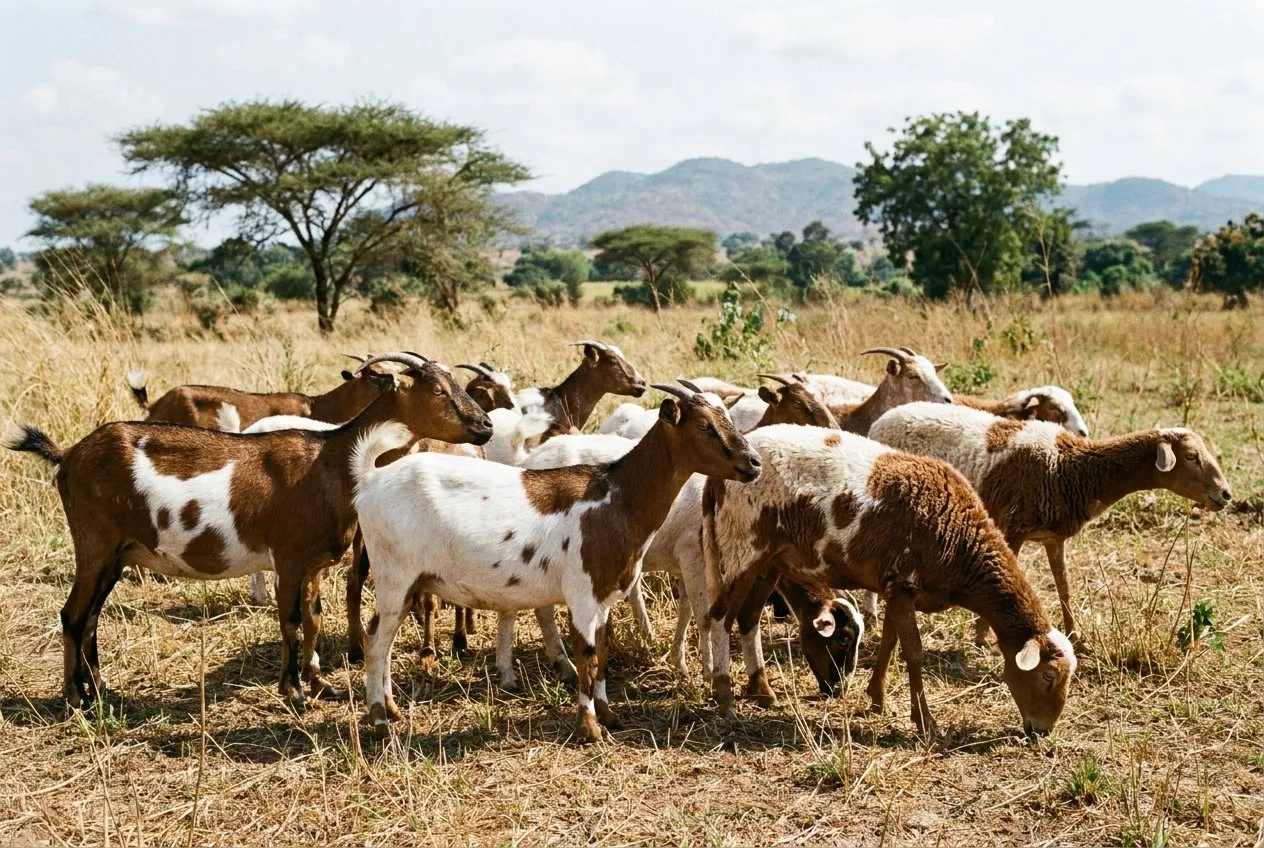
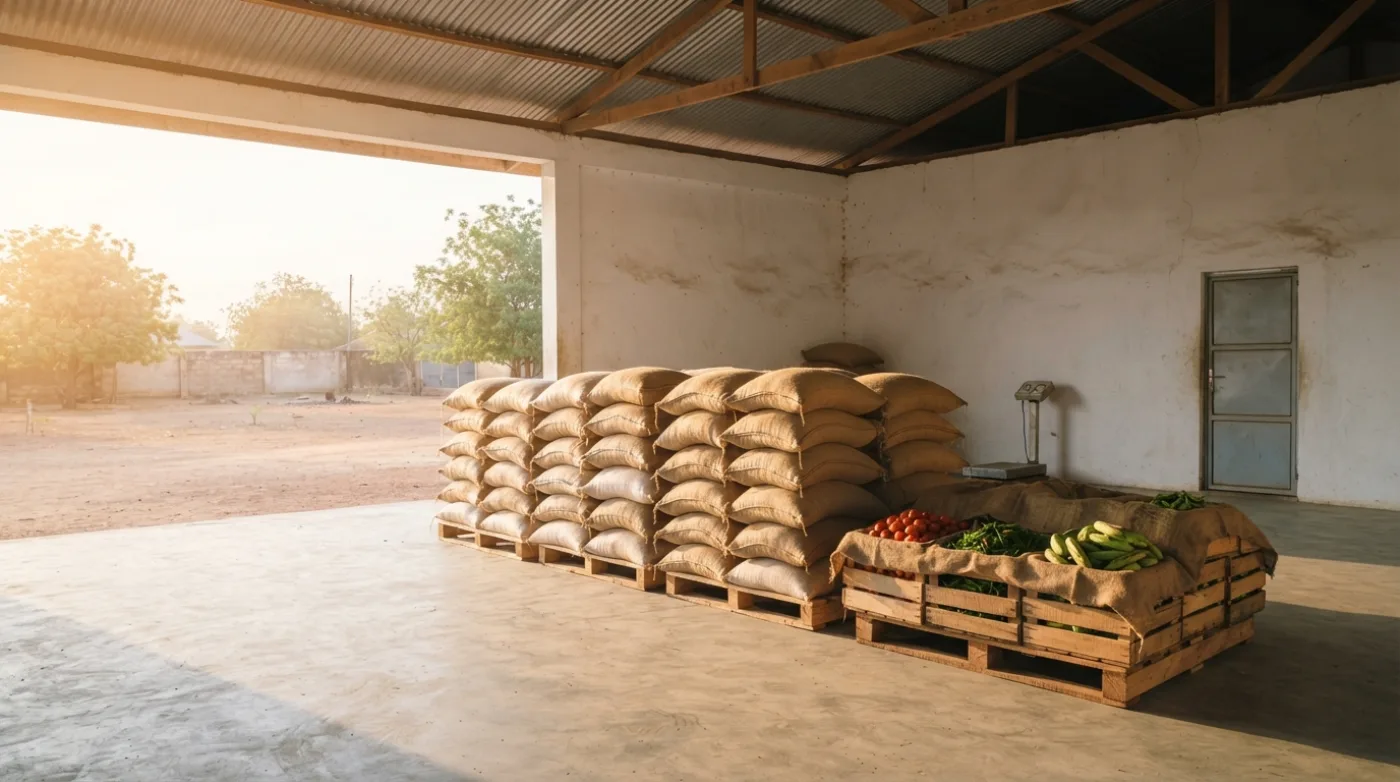
Every playbook follows the whole chain.
Eight stagesAgribusiness runs across eight stages. Most of Ghana's lost value sits in just two of them.
Input Supply
Seeds, feeds, breeding stock, vaccines and equipment. Quality here sets productivity for every stage that follows.
The opportunity is rarely to simply produce more. It is to understand the full chain, find where value leaks, and invest in the stages that turn raw production into real returns.
Take a playbook with you.
DownloadsEvery entry ships as a full playbook, a value chain analysis, an investor snapshot and a set of risk cards. Figures are as reported between June and September 2026 and may have changed since.
Full Playbook
All eight content pillars, data tables, diagrams and market summaries.
PDFDownload Cocoa playbook↓Value Chain Analysis
A mapped breakdown of the value chain, from farmgate to export, and who captures what along the way.
PDFDownload Cocoa value chain analysis↓Market Opportunity Snapshot
A market opportunity brief covering demand, pricing and entry points.
PDFDownload Cocoa snapshot↓Disease & Risk Cards
Quick-reference disease and risk profiles for the whole entry.
PDFDownload Cocoa disease & risk cards↓Read across the whole series.
Series guidesFour companion guides that sit above the eleven playbooks. Start with the overview, then use the other three to find your place in the chain and take your first step. Figures are as reported between June and September 2026 and may have changed since.
Series Overview
The capstone of the series. All eleven commodities read side by side on market size, value leakage, returns, risk and ease of entry.
PDFDownload series overview↓The Entry Playbook
How to actually start an agribusiness in Ghana: registration, licences, land, money and your first 180 days.
PDFDownload entry playbook↓The Career Compass
A student's guide to where you fit across the eight stages of the chain, with the jobs, ventures, skills and starting budgets at each.
PDFDownload career compass↓The Opportunity Atlas
Every business opening across the eleven commodities, regrouped by chain stage so you can see where the money actually sits.
PDFDownload opportunity atlas↓