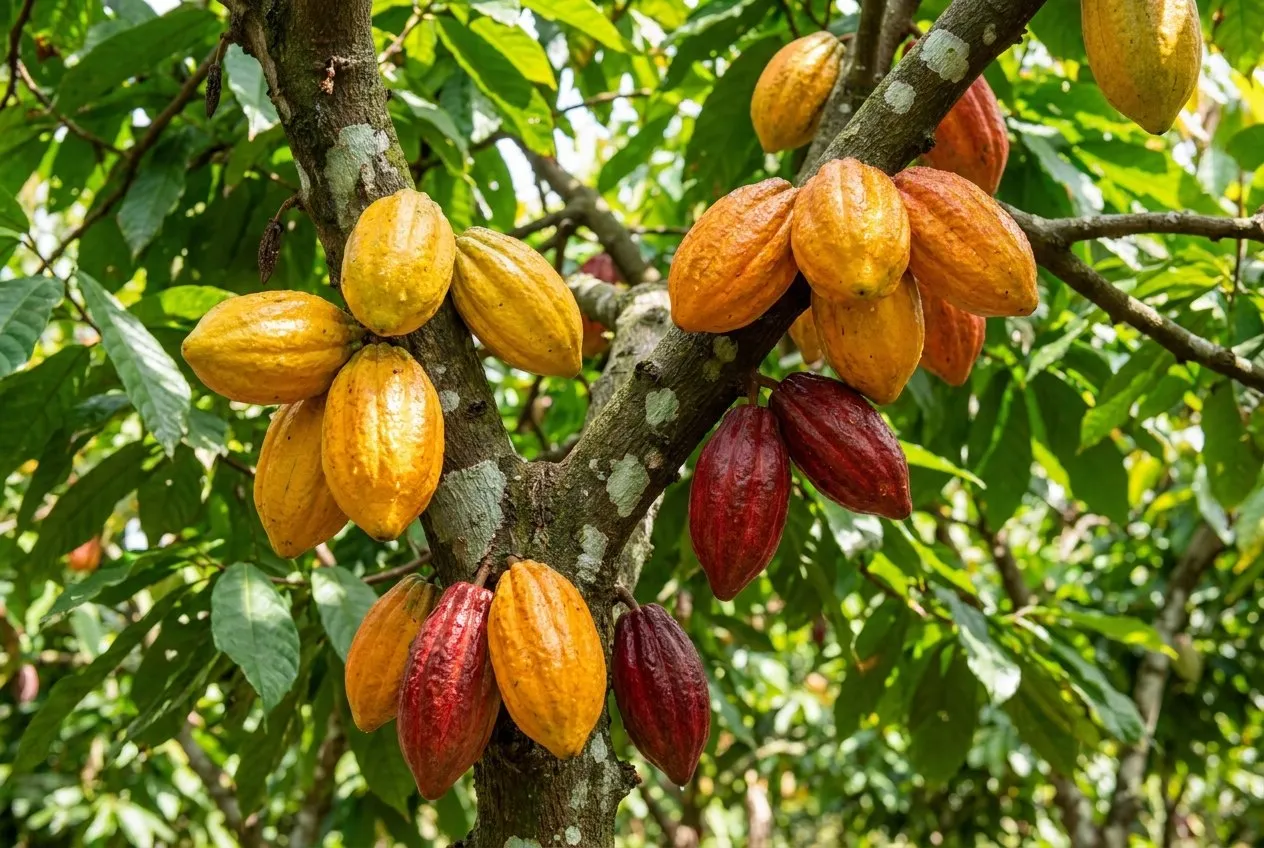
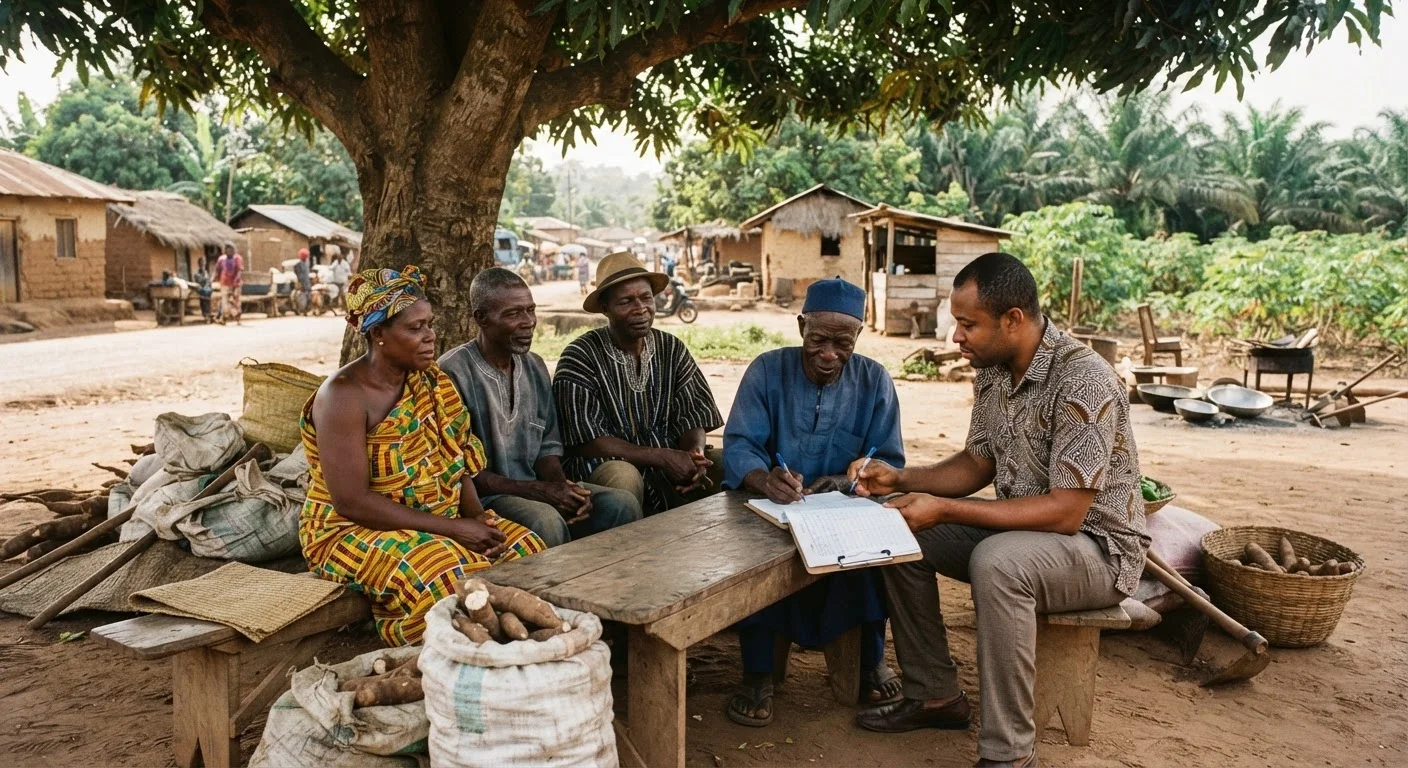
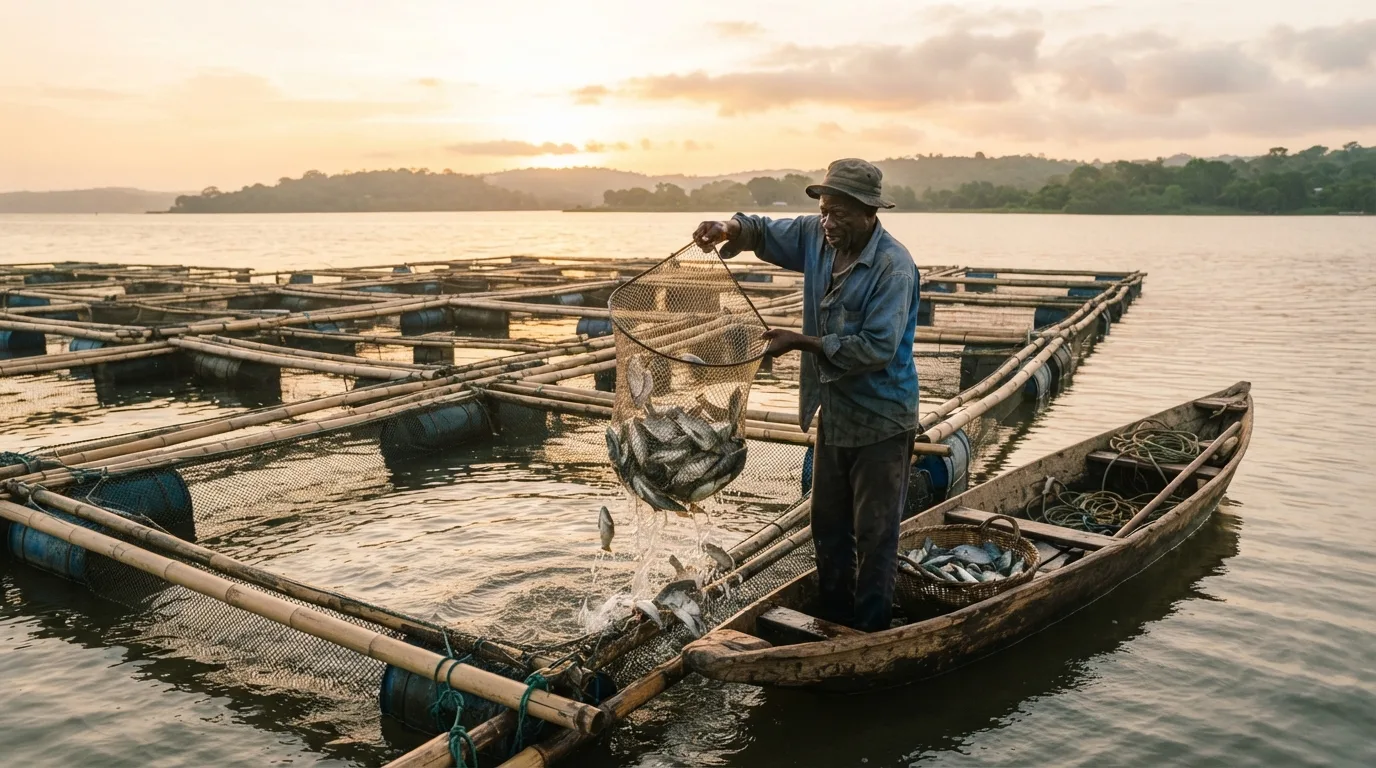
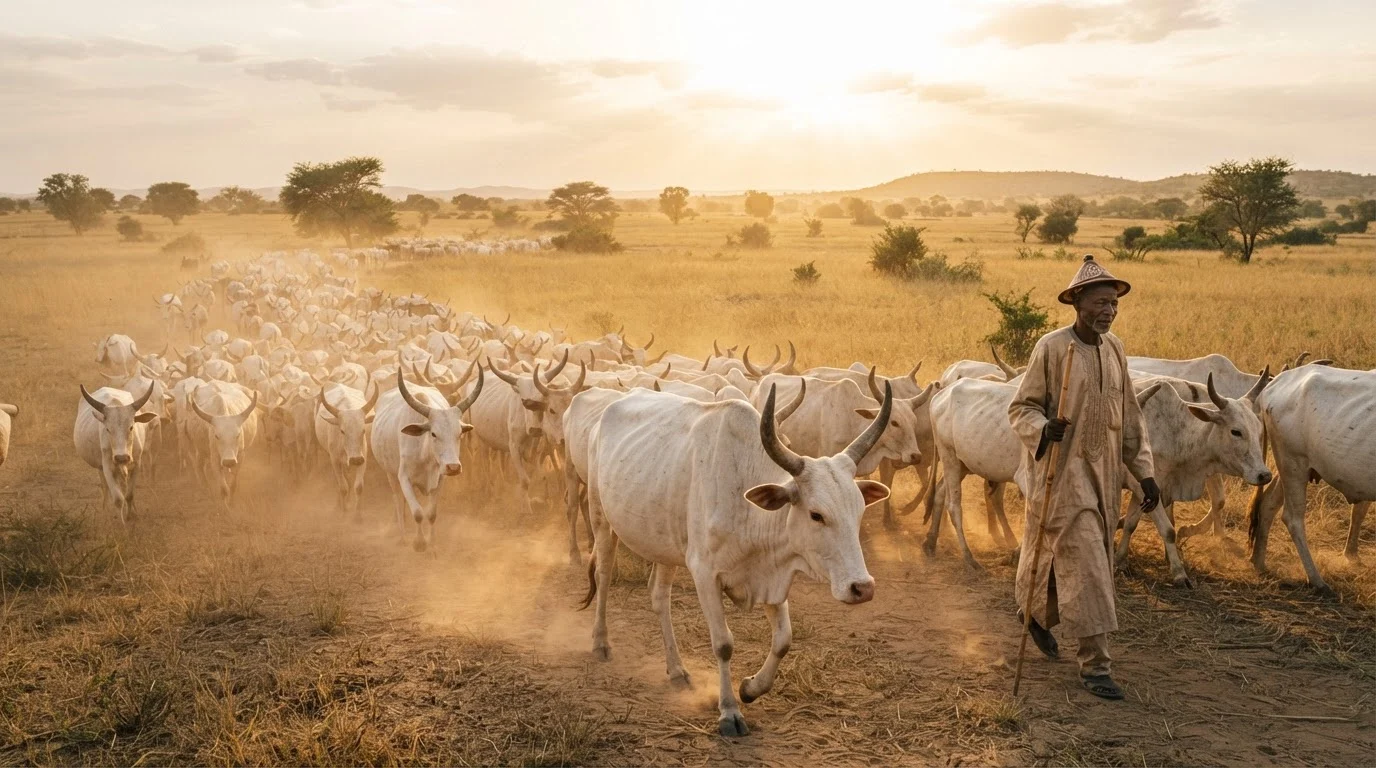
Ghana grows the crop. This is the business around it.
The Ghana Agribusiness Playbook Series is a flagship knowledge resource from the Ashesi University Center for Entrepreneurship. It reads eleven of Ghana's most important crops and animal protein commodities not as farming, but as businesses, mapping where value is made, where it leaks, and where a student, entrepreneur or investor can step in.
The Ashesi Center for Entrepreneurship.
The Center is an aggregation of Ashesi University's curricular and extracurricular entrepreneurship programs, built to strengthen entrepreneurial behaviour and mindsets across the entire Ashesi community. It sponsors the Playbook Series as part of that mission: producing work-ready, entrepreneurially minded graduates and positioning Ghana's agricultural sectors as investable, structured markets.
Undergraduate entrepreneurship
Curricular teaching and student clubs that build entrepreneurial behaviour across every course of study.
Ashesi Venture Incubator
An alumni programme that helps graduates turn ventures into operating, fundable businesses.
Ashesi Design Lab
A hands-on space for human-centred design, prototyping and problem-solving.
Community entrepreneurship
Programmes that carry the entrepreneurial mindset beyond campus into the wider community.
Why the playbook exists.
The gapGhana's agricultural sector is one of the most important in sub-Saharan Africa, yet the information needed to build a business in it sits scattered across regulatory documents, dense academic texts and international reports that are neither practical nor specific enough to use. Students lack Ghana-specific case material. Entrepreneurs cannot easily judge which commodity is a viable entry point. Investors struggle to find credible, commodity-level intelligence.
So the country stays rich in production and poor in accessible, actionable knowledge. Raw cocoa leaves as beans, cashew ships out for others to process, and poultry is imported to fill a gap local entrepreneurs could serve. The playbook closes that gap with one integrated, plain-language resource spanning both crops and animal protein, so the opportunity is legible to the people who could act on it.
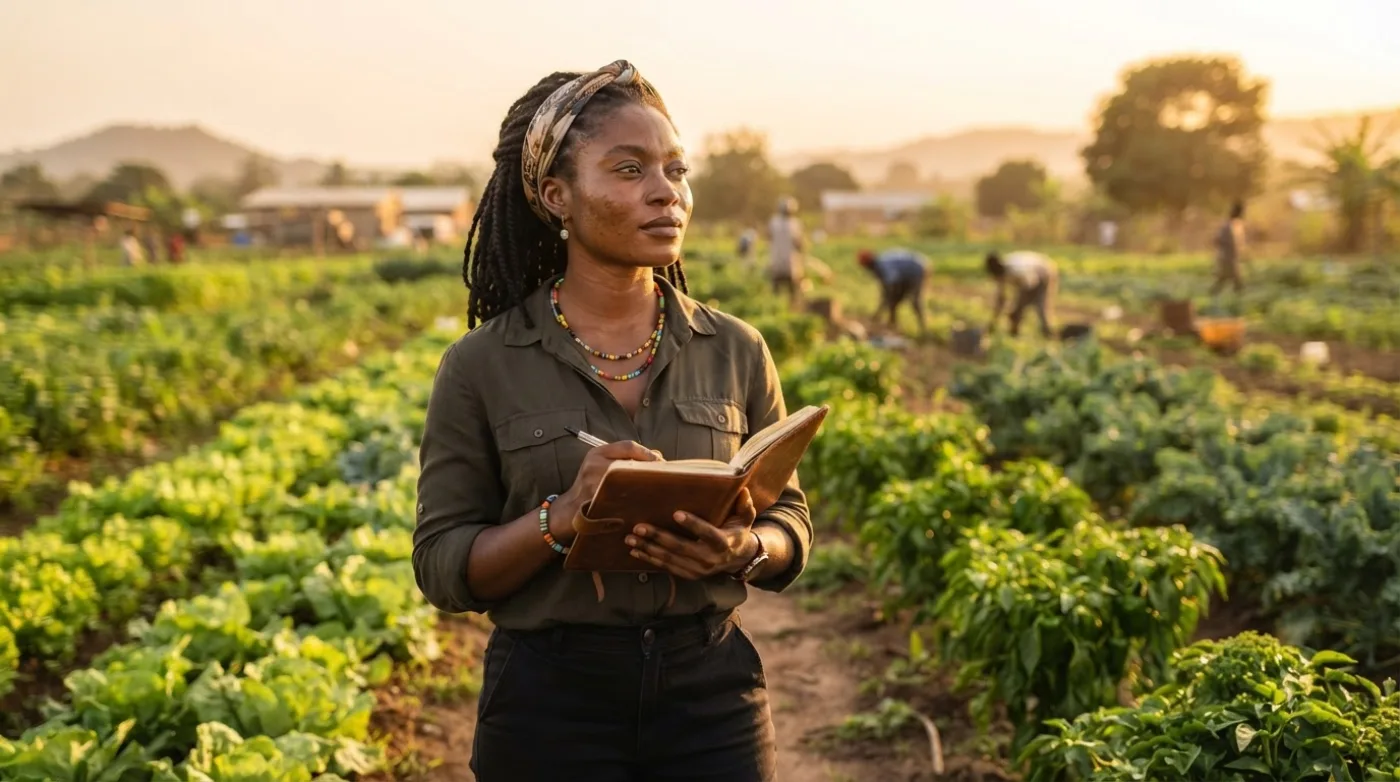
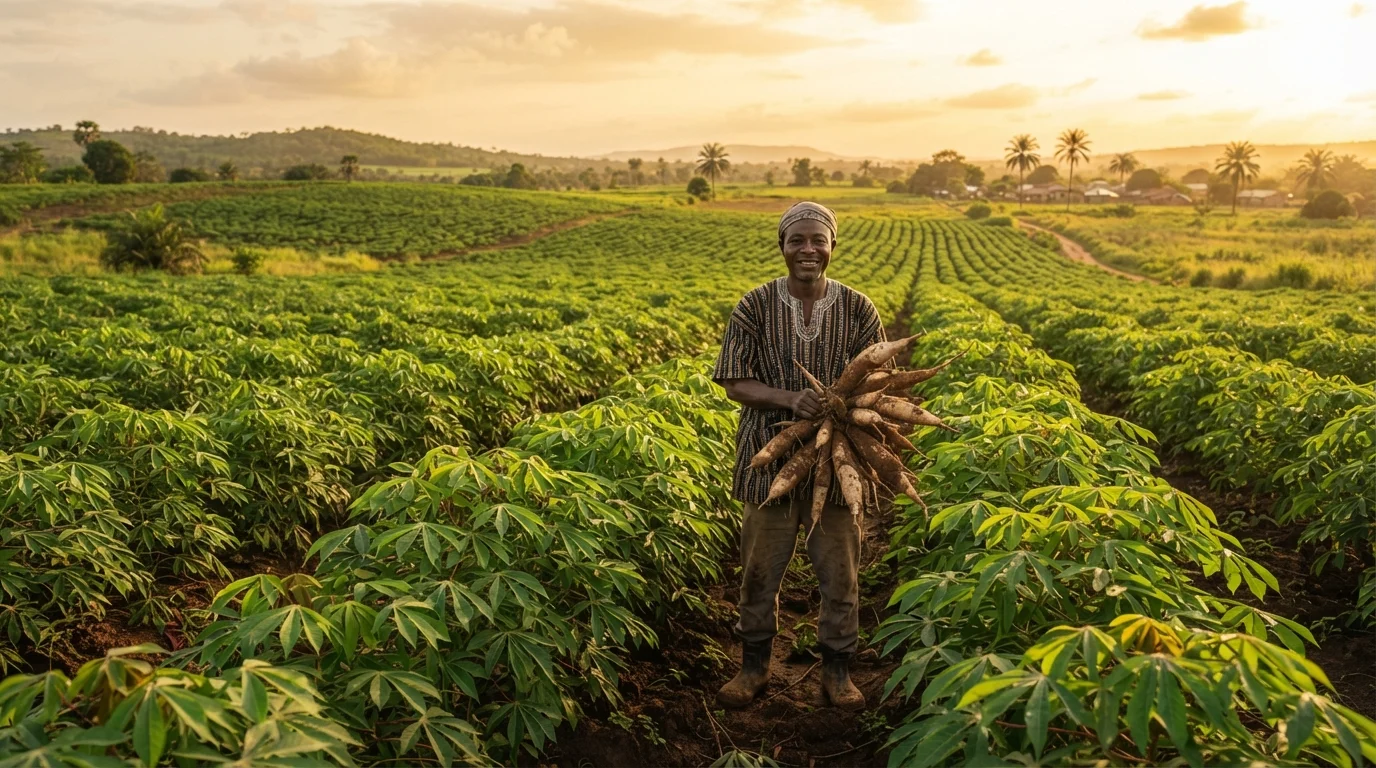
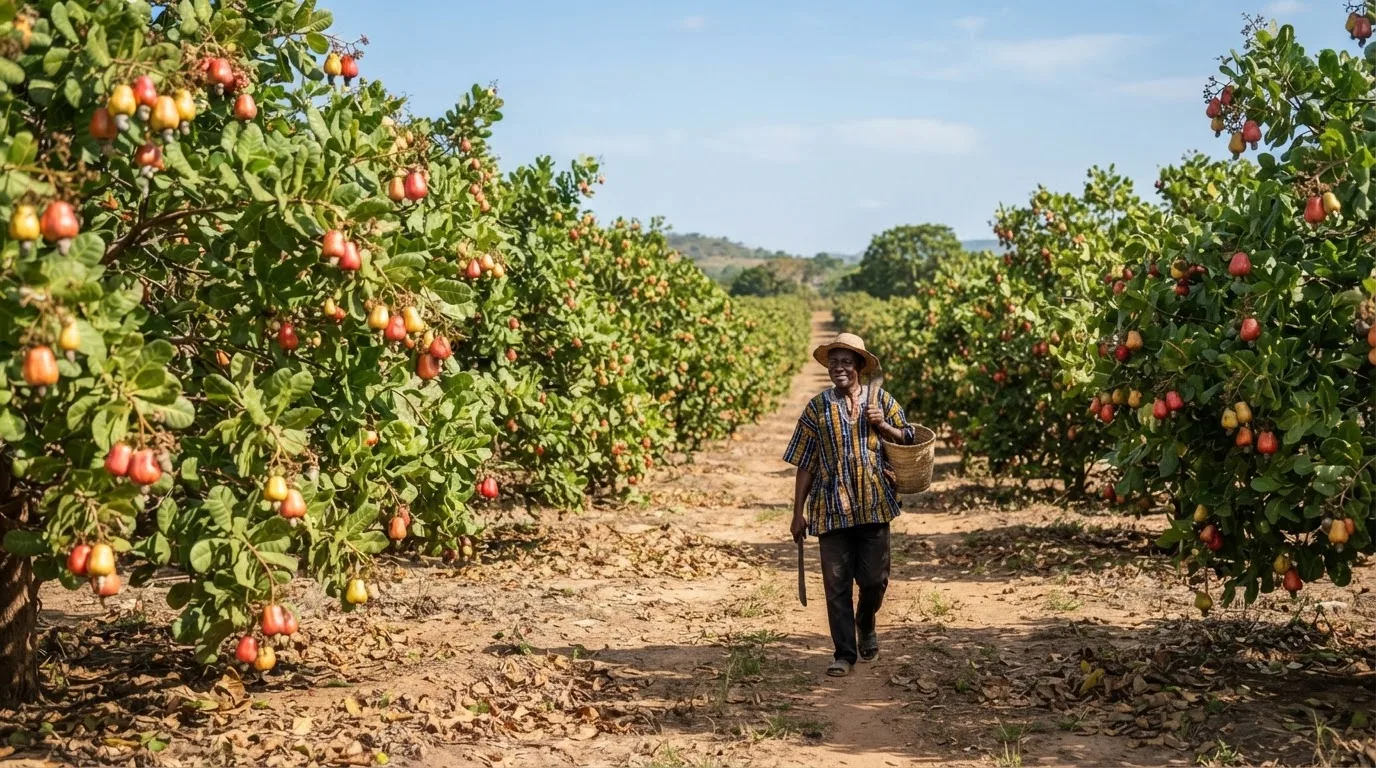
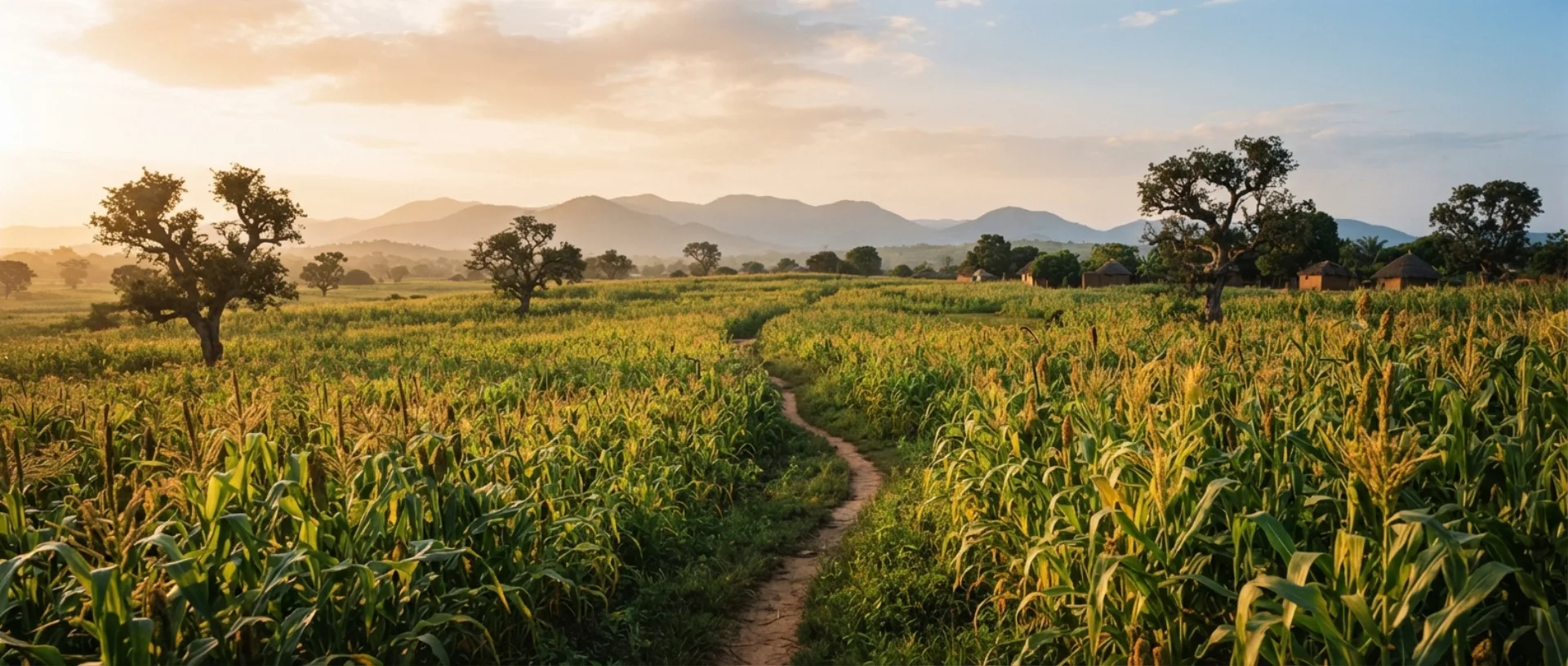
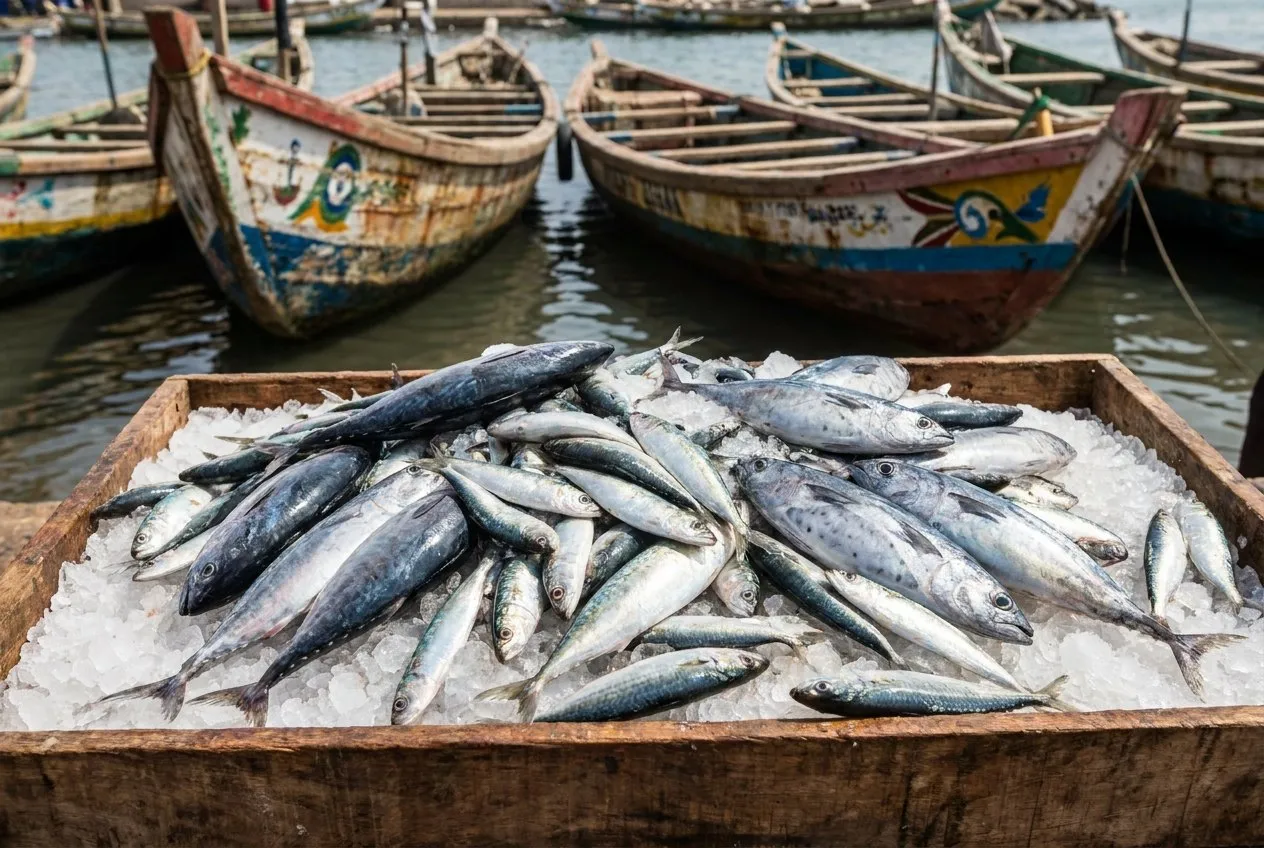
The business opportunity is not simply about producing more. It is about understanding the full chain, seeing where value accumulates and where it leaks, and investing in the stages that turn raw production into economic return.
What is inside each entry.
Eight pillarsEach commodity is treated as a standalone business, researched and written across the same eight pillars so any two can be compared like for like.
The eleven commodities.
Six crops · Five animal proteinCrops
Animal protein
Methodology.
Two stagesPrimary data collection
Current farm-gate and market prices, input and feed costs, yields and post-harvest practice, sourced directly from operators along each chain.
Secondary research and validation
Every cost and yield figure is cross-checked against at least two independent sources: MoFA, the Fisheries Commission, GSS, FAO, COCOBOD and USDA FAS among them.
A project of the Ashesi University Center for Entrepreneurship, led by Assoc. Prof. Disraeli Asante-Darko and Beauty Didia.
Start with a commodity, or reach out.
Every entry stands on its own. Open one that interests you, or get in touch about partnership, investment, advisory or the series itself.