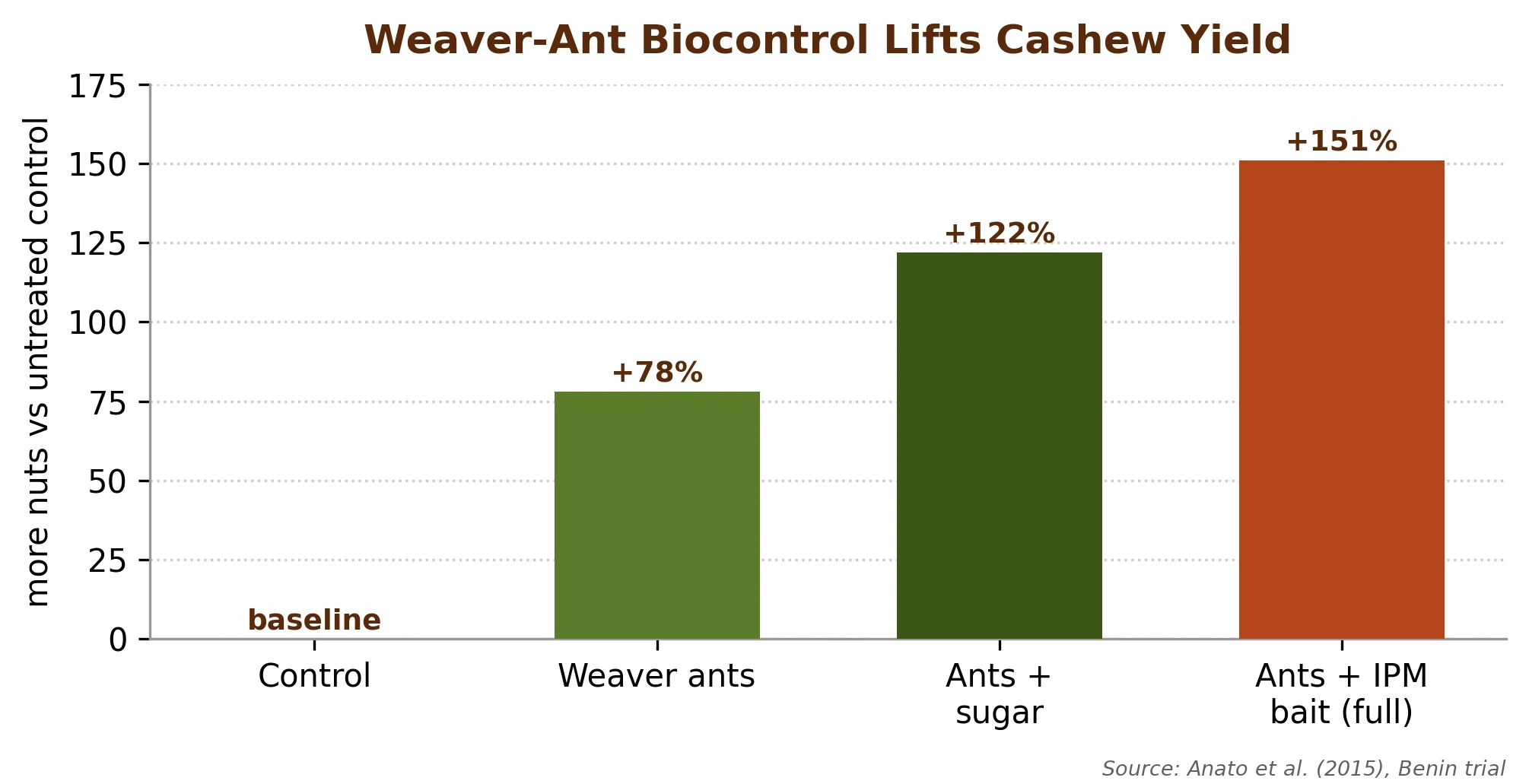
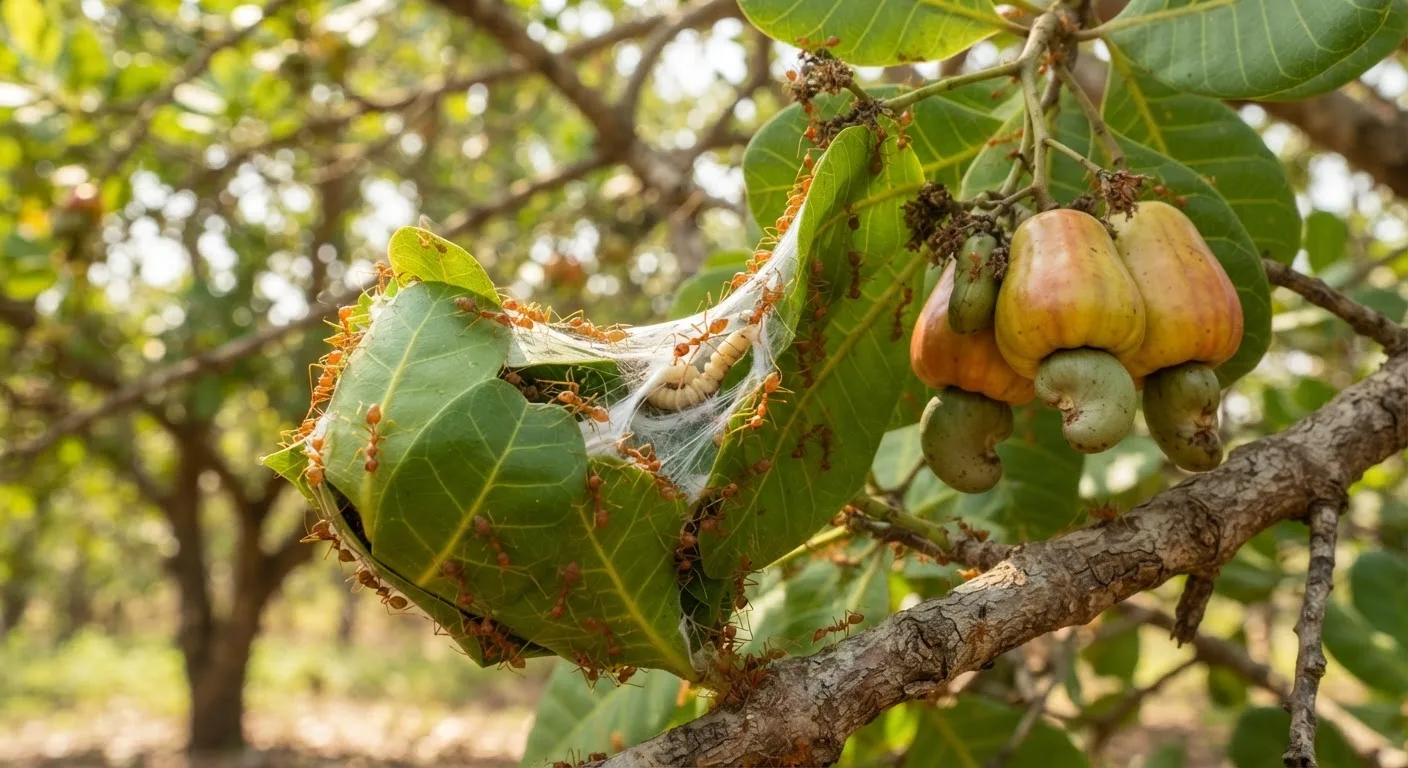
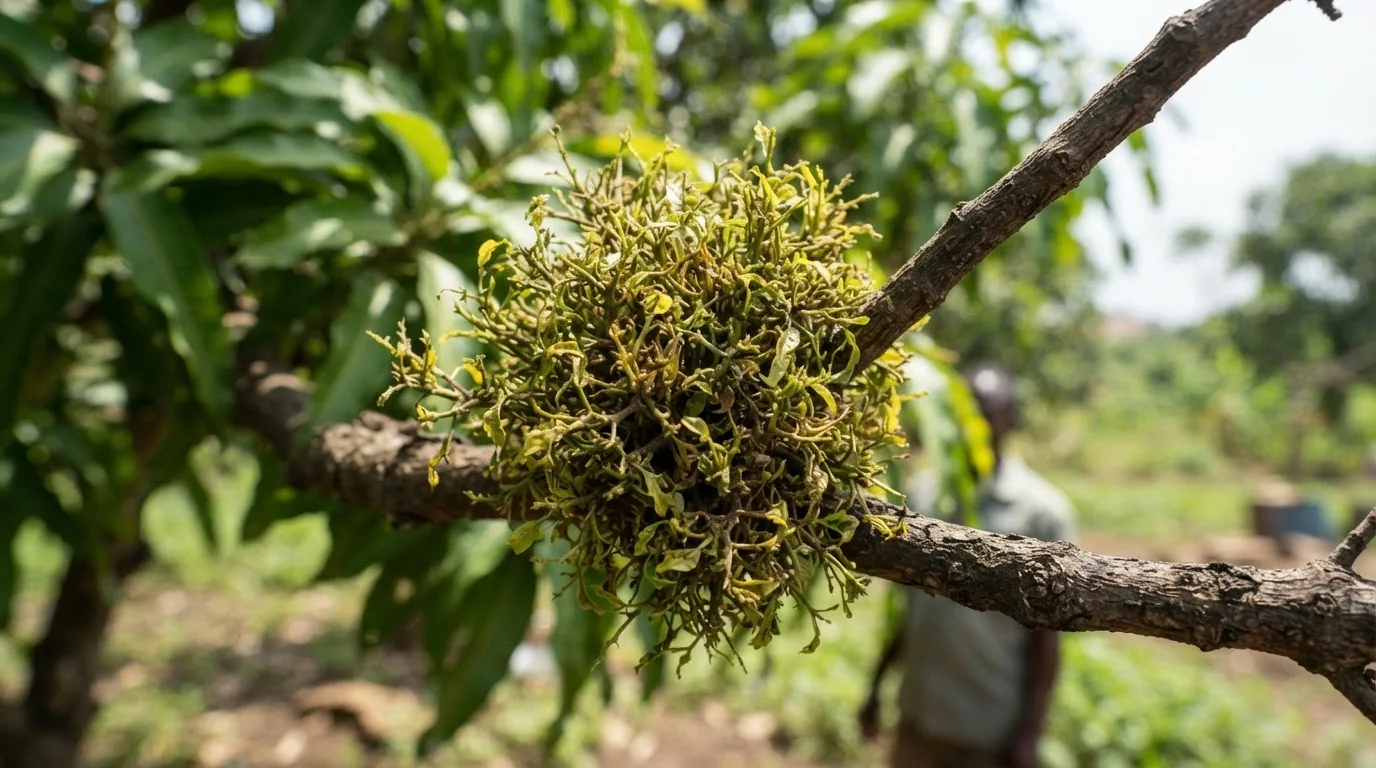
If you are thinking of entering, sell the control, not the crop. The asset-light door is a weaver-ant integrated-pest-management advisory or a spray-and-scout service, both of which need training and a motorbike, not an orchard. The trap is treating every problem as a chemical one: weaver ants are a near-free biocontrol that lifts yield and suits organic buyers, and learning to establish and sell them is a skill farmers will pay for season after season.
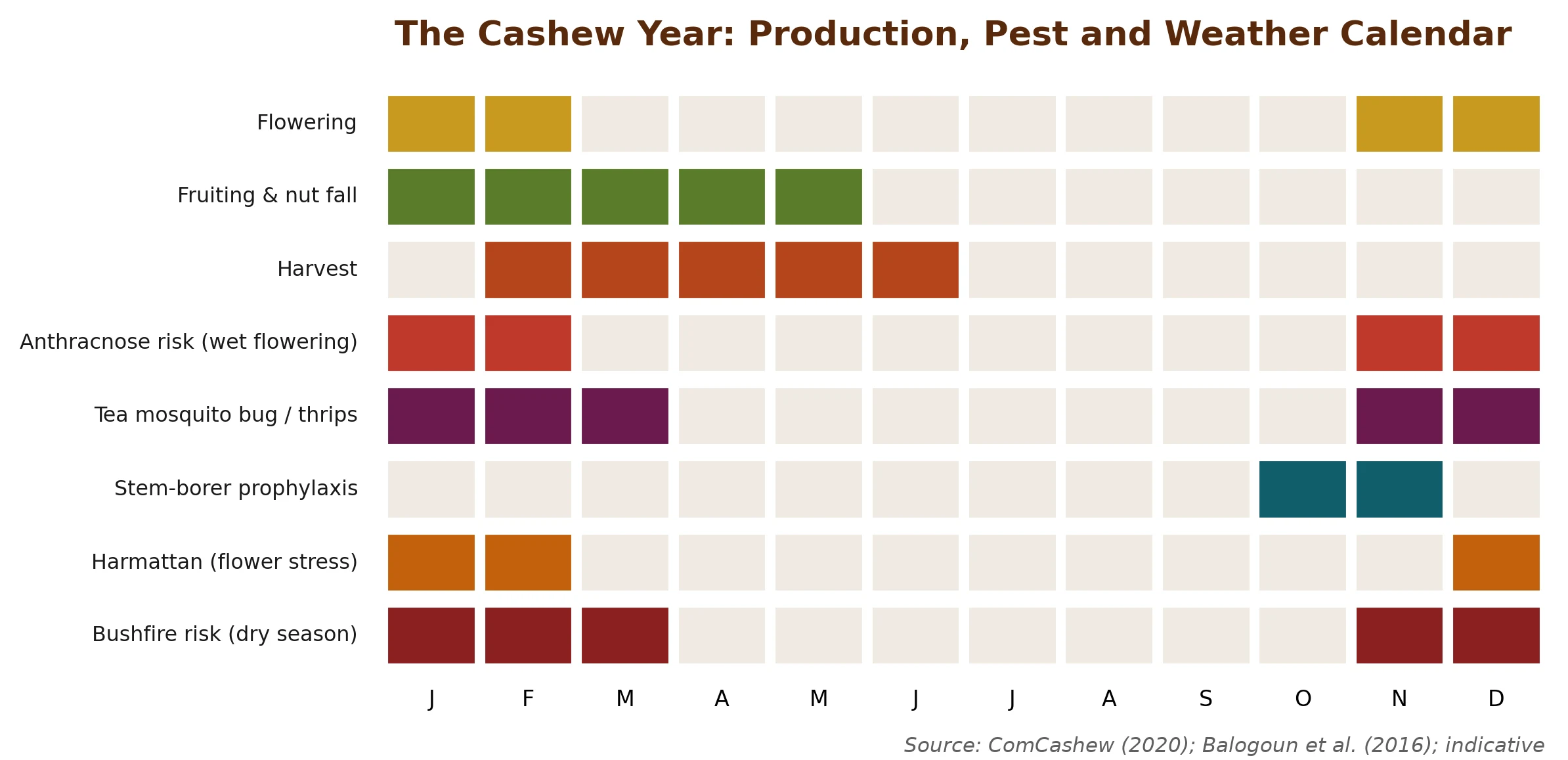
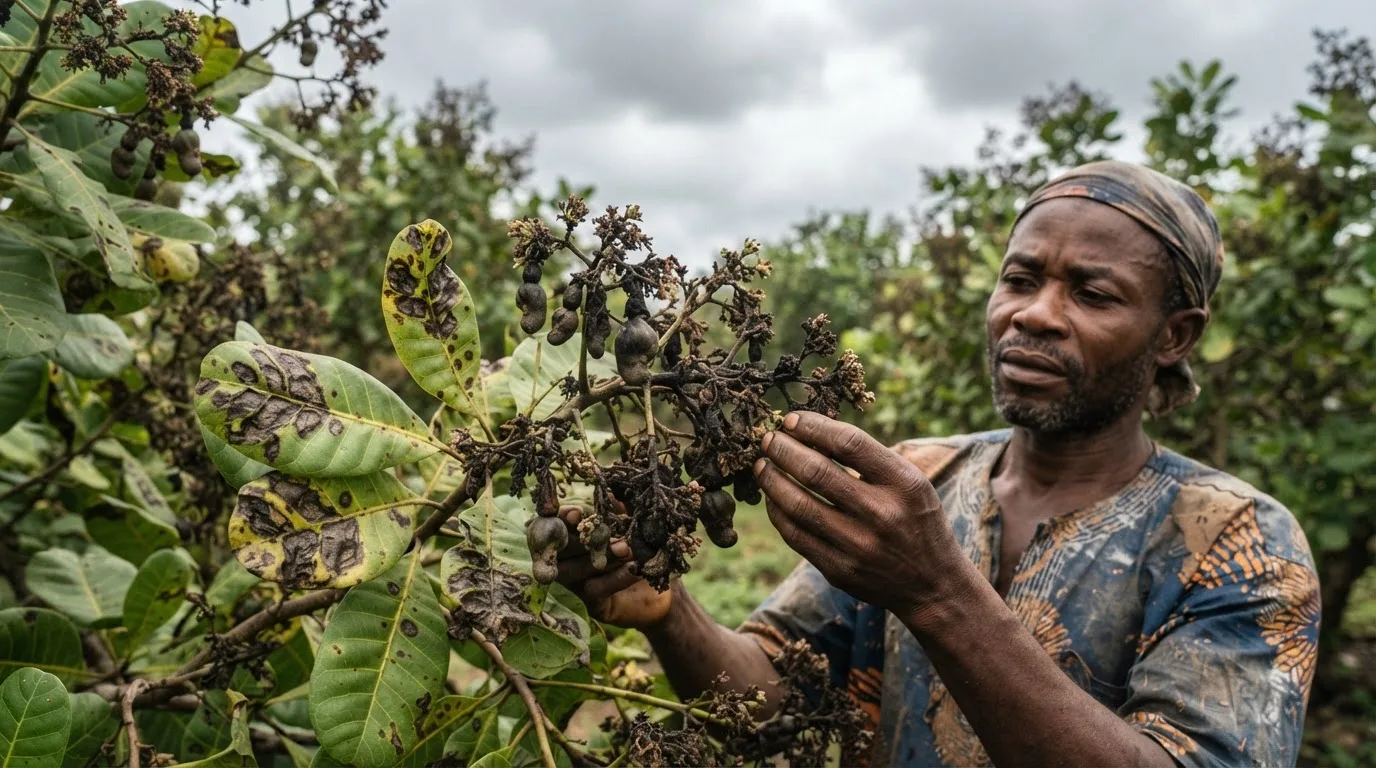
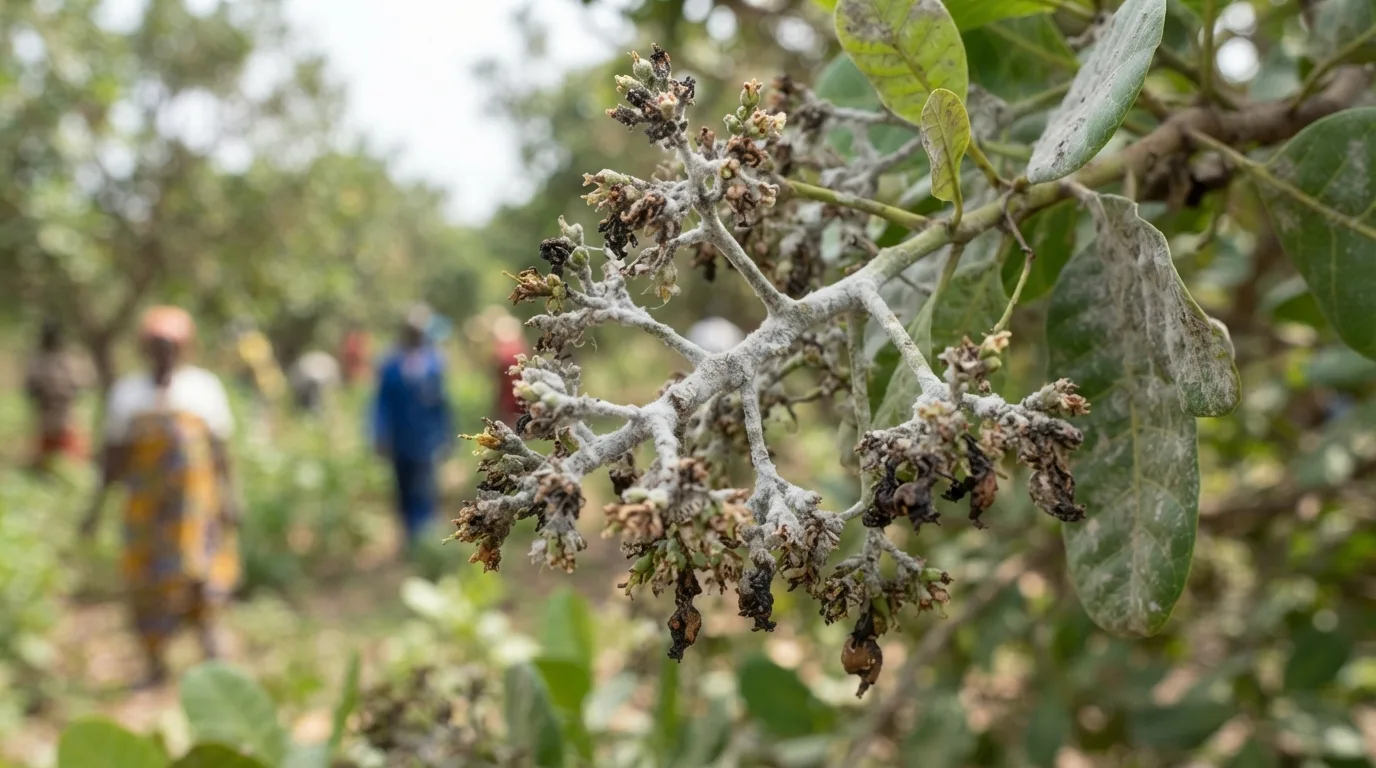
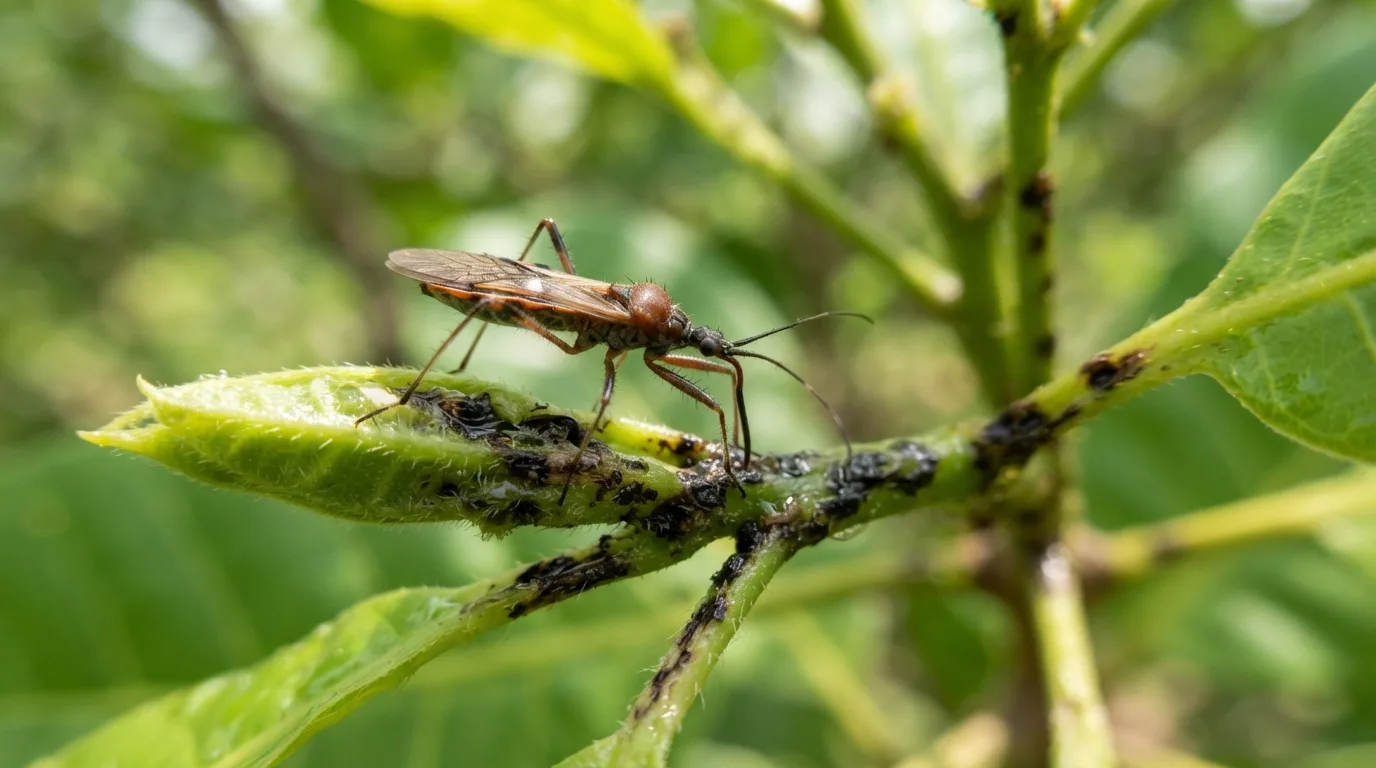
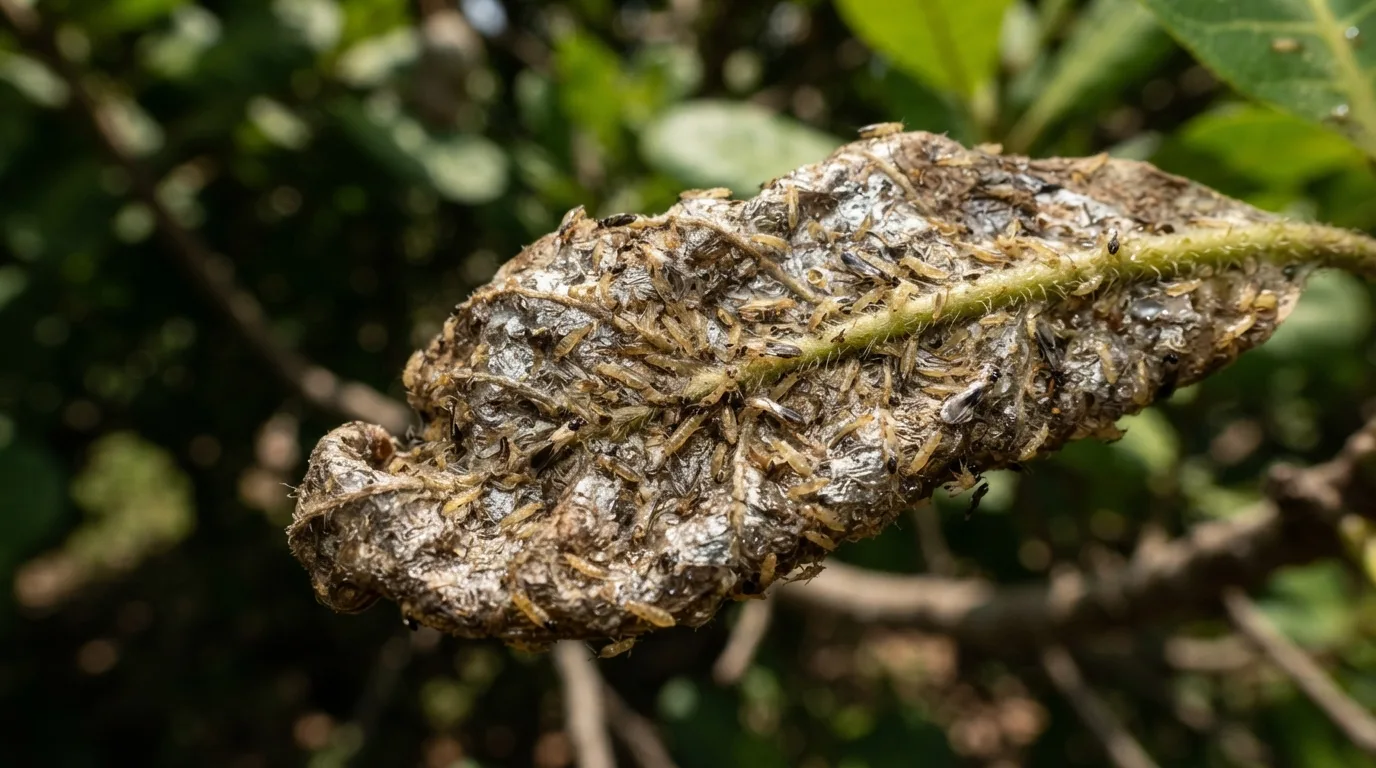
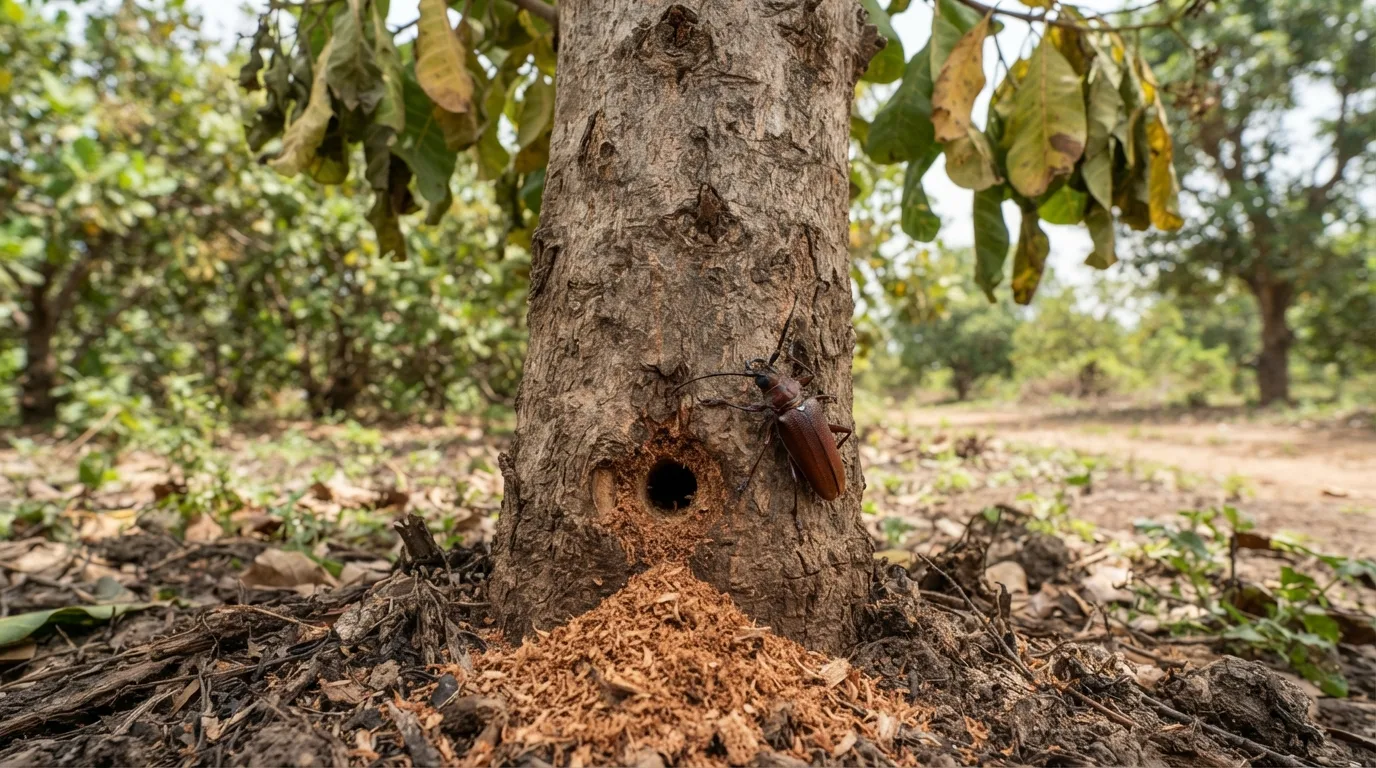
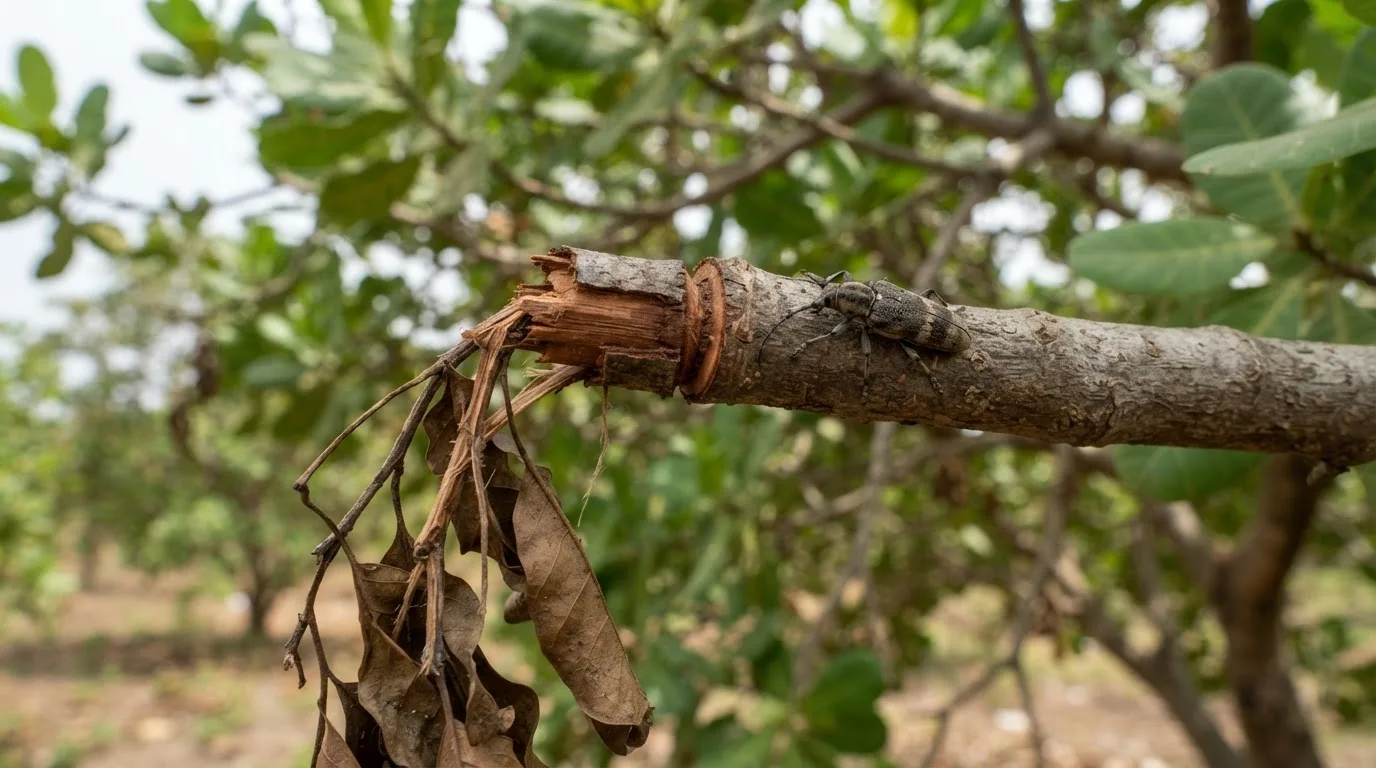
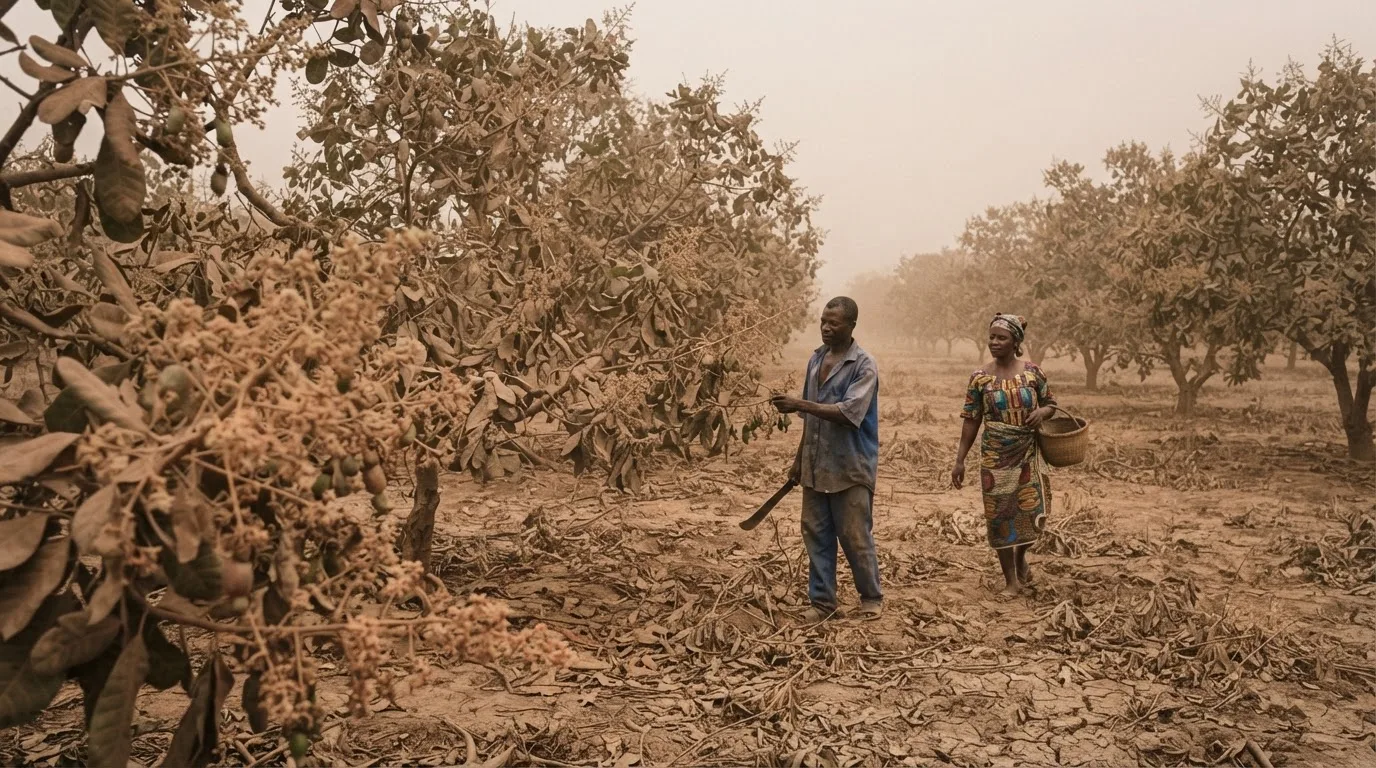
First move: build a timed protection service around the flowering window, when anthracnose and the tea mosquito bug do their damage, and sell it as a package priced against the loss avoided. Secure a supply of the right inputs, copper-oxide plus metalaxyl-M, wettable sulphur, and Metarhizium or neem for the borers, and a cluster of contracted farms before the season. The trap is spraying late or blanket-spraying: the money is in scouting and timing to the calendar, not in selling more chemical.
Diligence asks three things: does the venture sell a recurring control service or a one-off input, is its bio-input supply chain reliable, and can it show yield or quality gains against untreated plots. The thesis is that control is an under-supplied, repeat-revenue market and that the biological controls double as the organic enabler. Underwrite the input supply chain and tie disbursement to a contracted farmer base, not to product volume.
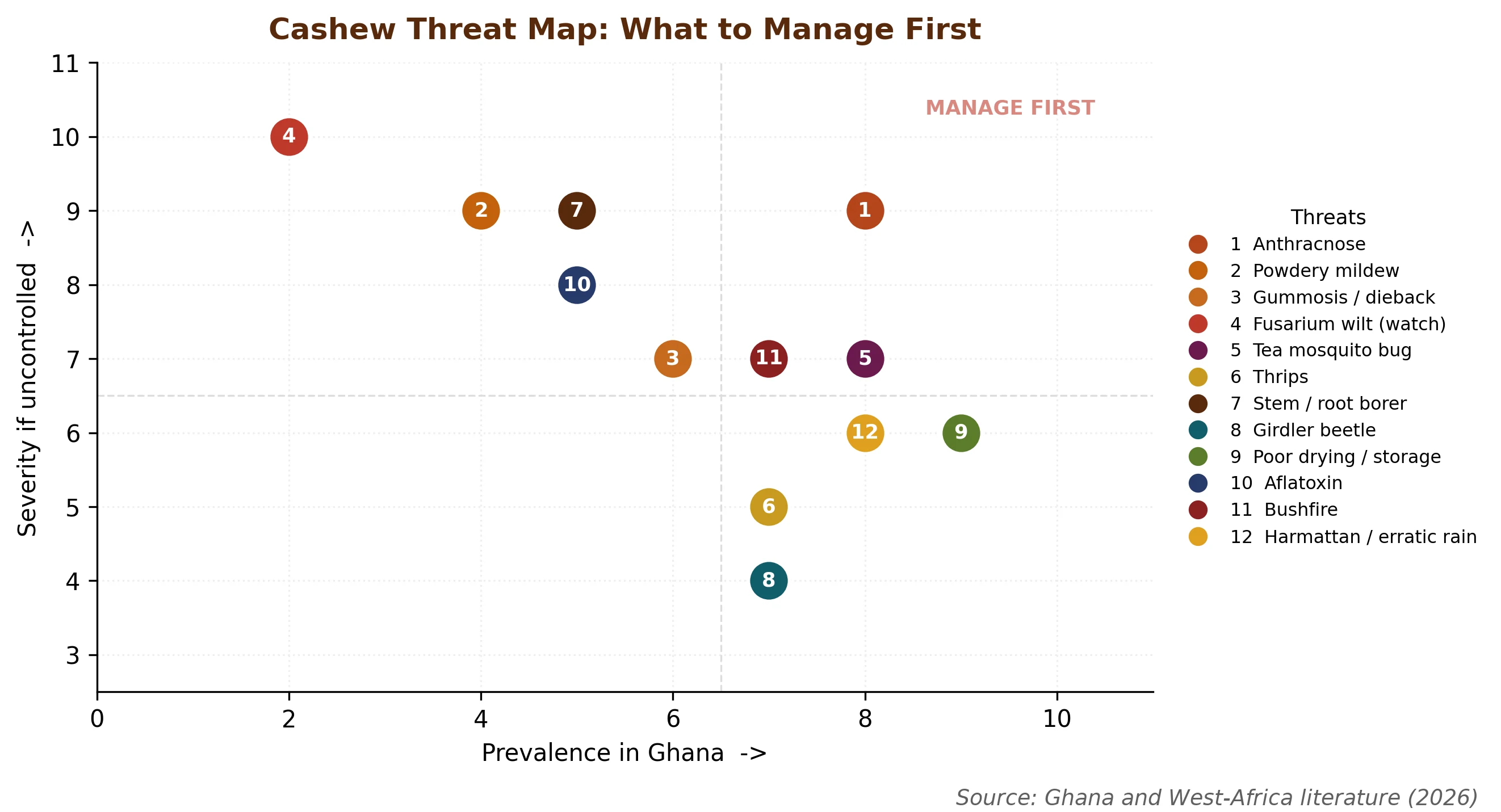
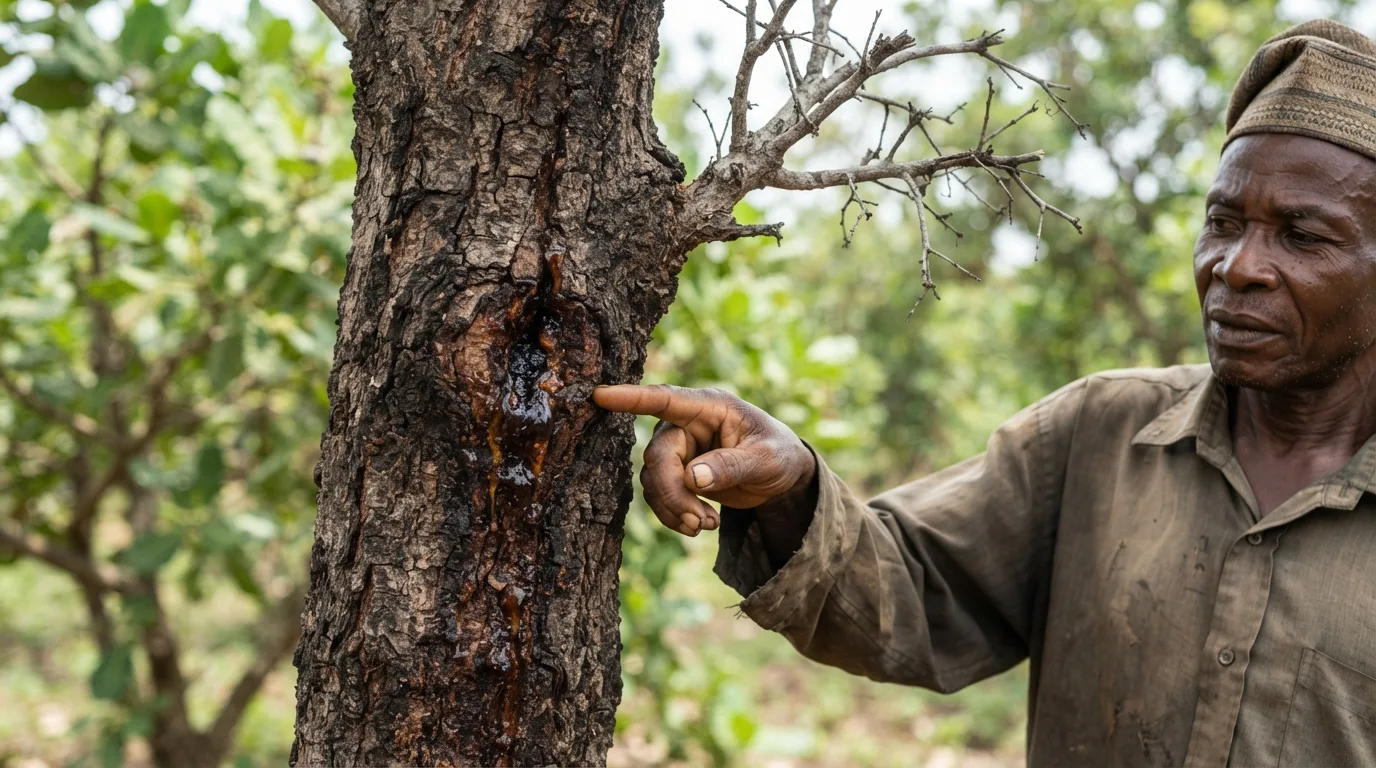
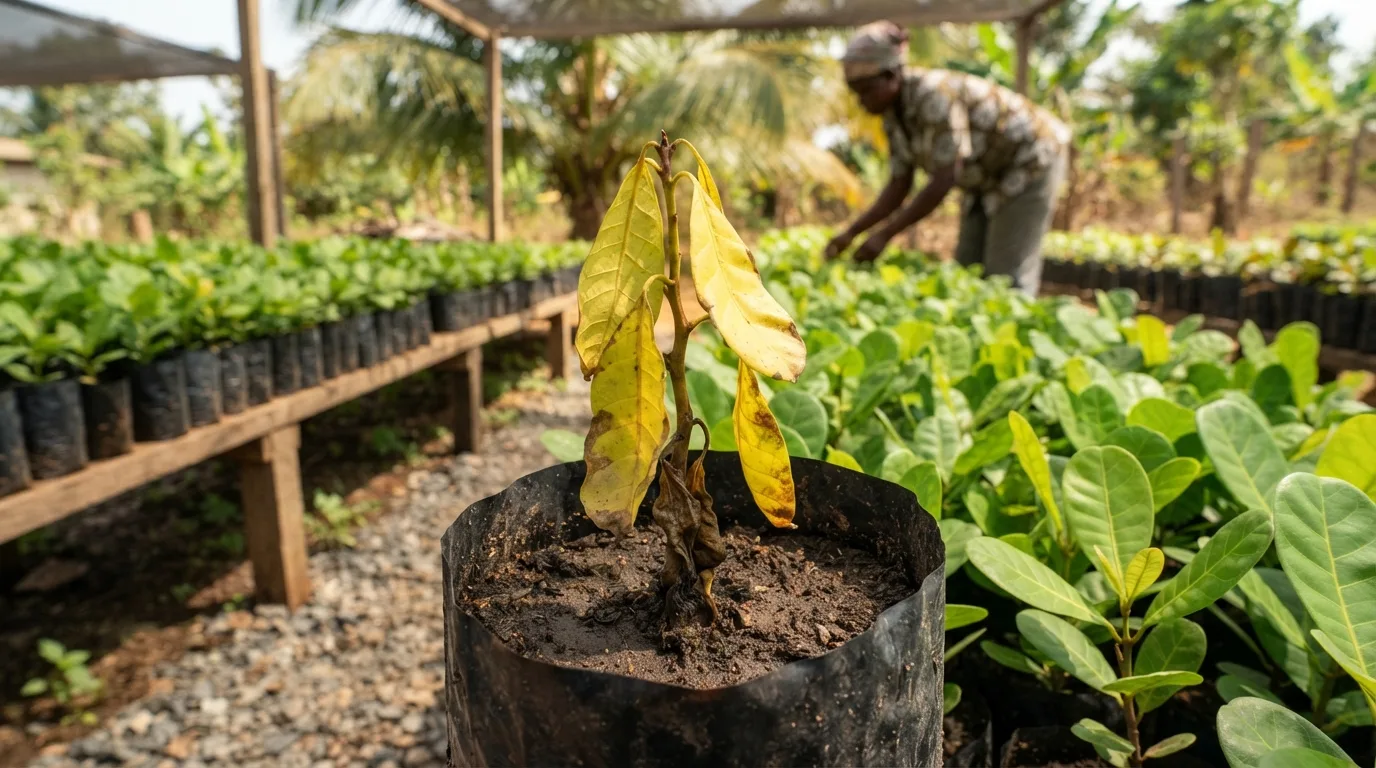
Assignment: have students build a pest-and-disease management calendar for a model orchard from this pillar and Figure 3.4, cost the controls for one season, and compare that cost with the yield loss avoided at, say, a 40 percent anthracnose loss. Deliverable: a costed calendar and a cost-versus-loss table. It teaches that plant protection is an economic decision, not a technical afterthought.
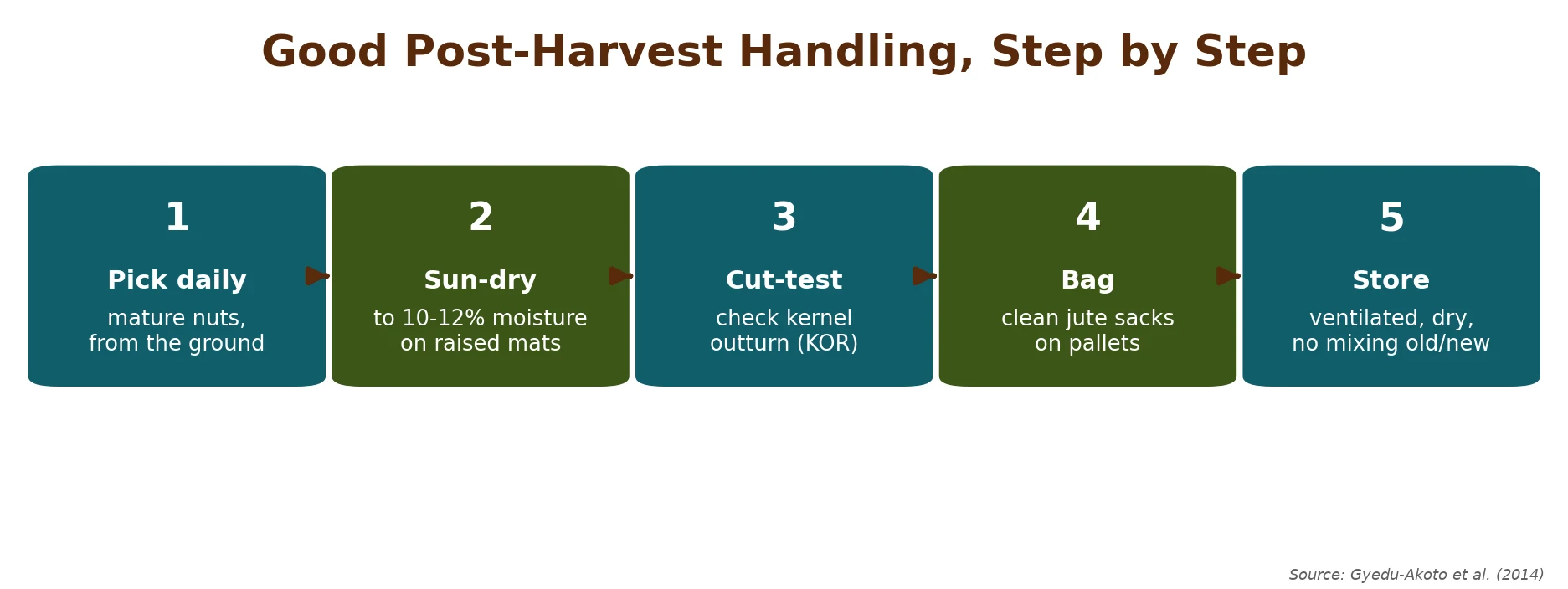
The lever is to fund biocontrol, drying and food-safety infrastructure: promote weaver-ant IPM through extension, back local bio-pesticide production, and place aflatoxin testing at aggregation points. Measure success by the fall in aflatoxin-related rejections and by the share of farmers using integrated pest management rather than calendar spraying. The failure to avoid is subsidising broad-spectrum chemicals, which raise cost, block the organic premium and kill the weaver ants that were controlling the pests for free.
If you are thinking of entering, sell the control, not the crop. The asset-light door is a weaver-ant integrated-pest-management advisory or a spray-and-scout service, both of which need training and a motorbike, not an orchard. The trap is treating every problem as a chemical one: weaver ants are a near-free biocontrol that lifts yield and suits organic buyers, and learning to establish and sell them is a skill farmers will pay for season after season.
First move: build a timed protection service around the flowering window, when anthracnose and the tea mosquito bug do their damage, and sell it as a package priced against the loss avoided. Secure a supply of the right inputs, copper-oxide plus metalaxyl-M, wettable sulphur, and Metarhizium or neem for the borers, and a cluster of contracted farms before the season. The trap is spraying late or blanket-spraying: the money is in scouting and timing to the calendar, not in selling more chemical.
Diligence asks three things: does the venture sell a recurring control service or a one-off input, is its bio-input supply chain reliable, and can it show yield or quality gains against untreated plots. The thesis is that control is an under-supplied, repeat-revenue market and that the biological controls double as the organic enabler. Underwrite the input supply chain and tie disbursement to a contracted farmer base, not to product volume.
Assignment: have students build a pest-and-disease management calendar for a model orchard from this pillar and Figure 3.4, cost the controls for one season, and compare that cost with the yield loss avoided at, say, a 40 percent anthracnose loss. Deliverable: a costed calendar and a cost-versus-loss table. It teaches that plant protection is an economic decision, not a technical afterthought.
The lever is to fund biocontrol, drying and food-safety infrastructure: promote weaver-ant IPM through extension, back local bio-pesticide production, and place aflatoxin testing at aggregation points. Measure success by the fall in aflatoxin-related rejections and by the share of farmers using integrated pest management rather than calendar spraying. The failure to avoid is subsidising broad-spectrum chemicals, which raise cost, block the organic premium and kill the weaver ants that were controlling the pests for free.