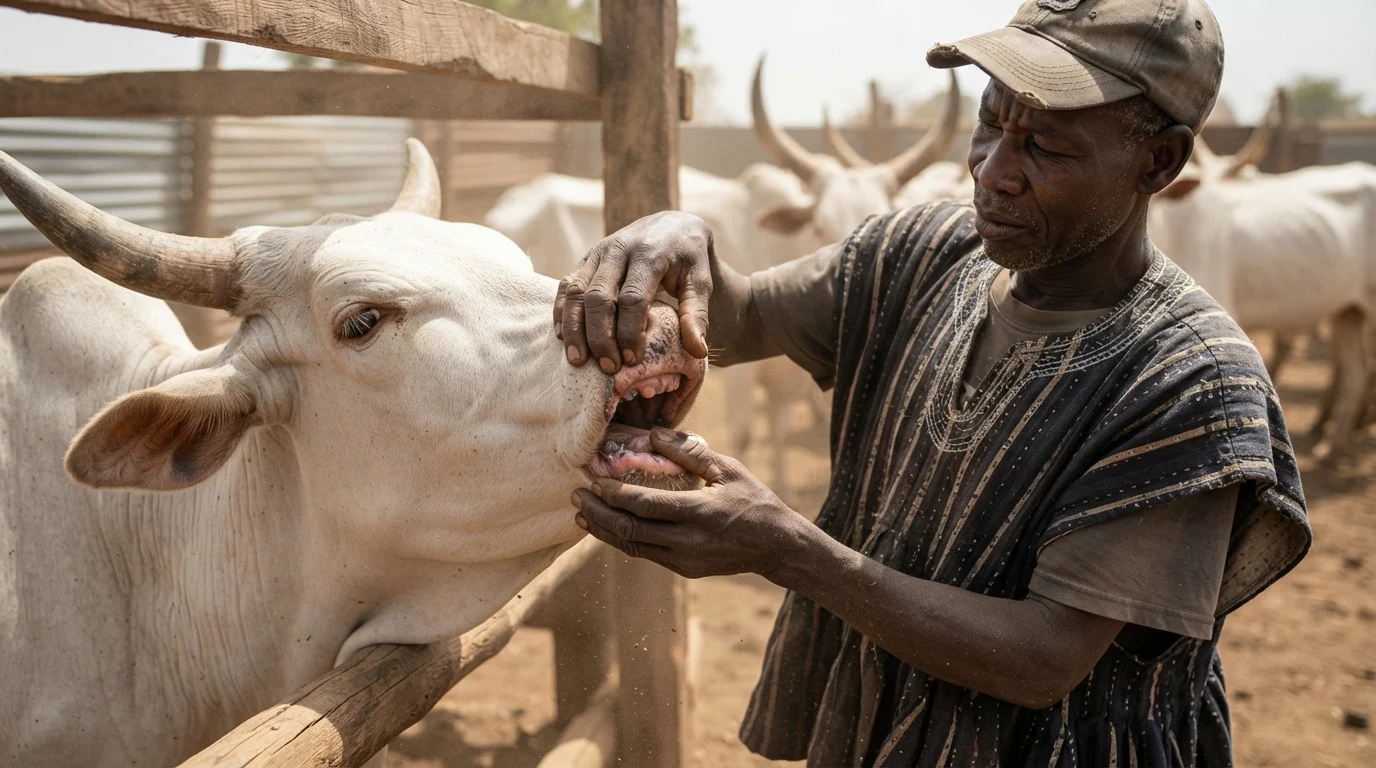
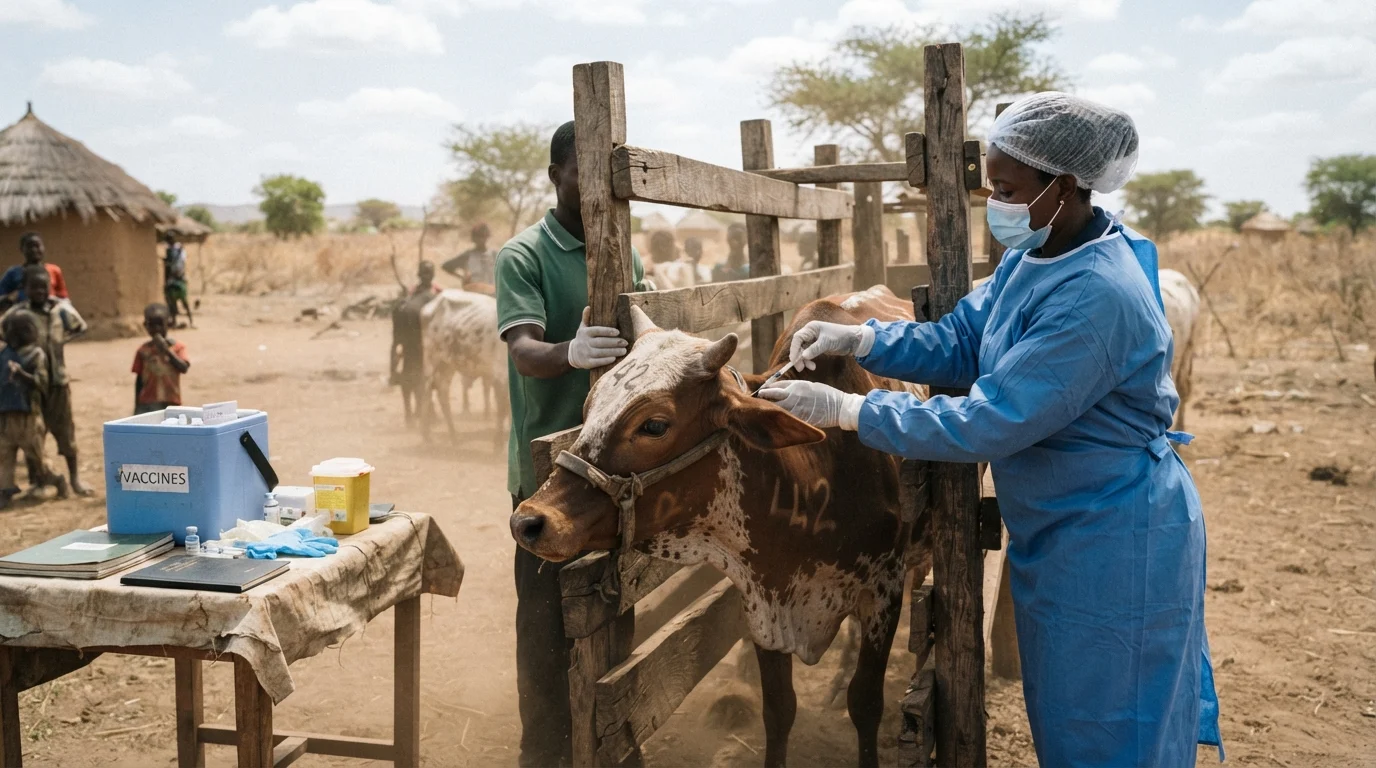
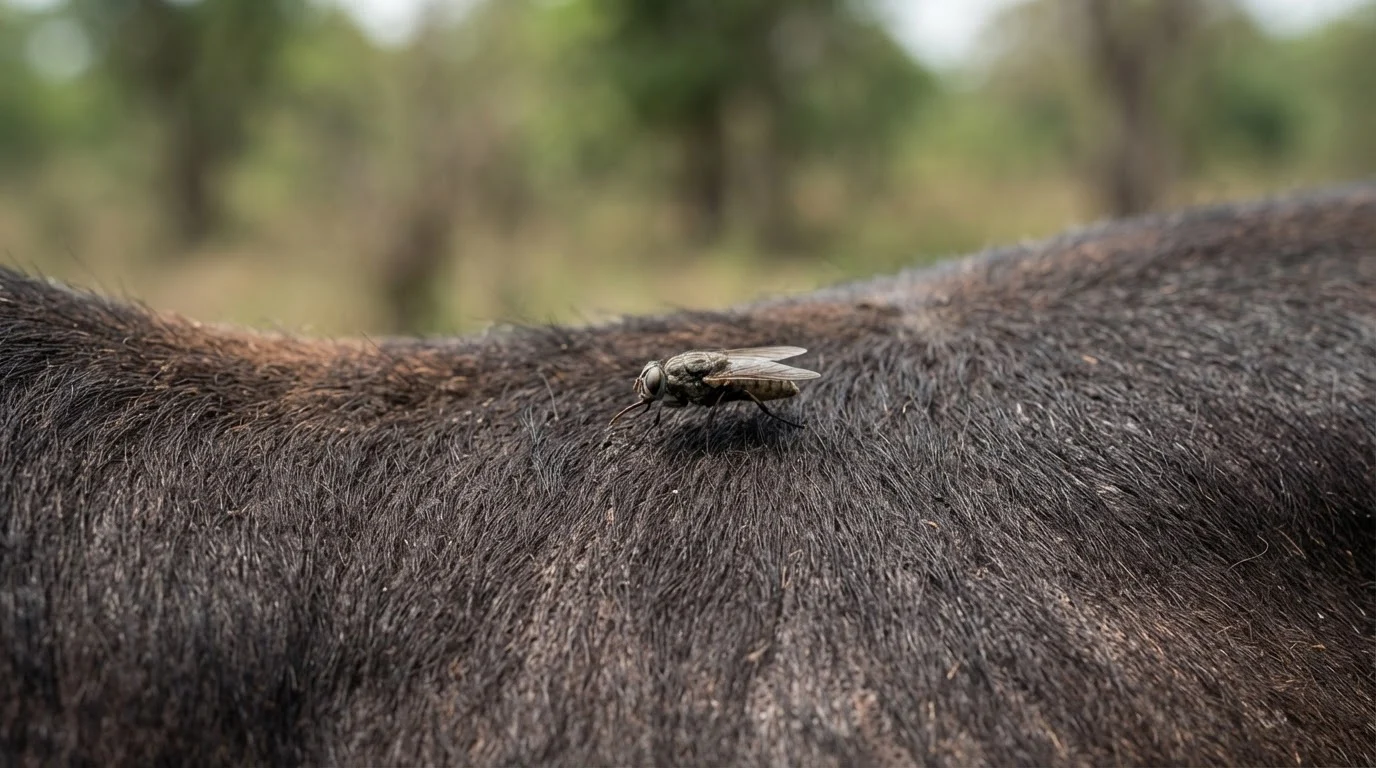
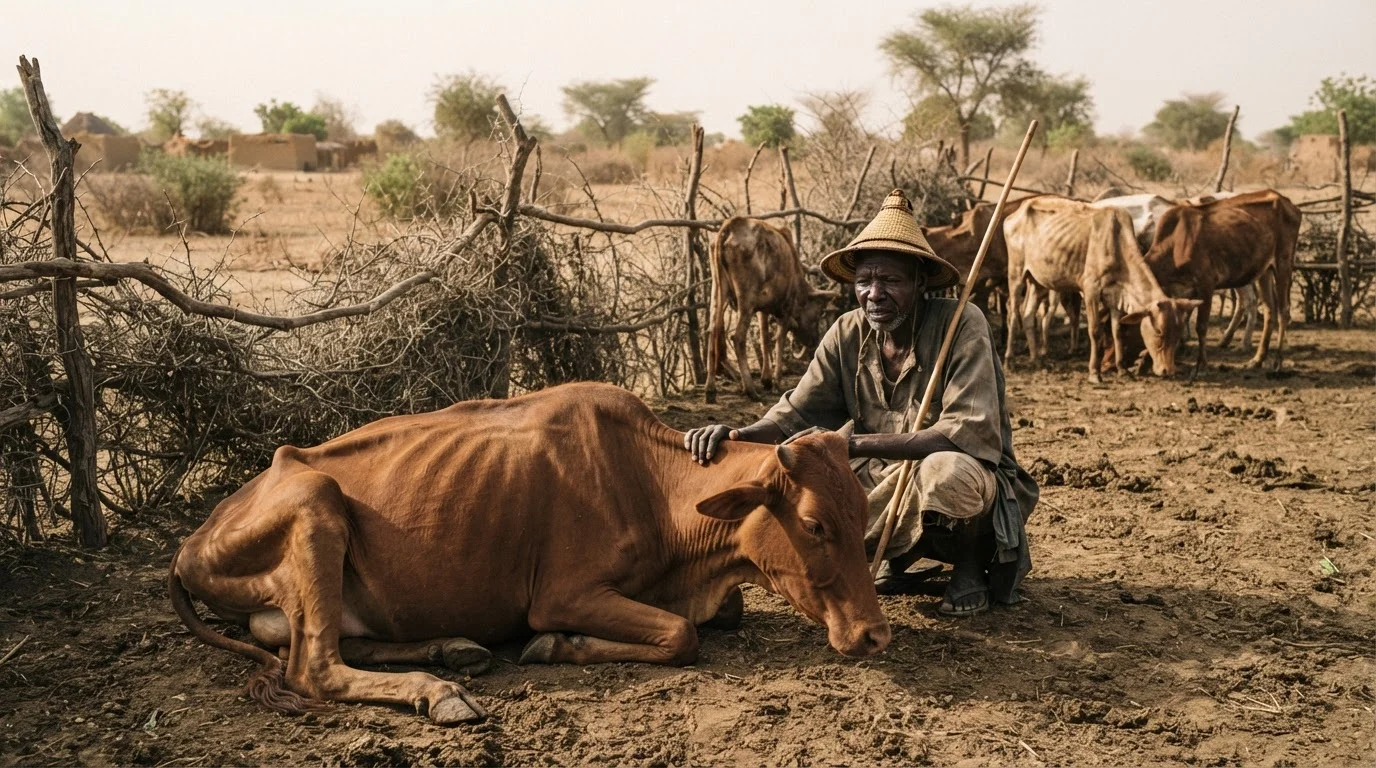
Learn the diseases by what they do to a decision. Foot-and-mouth is a trade and movement problem, CBPP and anthrax are mass-death problems, trypanosomiasis is a breed-and-site problem, and brucellosis is a fertility and human-health problem. The most useful thing to understand is that prevention works and pays but rarely reaches the animal, so the value is in delivery and diagnosis. Spend time with the North Gonja case: it teaches, in one event, why handling capacity is the sector's real weakness.
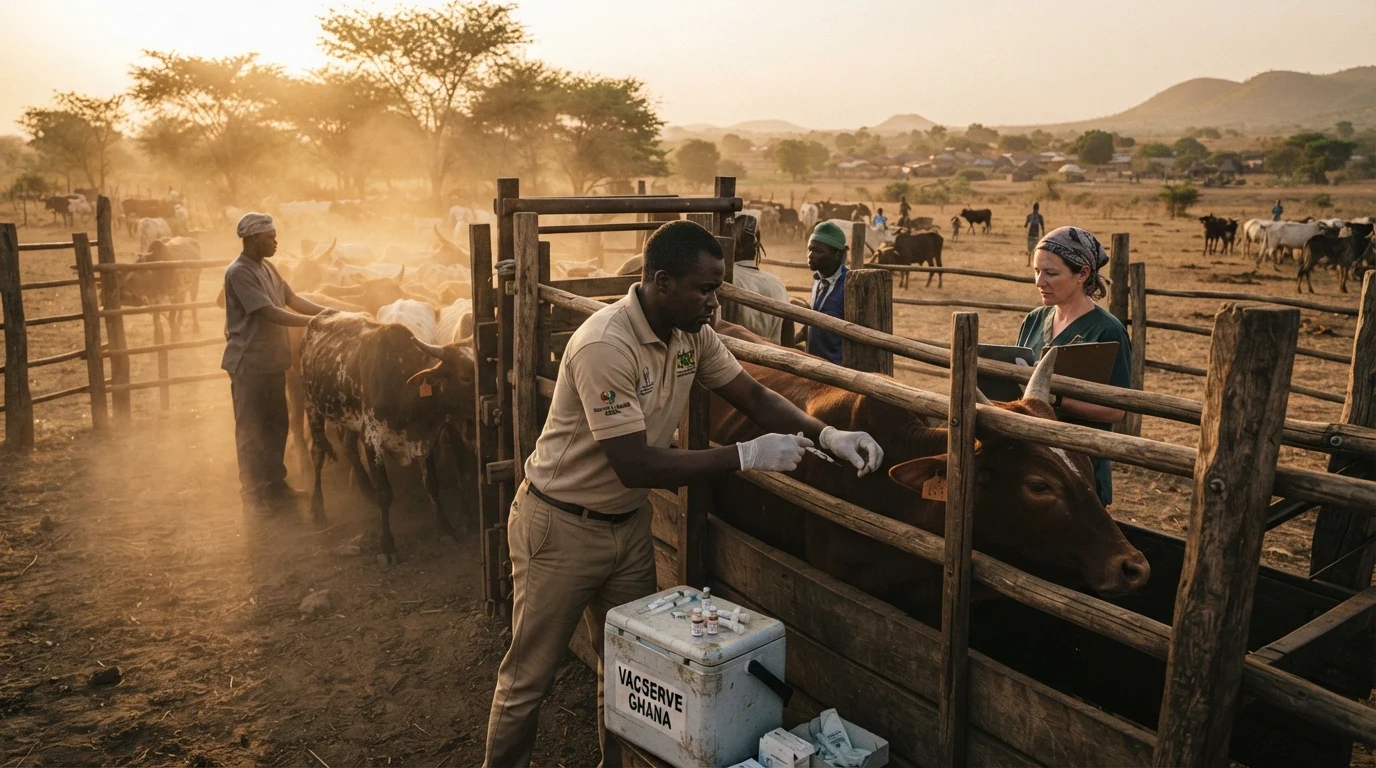
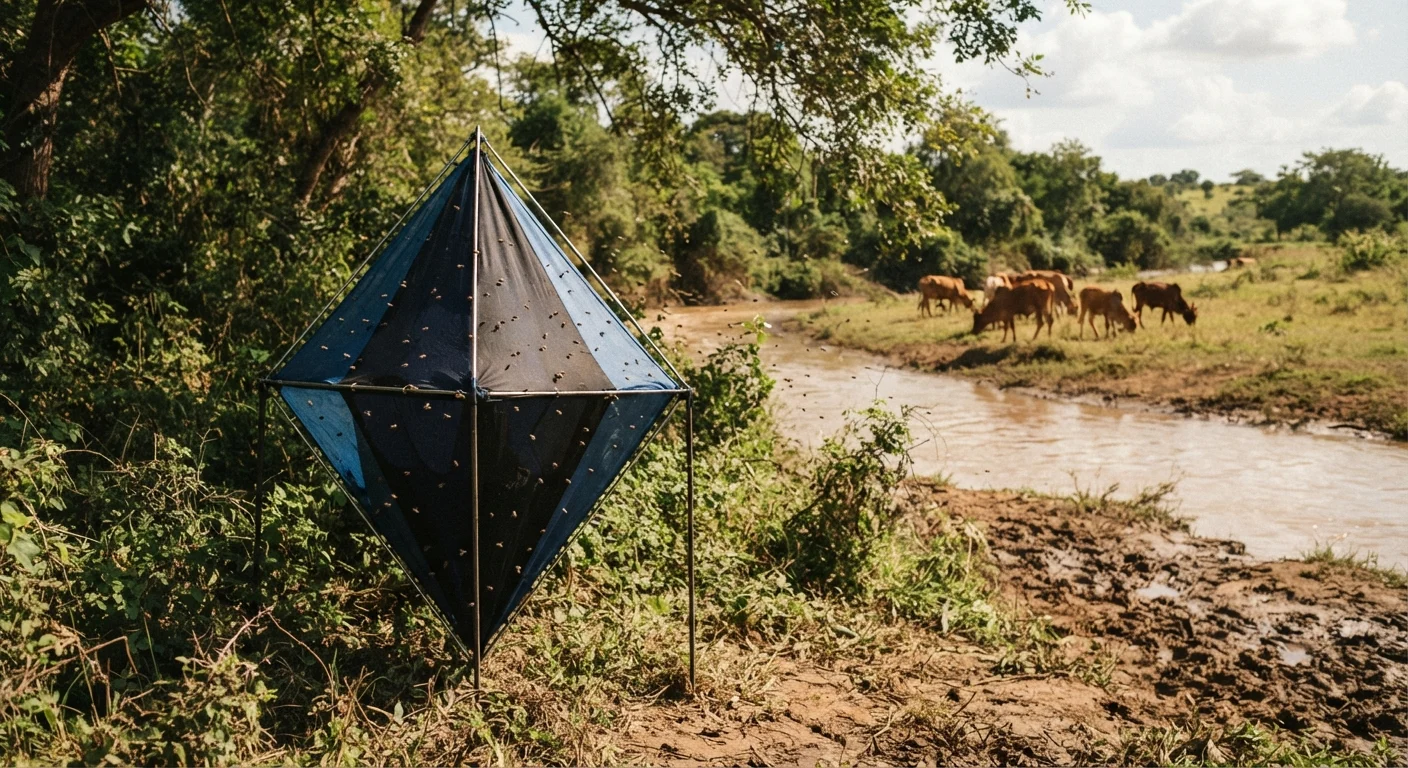
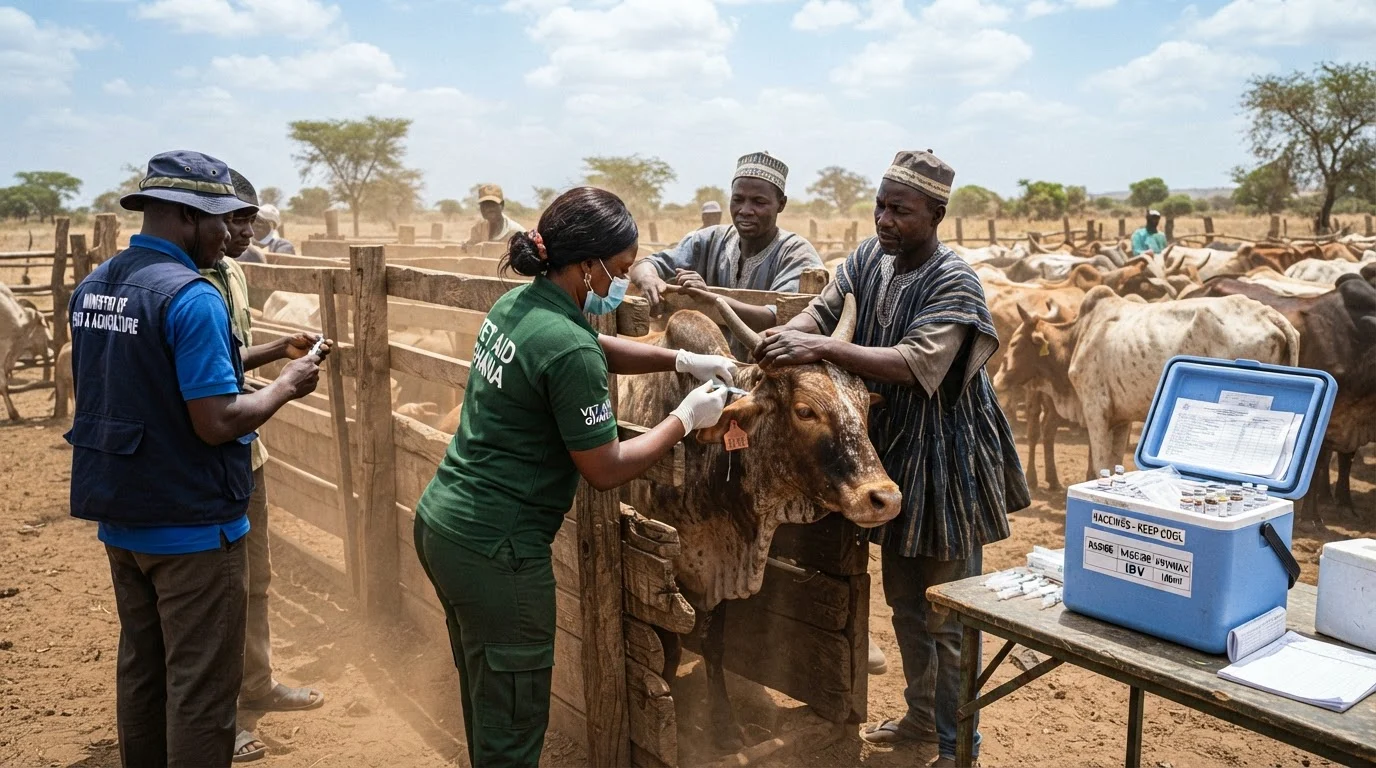
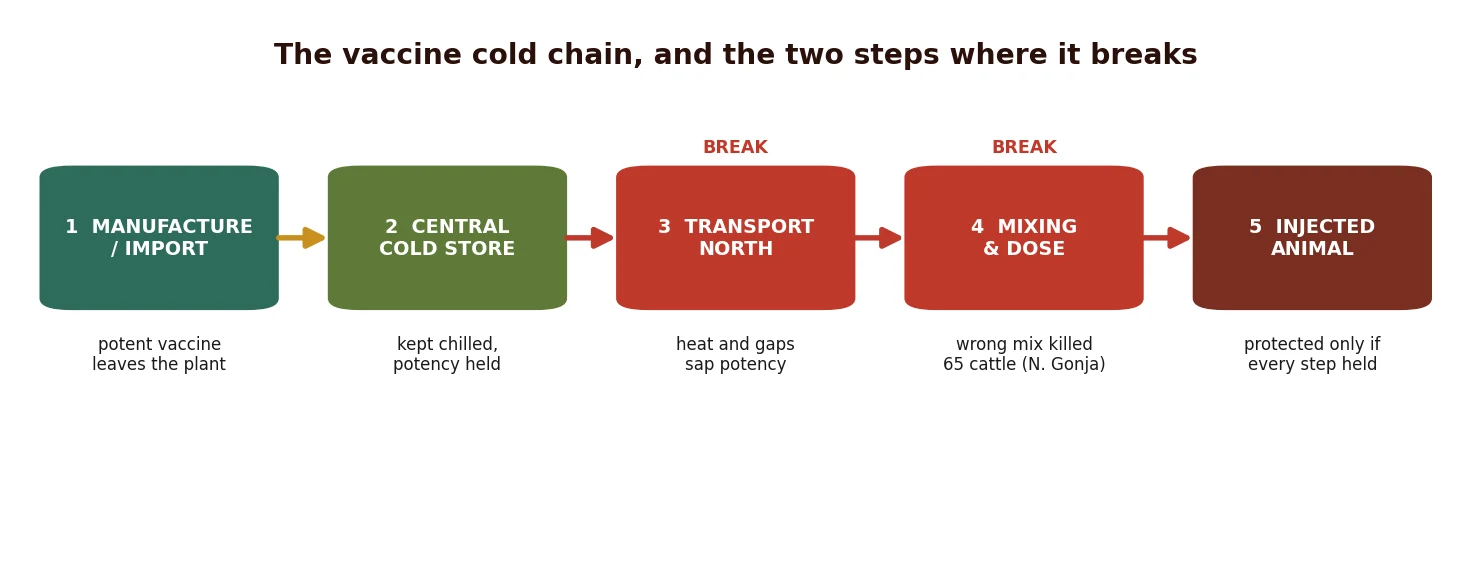
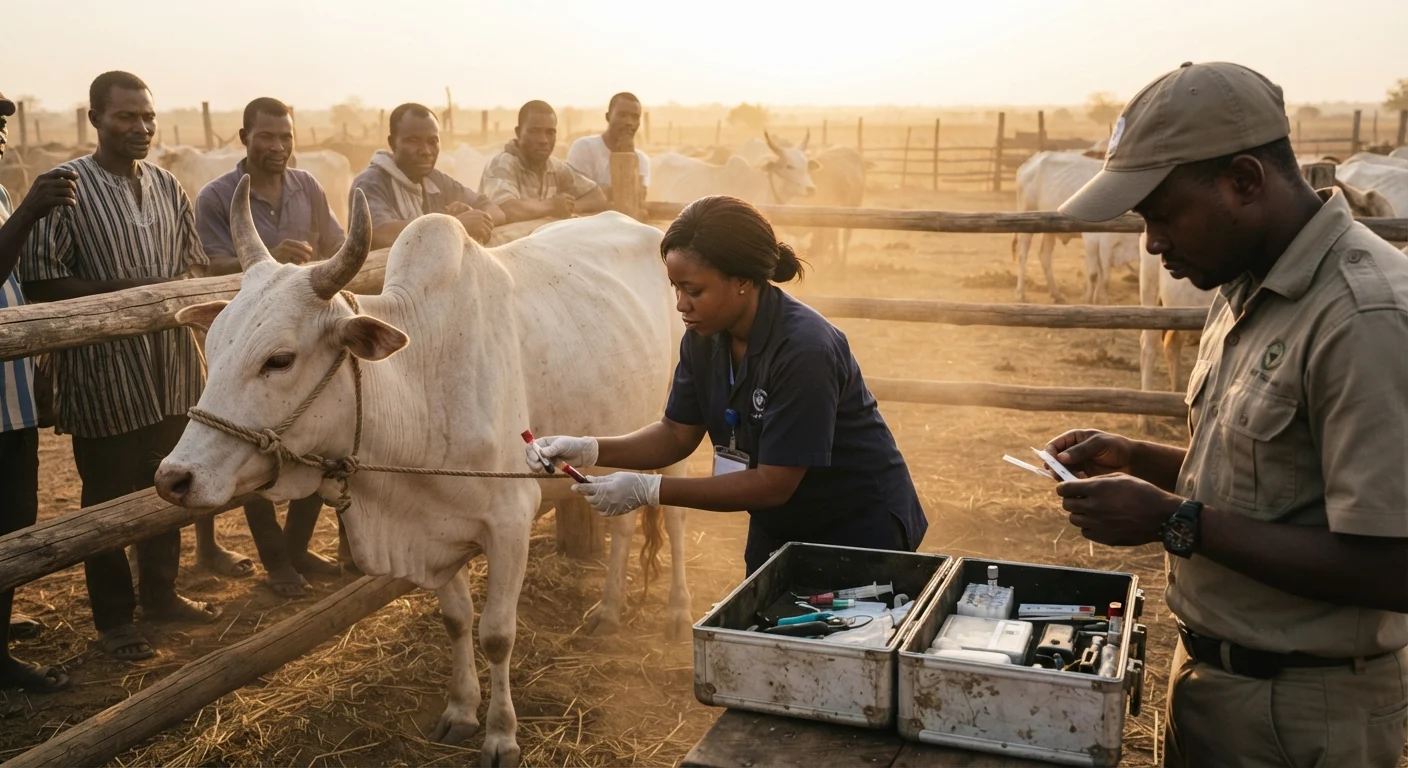
First move: build a service in the gap between a working vaccine and the animal that needs it, cold-chain delivery, pen-side diagnostics, or a correct-vaccination-and-biosecurity advisory the herd owner pays for after a scare. The trap is assuming farmers will not pay for prevention: they already lose ten percent a year, so price prevention below that loss and prove it worked. Avoid siting a feedlot inside the tsetse belt without a fly-control plan, and never treat vaccine handling as an afterthought, because that is what killed about 180 animals at North Gonja.
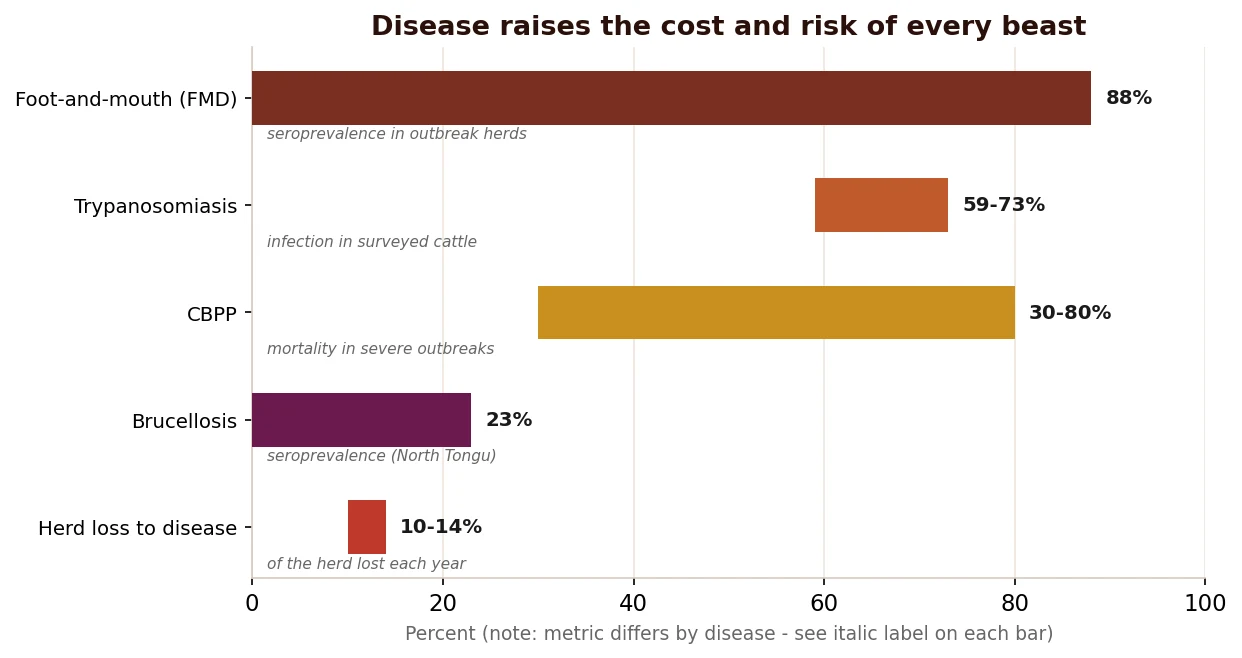
Underwrite animal-health exposure before headcount. A venture that holds grouped animals, a feedlot or a finishing operation, is one outbreak away from a wipeout unless biosecurity and vaccination are designed in, so treat any plan that is silent on disease as carrying unpriced risk. The thesis worth backing is the delivery layer: cold-chain vaccine logistics, diagnostics and advisory, where demand rests on a median 10 percent annual loss to disease and a positive return on vaccination in most African studies. Cowtribe (Pillar 8) is the template for how that layer reaches a mobile, informal herd.
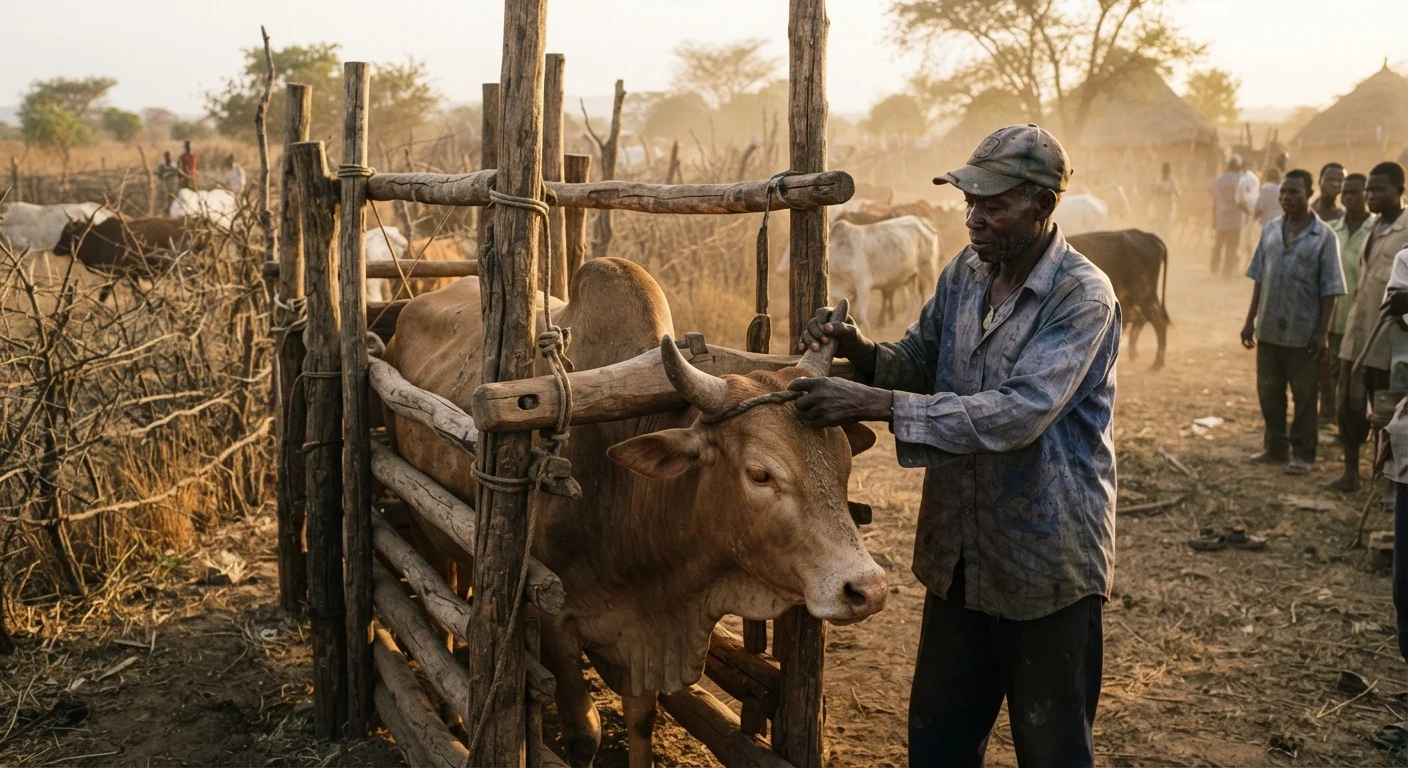
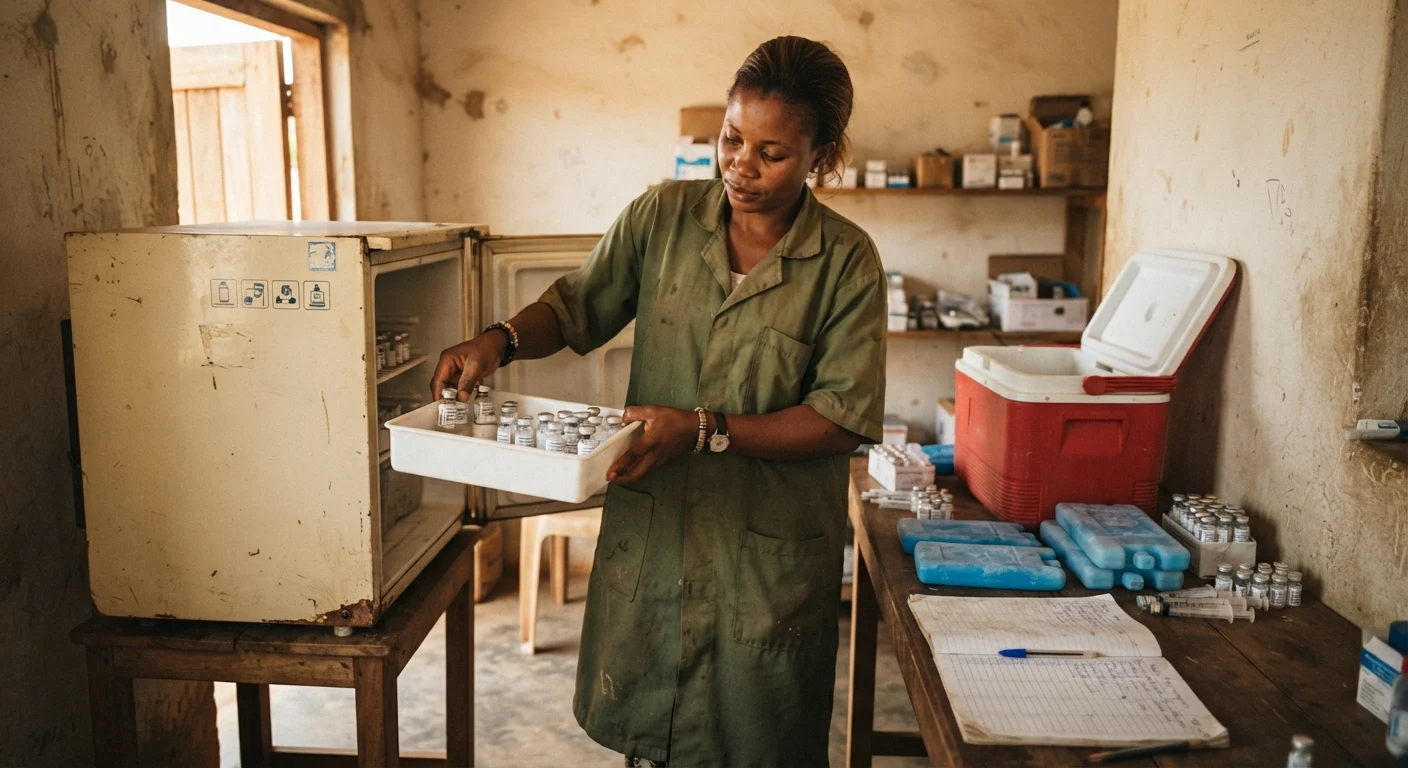
The lever is delivery capacity: potent vaccine, correctly handled, reaching a mobile herd, with a record that it was done. Strengthen the cold chain, train the field vaccinator and revive the national tsetse-control effort that lapsed after the African Development Bank project ended in 2012, and measure success as vaccination coverage and herd mortality. The failure to avoid is another North Gonja: vaccine bought outside the official system and given by an untrained hand, killing the animals it was meant to protect.
Learn the diseases by what they do to a decision. Foot-and-mouth is a trade and movement problem, CBPP and anthrax are mass-death problems, trypanosomiasis is a breed-and-site problem, and brucellosis is a fertility and human-health problem. The most useful thing to understand is that prevention works and pays but rarely reaches the animal, so the value is in delivery and diagnosis. Spend time with the North Gonja case: it teaches, in one event, why handling capacity is the sector's real weakness.
First move: build a service in the gap between a working vaccine and the animal that needs it, cold-chain delivery, pen-side diagnostics, or a correct-vaccination-and-biosecurity advisory the herd owner pays for after a scare. The trap is assuming farmers will not pay for prevention: they already lose ten percent a year, so price prevention below that loss and prove it worked. Avoid siting a feedlot inside the tsetse belt without a fly-control plan, and never treat vaccine handling as an afterthought, because that is what killed about 180 animals at North Gonja.
Underwrite animal-health exposure before headcount. A venture that holds grouped animals, a feedlot or a finishing operation, is one outbreak away from a wipeout unless biosecurity and vaccination are designed in, so treat any plan that is silent on disease as carrying unpriced risk. The thesis worth backing is the delivery layer: cold-chain vaccine logistics, diagnostics and advisory, where demand rests on a median 10 percent annual loss to disease and a positive return on vaccination in most African studies. Cowtribe (Pillar 8) is the template for how that layer reaches a mobile, informal herd.
The lever is delivery capacity: potent vaccine, correctly handled, reaching a mobile herd, with a record that it was done. Strengthen the cold chain, train the field vaccinator and revive the national tsetse-control effort that lapsed after the African Development Bank project ended in 2012, and measure success as vaccination coverage and herd mortality. The failure to avoid is another North Gonja: vaccine bought outside the official system and given by an untrained hand, killing the animals it was meant to protect.