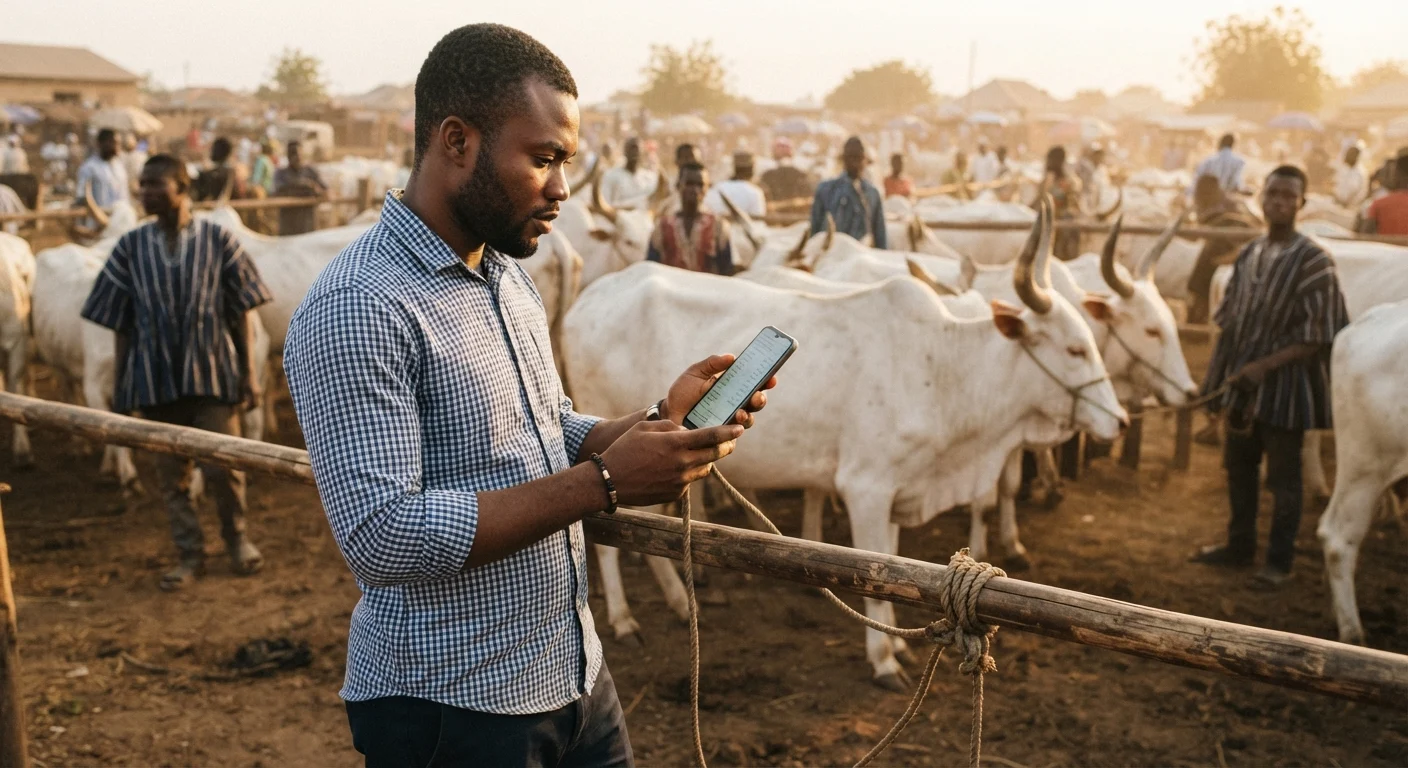
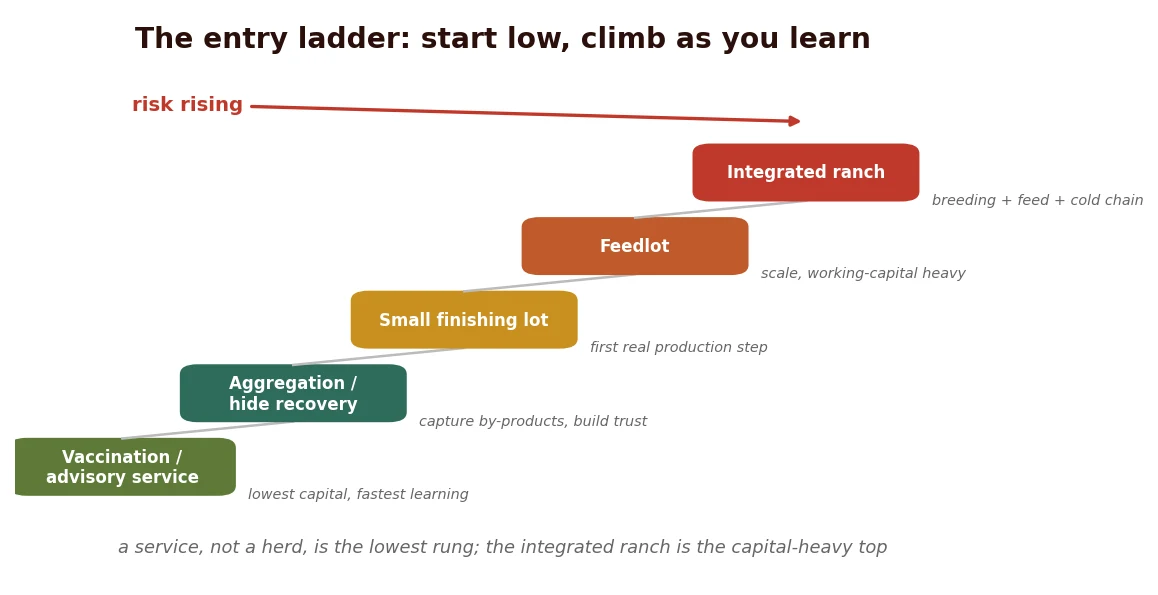
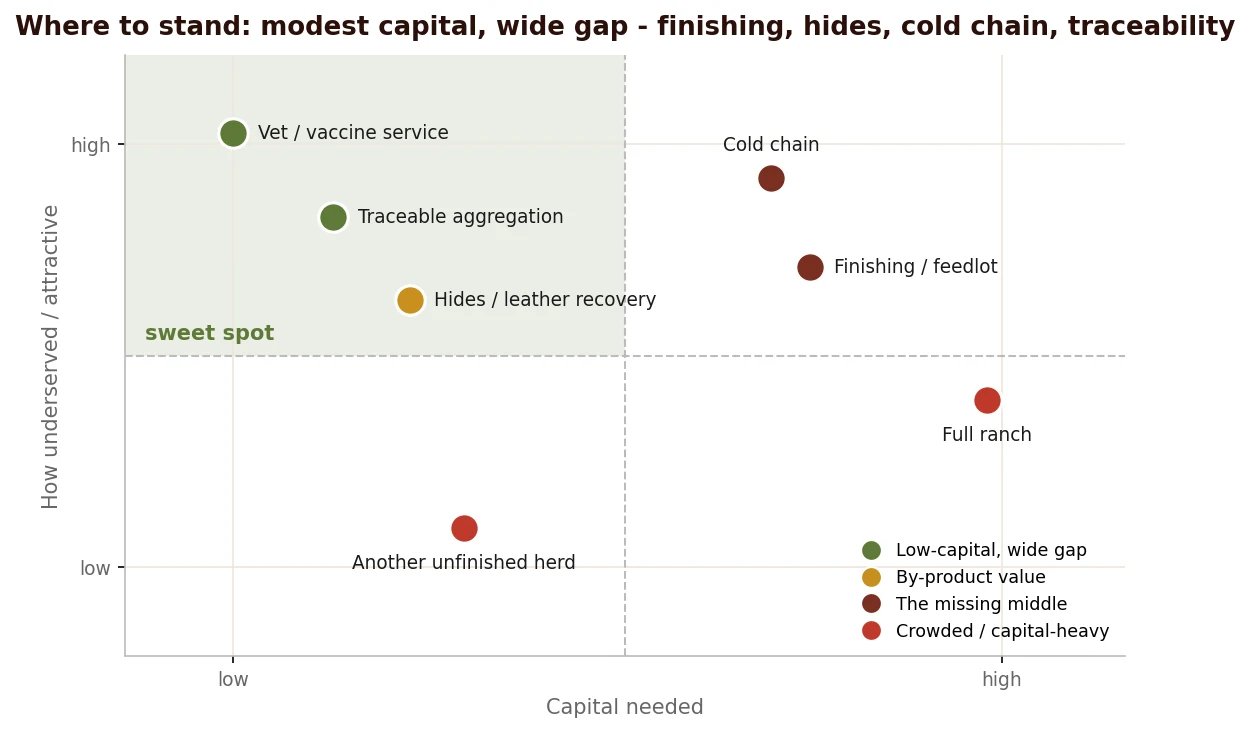
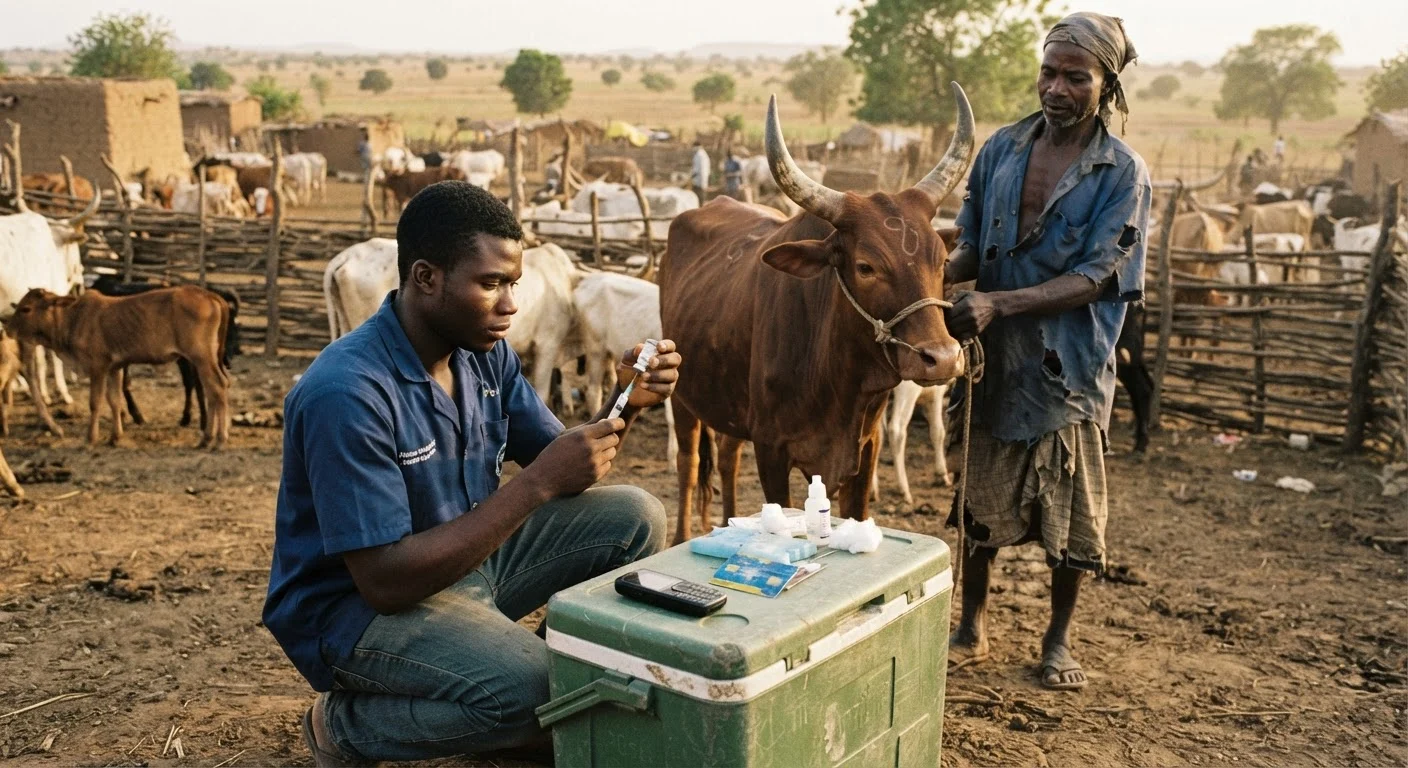
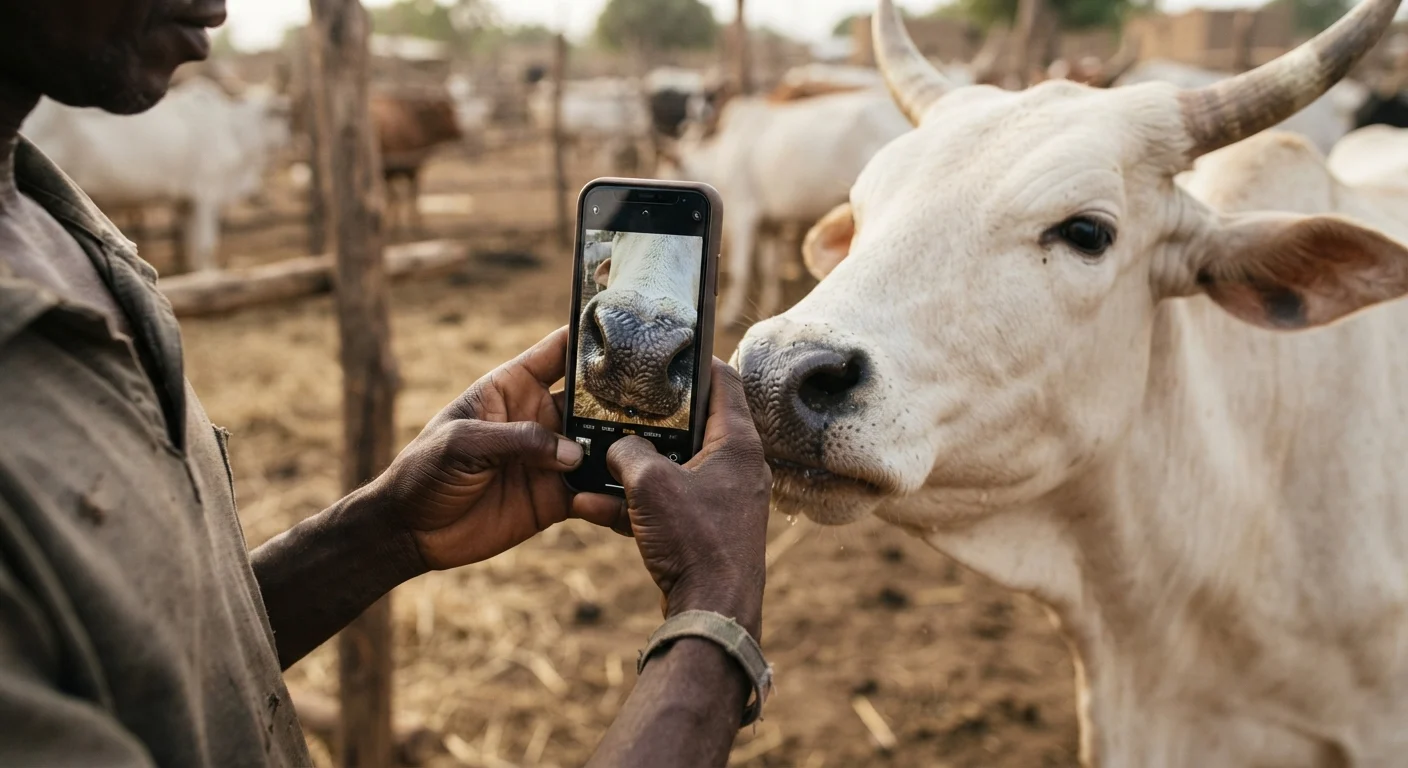
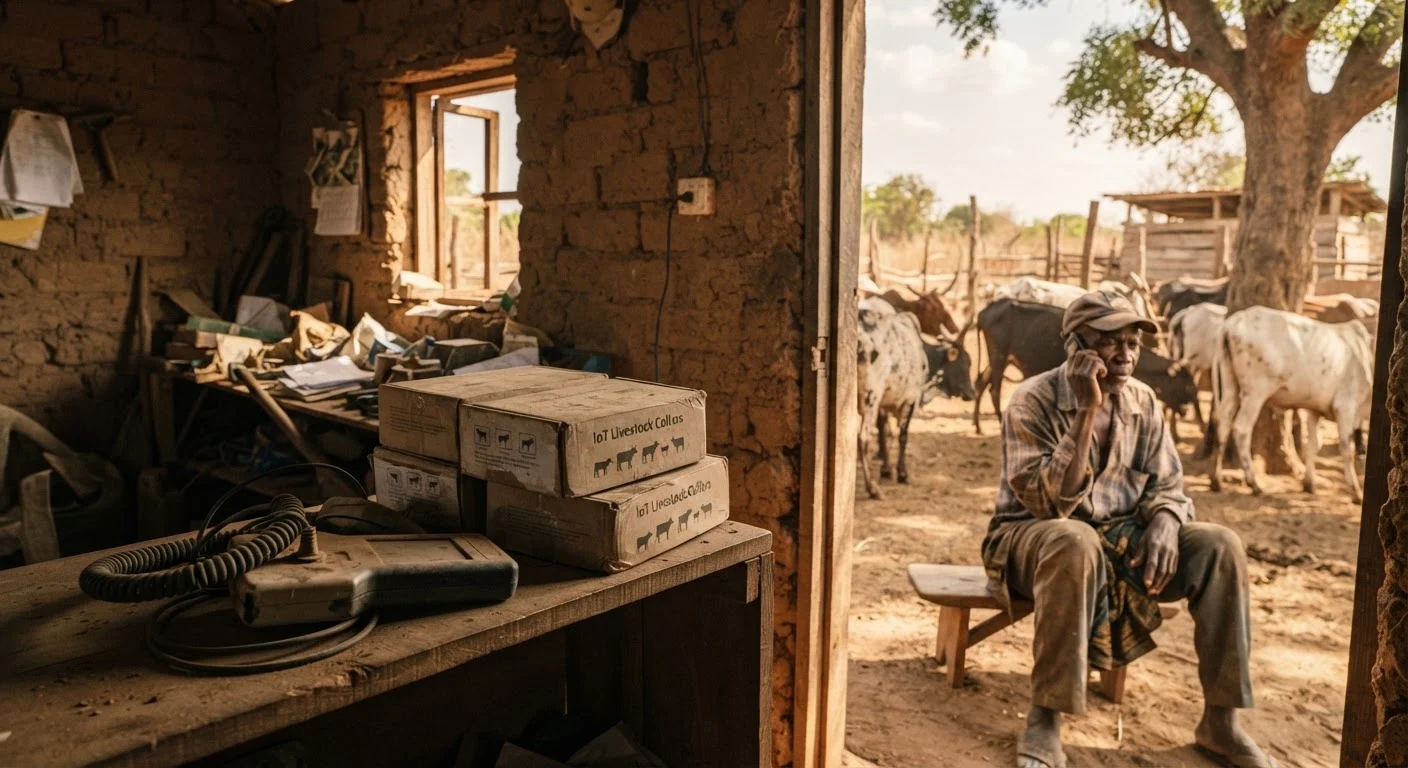
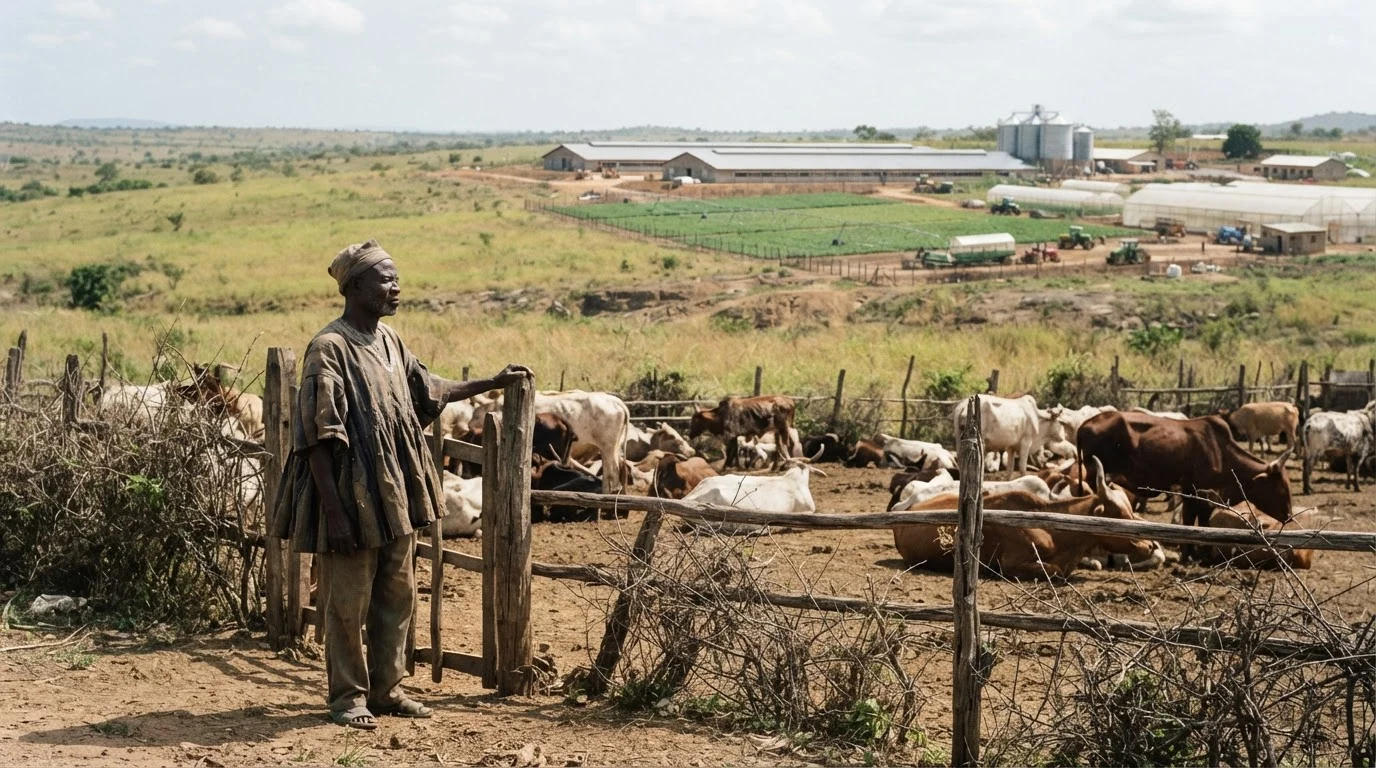
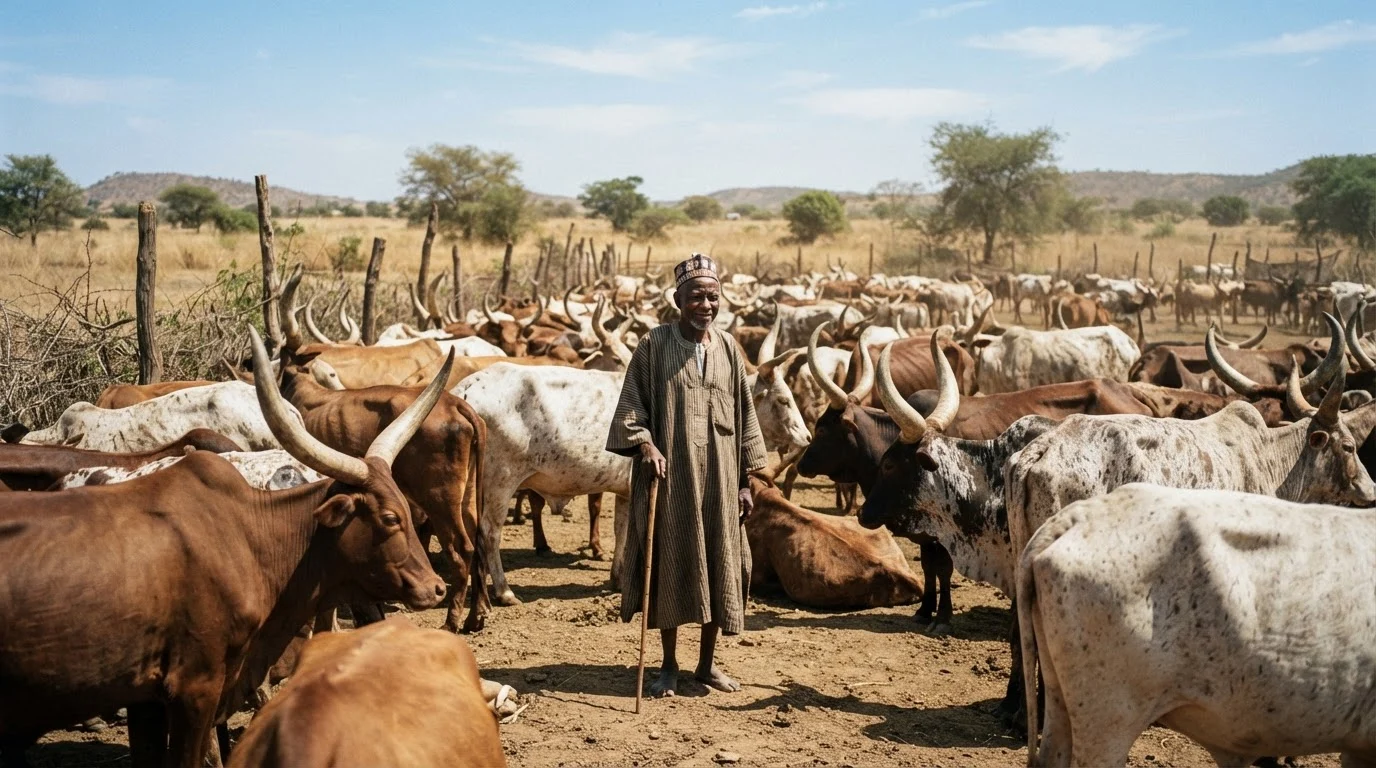
If you are thinking of entering beef, start with a service before you buy cattle, which is the most expensive, slowest and most disease-exposed thing you can do. Start with a service around the animal: become a Cowtribe-style agrovet agent delivering vaccines by phone, or aggregate and verify stock for finishers and butchers, or recover and cure hides at an abattoir. The mistake first-timers make is equating entering the sector with owning the herd, when the money and the learning are in the services beside it. The asset-light entry, a phone, a vaccine box, a price feed and a muzzle-print app, costs little and teaches you the trade, the market and the people. What you walk away with is a skill, a network and a proof of concept you can climb the ladder on.
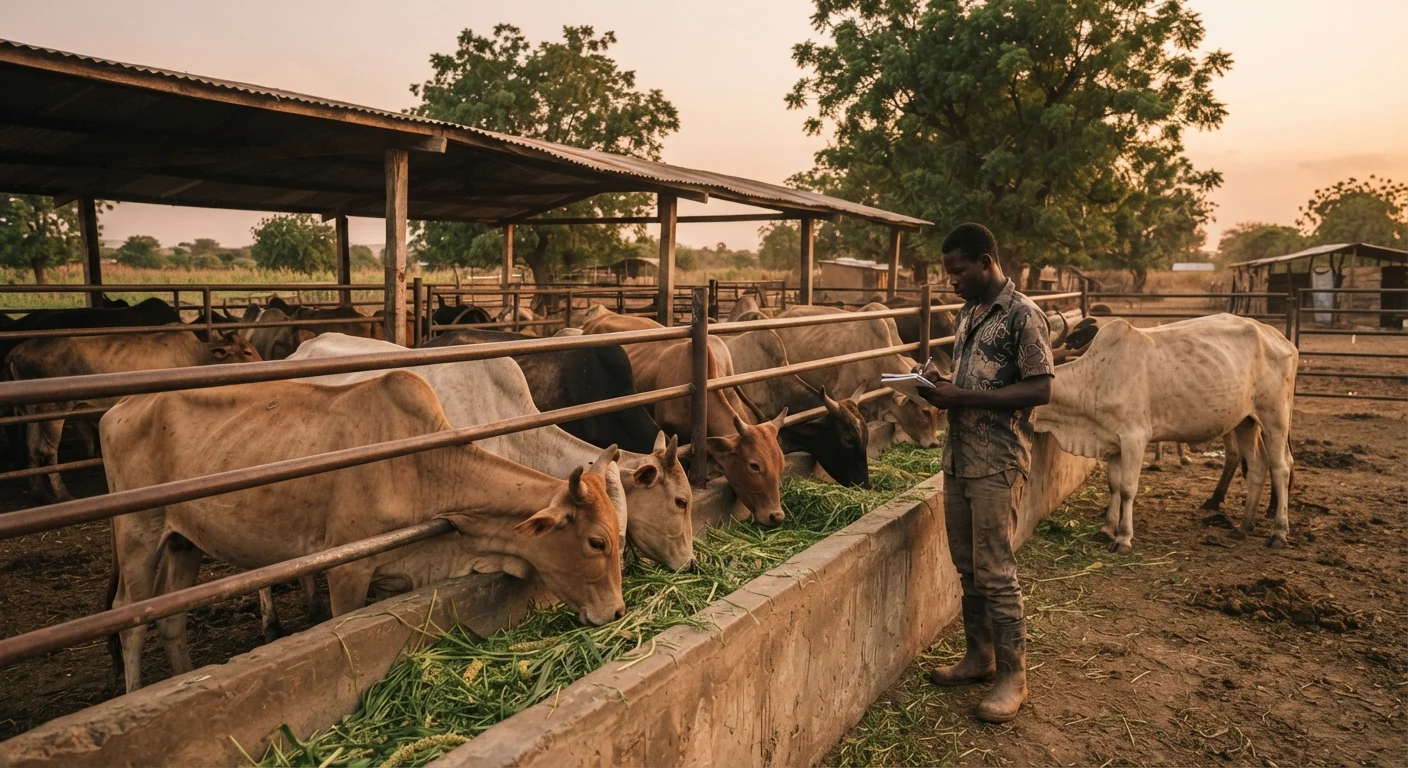
First move: pick one rung on the entry ladder and prove it before you spend on the next. If you have small capital, run a mobile vaccine-and-advisory service or a verified-aggregation desk; if you have working capital and feed access, finish 10 to 30 lean northern animals into a festive selling window. Before you spend, secure the two things the sector punishes you for missing: verified supply, animals of known origin and health, and a buyer, so you are not holding stock into a falling price. The trap is buying cattle of unknown origin on price alone, which funds rustling, imports disease and can be illegal all at once. Keep origin records for every animal from day one, pilot muzzle-print identity where you can, and use the ten-year cattle tax concession and a GIRSAL guarantee when you climb to feedlot scale.
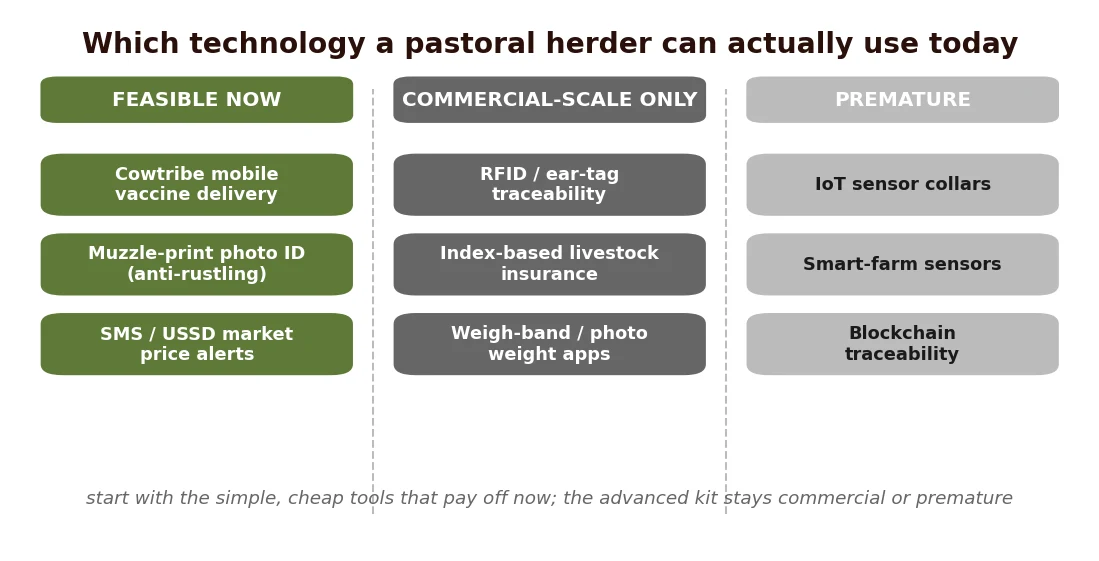
The thesis: the bankable returns in beef are in the services and the finishing node around the animal, because the herd is a slow, low-offtake, disease-exposed asset. Three diligence asks specific to this sector: where does the venture's finished stock come from and is its origin verifiable, does it hold a signed offtake buyer before it holds inventory, and has it sized the disease and rustling exposure of its sourcing route rather than assumed it away. Structure the cheque to release against milestones, a recorded service margin, then a signed buyer, then working capital for stock, rather than as a lump into a herd. Underwrite the exchange rate as a competitor and ask for the venture's own weighed and costed finishing records, and treat any plan that leads with RFID, IoT or blockchain in a pastoral context as a red flag.
The lever is to back the feasible-now digital rails and the verified-sourcing layer. Fund the scale-up of mobile vaccine delivery and a pilot of phone-camera muzzle-print identity, and tie public support to origin verification, because these attack disease mortality and rustling at once, the two constraints that cap the whole sector. The measurable outcomes are herd losses to disease falling from a median of about 10 percent a year, the share of slaughter that is origin-verified rising, and the offtake rate climbing above 11 percent. The failure to avoid is spending public money on RFID or IoT pilots that a pastoral system cannot sustain, or on hardware that sits idle when the grant ends. Public money here should crowd in the private service entrants of Part A, by de-risking the identity and animal-health layer they build on.
If you are thinking of entering beef, start with a service before you buy cattle, which is the most expensive, slowest and most disease-exposed thing you can do. Start with a service around the animal: become a Cowtribe-style agrovet agent delivering vaccines by phone, or aggregate and verify stock for finishers and butchers, or recover and cure hides at an abattoir. The mistake first-timers make is equating entering the sector with owning the herd, when the money and the learning are in the services beside it. The asset-light entry, a phone, a vaccine box, a price feed and a muzzle-print app, costs little and teaches you the trade, the market and the people. What you walk away with is a skill, a network and a proof of concept you can climb the ladder on.
First move: pick one rung on the entry ladder and prove it before you spend on the next. If you have small capital, run a mobile vaccine-and-advisory service or a verified-aggregation desk; if you have working capital and feed access, finish 10 to 30 lean northern animals into a festive selling window. Before you spend, secure the two things the sector punishes you for missing: verified supply, animals of known origin and health, and a buyer, so you are not holding stock into a falling price. The trap is buying cattle of unknown origin on price alone, which funds rustling, imports disease and can be illegal all at once. Keep origin records for every animal from day one, pilot muzzle-print identity where you can, and use the ten-year cattle tax concession and a GIRSAL guarantee when you climb to feedlot scale.
The thesis: the bankable returns in beef are in the services and the finishing node around the animal, because the herd is a slow, low-offtake, disease-exposed asset. Three diligence asks specific to this sector: where does the venture's finished stock come from and is its origin verifiable, does it hold a signed offtake buyer before it holds inventory, and has it sized the disease and rustling exposure of its sourcing route rather than assumed it away. Structure the cheque to release against milestones, a recorded service margin, then a signed buyer, then working capital for stock, rather than as a lump into a herd. Underwrite the exchange rate as a competitor and ask for the venture's own weighed and costed finishing records, and treat any plan that leads with RFID, IoT or blockchain in a pastoral context as a red flag.
The lever is to back the feasible-now digital rails and the verified-sourcing layer. Fund the scale-up of mobile vaccine delivery and a pilot of phone-camera muzzle-print identity, and tie public support to origin verification, because these attack disease mortality and rustling at once, the two constraints that cap the whole sector. The measurable outcomes are herd losses to disease falling from a median of about 10 percent a year, the share of slaughter that is origin-verified rising, and the offtake rate climbing above 11 percent. The failure to avoid is spending public money on RFID or IoT pilots that a pastoral system cannot sustain, or on hardware that sits idle when the grant ends. Public money here should crowd in the private service entrants of Part A, by de-risking the identity and animal-health layer they build on.