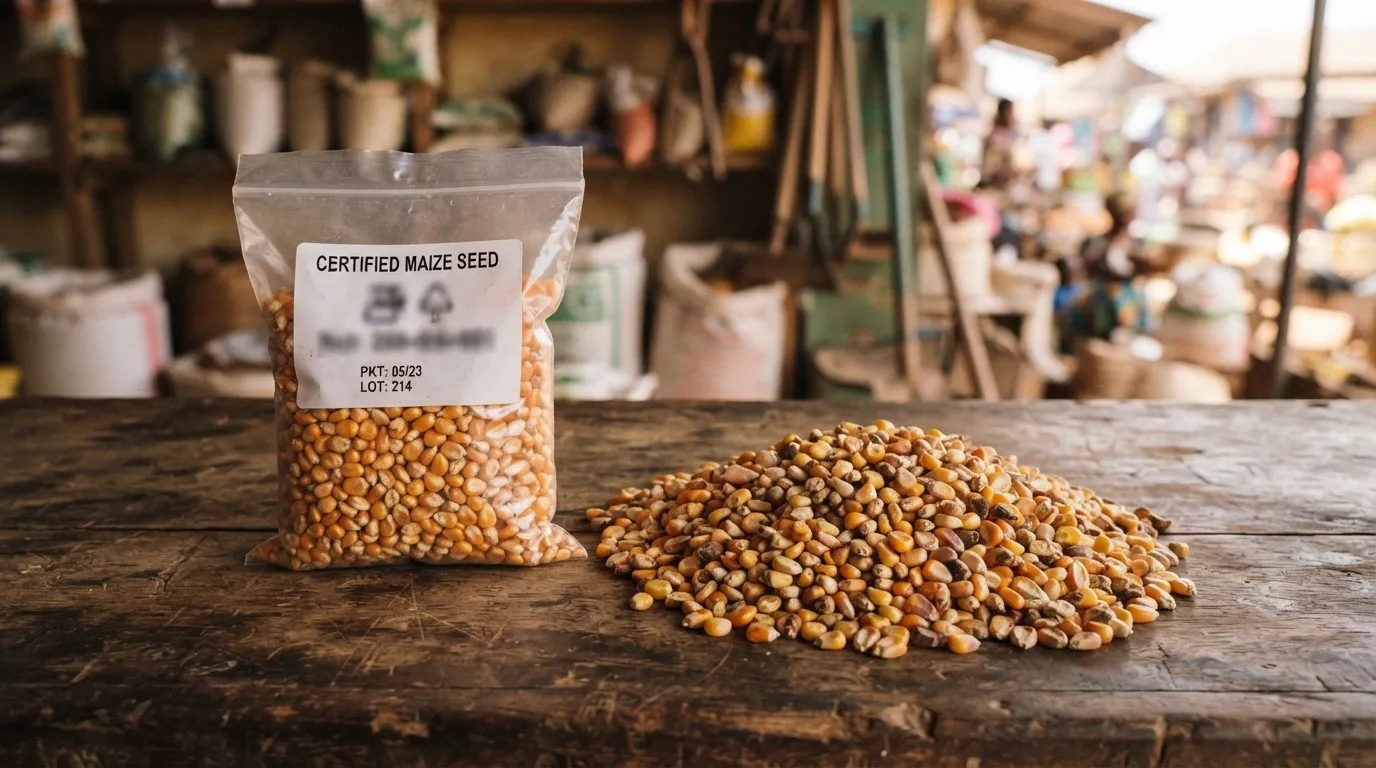
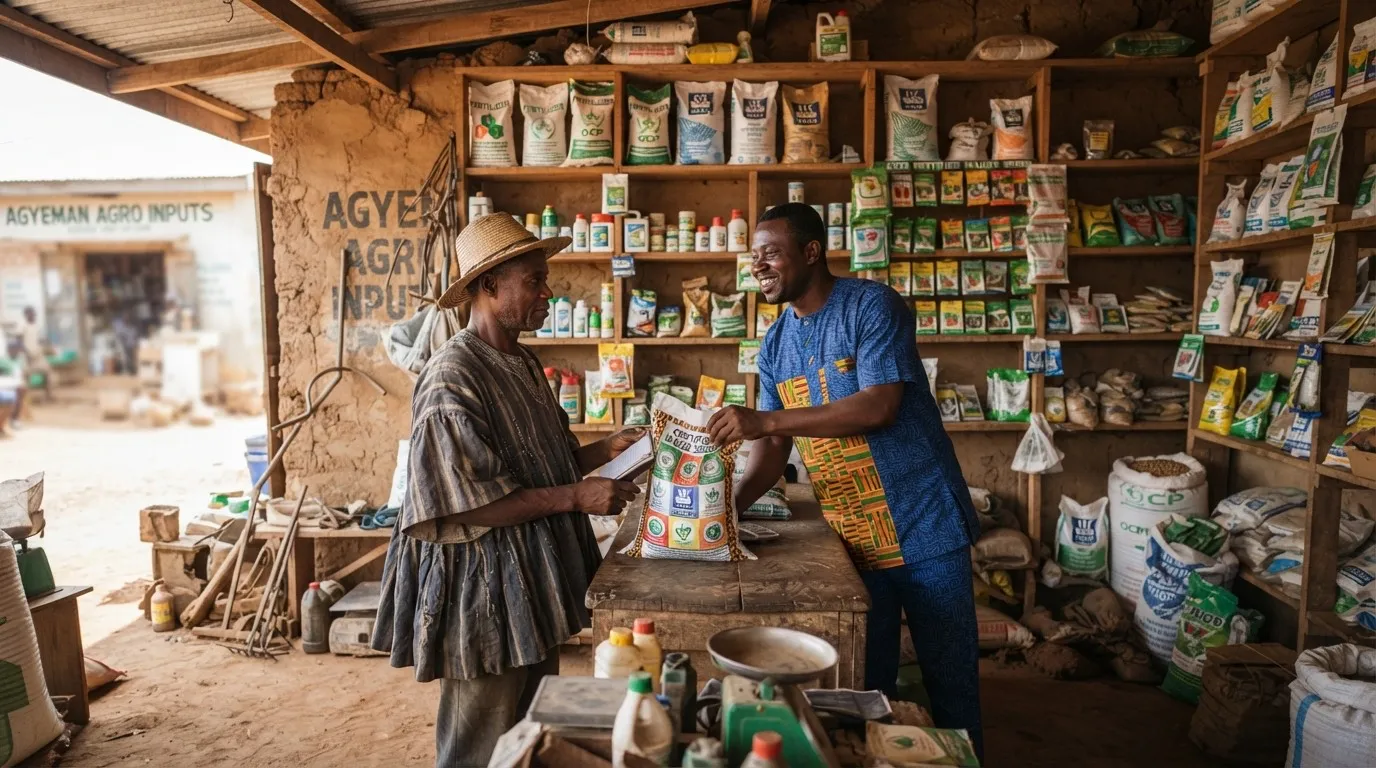
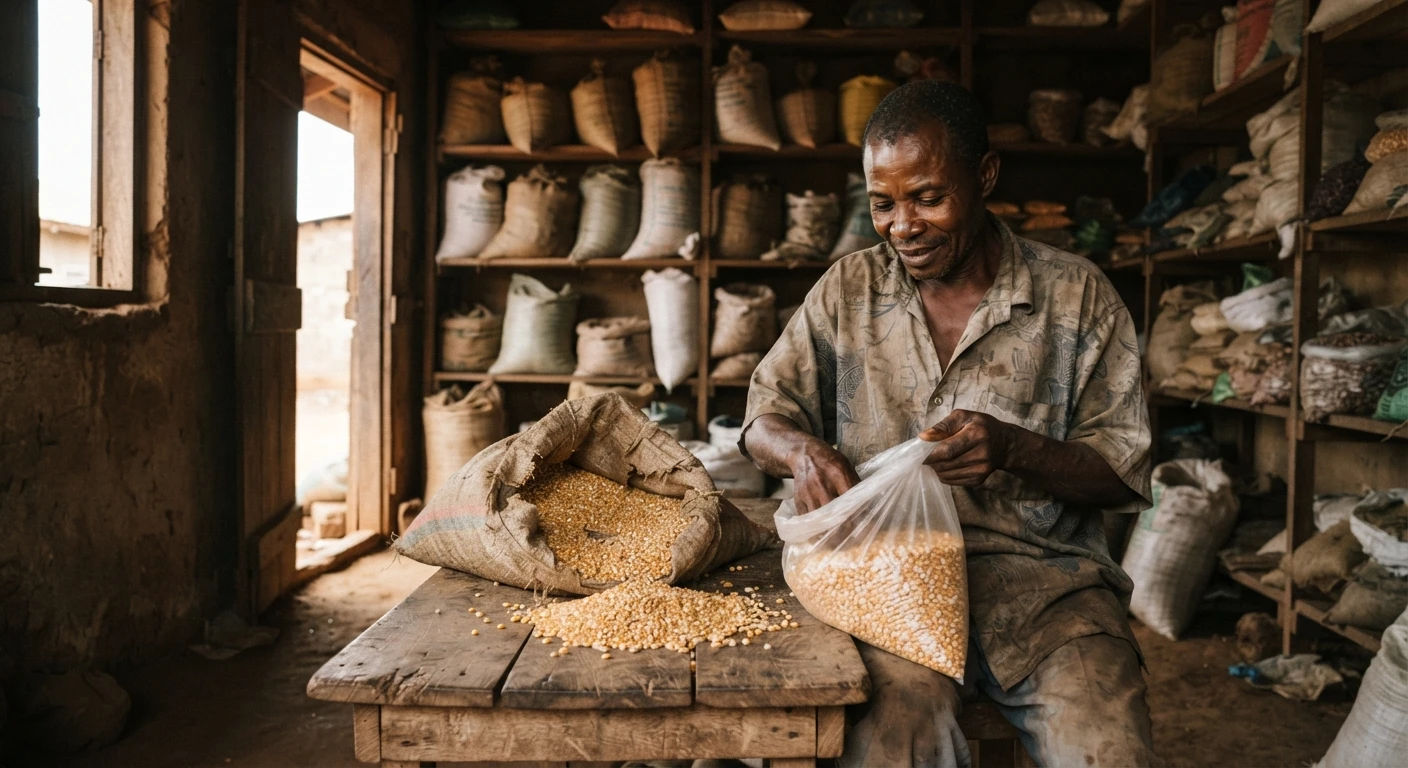
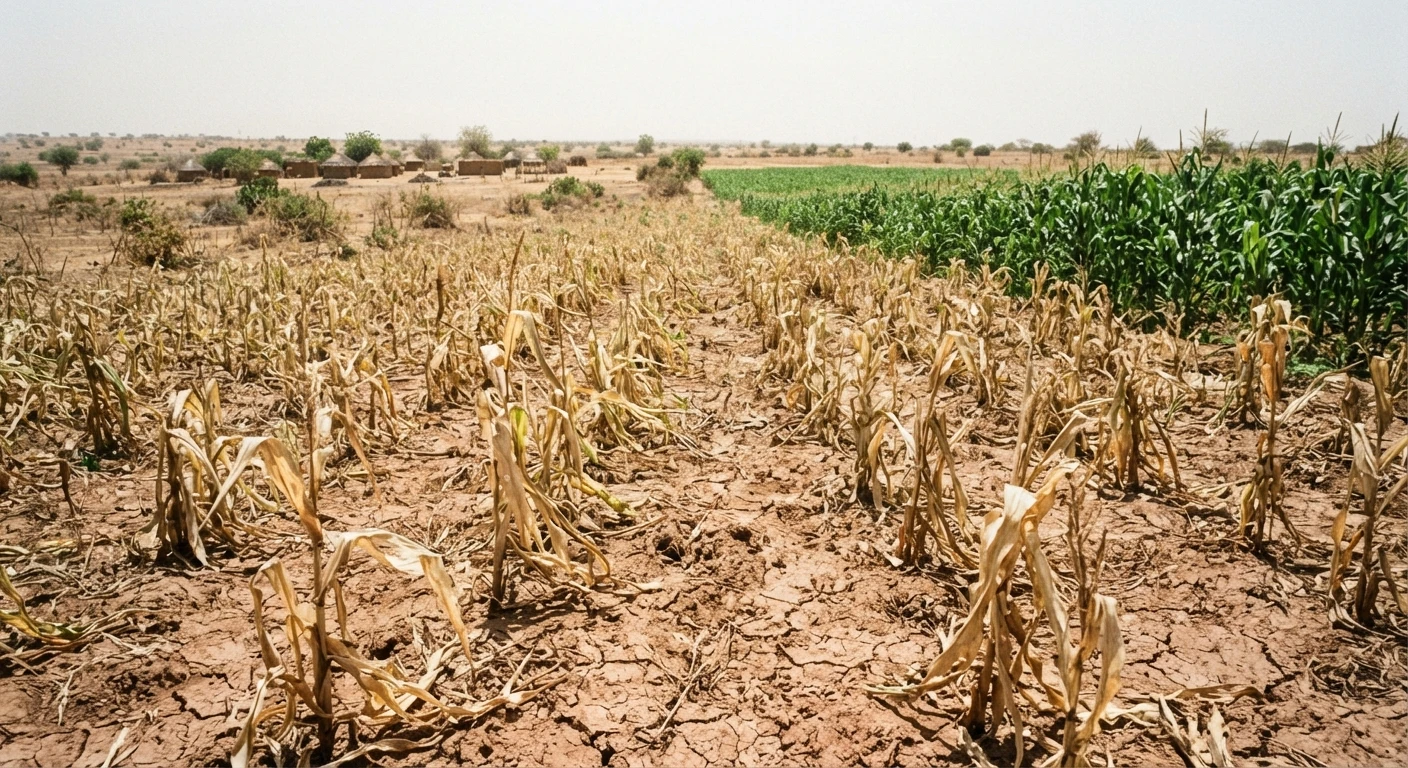
If you are leaving school and thinking about maize, start here: you do not need a farm or land to earn from seed. The fastest ways in are advisory and aggregation of knowledge, not owning acres. Learn to read a variety catalogue, to match a variety to a season and a soil, and to run a germination test, and you can work as a field agent for a seed company, a certified agro-dealer's assistant, or a paid farm adviser. The gap to fill: most farmers cannot tell certified seed from grain, and cannot say which hybrid suits their field. That advice is worth money. The downside to avoid is arriving with theory only; spend a season on real fields first, then sell what you have learned.
Your first move is to pick one link and do it well: become the certified-seed dealer for a district, or run a small out-grower seed-multiplication block, or bundle seed plus fertiliser plus a buyer for a group of farmers. Secure the certified stock and the licence first, then build the customer base. The trap: selling hybrid seed to farmers who cannot afford fertiliser; they will blame the seed and not come back. The incentive to use is the Feed Ghana Programme and the January 2026 seed-price cut, which lower your cost of stock.
The thesis is simple: certified-seed use can more than double from a third of farmers, and policy is pushing it. A seed-multiplication and distribution business, or a branded biofortified-maize product line, rides that. Diligence asks: certification status and germination records, the multiplication-to-sale margin, and a real off-take link. Structure the deal around working capital for certified stock and a distribution network. The risk: adoption rises only as fast as farmer credit and fertiliser access, so pair any seed bet with an input-finance angle.
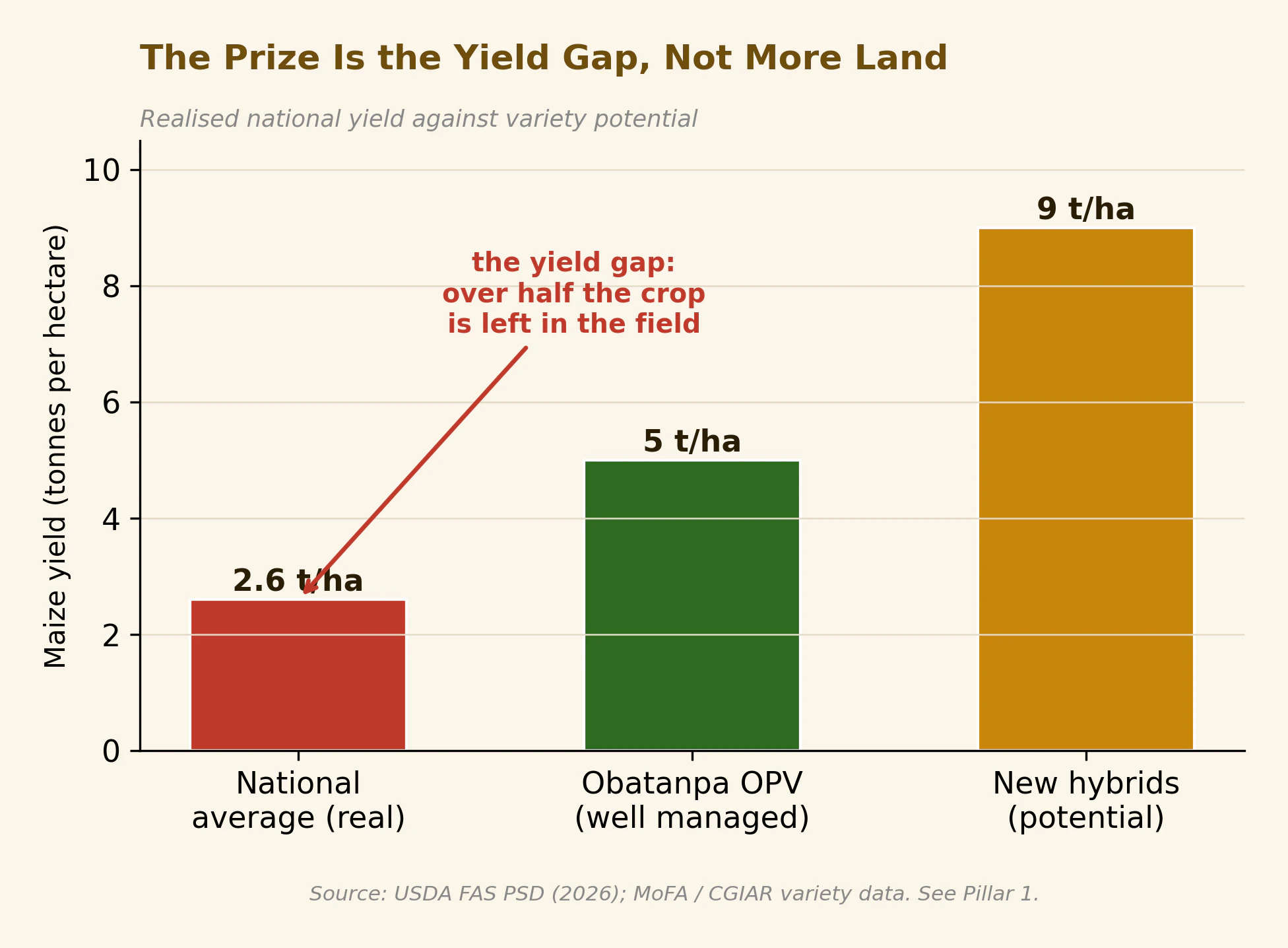
The lever with the highest return is not more breeding, it is adoption. Fund and measure the last mile: certified-seed reach, agro-dealer density and germination-quality checks in the informal market. The measurable outcome is the share of farmers using certified seed rising from about a third toward the majority. The failure to avoid is releasing excellent hybrids that never leave the research station because the distribution and finance rails are missing.
If you are leaving school and thinking about maize, start here: you do not need a farm or land to earn from seed. The fastest ways in are advisory and aggregation of knowledge, not owning acres. Learn to read a variety catalogue, to match a variety to a season and a soil, and to run a germination test, and you can work as a field agent for a seed company, a certified agro-dealer's assistant, or a paid farm adviser. The gap to fill: most farmers cannot tell certified seed from grain, and cannot say which hybrid suits their field. That advice is worth money. The downside to avoid is arriving with theory only; spend a season on real fields first, then sell what you have learned.
Your first move is to pick one link and do it well: become the certified-seed dealer for a district, or run a small out-grower seed-multiplication block, or bundle seed plus fertiliser plus a buyer for a group of farmers. Secure the certified stock and the licence first, then build the customer base. The trap: selling hybrid seed to farmers who cannot afford fertiliser; they will blame the seed and not come back. The incentive to use is the Feed Ghana Programme and the January 2026 seed-price cut, which lower your cost of stock.
The thesis is simple: certified-seed use can more than double from a third of farmers, and policy is pushing it. A seed-multiplication and distribution business, or a branded biofortified-maize product line, rides that. Diligence asks: certification status and germination records, the multiplication-to-sale margin, and a real off-take link. Structure the deal around working capital for certified stock and a distribution network. The risk: adoption rises only as fast as farmer credit and fertiliser access, so pair any seed bet with an input-finance angle.
The lever with the highest return is not more breeding, it is adoption. Fund and measure the last mile: certified-seed reach, agro-dealer density and germination-quality checks in the informal market. The measurable outcome is the share of farmers using certified seed rising from about a third toward the majority. The failure to avoid is releasing excellent hybrids that never leave the research station because the distribution and finance rails are missing.