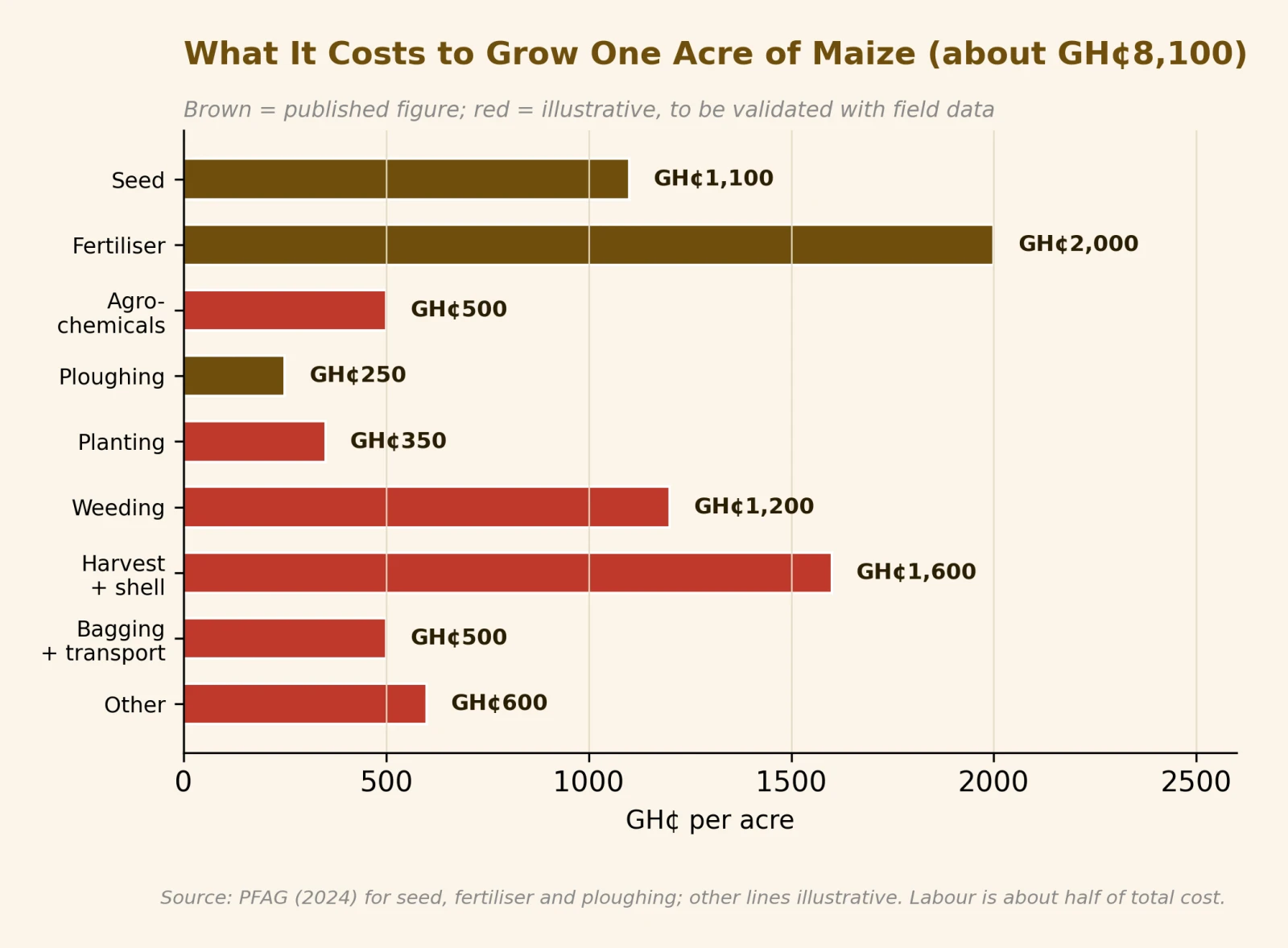
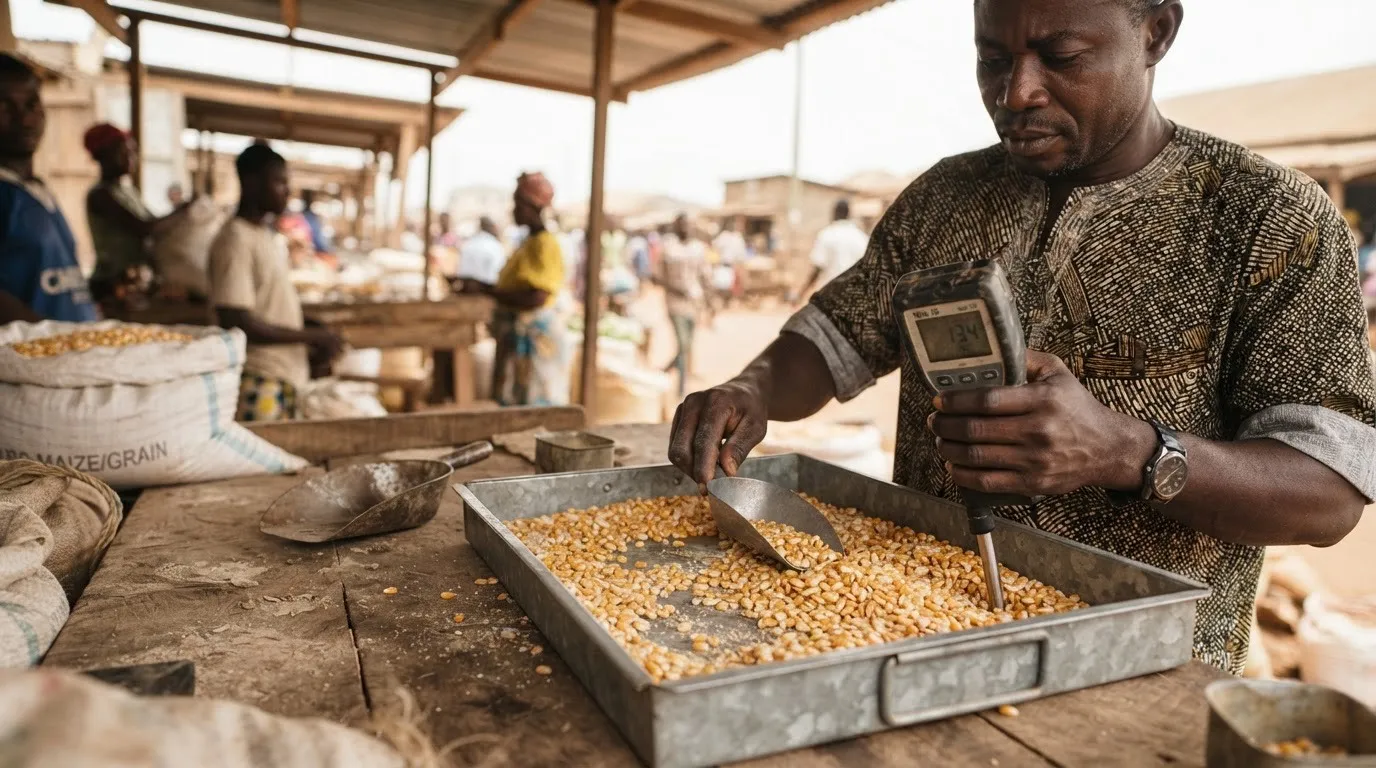
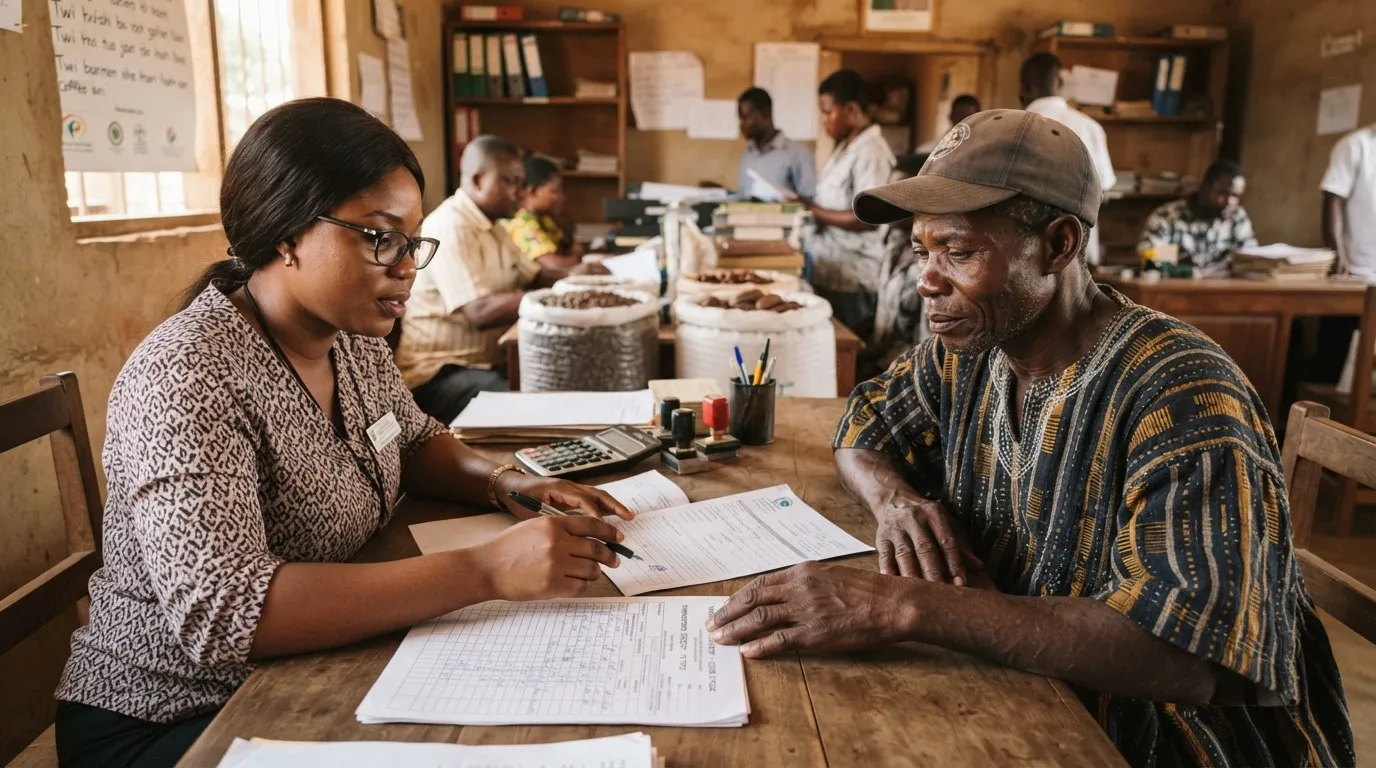
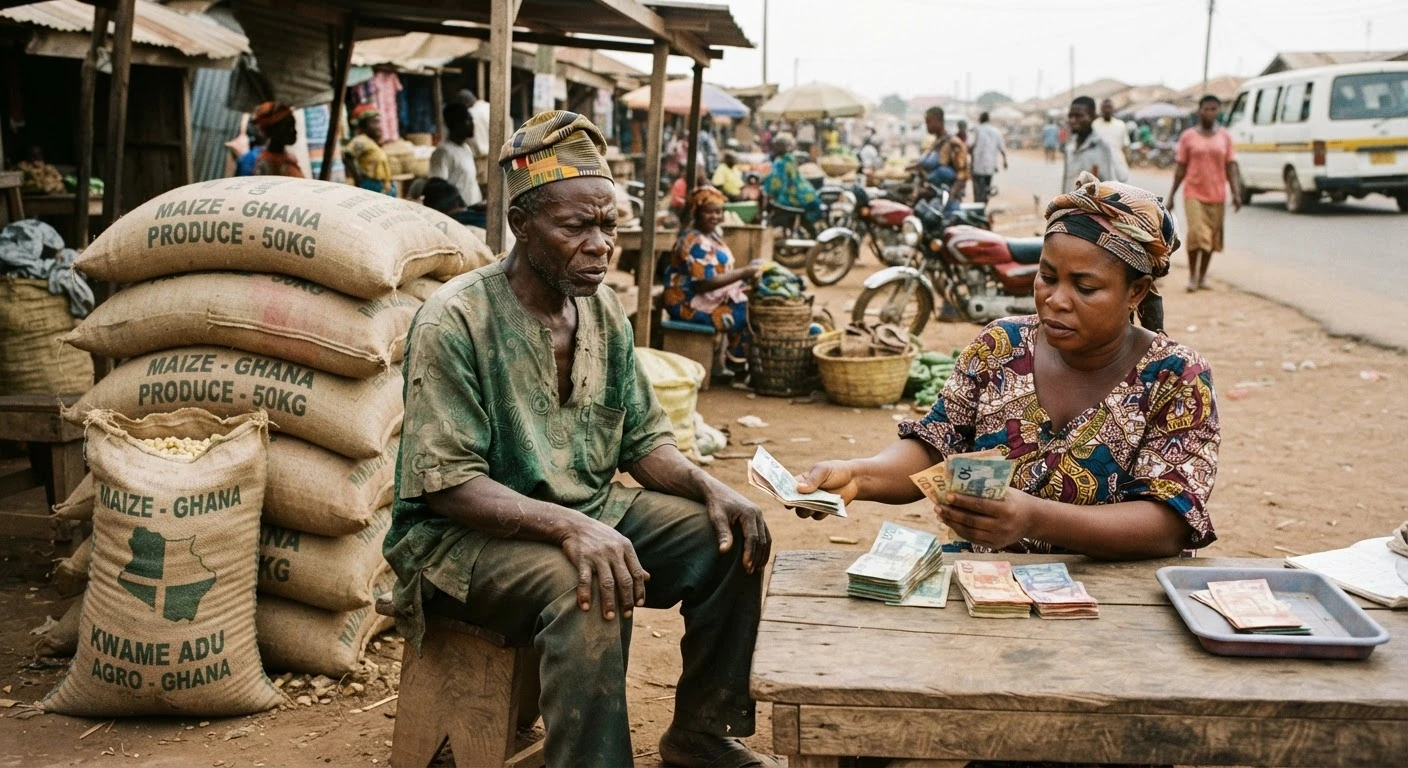
This pillar teaches the most important business skill in farming: knowing your numbers. If you are entering maize, learn to build a real cost-and-returns sheet for a specific farm, because the published ones are partial. A graduate who can sit with a farmer, capture the true cost, yield and price, and show where the money leaks is immediately useful to farmers, aggregators, lenders and this very project. The gap to fill: few people hold current, real farm budgets, which is why so much money is invested on guesswork. The downside to avoid is planning on indicative numbers without checking them in the field first.
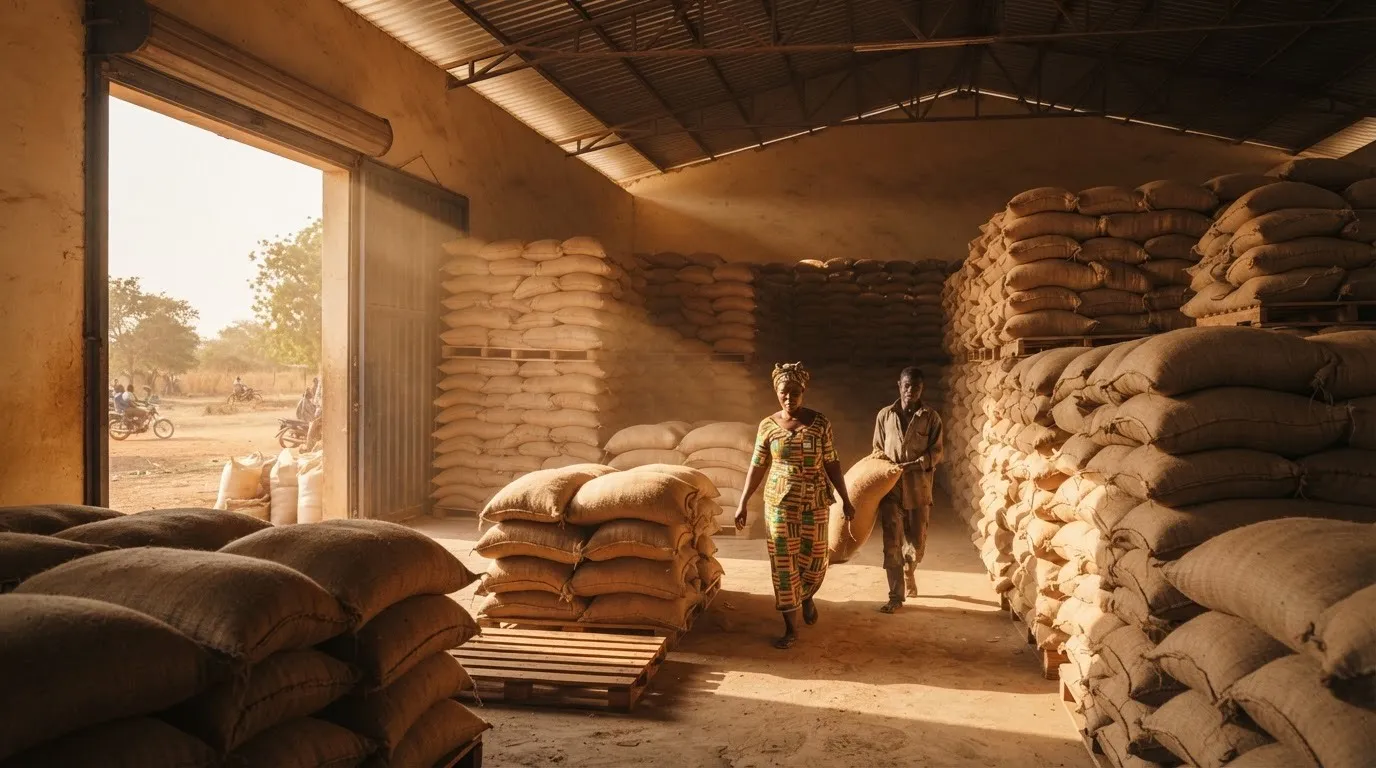
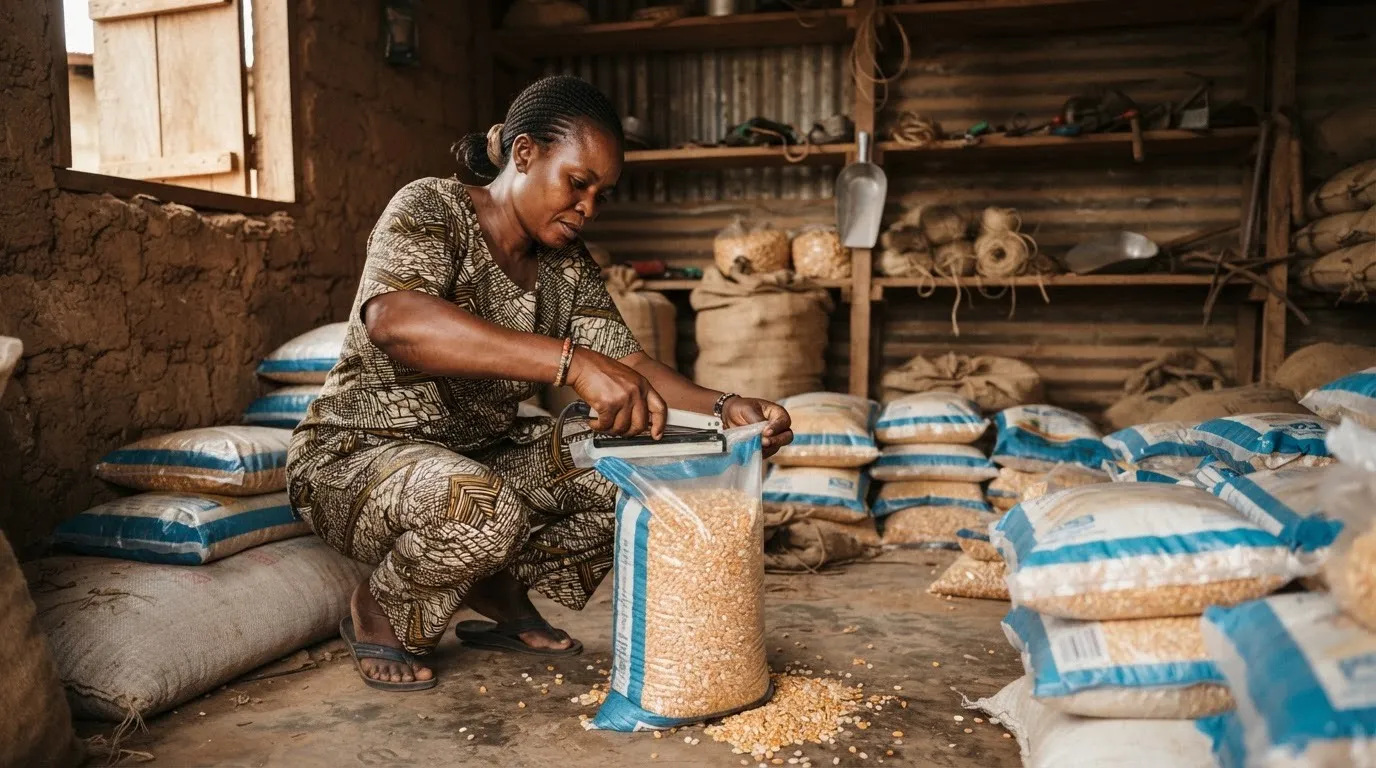
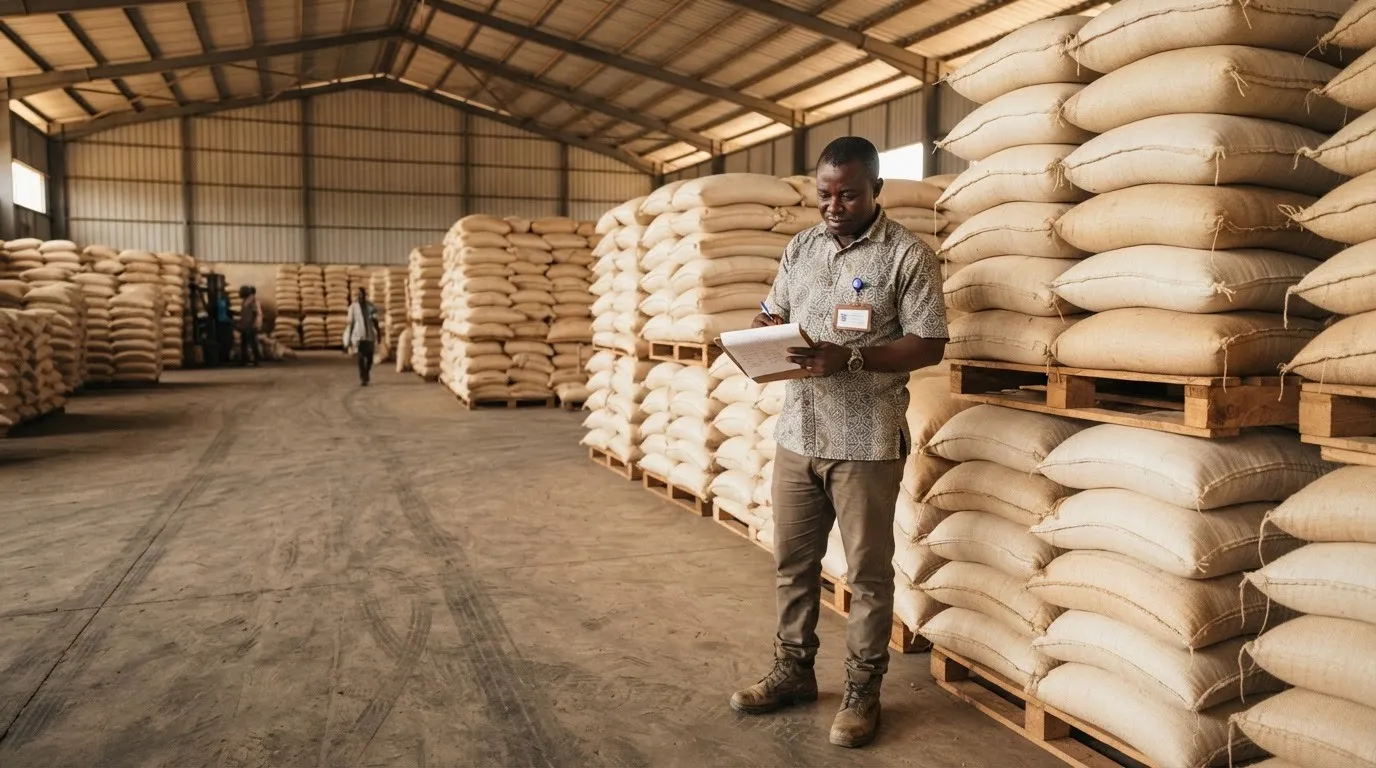
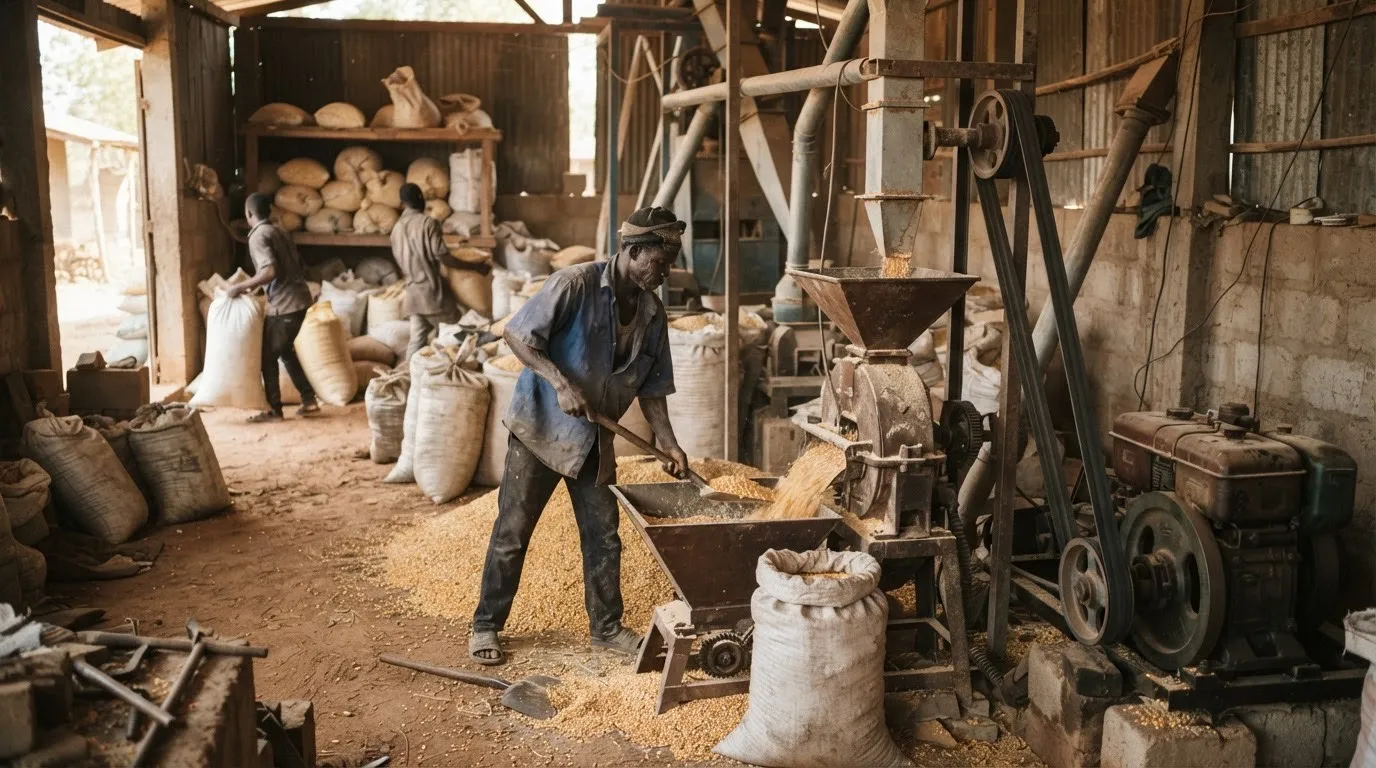
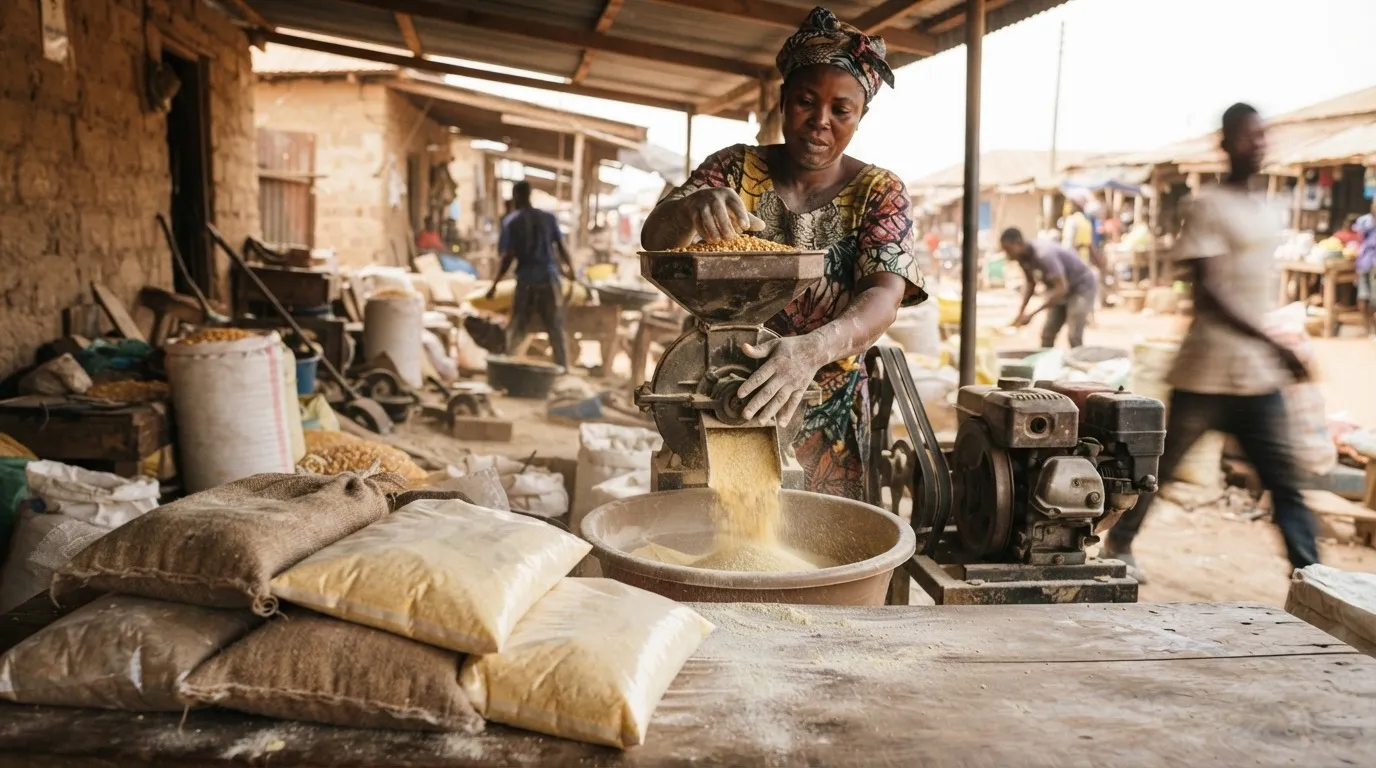
First move: do not enter maize as a plain grower at the average yield and price, because that loses money in 2026. Pick the profitable end instead, either produce high yields with good seed and timing and a secured buyer, or move downstream into storage, aggregation or processing where the cheap grain is a bargain. Secure the buyer or the off-take before you plant. The trap: borrowing to grow more maize at the average yield and selling into the harvest glut. The tailwind is the cheap 2026 grain, which favours anyone who can store or process it.
The thesis: at current prices the farm-gate is a poor bet but the downstream, storage, feed and processing, is a strong one, because the same glut that hurts the grower cheapens the processor's input. Diligence asks: the cost, yield and price data behind the plan, a clear lever (yield, timing or processing margin), and a secured off-take. The risk: price volatility, so favour ventures with storage, fixed-price off-take or a processing margin that survives a grain glut.
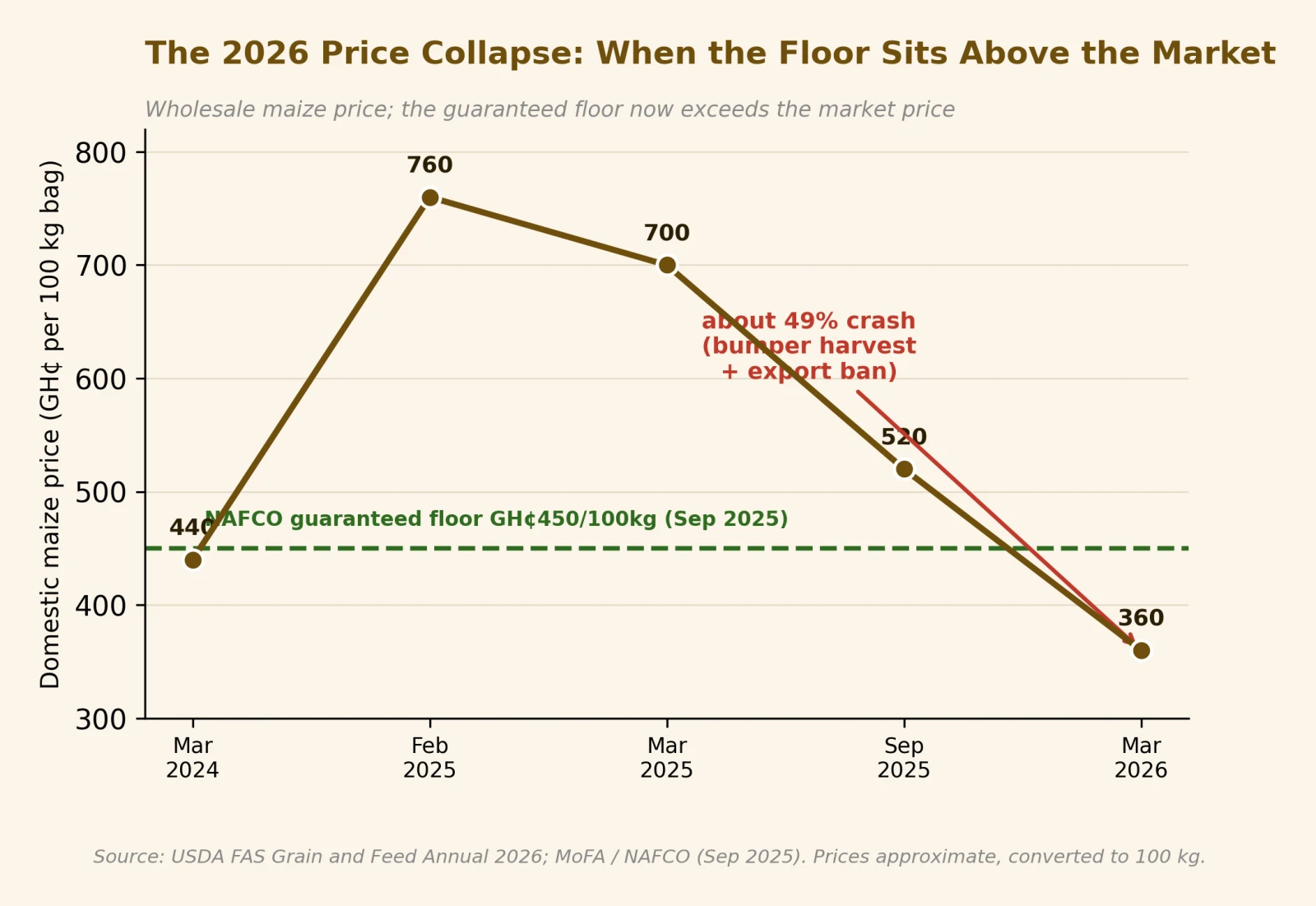
The lever: the highest-return move is de-risking the price for farmers so that closing the yield gap actually pays. Fund storage and warehouse receipts, make the guaranteed floor credible by funding the buffer-stock purchases, and support crop insurance. The measurable outcome is the share of farmers selling above break-even rising, and average yield climbing toward 4 tonnes a hectare. The failure to avoid is announcing a guaranteed floor price without the money to buy at it, which the 2026 buffer-stock funding shortfall shows leaves most farmers selling below the promised price.
This pillar teaches the most important business skill in farming: knowing your numbers. If you are entering maize, learn to build a real cost-and-returns sheet for a specific farm, because the published ones are partial. A graduate who can sit with a farmer, capture the true cost, yield and price, and show where the money leaks is immediately useful to farmers, aggregators, lenders and this very project. The gap to fill: few people hold current, real farm budgets, which is why so much money is invested on guesswork. The downside to avoid is planning on indicative numbers without checking them in the field first.
First move: do not enter maize as a plain grower at the average yield and price, because that loses money in 2026. Pick the profitable end instead, either produce high yields with good seed and timing and a secured buyer, or move downstream into storage, aggregation or processing where the cheap grain is a bargain. Secure the buyer or the off-take before you plant. The trap: borrowing to grow more maize at the average yield and selling into the harvest glut. The tailwind is the cheap 2026 grain, which favours anyone who can store or process it.
The thesis: at current prices the farm-gate is a poor bet but the downstream, storage, feed and processing, is a strong one, because the same glut that hurts the grower cheapens the processor's input. Diligence asks: the cost, yield and price data behind the plan, a clear lever (yield, timing or processing margin), and a secured off-take. The risk: price volatility, so favour ventures with storage, fixed-price off-take or a processing margin that survives a grain glut.
The lever: the highest-return move is de-risking the price for farmers so that closing the yield gap actually pays. Fund storage and warehouse receipts, make the guaranteed floor credible by funding the buffer-stock purchases, and support crop insurance. The measurable outcome is the share of farmers selling above break-even rising, and average yield climbing toward 4 tonnes a hectare. The failure to avoid is announcing a guaranteed floor price without the money to buy at it, which the 2026 buffer-stock funding shortfall shows leaves most farmers selling below the promised price.