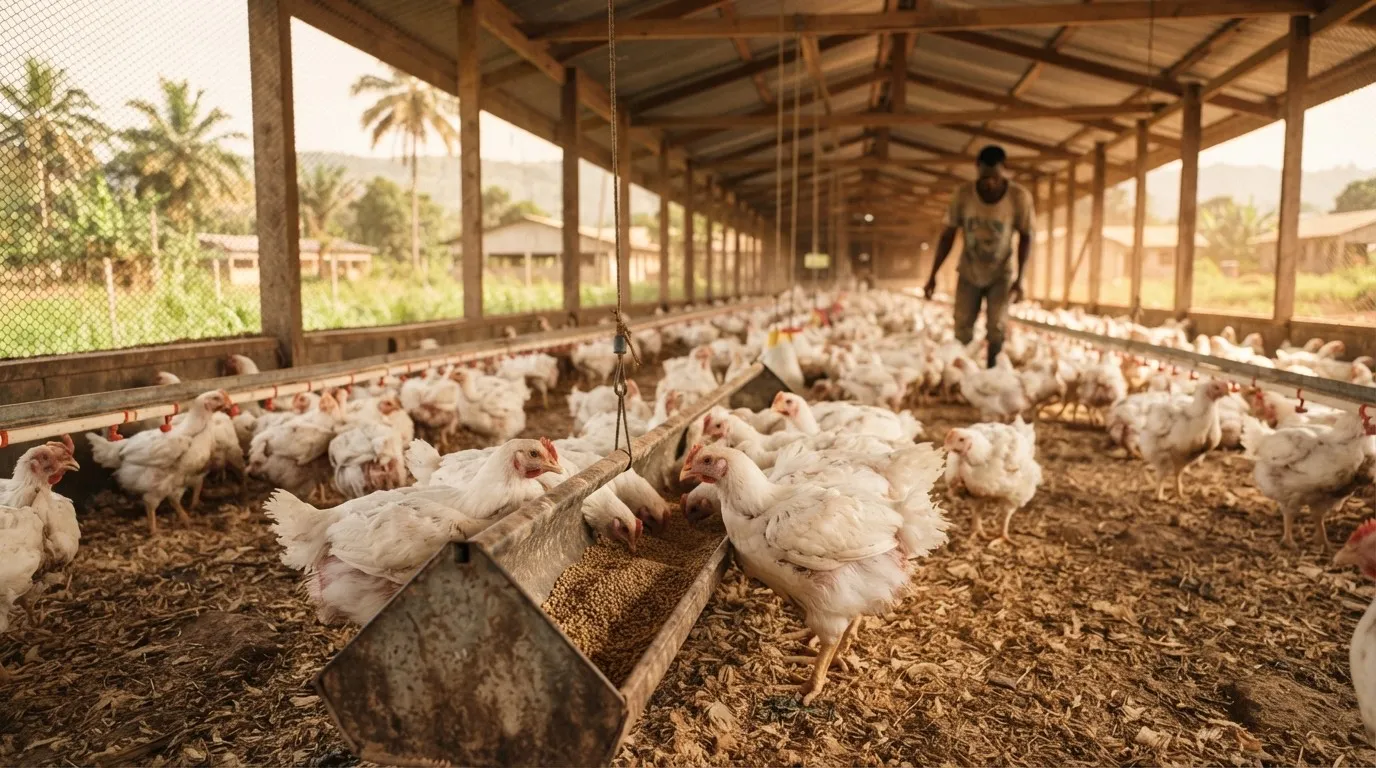
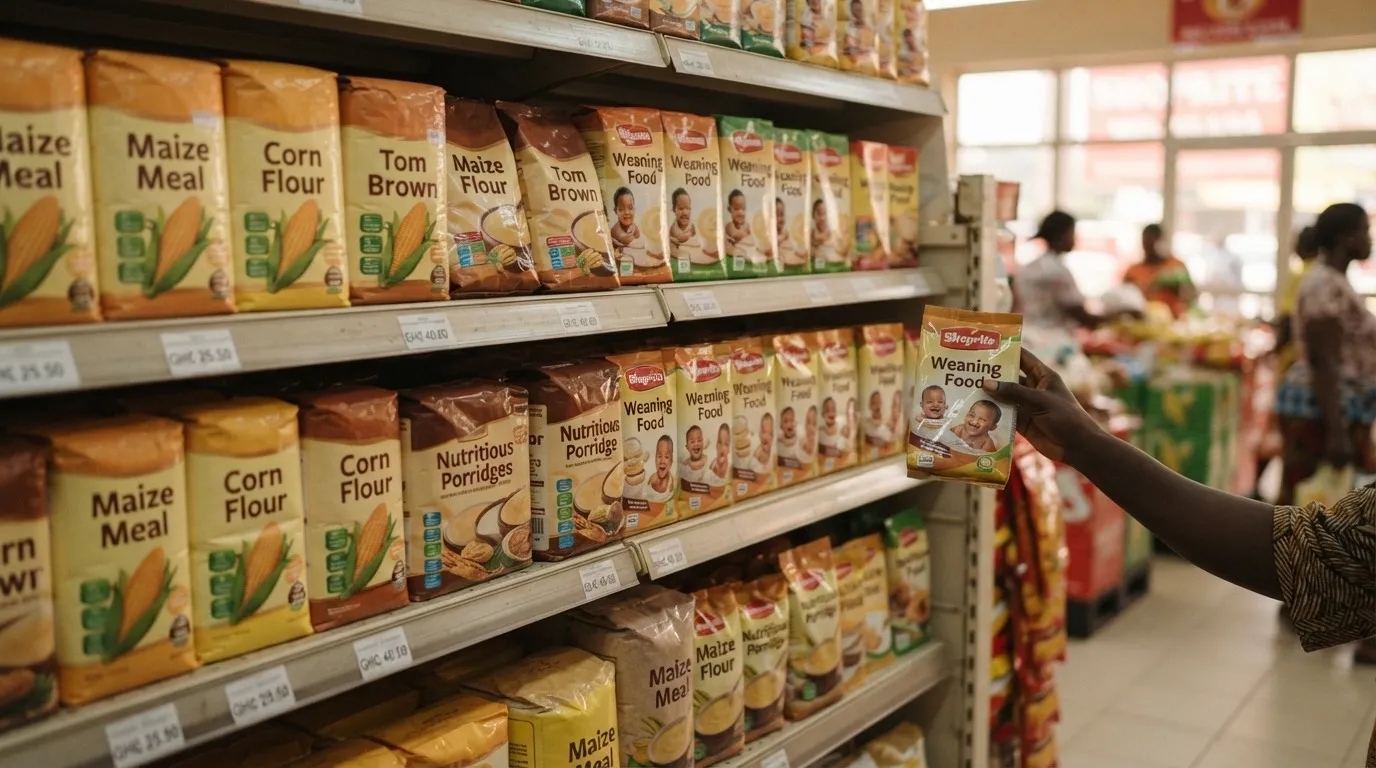
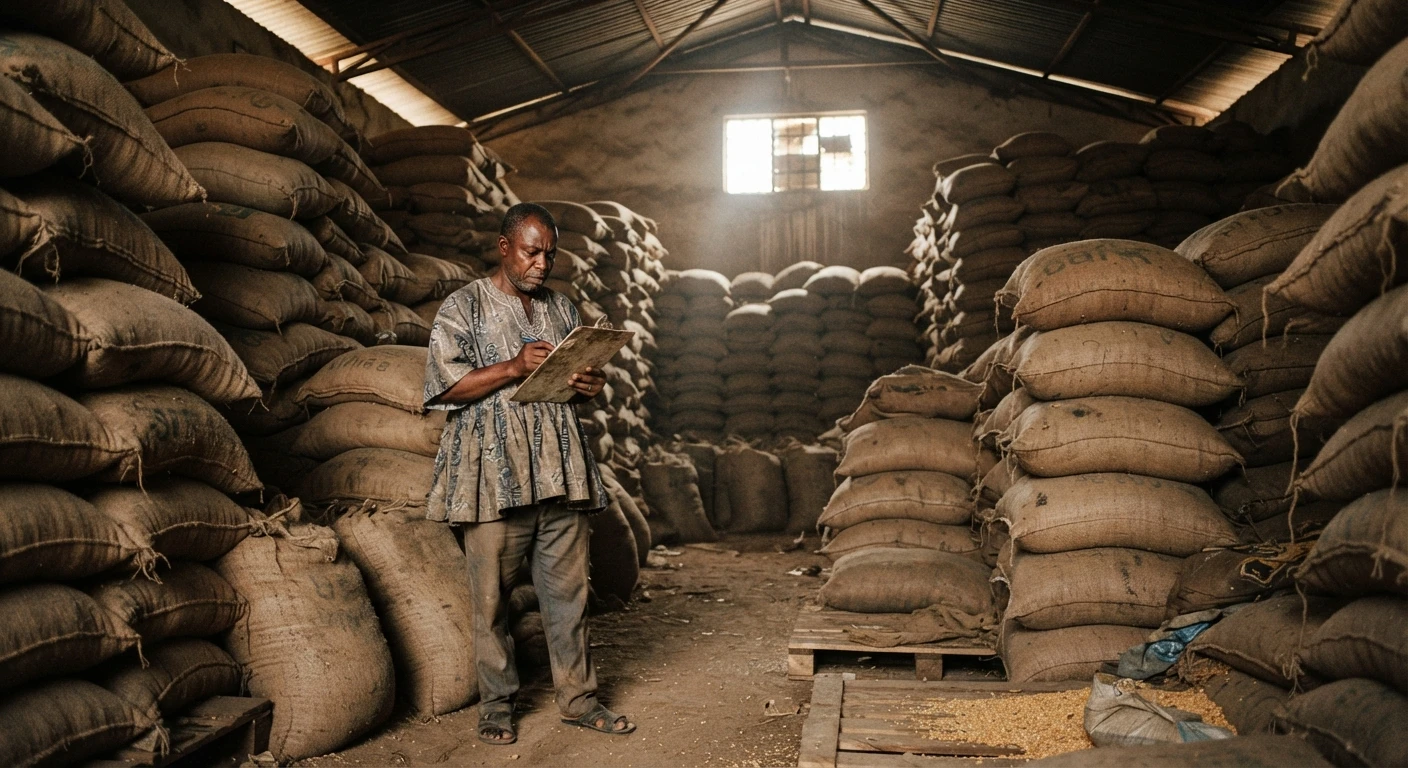
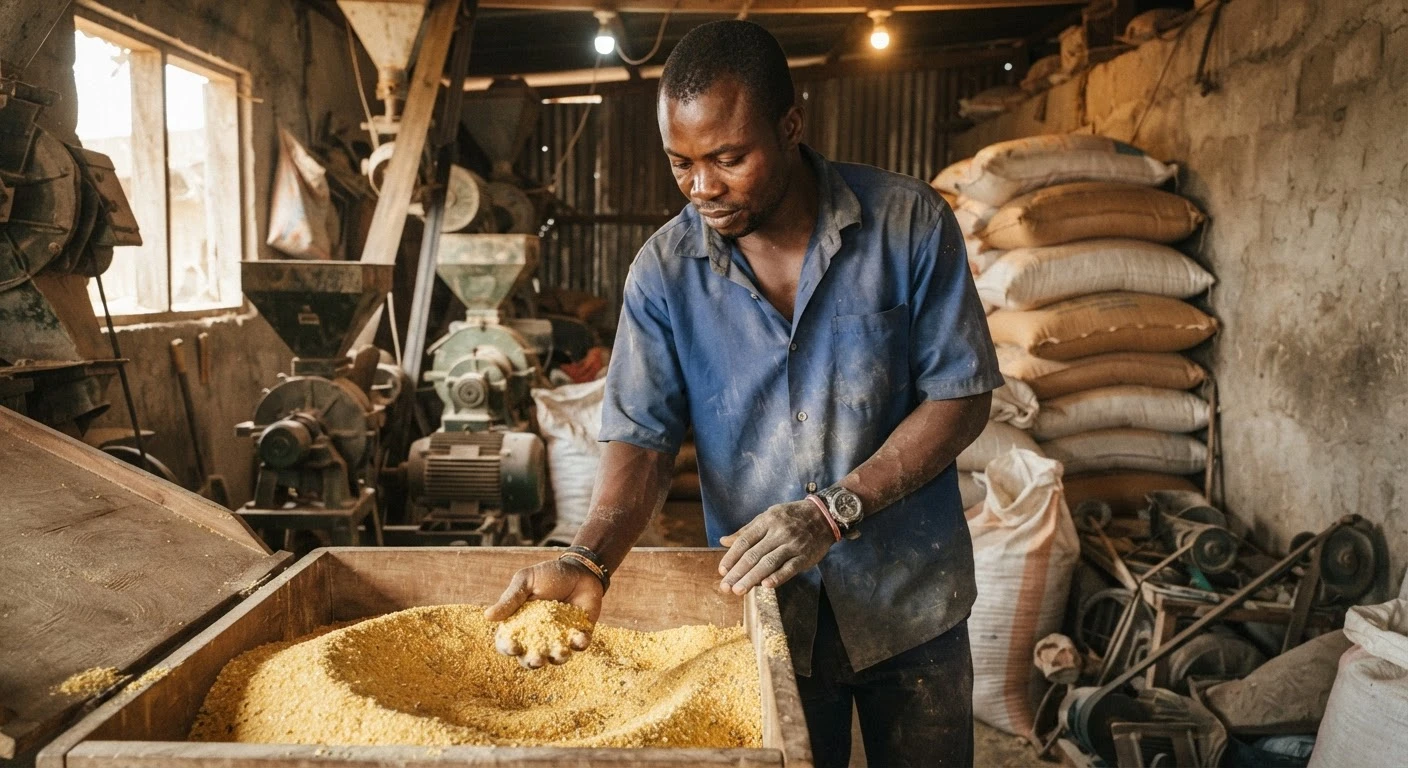
Learn to think like a buyer, not just a grower. If you are entering maize after school, the quickest paid role is to connect graded grain to the buyers who pay best: feed mills, processors and institutions. Learn what a feed mill tests for, moisture, aflatoxin and foreign matter, and you can broker, quality-check or coordinate supply without owning a farm. The gap to fill: most smallholders sell to whoever turns up and never reach the feed mill that would pay more. Being the person who bridges that gap is a job and a business. The downside to avoid is promising a mill volume you cannot keep clean and dry.
Pick the paying buyer and build backwards. Your first move is to secure a relationship with one feed mill, processor or institution, then organise the drying, grading and steady supply to serve it. Secure the off-take first, then the volume. The trap: chasing the food market because it is familiar, and competing on price with everyone else. The incentive to use is the import-substitution push and the Feed Ghana poultry drive, which are creating feed demand on purpose.
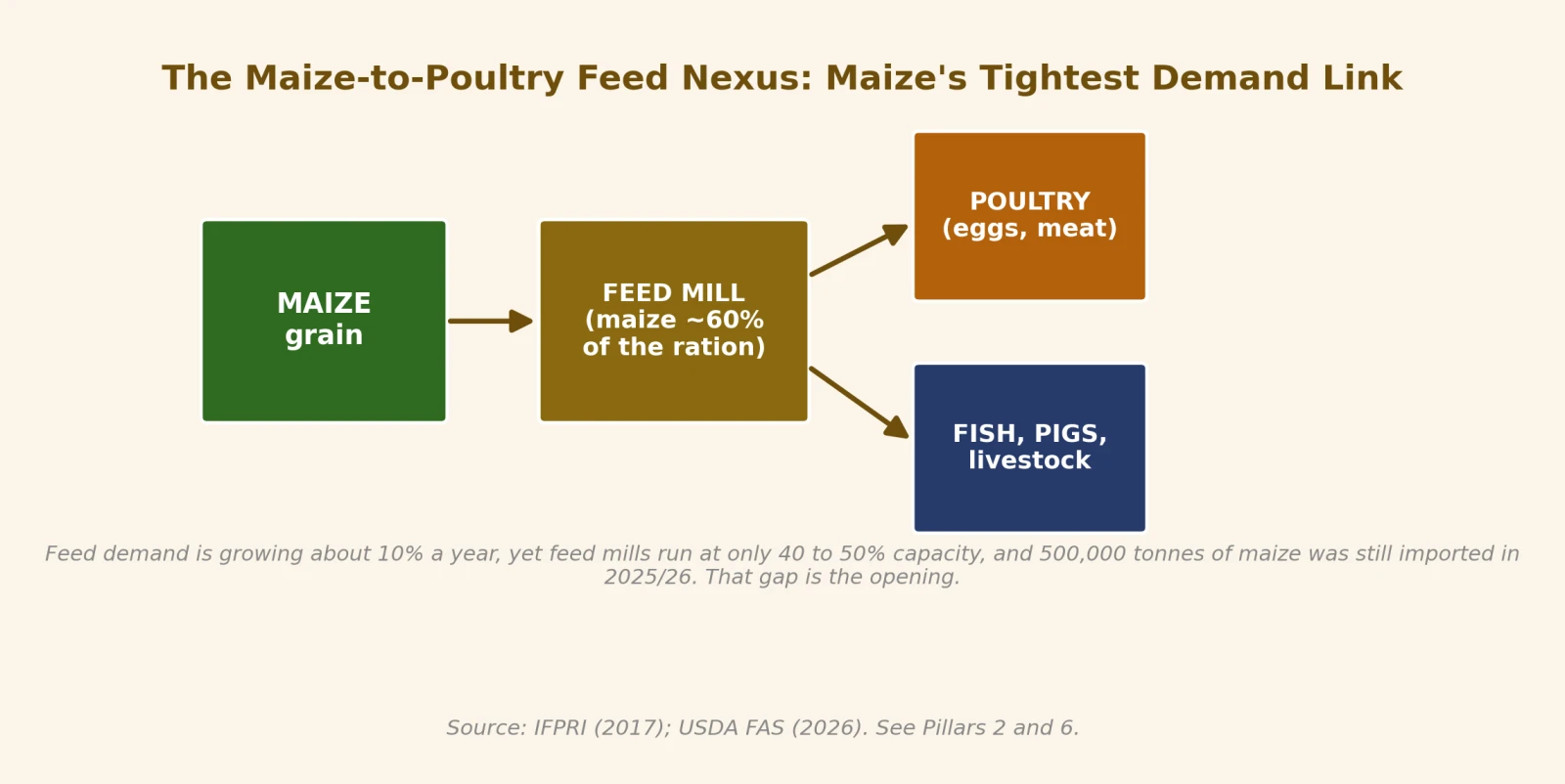
The thesis: feed and processing demand is growing and quality-sensitive, while supply is a cheap, glutted commodity. Value accrues to whoever converts cheap grain into feed, flour or fortified food, or holds it to the lean season. Diligence asks: a signed or credible off-take, drying and storage capacity, and an aflatoxin-control plan. The risk: the export ban and price swings, so back domestic-absorption models, not export-dependent ones, until policy changes.
The highest-return lever is unlocking demand for the surplus: fund drying and aggregation so local grain can reach feed mills, and review the export ban that is trapping value. The measurable outcome is the share of feed maize sourced locally rising and feed-mill capacity use climbing above 50 percent. The failure to avoid is buying up surplus into buffer stocks without also building the processing and export demand to clear it, which just postpones the glut.
Learn to think like a buyer, not just a grower. If you are entering maize after school, the quickest paid role is to connect graded grain to the buyers who pay best: feed mills, processors and institutions. Learn what a feed mill tests for, moisture, aflatoxin and foreign matter, and you can broker, quality-check or coordinate supply without owning a farm. The gap to fill: most smallholders sell to whoever turns up and never reach the feed mill that would pay more. Being the person who bridges that gap is a job and a business. The downside to avoid is promising a mill volume you cannot keep clean and dry.
Pick the paying buyer and build backwards. Your first move is to secure a relationship with one feed mill, processor or institution, then organise the drying, grading and steady supply to serve it. Secure the off-take first, then the volume. The trap: chasing the food market because it is familiar, and competing on price with everyone else. The incentive to use is the import-substitution push and the Feed Ghana poultry drive, which are creating feed demand on purpose.
The thesis: feed and processing demand is growing and quality-sensitive, while supply is a cheap, glutted commodity. Value accrues to whoever converts cheap grain into feed, flour or fortified food, or holds it to the lean season. Diligence asks: a signed or credible off-take, drying and storage capacity, and an aflatoxin-control plan. The risk: the export ban and price swings, so back domestic-absorption models, not export-dependent ones, until policy changes.
The highest-return lever is unlocking demand for the surplus: fund drying and aggregation so local grain can reach feed mills, and review the export ban that is trapping value. The measurable outcome is the share of feed maize sourced locally rising and feed-mill capacity use climbing above 50 percent. The failure to avoid is buying up surplus into buffer stocks without also building the processing and export demand to clear it, which just postpones the glut.