
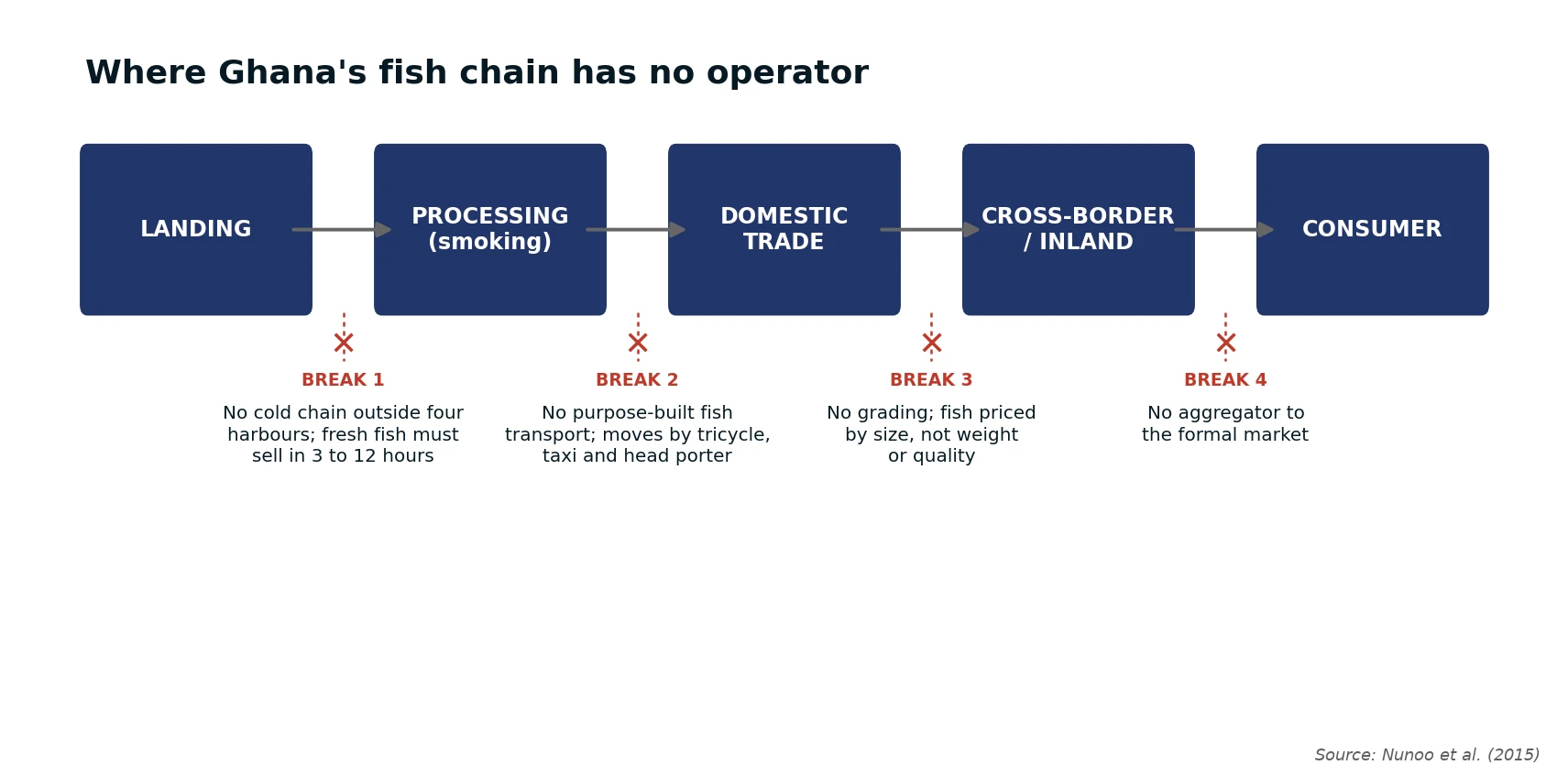



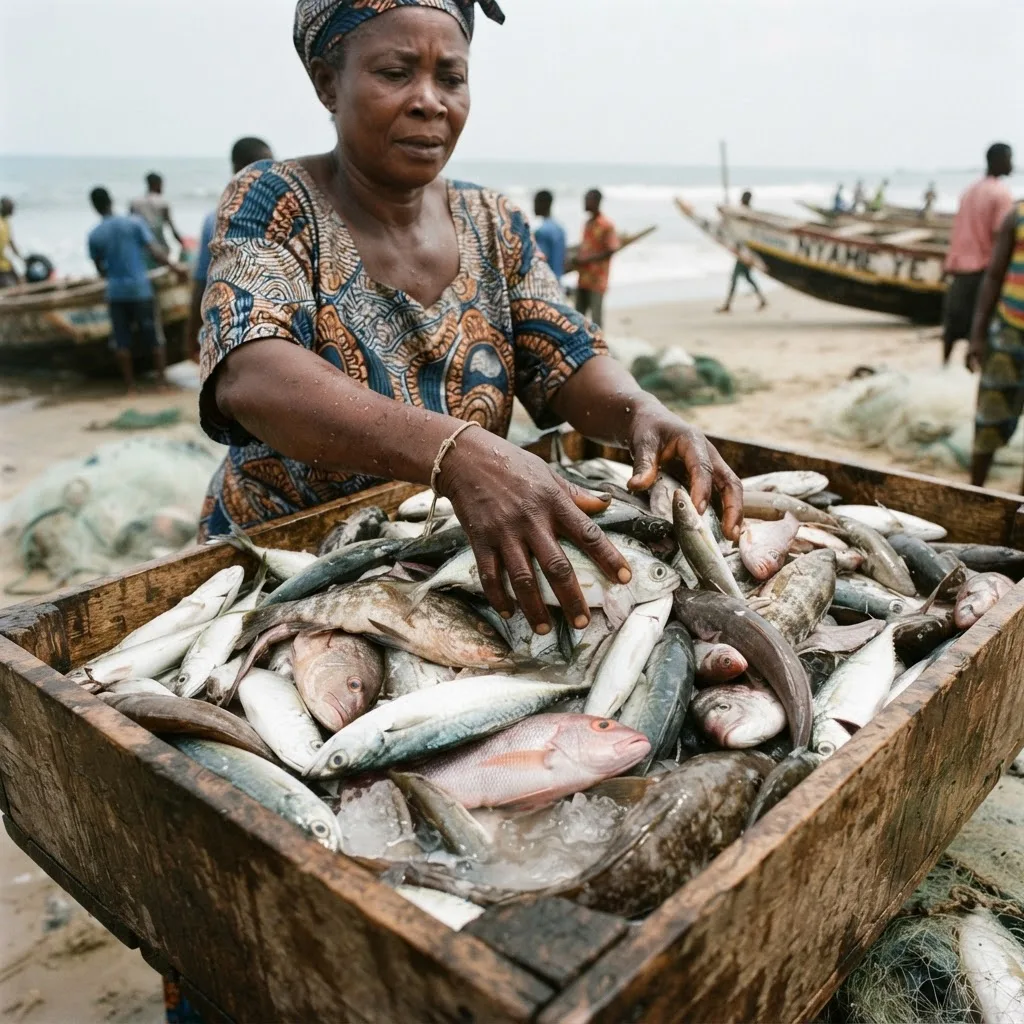

If you are thinking of entering, do not start by buying a canoe or an oven. Start where the chain has no operator: spend a season at one landing site learning how the fish is graded, which is to say learning that it is not, and building the relationship with the women who finance the trips. The asset-light entry here is a grade and a book of buyers, not a boat and not a freezer. The mistake first-timers make is assuming they can buy fish on the open market and add value by processing it; the fish is already spoken for by whoever financed the trip, and you enter that arrangement through the fish mammy, not with a purchase order. What you leave with is the relationship and a grading standard nobody else has written down.
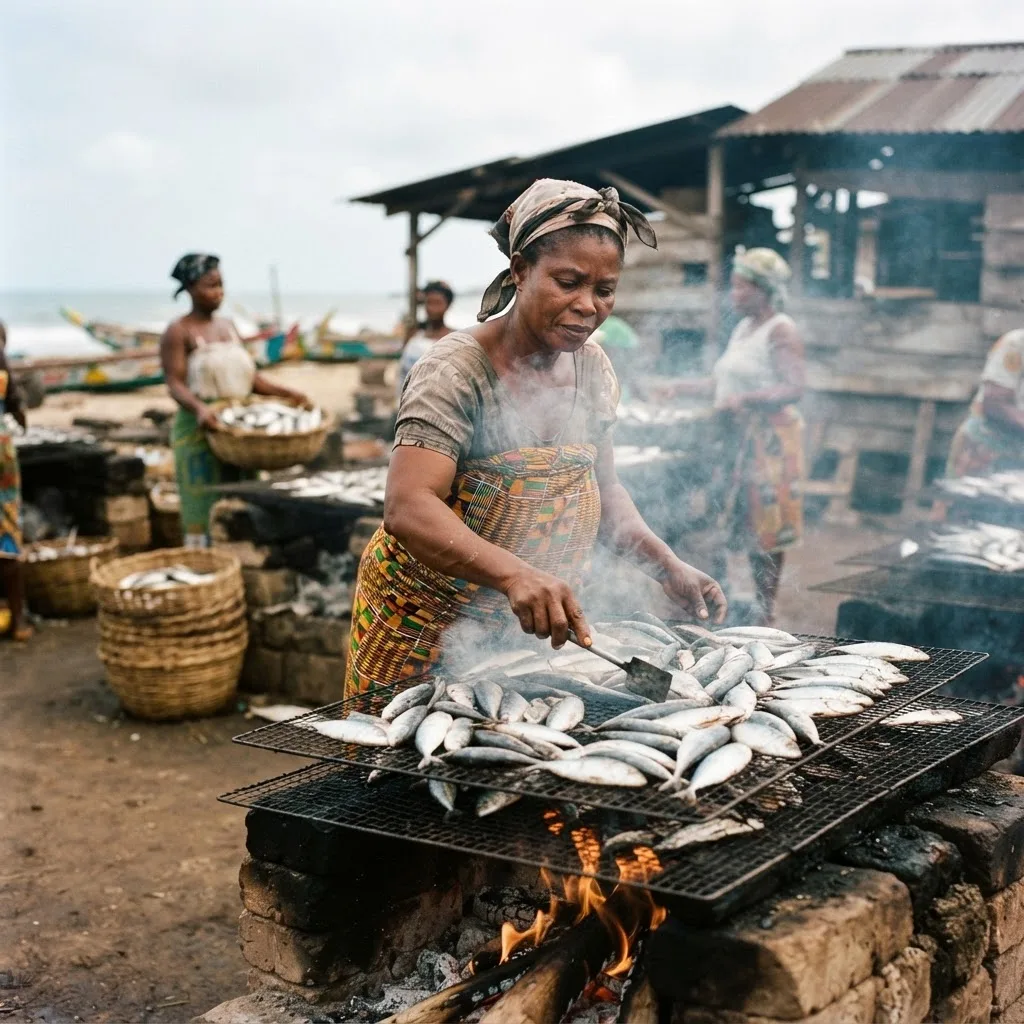
First move: sign the premium buyer before any oven, any cold room or any truck. Secure an offtaker, a supermarket, an exporter or a diaspora channel, who will pay a stated premium for graded, certified smoked fish, and get the grade written down. Then finance the equipment against that offtake contract, then secure supply through the women financiers rather than around them. The trap this chain punishes hardest is buying the technology first: the Ahotor oven proves that a safer, cleaner product loses money when no buyer pays for quality.
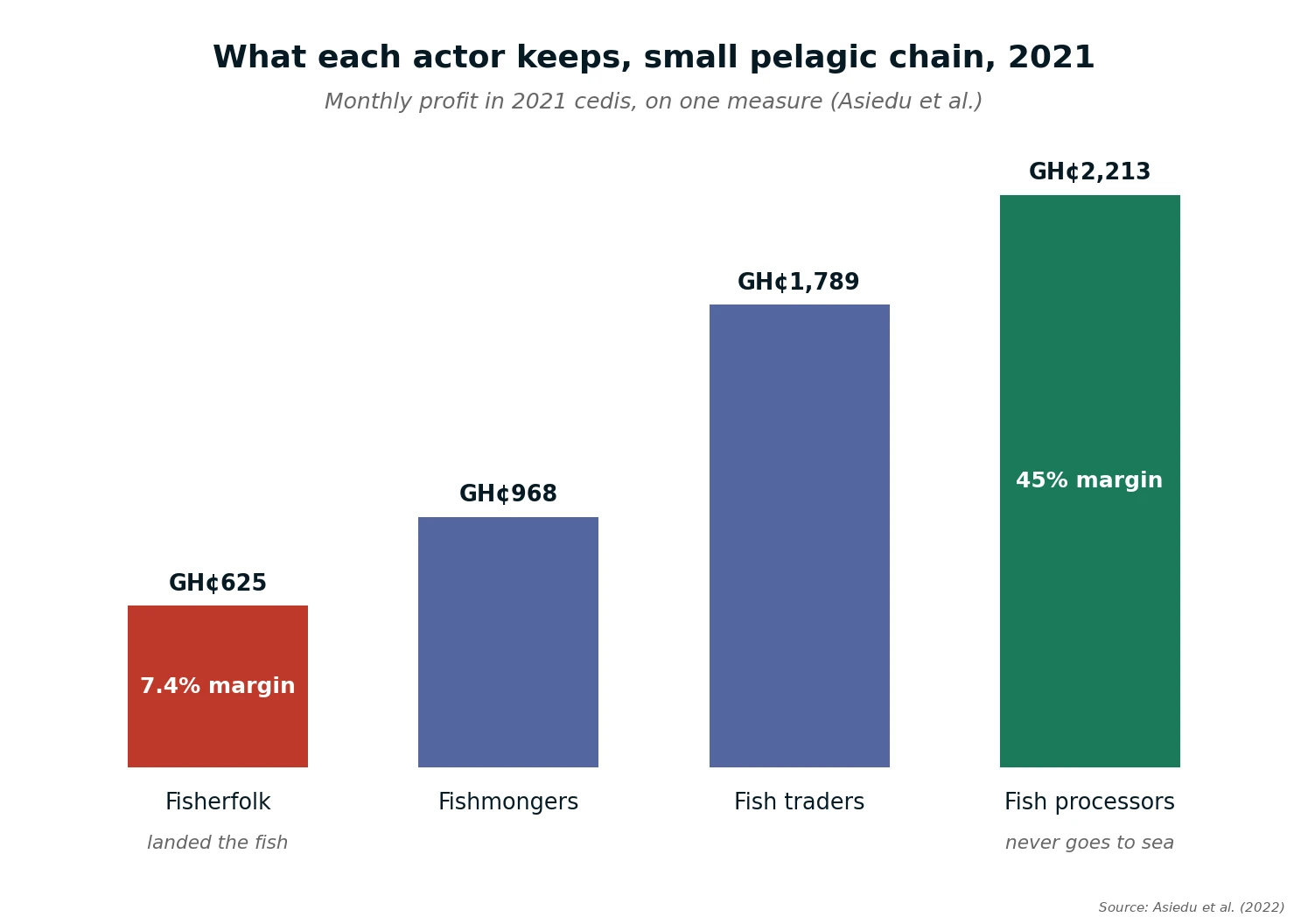
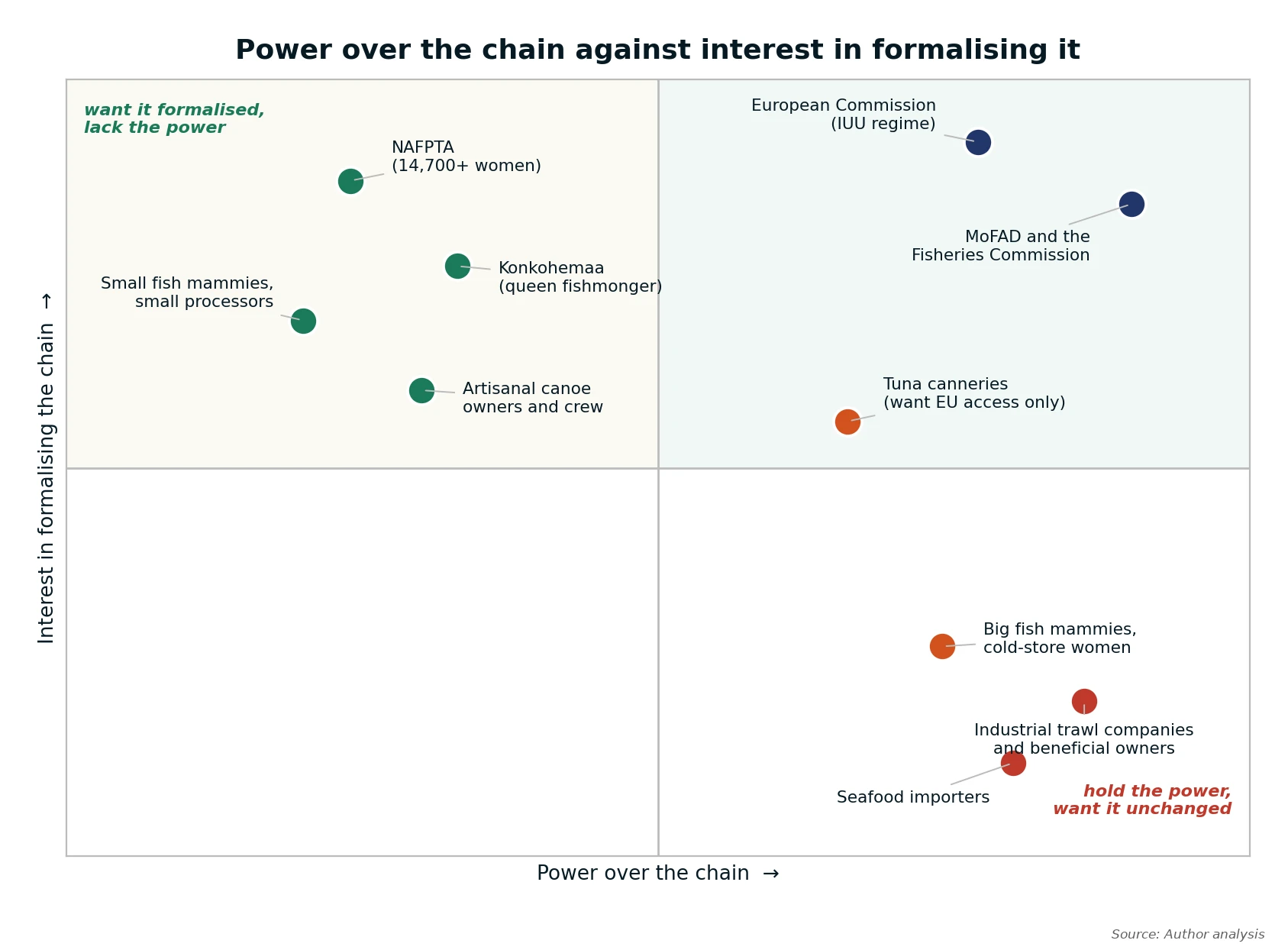
The thesis: value in this chain is captured by controlling the transaction, not by adding processing, so the return sits in creating the grade and offtake the chain currently lacks. Three diligence asks follow. Require any processing or aggregation venture to show a signed offtake with a premium stated against a written grade, because a certified facility with no premium buyer is the 2023 scheme's unsolved problem, not a business. Require its supply plan to run through the women financiers, not around them, and treat their absence from the cap table as a finding. Require the loss it targets to be named as value loss, the 22.5 per cent worth GH¢2.6 billion, and not physical spoilage, which is under five per cent. Release the cheque against a signed offtake and a measured premium, and underwrite the grade, not the throughput.
The lever: a national fish grading standard tied to the existing certification scheme, cheap against what it unlocks. Publishing a grade, and a monthly landing-beach price series by species and grade, would let a premium form and move a measurable number: the share of the 22.5 per cent post-harvest value loss that is recovered, and the share of certified facilities that can command a price for being certified, currently unmeasured. Attach finance for the graded chain to the women's associations who already run it. The failure to avoid is the one this sector has repeated: subsidising equipment, the ovens, the cold stores, ahead of the grade and the buyer that would make the equipment pay, which is why 88 per cent subsidies bought ovens that sat unused.
If you are thinking of entering, do not start by buying a canoe or an oven. Start where the chain has no operator: spend a season at one landing site learning how the fish is graded, which is to say learning that it is not, and building the relationship with the women who finance the trips. The asset-light entry here is a grade and a book of buyers, not a boat and not a freezer. The mistake first-timers make is assuming they can buy fish on the open market and add value by processing it; the fish is already spoken for by whoever financed the trip, and you enter that arrangement through the fish mammy, not with a purchase order. What you leave with is the relationship and a grading standard nobody else has written down.
First move: sign the premium buyer before any oven, any cold room or any truck. Secure an offtaker, a supermarket, an exporter or a diaspora channel, who will pay a stated premium for graded, certified smoked fish, and get the grade written down. Then finance the equipment against that offtake contract, then secure supply through the women financiers rather than around them. The trap this chain punishes hardest is buying the technology first: the Ahotor oven proves that a safer, cleaner product loses money when no buyer pays for quality.
The thesis: value in this chain is captured by controlling the transaction, not by adding processing, so the return sits in creating the grade and offtake the chain currently lacks. Three diligence asks follow. Require any processing or aggregation venture to show a signed offtake with a premium stated against a written grade, because a certified facility with no premium buyer is the 2023 scheme's unsolved problem, not a business. Require its supply plan to run through the women financiers, not around them, and treat their absence from the cap table as a finding. Require the loss it targets to be named as value loss, the 22.5 per cent worth GH¢2.6 billion, and not physical spoilage, which is under five per cent. Release the cheque against a signed offtake and a measured premium, and underwrite the grade, not the throughput.
The lever: a national fish grading standard tied to the existing certification scheme, cheap against what it unlocks. Publishing a grade, and a monthly landing-beach price series by species and grade, would let a premium form and move a measurable number: the share of the 22.5 per cent post-harvest value loss that is recovered, and the share of certified facilities that can command a price for being certified, currently unmeasured. Attach finance for the graded chain to the women's associations who already run it. The failure to avoid is the one this sector has repeated: subsidising equipment, the ovens, the cold stores, ahead of the grade and the buyer that would make the equipment pay, which is why 88 per cent subsidies bought ovens that sat unused.