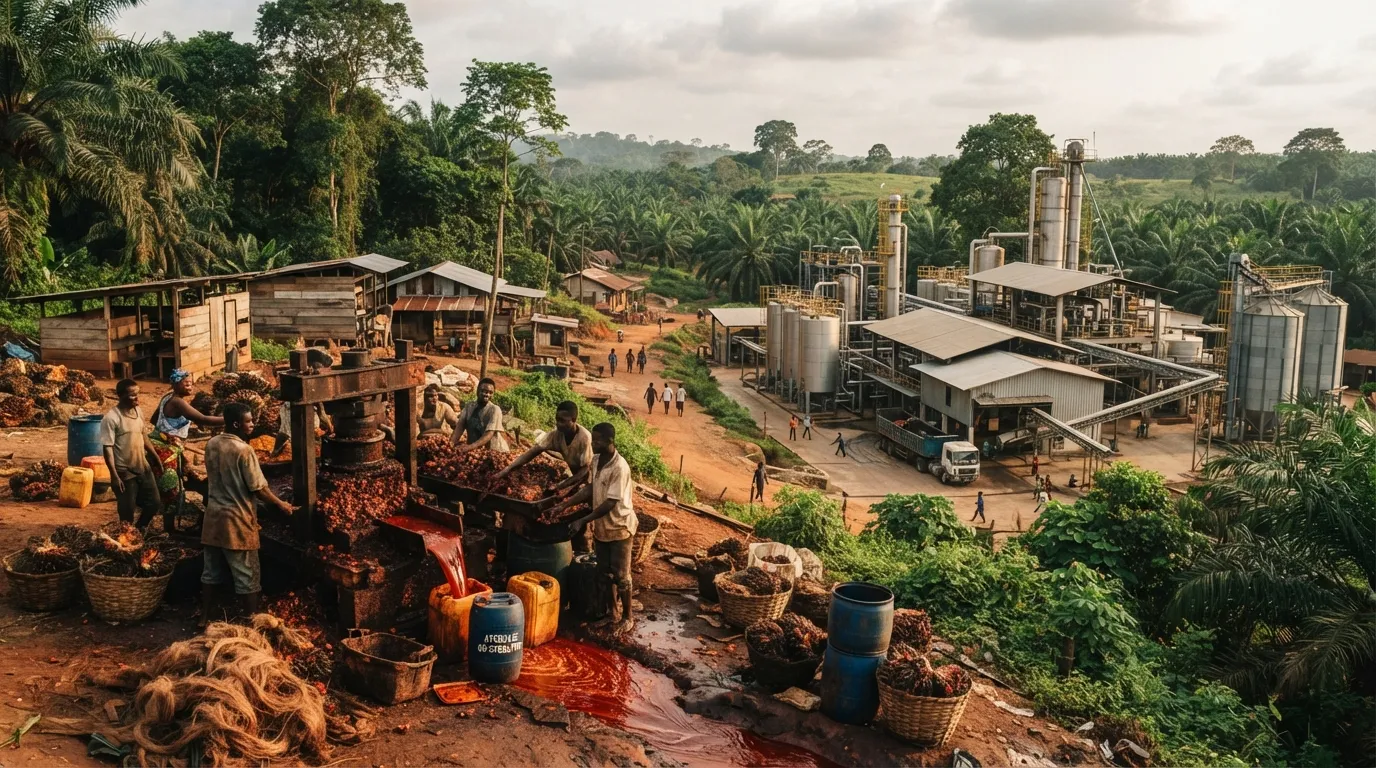
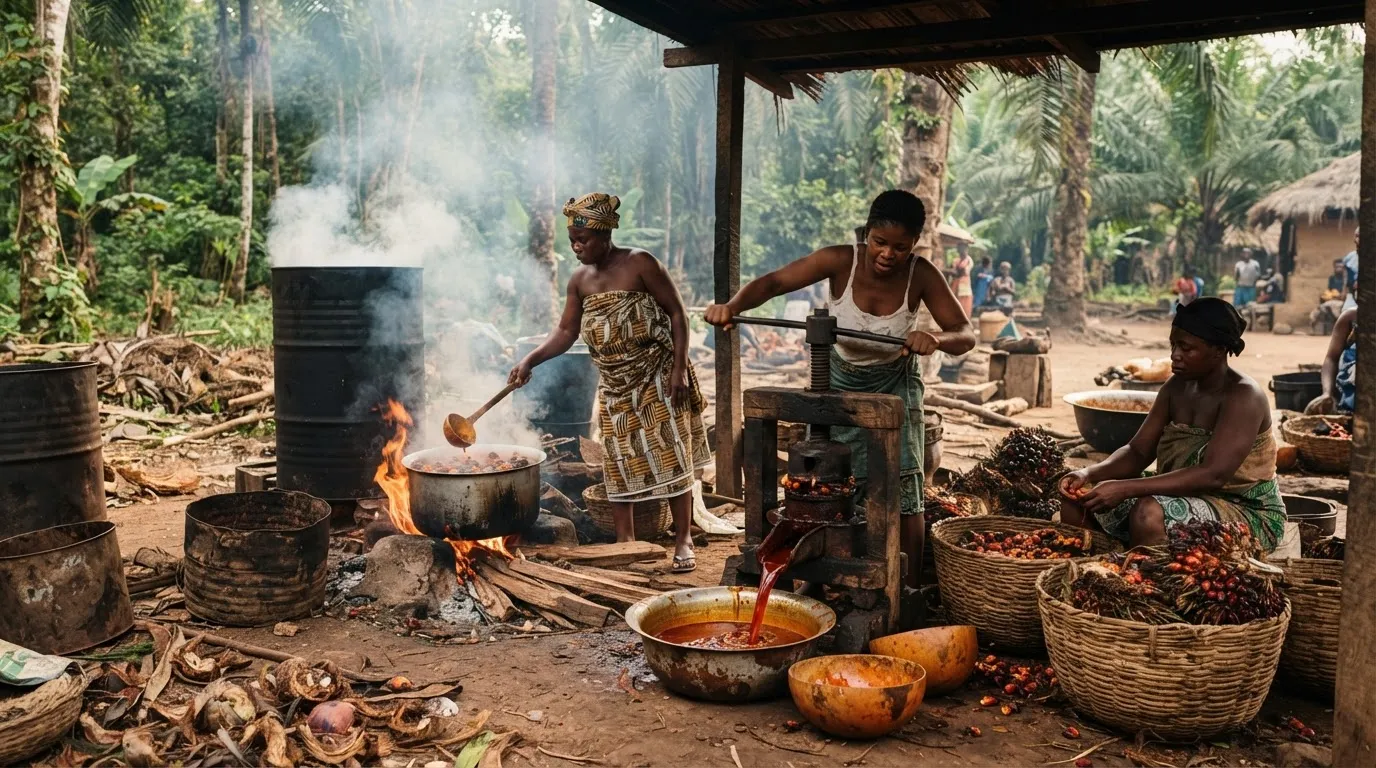
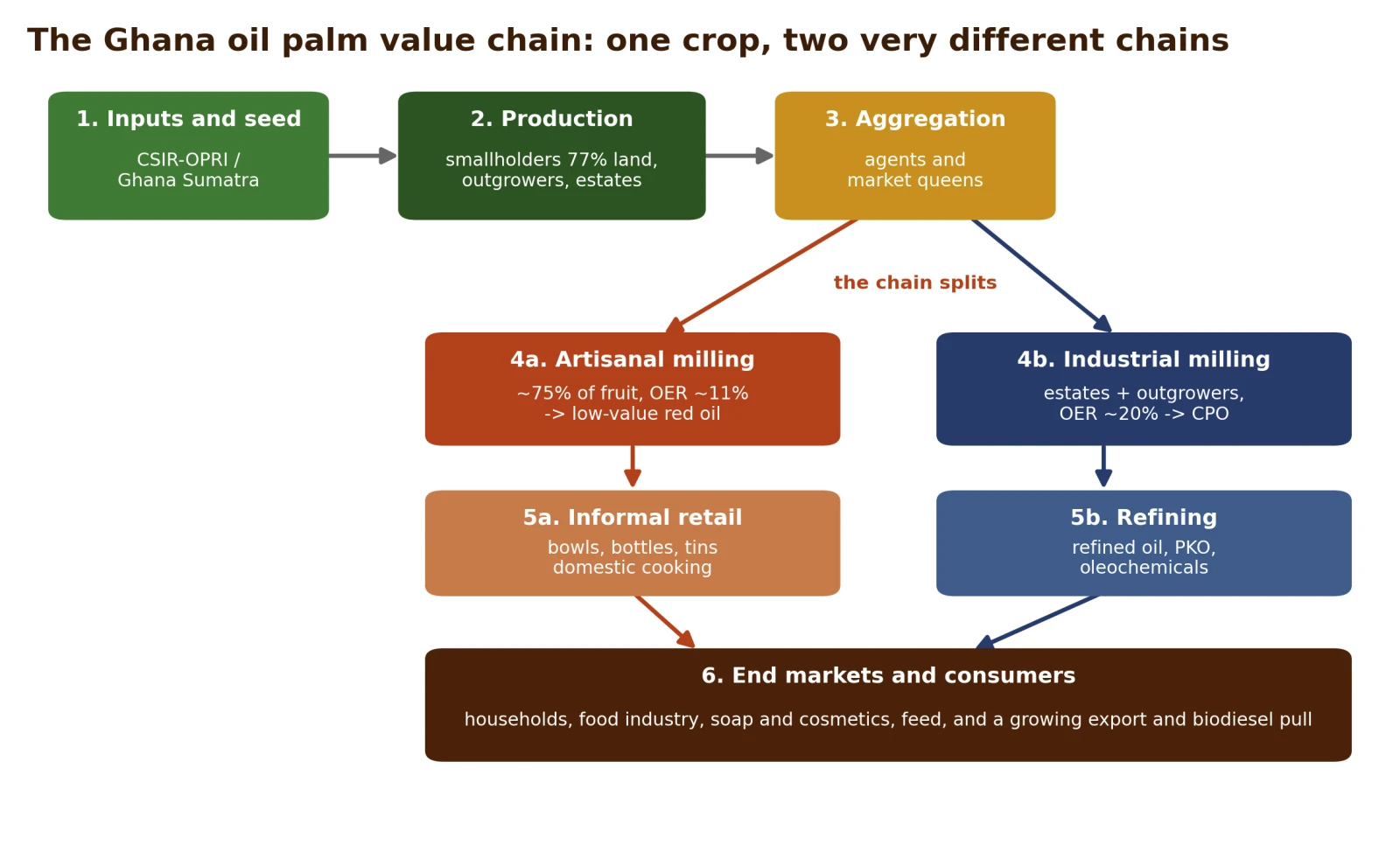
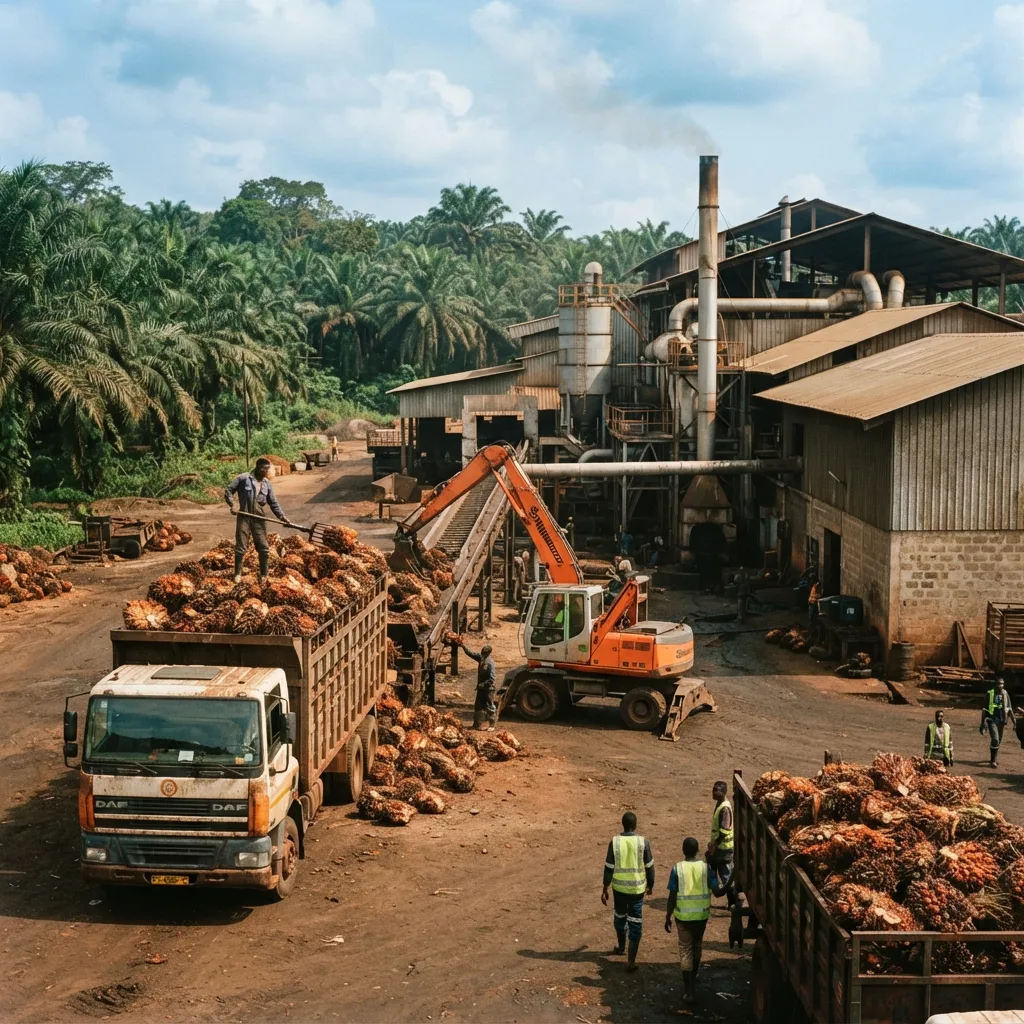
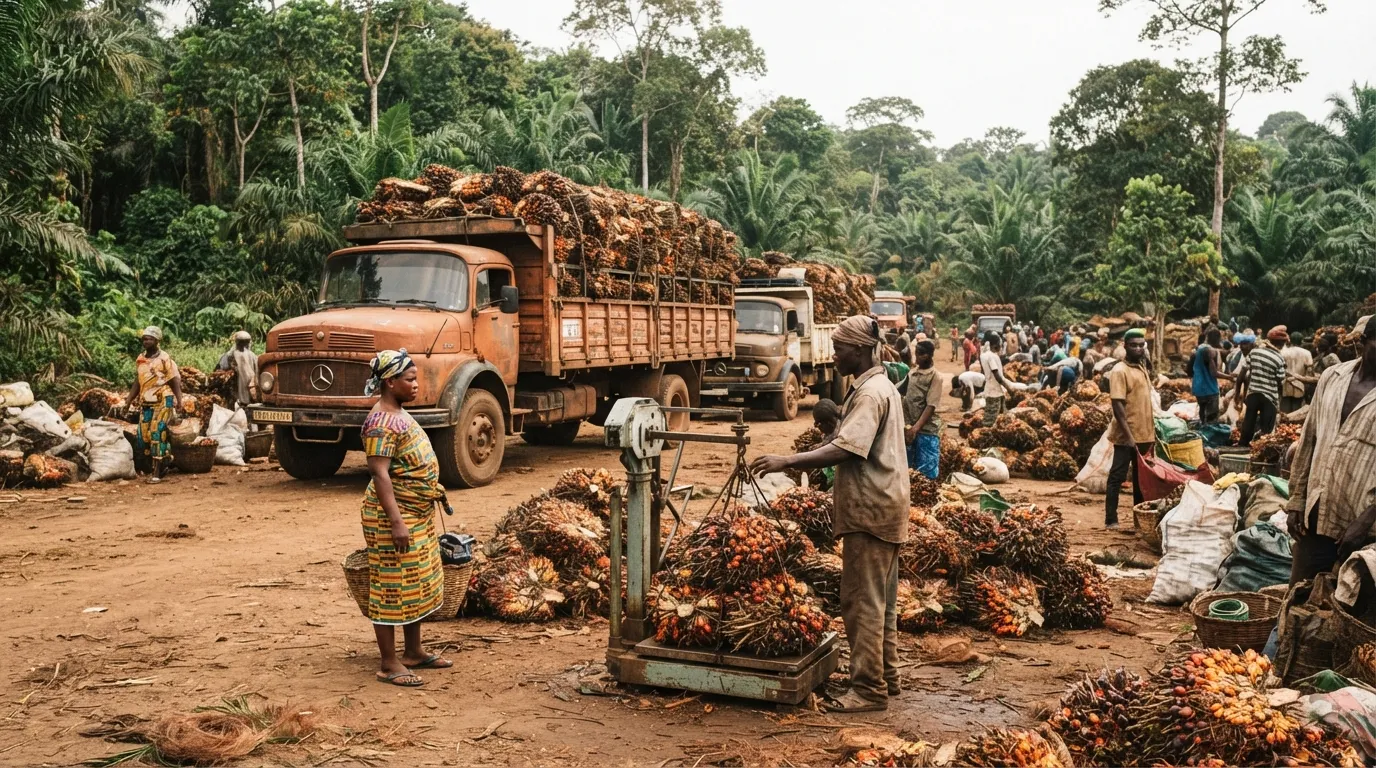
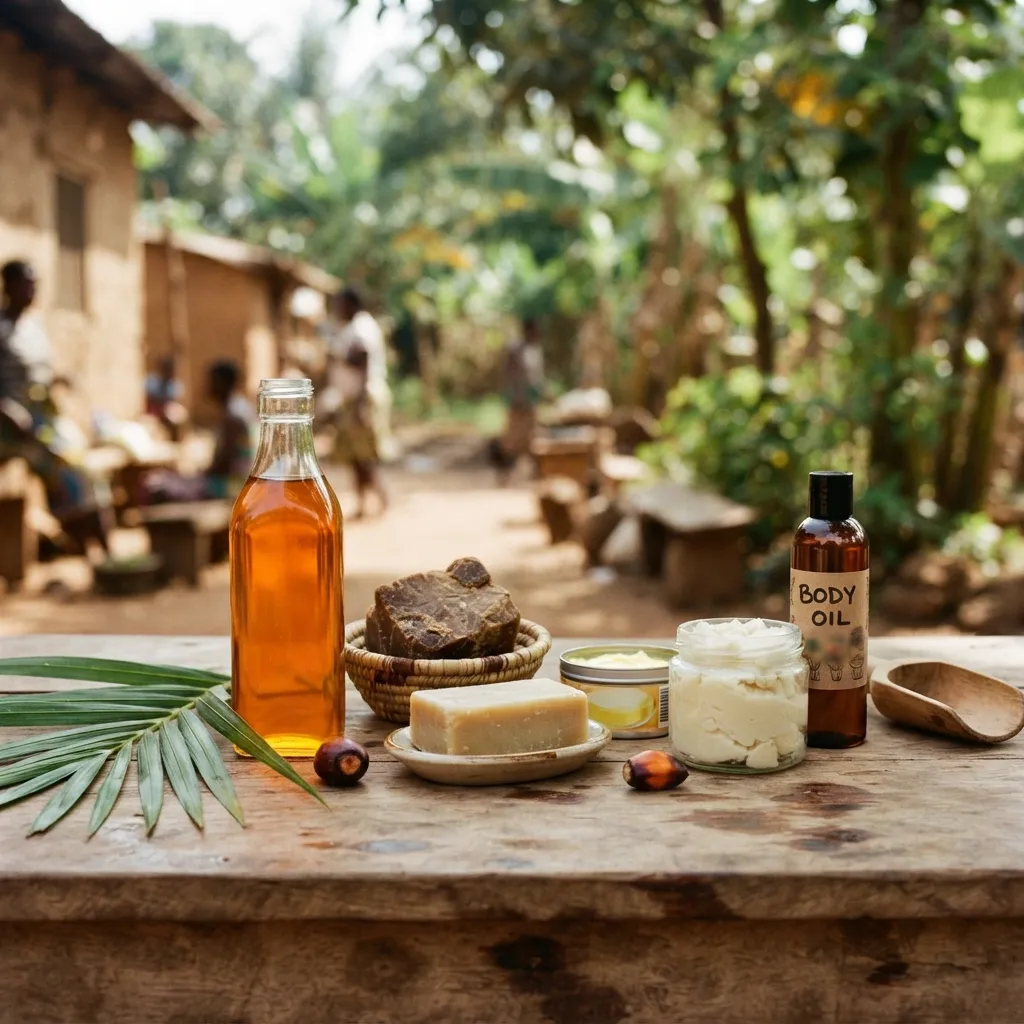
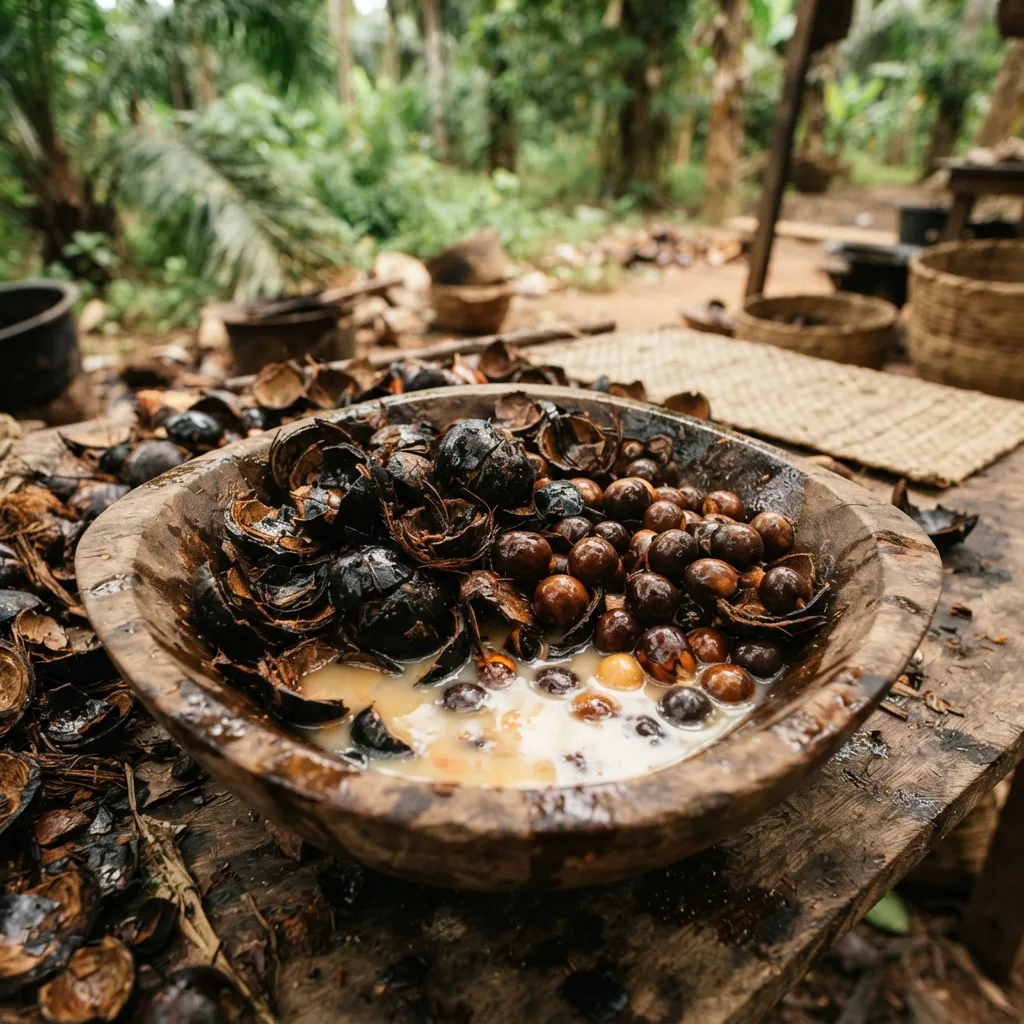
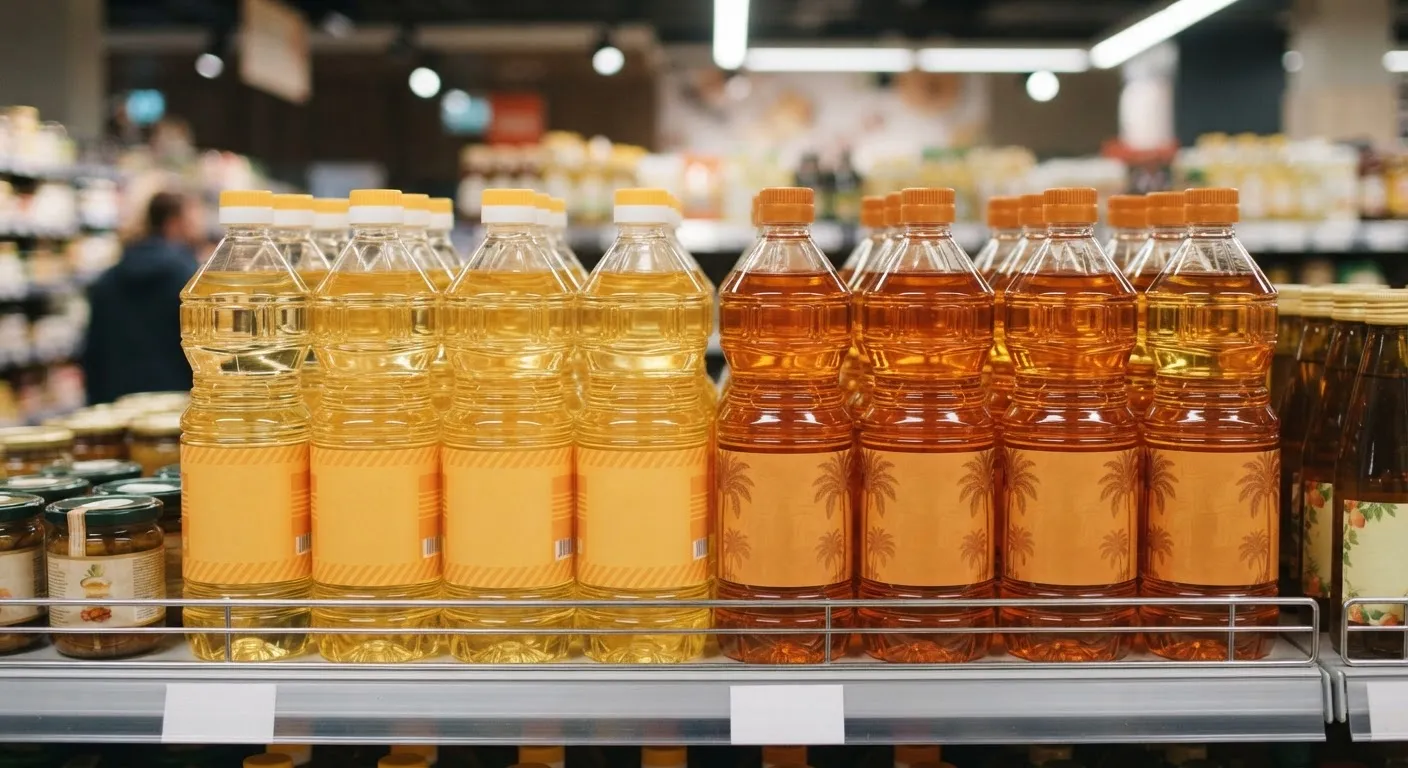
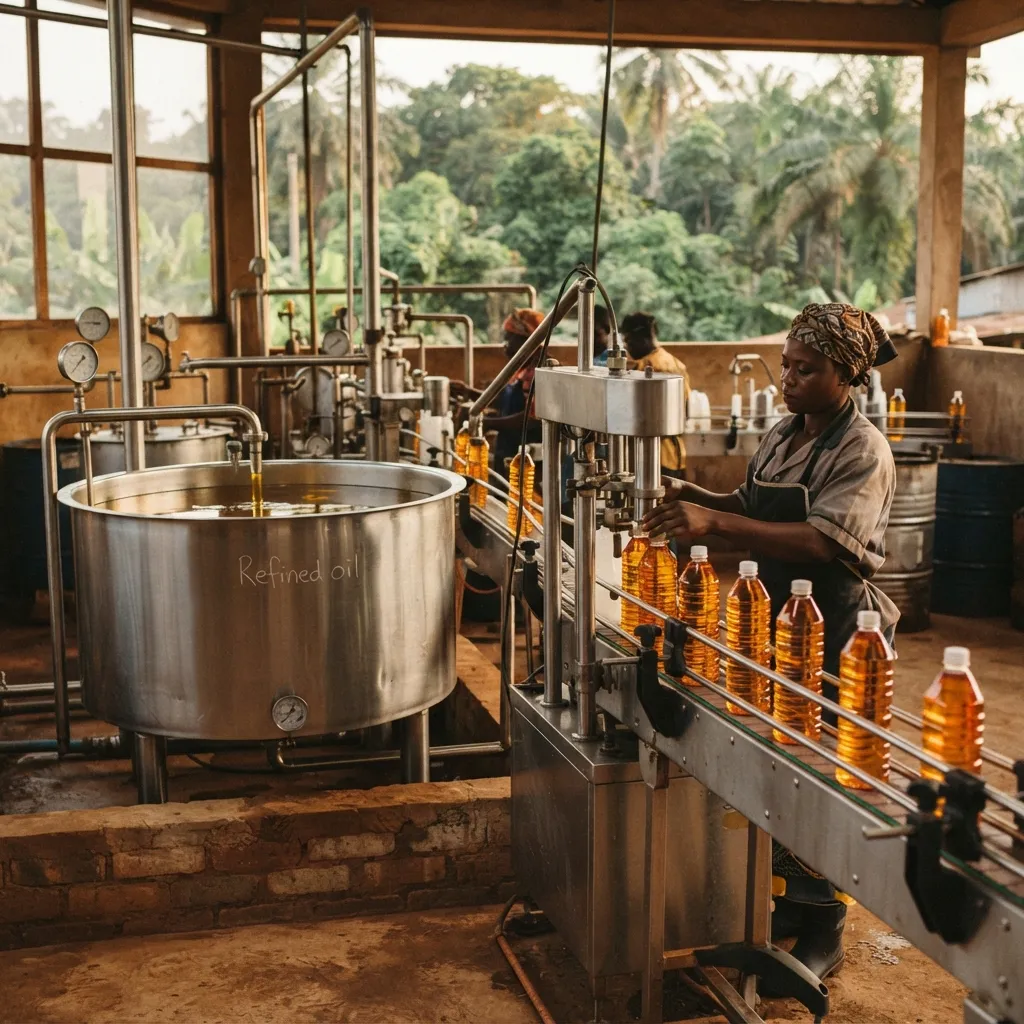
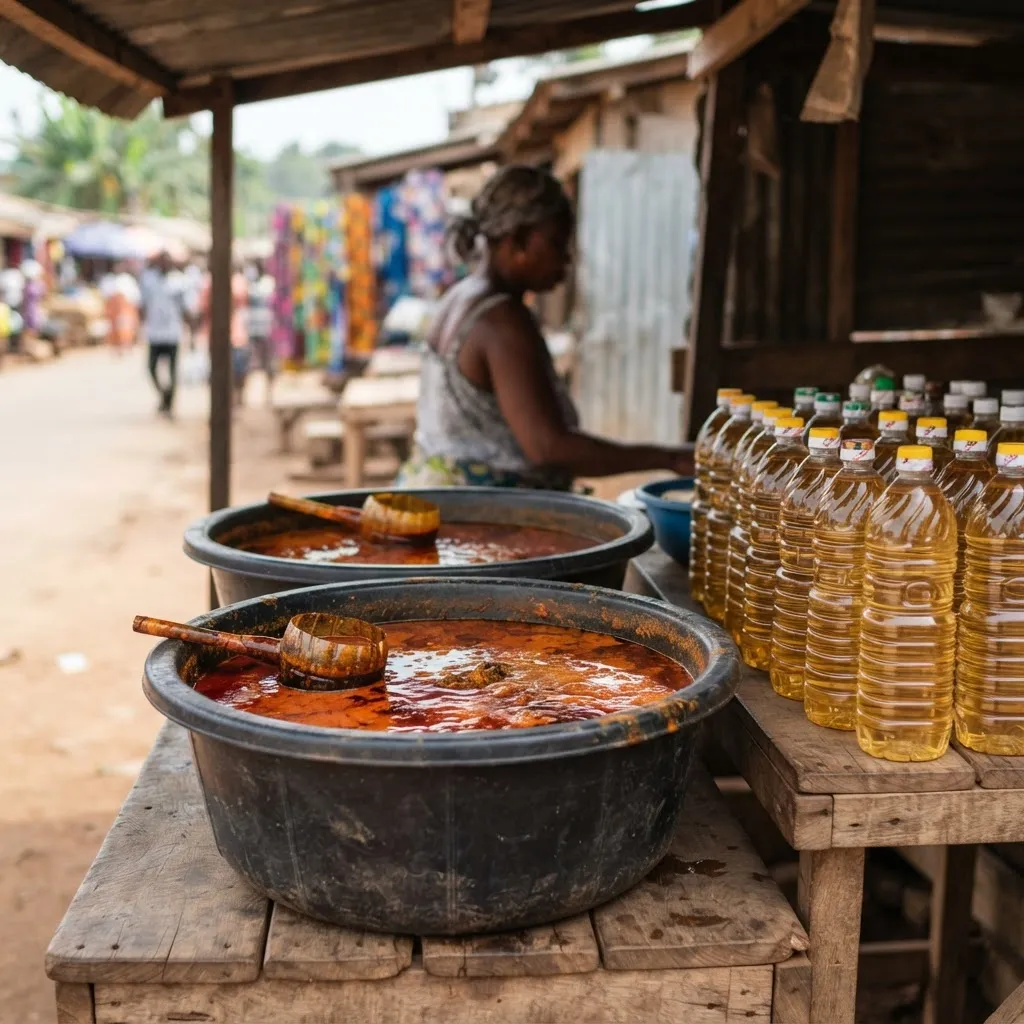
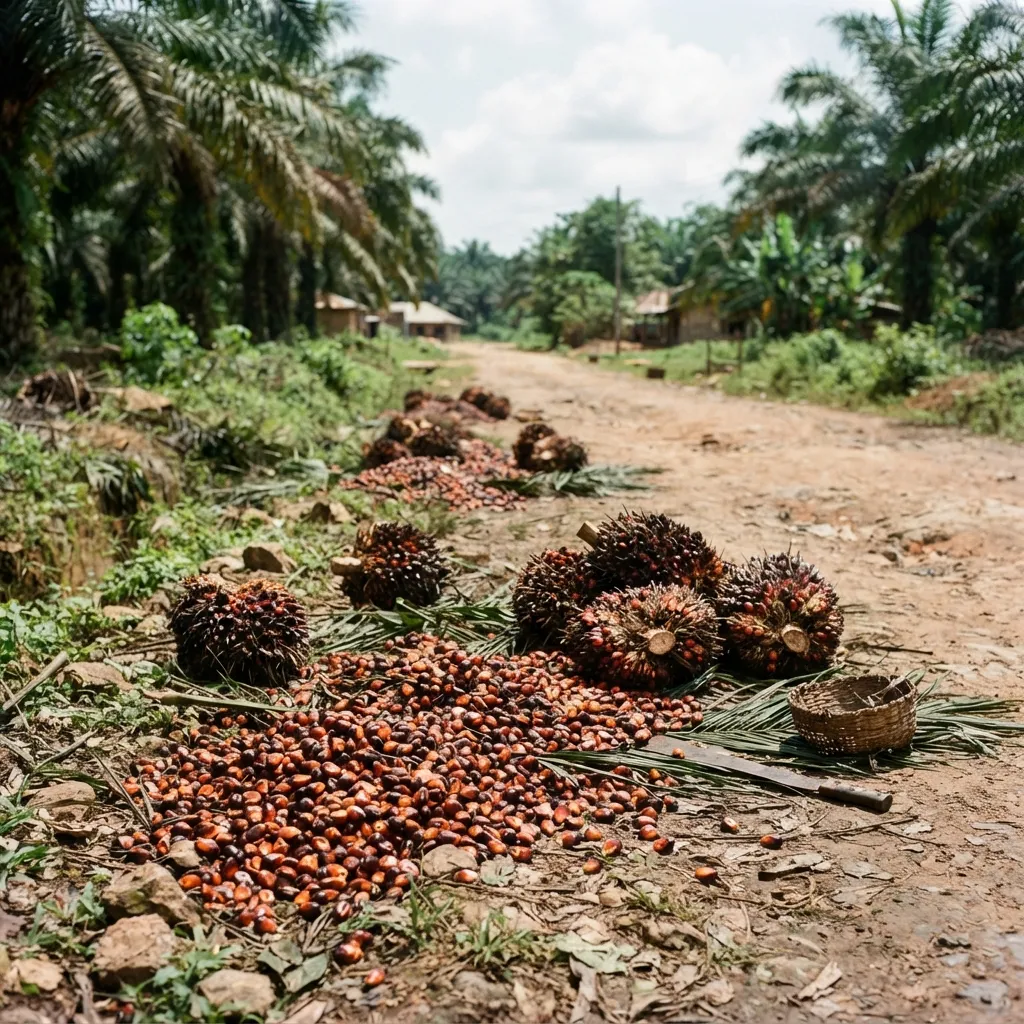
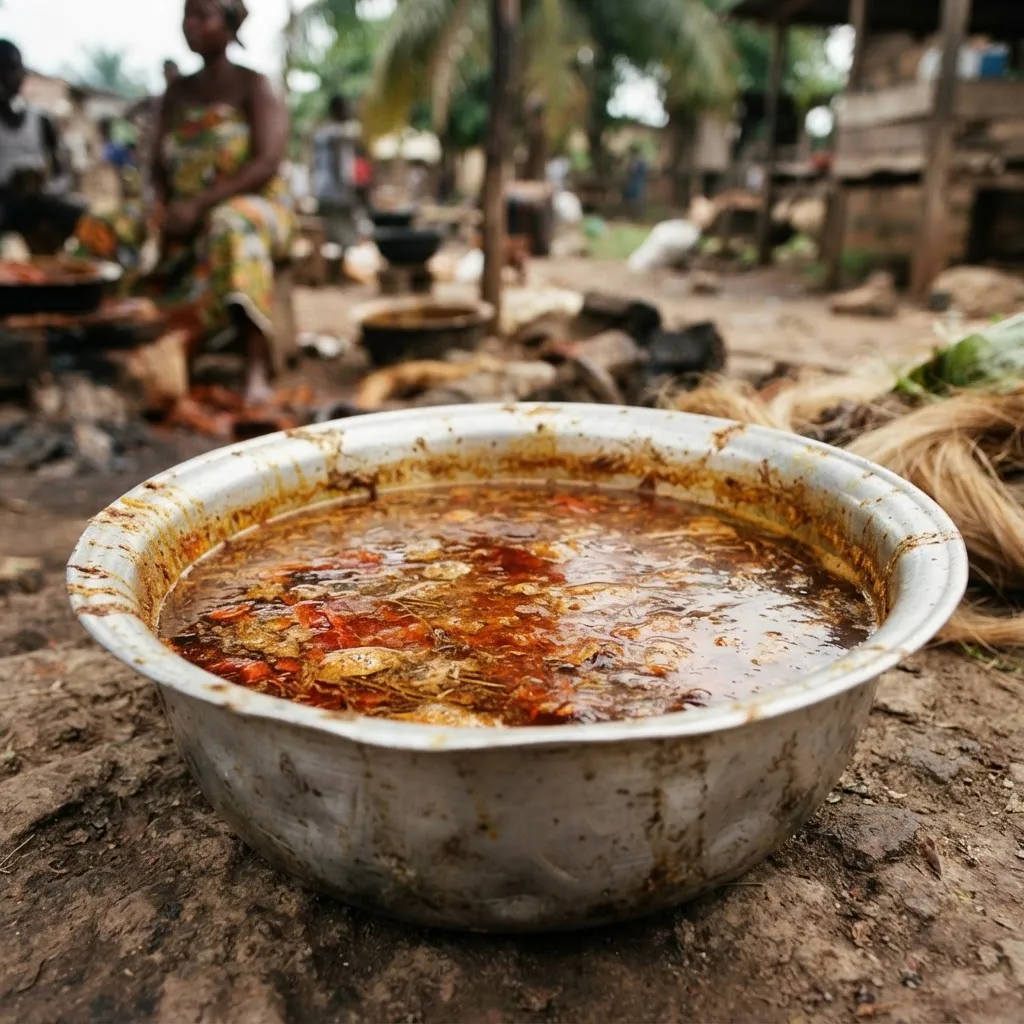
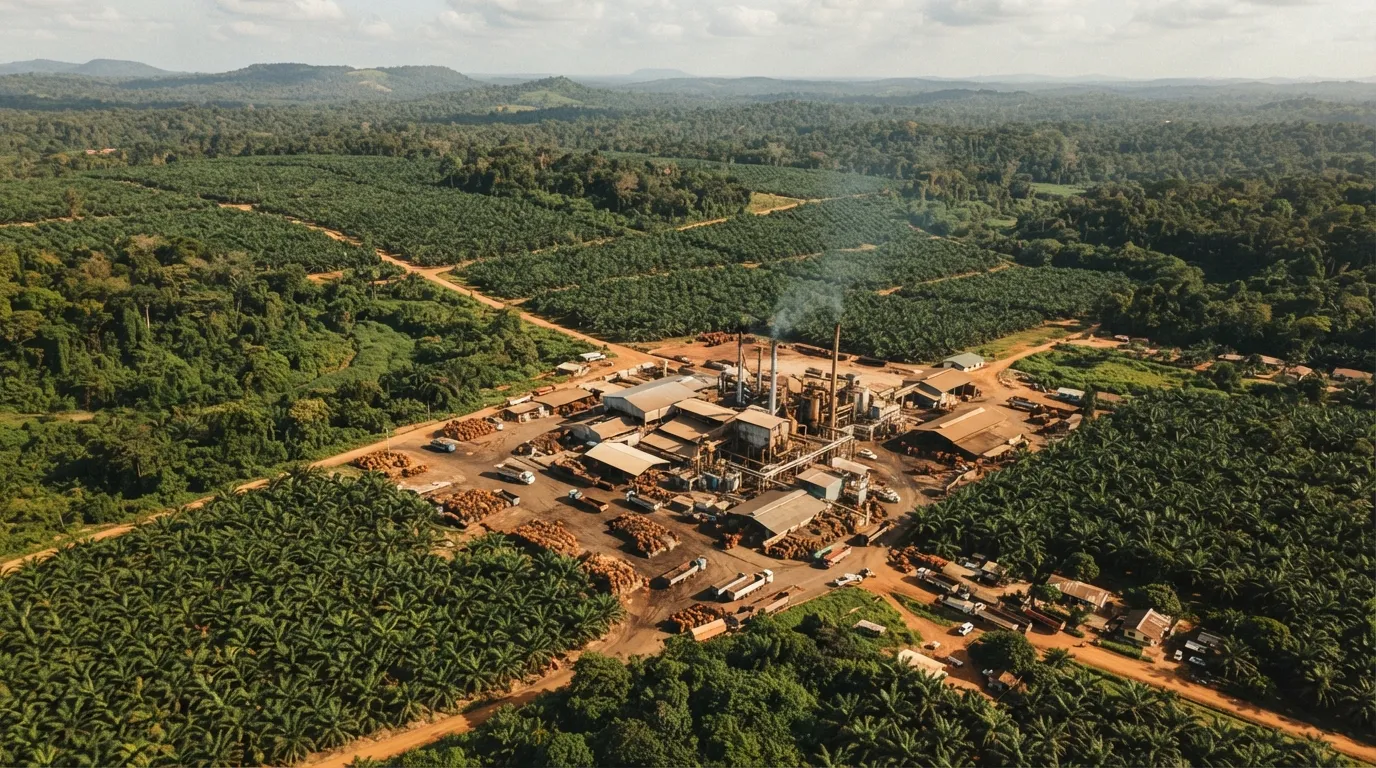
The value chain is the best map of where the jobs and ventures are, and most of them are off the farm. The value sits in milling, aggregation, refining, quality and branding. Learn how fruit moves from a smallholder to a mill, where the price is set and where the quality is lost, and you can work in aggregation, mill sourcing, or quality management, or start a small aggregation business yourself. The mistake first-timers make is fixing on production because it is visible; the money is one or two steps downstream, where fewer people are looking.
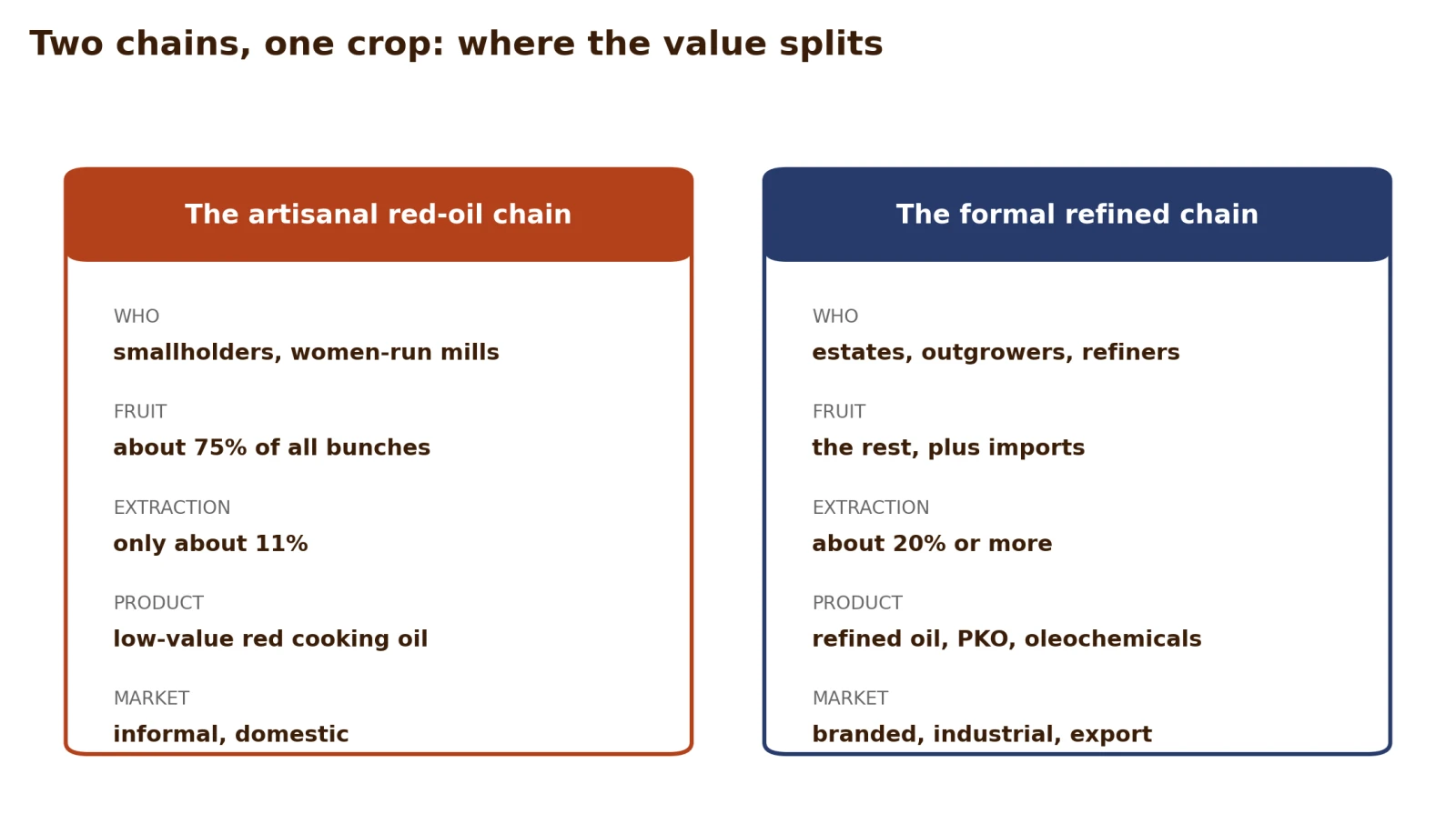
First move: position yourself between the two chains. The highest-value, lowest-capital entry is aggregation, buying fresh, clean fruit from smallholders and delivering it fast to an industrial mill, or bulking clean red oil up to a refiner's standard. Secure both ends, the fruit supply and the mill or refiner offtake, before you build anything. The trap is competing with the artisanal chain on its own low-value terms; the money is in feeding the formal chain. Use the minimum-price floor to make supply reliable.
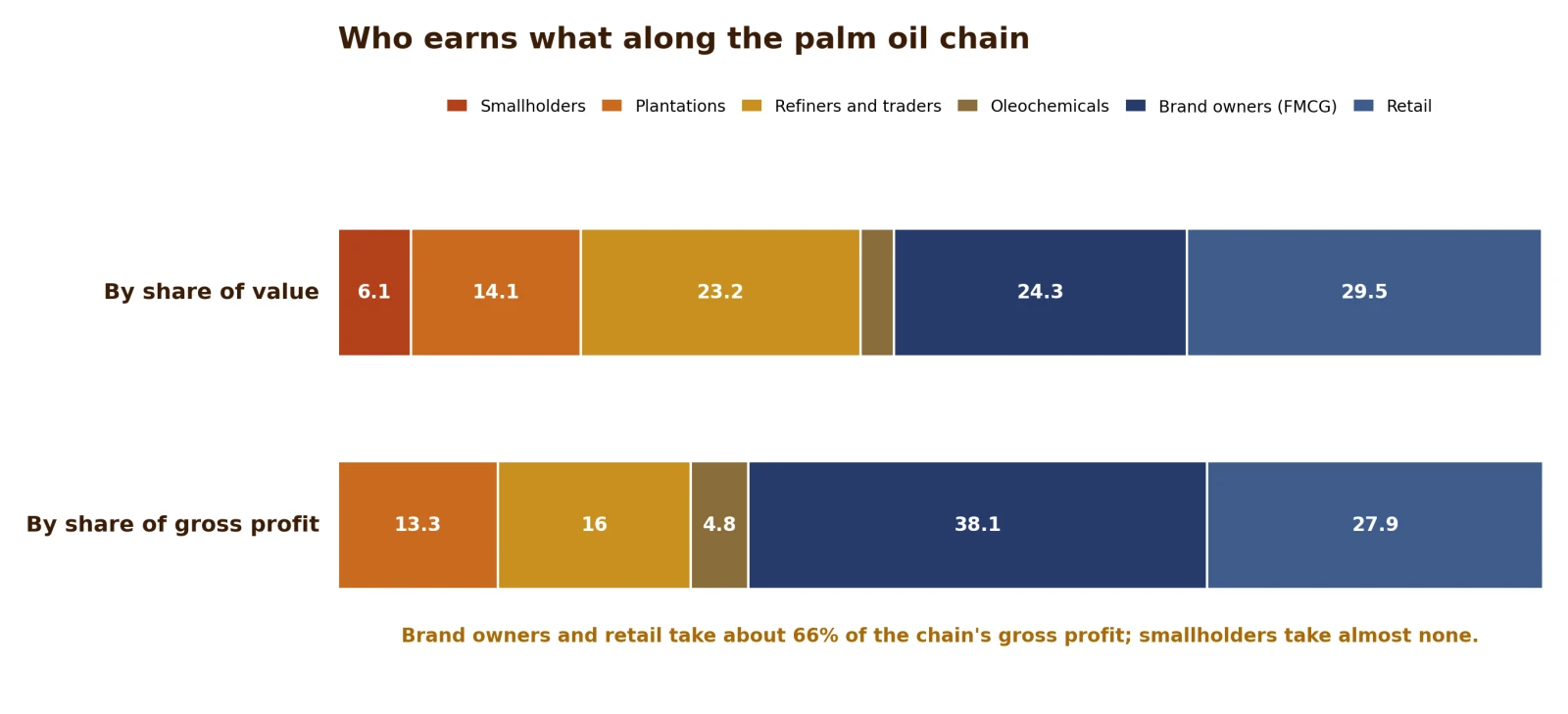
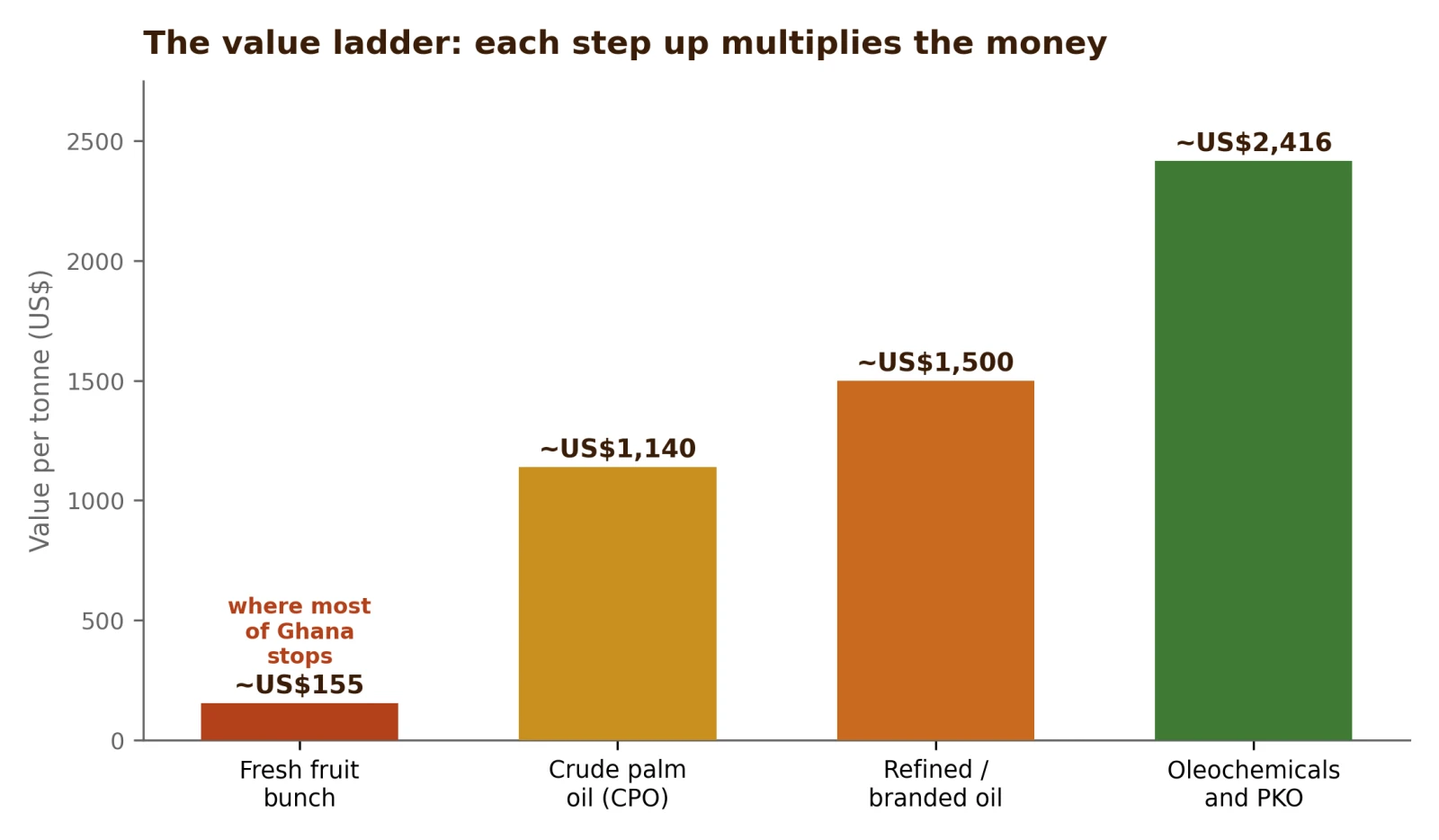
The thesis: in palm oil the return climbs as you move up the chain, from grower to miller to refiner to brand. Diligence asks: which node does the deal sit in, and can it move up; is a fresh-fruit-bunch or crude-palm-oil supply secured, close and to quality; and does the business capture kernel and by-product value as well as oil. Underwrite integration and offtake. The dominant risk is a business locked into the low-value chain with no path up; the dominant opportunity is the refining and aggregation nodes that Ghana under-serves while importing the product they would make.
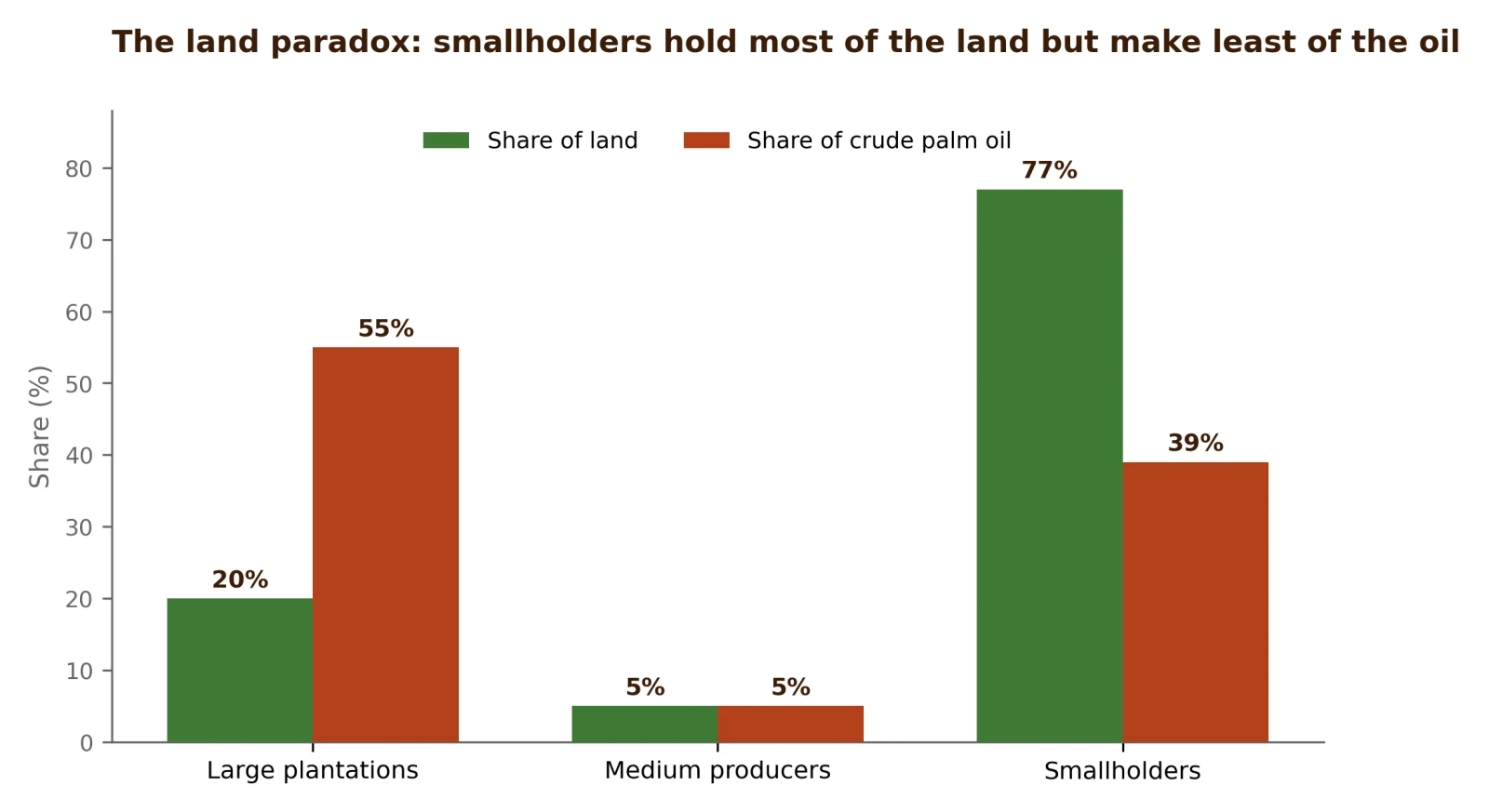
The lever: invest in the middle and the top of the chain as well as the bottom. Shared industrial milling, refining capacity, aggregation infrastructure and a national traceability system do more for the sector than more planting, because they move fruit into the high-value chain and open the export premium. The measurable outcome is the share of national fruit milled industrially, the share of demand met by refined local oil, and export volume verified deforestation-free. The failure to avoid is funding production while the milling, refining and aggregation bottlenecks that trap value in the low chain are left in place.
The value chain is the best map of where the jobs and ventures are, and most of them are off the farm. The value sits in milling, aggregation, refining, quality and branding. Learn how fruit moves from a smallholder to a mill, where the price is set and where the quality is lost, and you can work in aggregation, mill sourcing, or quality management, or start a small aggregation business yourself. The mistake first-timers make is fixing on production because it is visible; the money is one or two steps downstream, where fewer people are looking.
First move: position yourself between the two chains. The highest-value, lowest-capital entry is aggregation, buying fresh, clean fruit from smallholders and delivering it fast to an industrial mill, or bulking clean red oil up to a refiner's standard. Secure both ends, the fruit supply and the mill or refiner offtake, before you build anything. The trap is competing with the artisanal chain on its own low-value terms; the money is in feeding the formal chain. Use the minimum-price floor to make supply reliable.
The thesis: in palm oil the return climbs as you move up the chain, from grower to miller to refiner to brand. Diligence asks: which node does the deal sit in, and can it move up; is a fresh-fruit-bunch or crude-palm-oil supply secured, close and to quality; and does the business capture kernel and by-product value as well as oil. Underwrite integration and offtake. The dominant risk is a business locked into the low-value chain with no path up; the dominant opportunity is the refining and aggregation nodes that Ghana under-serves while importing the product they would make.
The lever: invest in the middle and the top of the chain as well as the bottom. Shared industrial milling, refining capacity, aggregation infrastructure and a national traceability system do more for the sector than more planting, because they move fruit into the high-value chain and open the export premium. The measurable outcome is the share of national fruit milled industrially, the share of demand met by refined local oil, and export volume verified deforestation-free. The failure to avoid is funding production while the milling, refining and aggregation bottlenecks that trap value in the low chain are left in place.