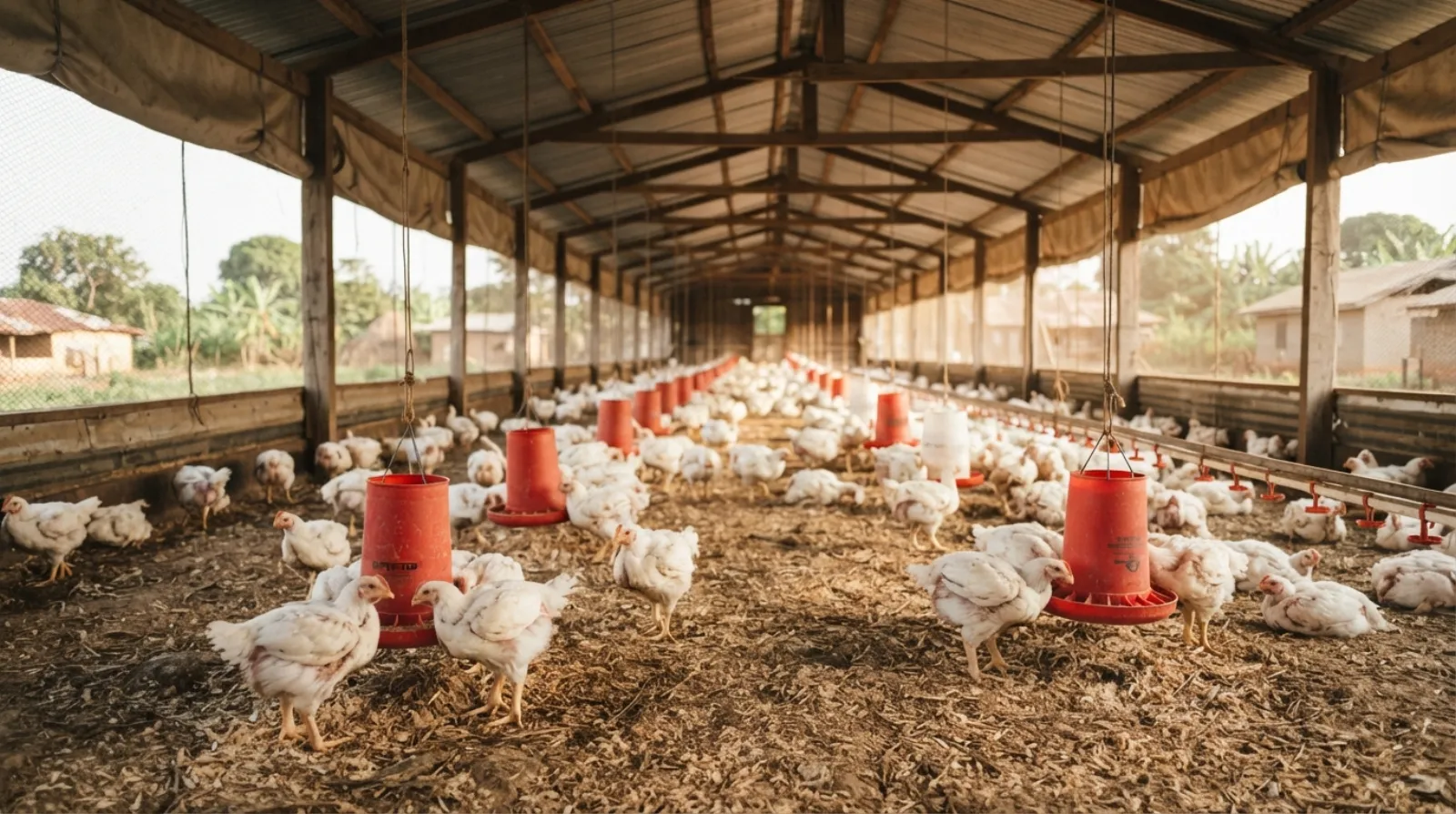
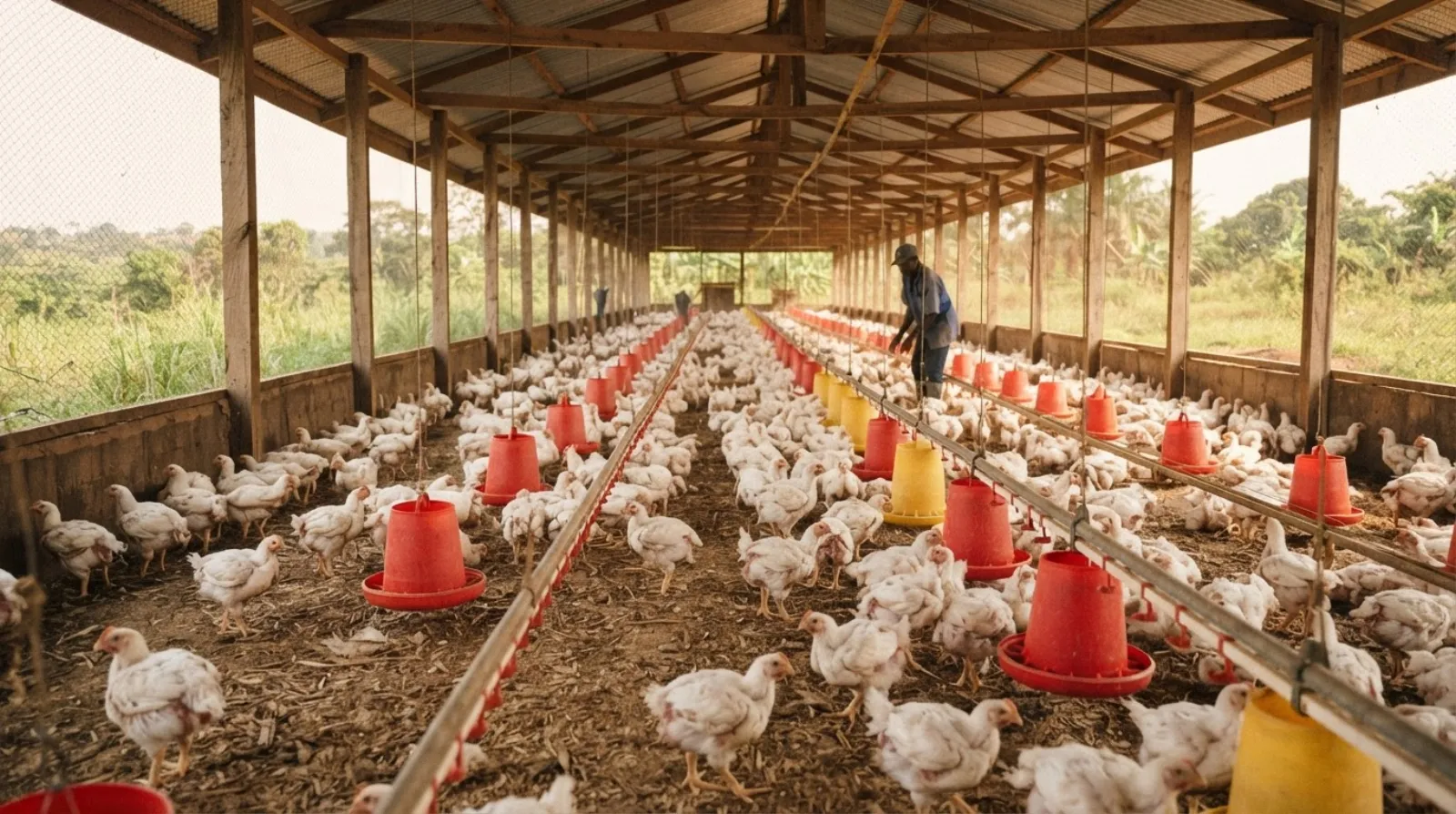
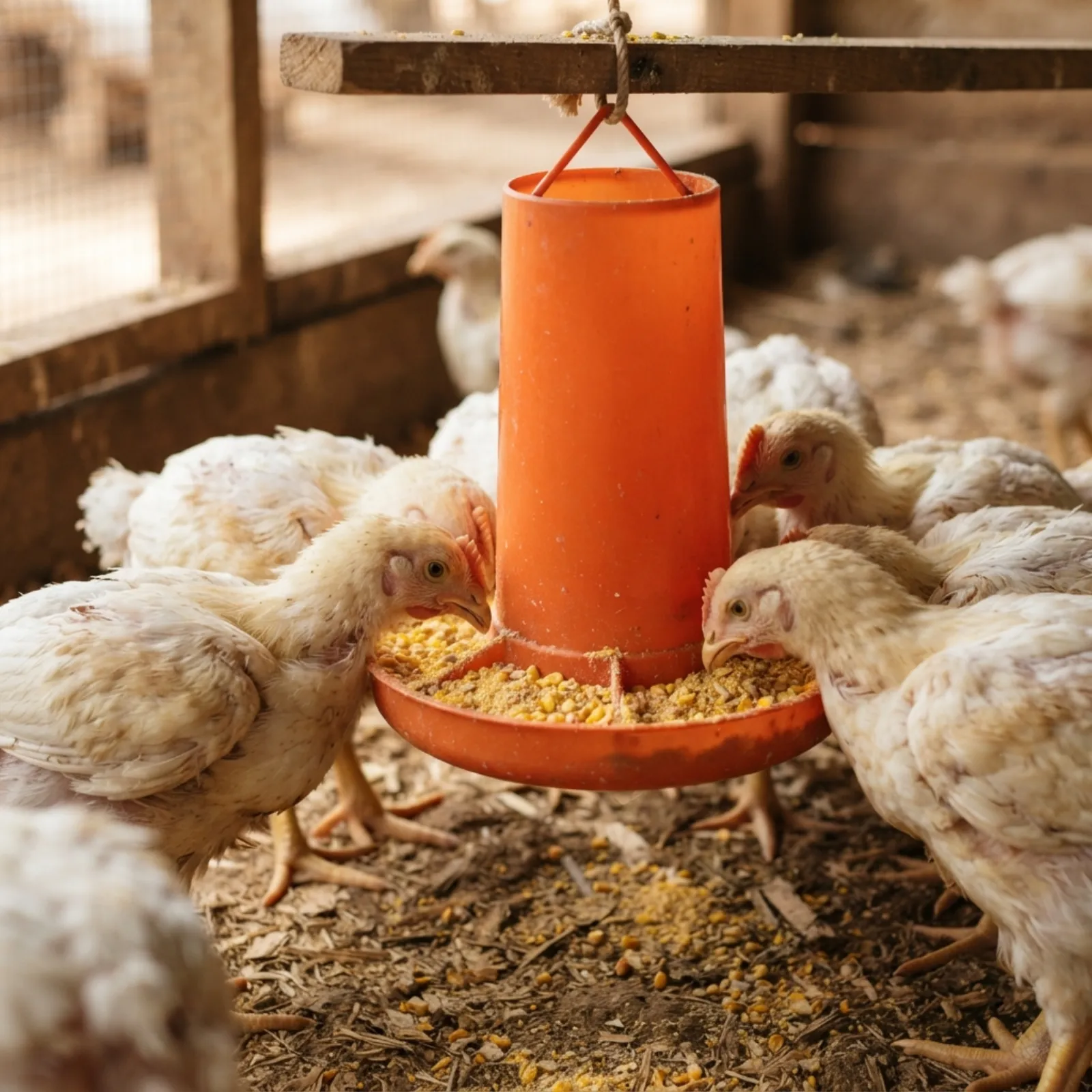
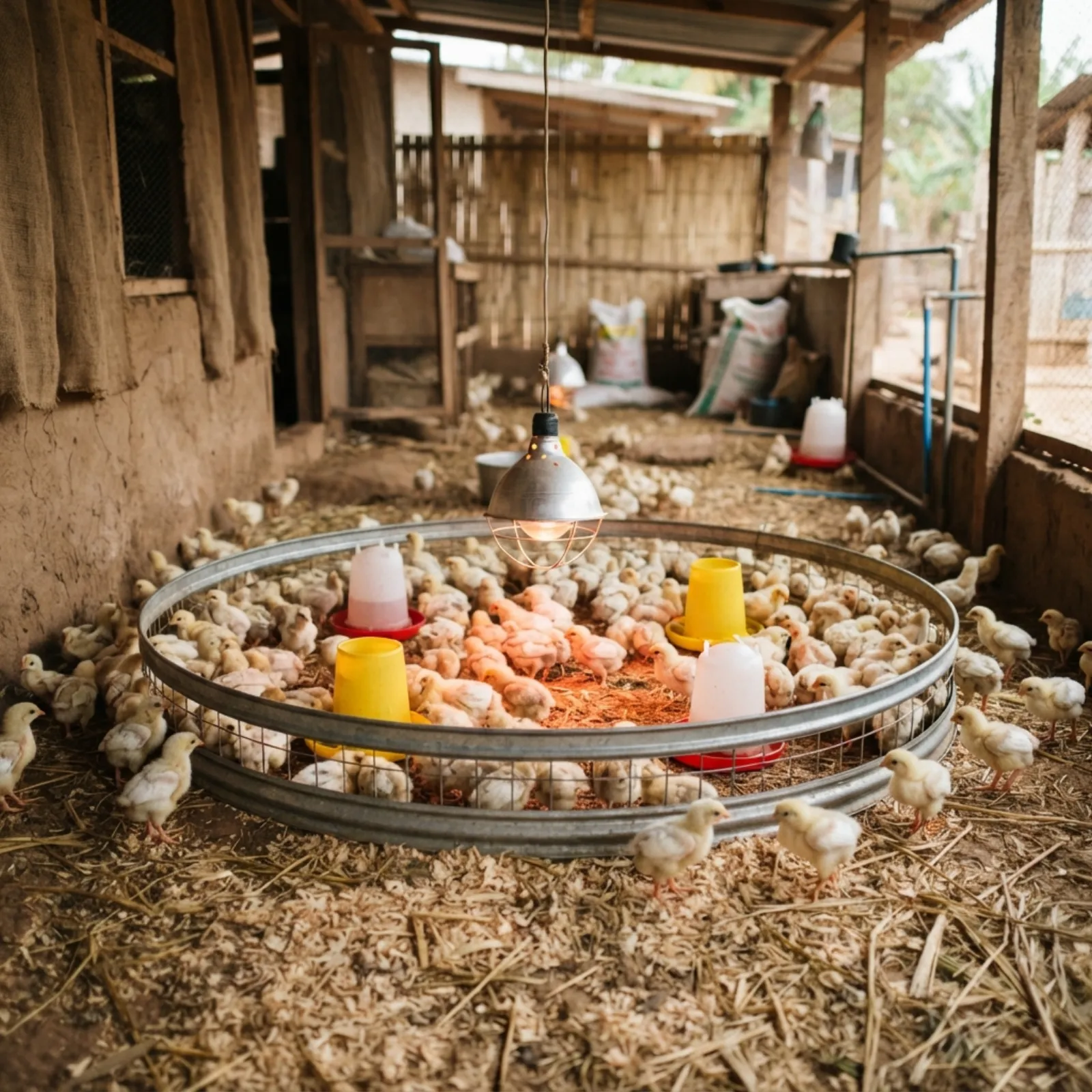
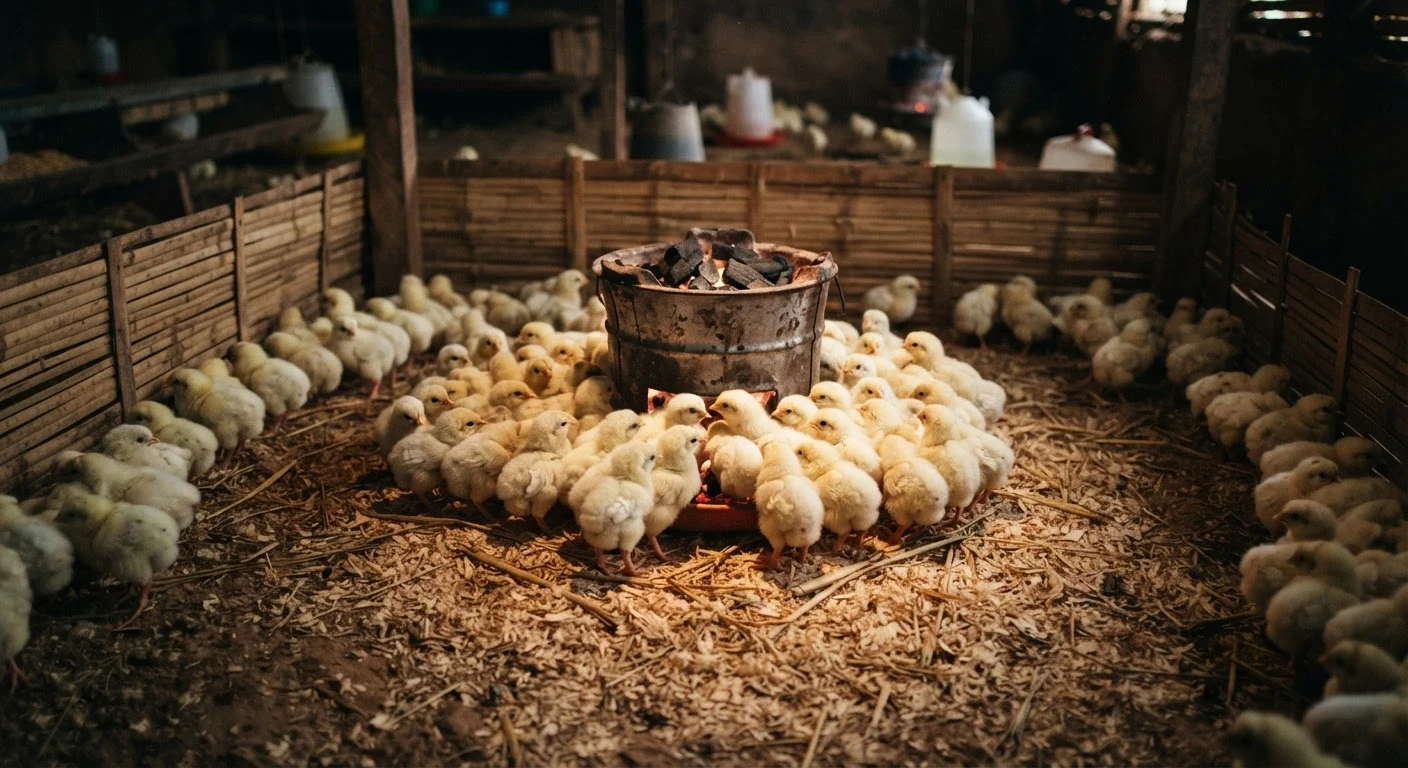
If you want to enter with little money, master brooding. It is the fortnight most farms handle badly, it needs skill more than capital, and a good brooder can sell stronger two-week birds at a premium. Start by running a small brooding batch under a farmer who will let you learn, and watch how chick behaviour, not just the thermometer, tells you the temperature is right. The trap is assuming you need a big shed to begin; the brooding service is a business on a few square metres. What you gain is the single most valuable husbandry skill in the cycle and a stream of farmer customers.
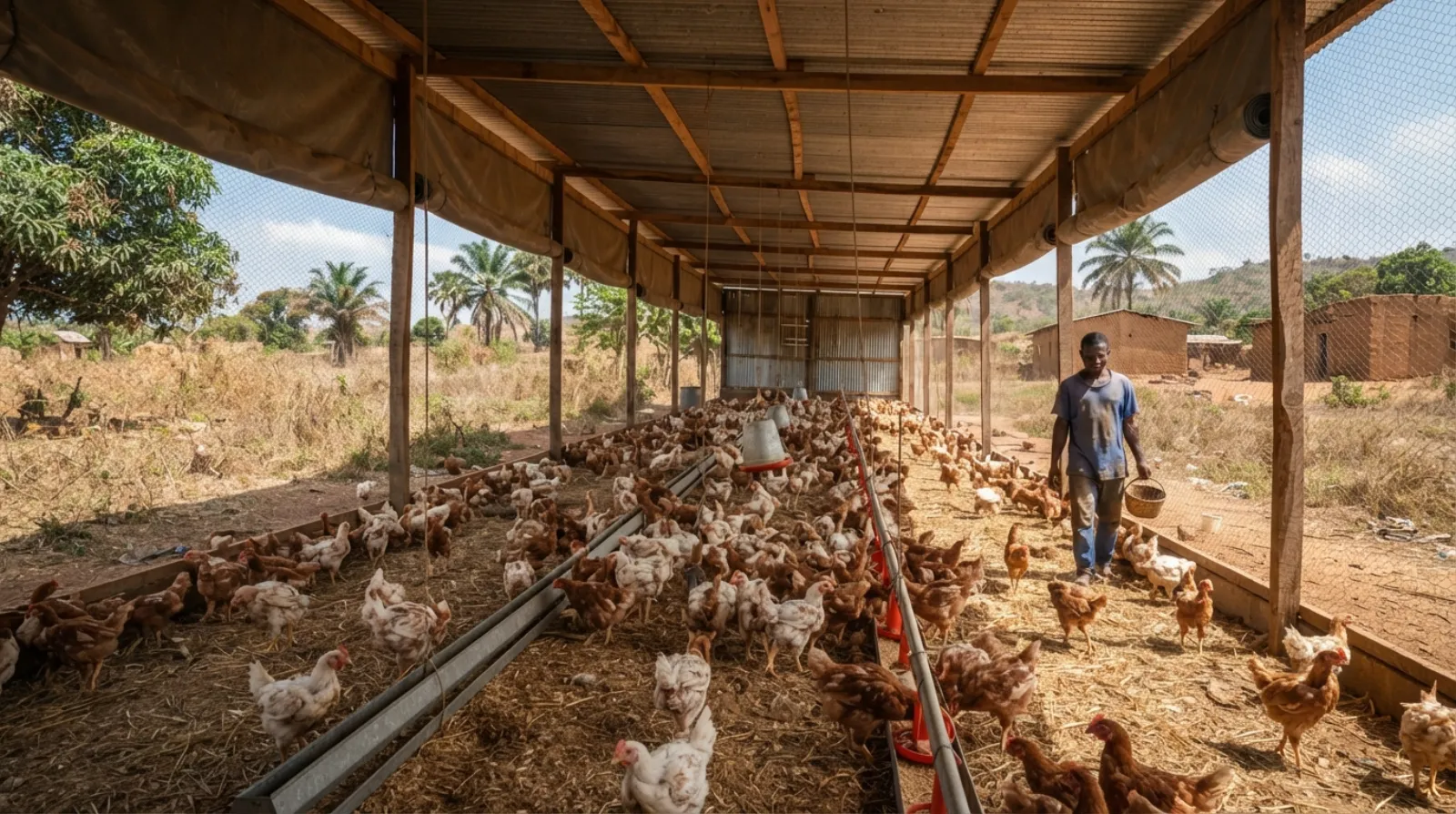
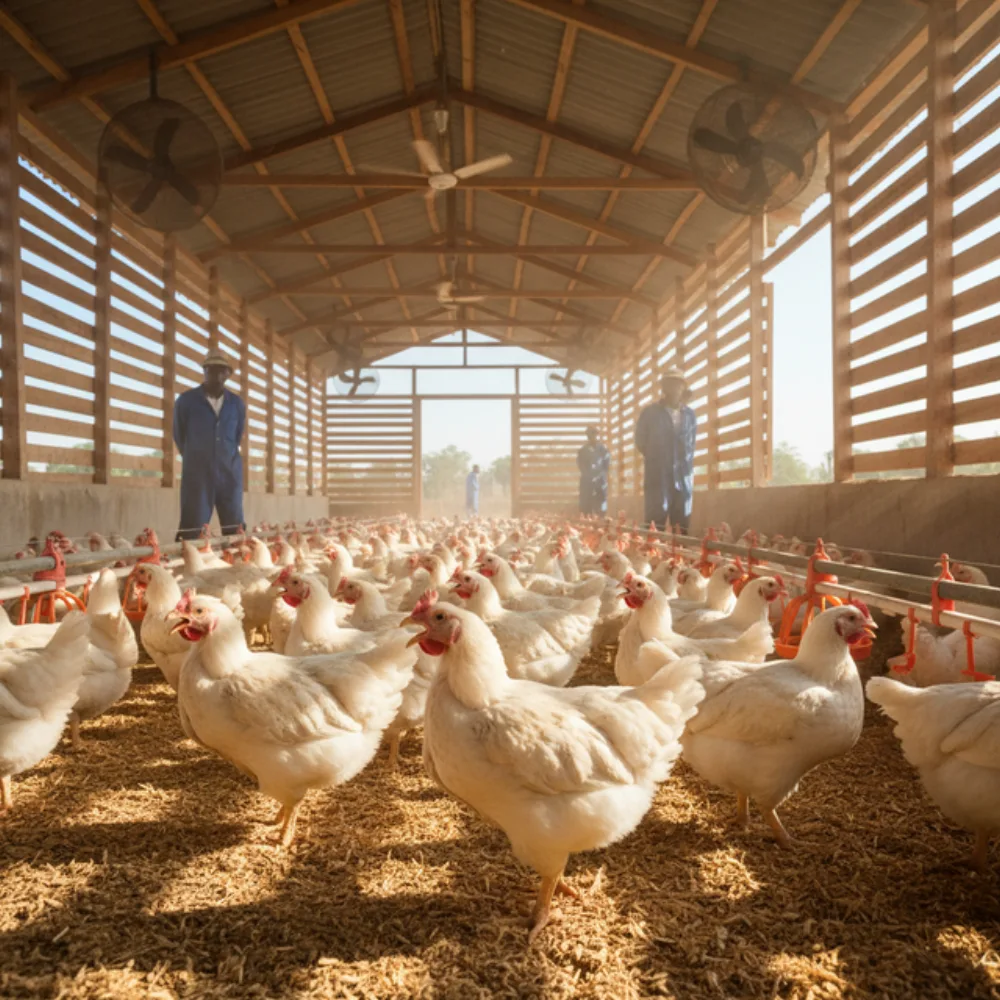
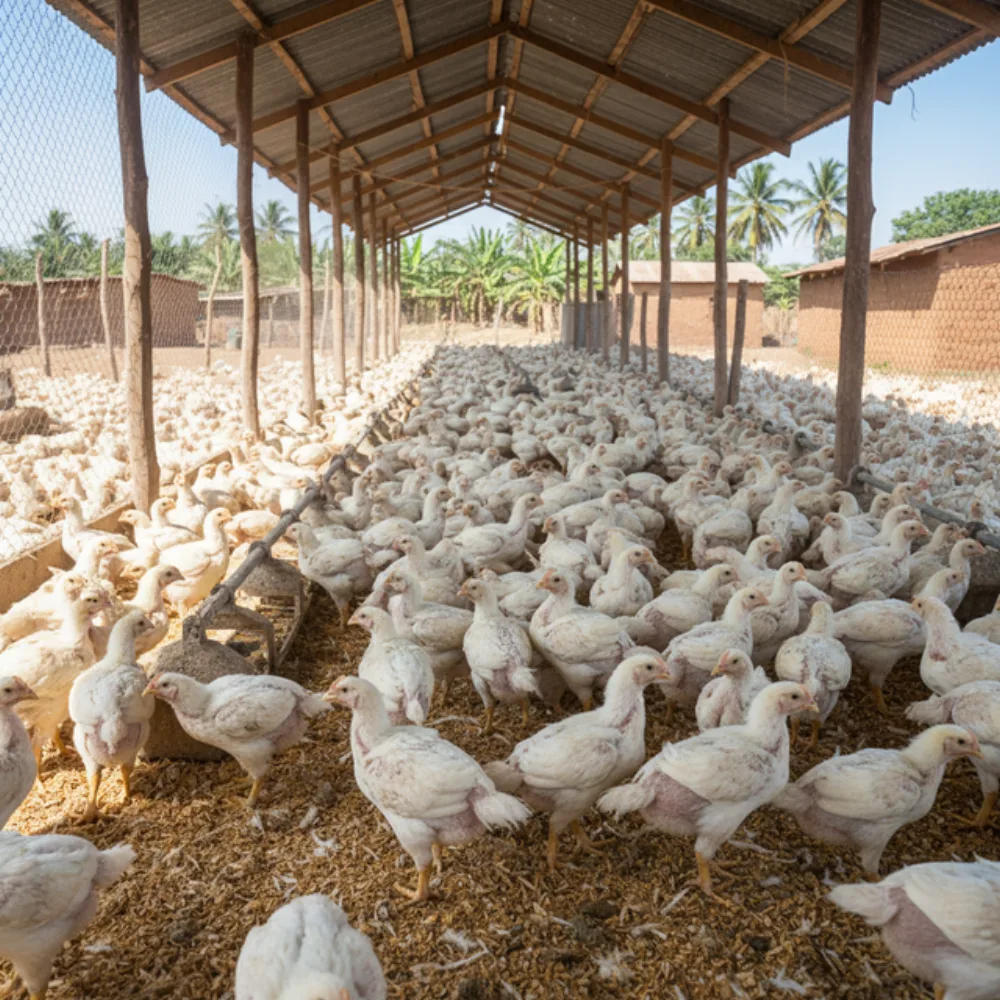
First move: fix the three husbandry levers you actually control, heat, ventilation and litter, before you scale bird numbers, because in an open-sided house these decide your feed bill. Secure a shed sited near feed and a market, set up even brooding and clean water, then grow flock size only once the cycle runs clean. The trap that kills first-timers is overstocking a cheap shed to spread costs, which raises ammonia, disease and mortality until the extra birds lose money. Husbandry, not a bigger shed, is the profit lever.
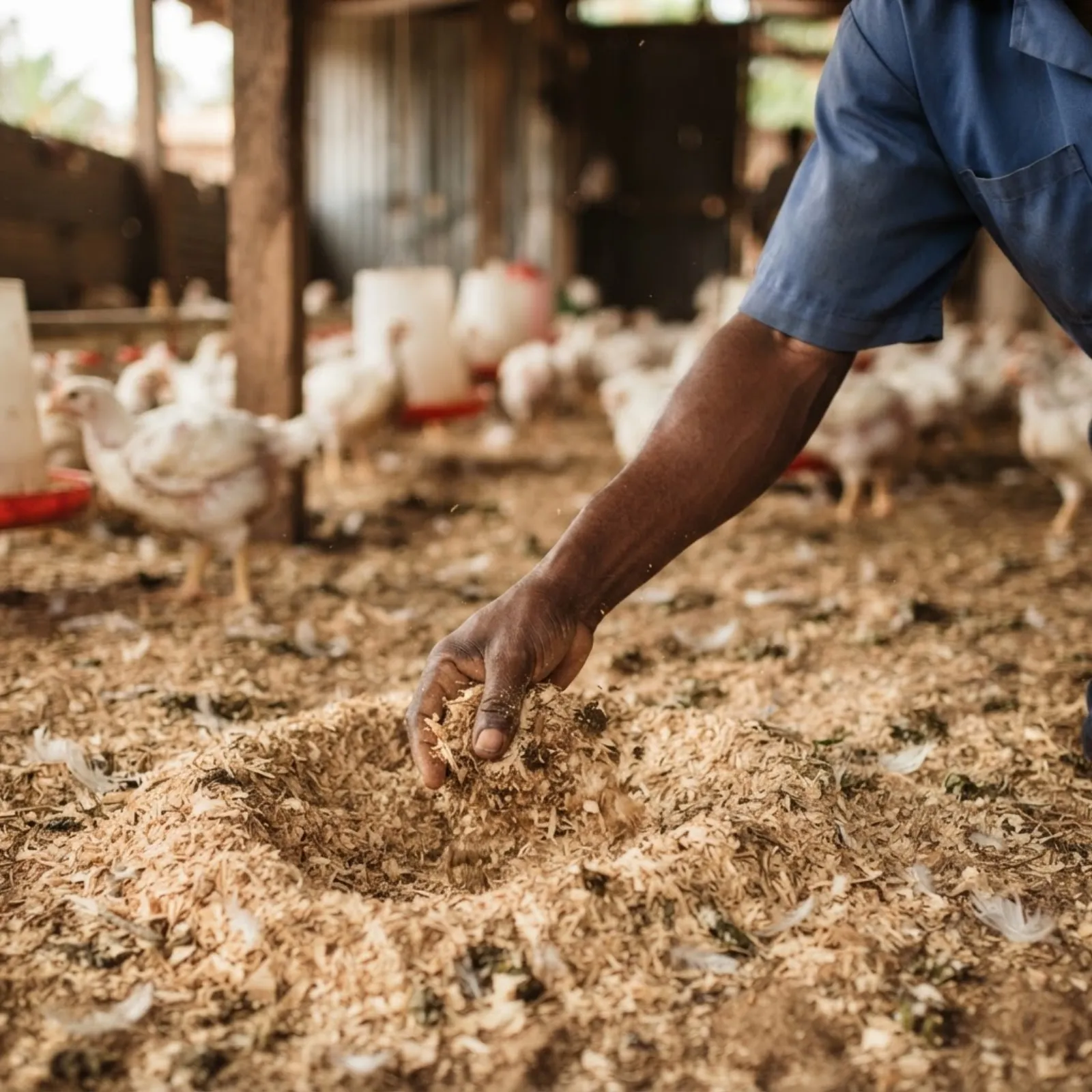
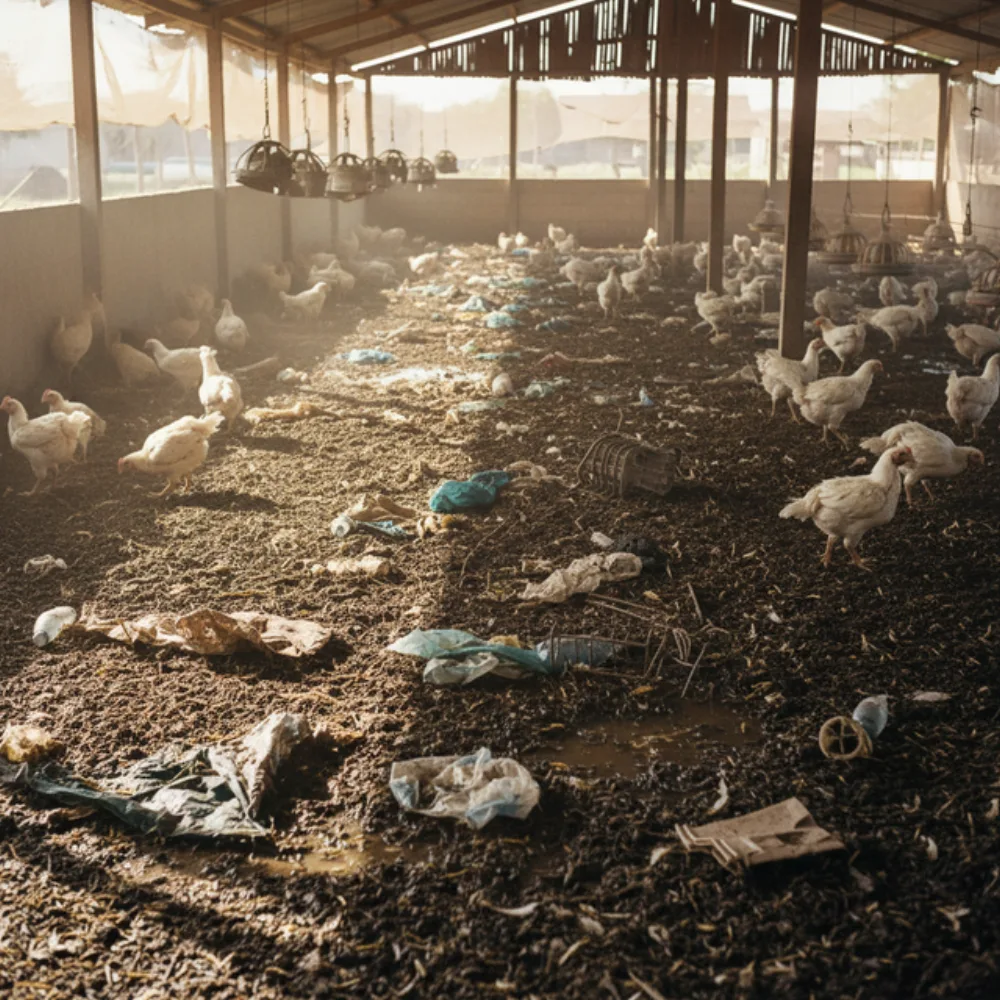
Diligence asks: how is this farm brooding, ventilating and managing litter and density, because in a tropical open-sided house those decide the feed conversion ratio and therefore the margin. Do not be impressed by shed size; be impressed by dry litter, even brooding and sensible stocking. The thesis worth backing is husbandry-enabling services and kit, contract brooding, ventilation retrofits and equipment supply, which lift performance across many farms at once. Underwrite the management system, and treat any farm running at breed-sheet FCR claims with scepticism until it is measured on site.
The lever is husbandry capacity: training, extension and affordable equipment that help open-sided farms manage heat, water, litter and brooding. Measure success as the fall in average feed conversion ratio and cycle mortality across supported farms, not as sheds built. The failure to avoid is financing houses and birds without the management skills to run them, which produces underperforming flocks and defaulted loans, the pattern past programmes have repeated.
If you want to enter with little money, master brooding. It is the fortnight most farms handle badly, it needs skill more than capital, and a good brooder can sell stronger two-week birds at a premium. Start by running a small brooding batch under a farmer who will let you learn, and watch how chick behaviour, not just the thermometer, tells you the temperature is right. The trap is assuming you need a big shed to begin; the brooding service is a business on a few square metres. What you gain is the single most valuable husbandry skill in the cycle and a stream of farmer customers.
First move: fix the three husbandry levers you actually control, heat, ventilation and litter, before you scale bird numbers, because in an open-sided house these decide your feed bill. Secure a shed sited near feed and a market, set up even brooding and clean water, then grow flock size only once the cycle runs clean. The trap that kills first-timers is overstocking a cheap shed to spread costs, which raises ammonia, disease and mortality until the extra birds lose money. Husbandry, not a bigger shed, is the profit lever.
Diligence asks: how is this farm brooding, ventilating and managing litter and density, because in a tropical open-sided house those decide the feed conversion ratio and therefore the margin. Do not be impressed by shed size; be impressed by dry litter, even brooding and sensible stocking. The thesis worth backing is husbandry-enabling services and kit, contract brooding, ventilation retrofits and equipment supply, which lift performance across many farms at once. Underwrite the management system, and treat any farm running at breed-sheet FCR claims with scepticism until it is measured on site.
The lever is husbandry capacity: training, extension and affordable equipment that help open-sided farms manage heat, water, litter and brooding. Measure success as the fall in average feed conversion ratio and cycle mortality across supported farms, not as sheds built. The failure to avoid is financing houses and birds without the management skills to run them, which produces underperforming flocks and defaulted loans, the pattern past programmes have repeated.