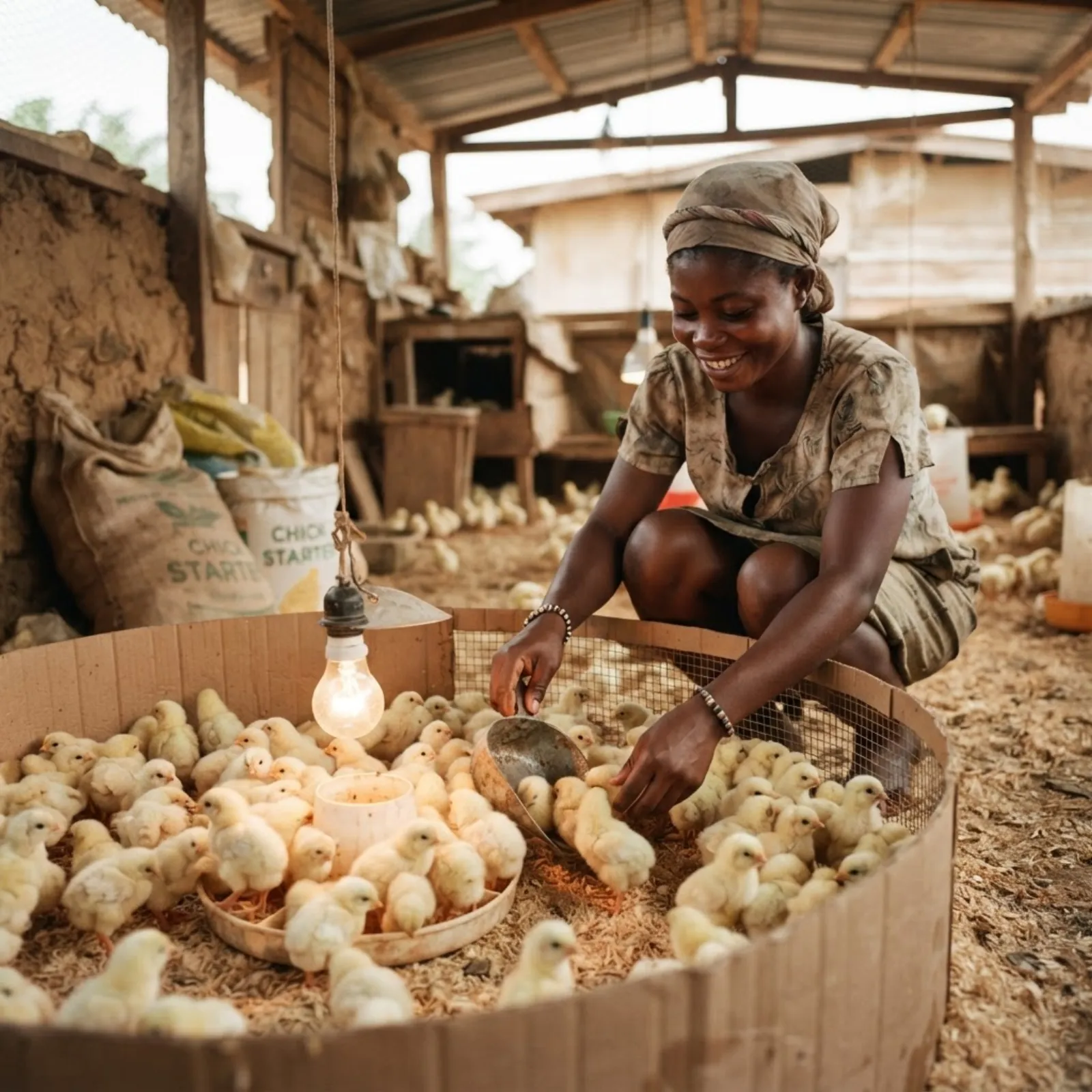
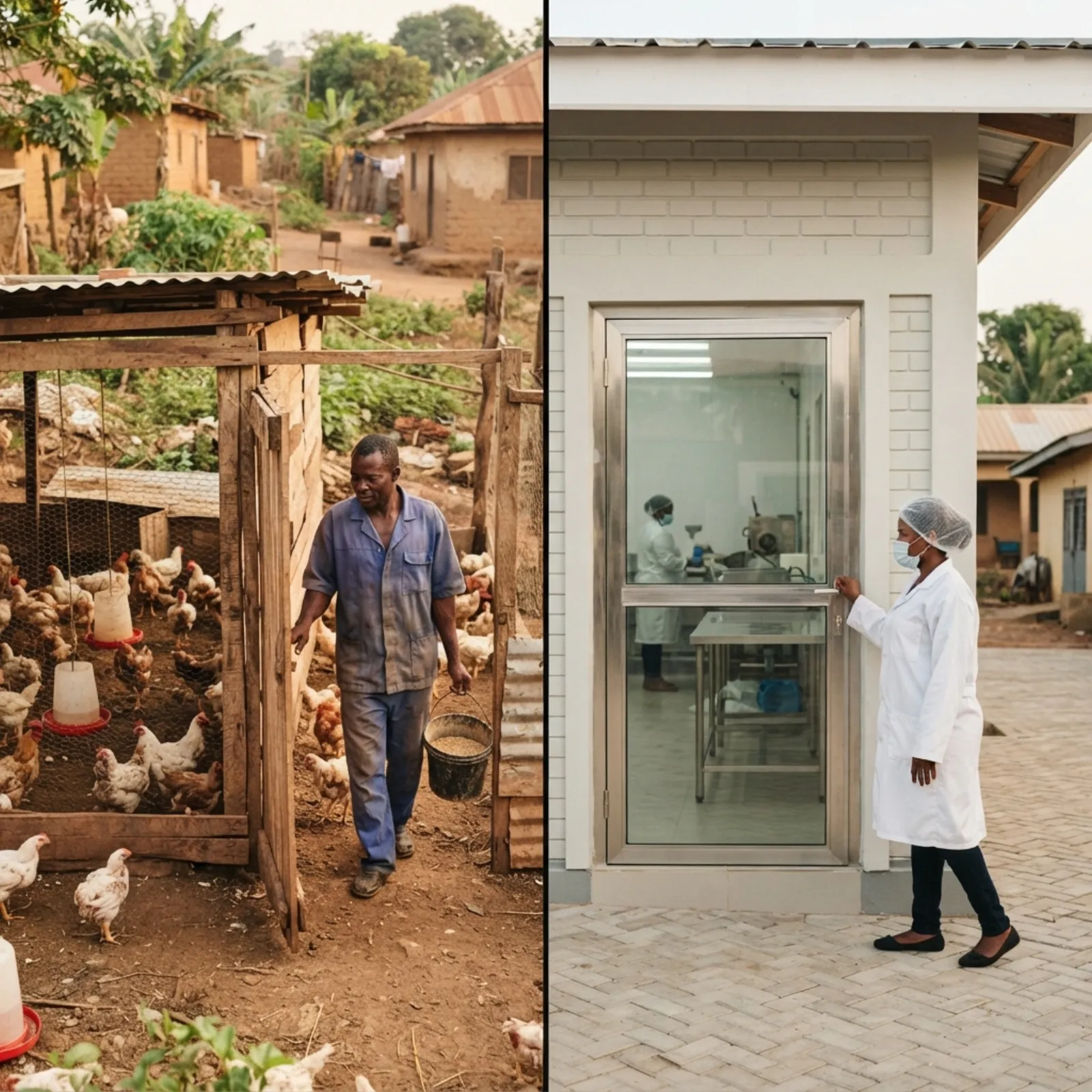
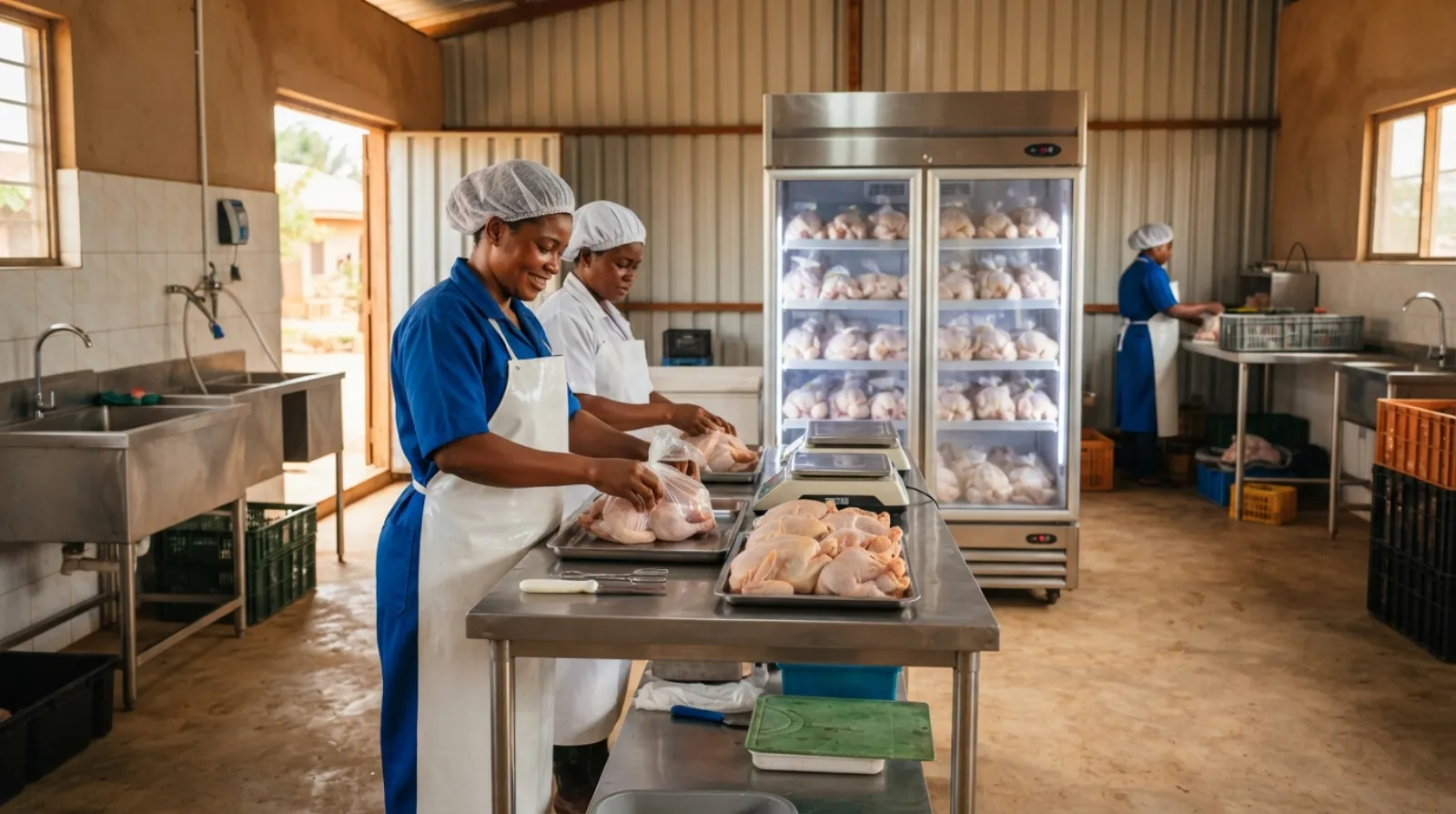
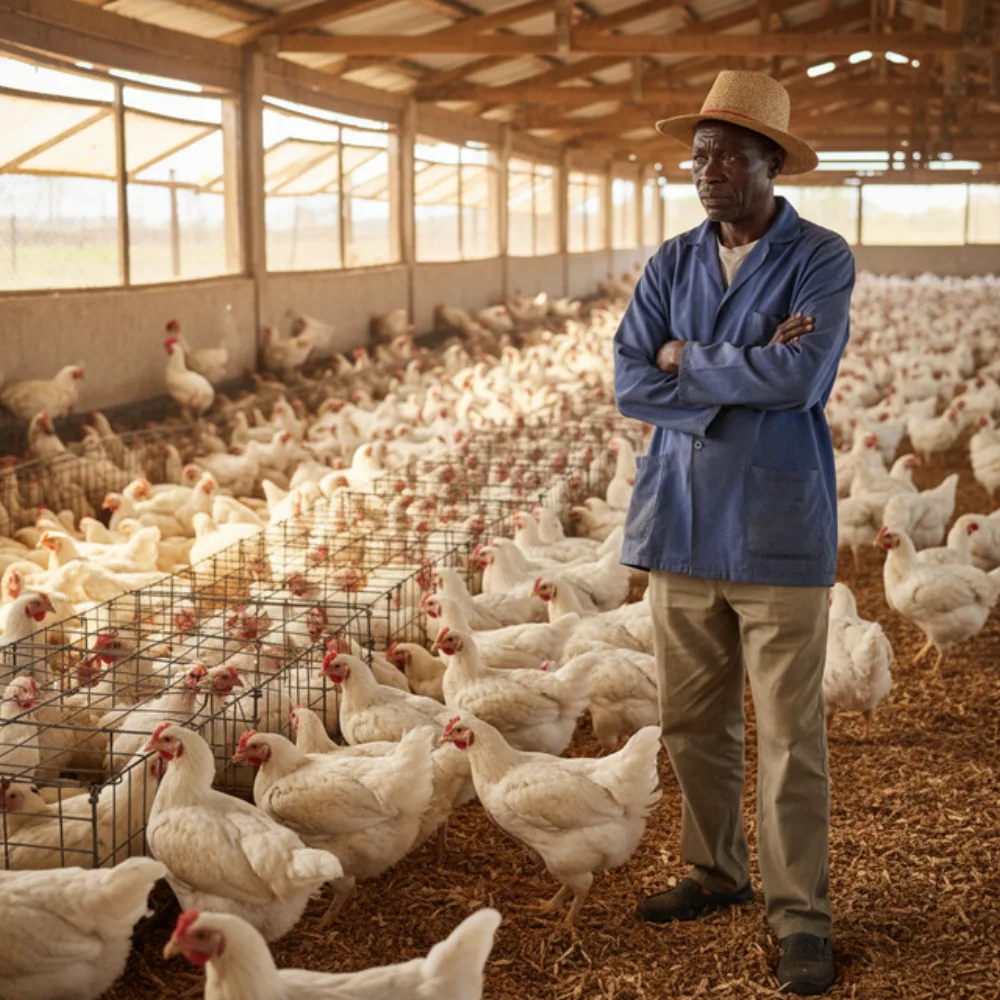
If you are planning a career in this sector, aim at where the sector is heading. The breakthrough decade needs people who can build and run the missing middle and the digital tools as well as raise birds. Build a skill that the connected chain will need, processing, cold-chain logistics, aggregation, or the practical use of digital tools, and you will be valuable as the sector matures. The trap is training only for production, the one node best avoided as a cold entry. What you gain is a career aligned with where the sector is going.
First move: place your bet where the breakthrough future needs building, in the missing middle, local inputs, or digital enablement, and design the venture to work at market prices so it survives any policy. Position now for the buy-local and import-substitution tailwind, but do not depend on it. The trap that kills first-timers is chasing the subsidised headline of the moment instead of the structural gap that will still be open in five years. Build the piece of the connected chain that your capital and skills fit.
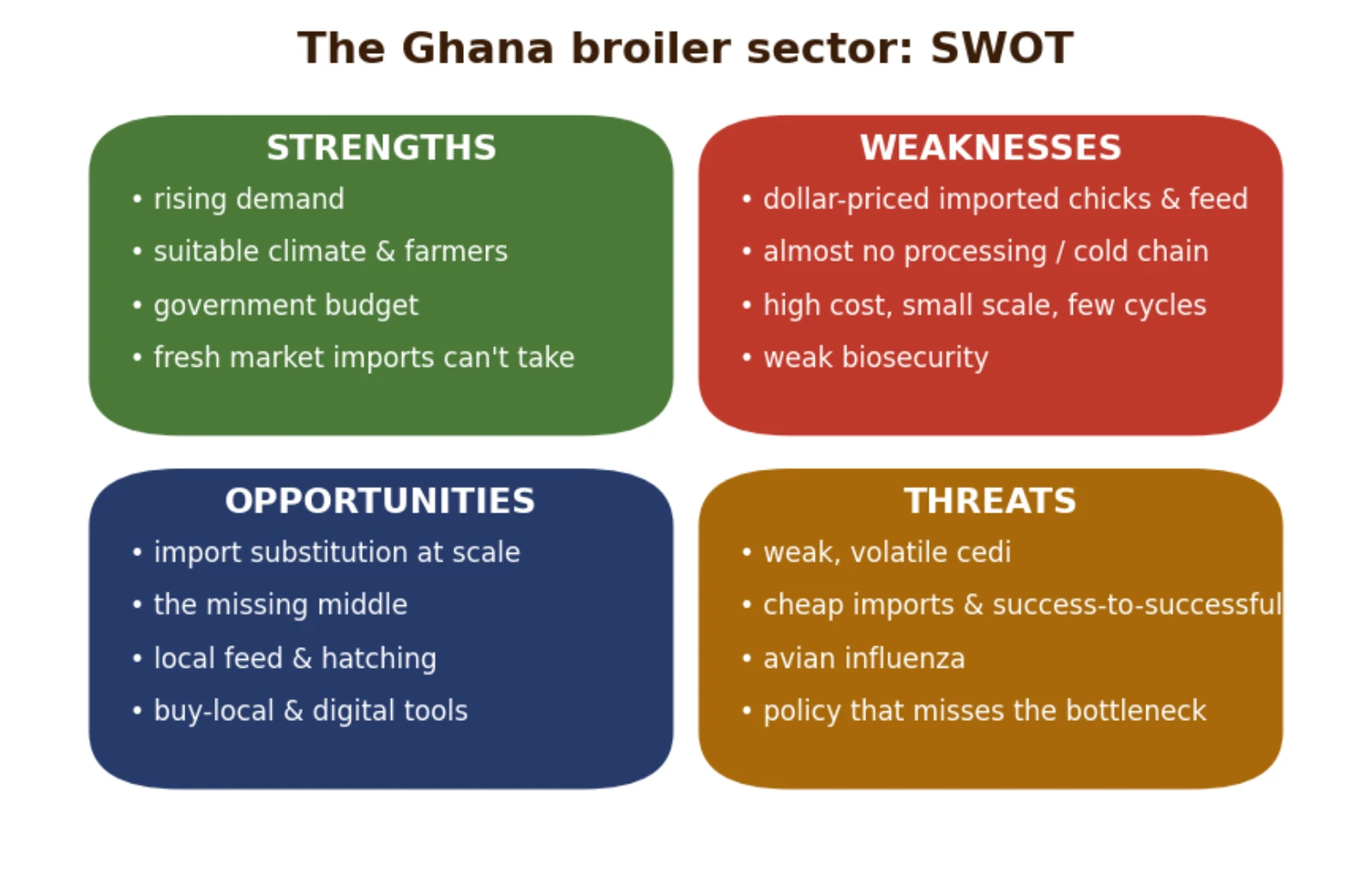
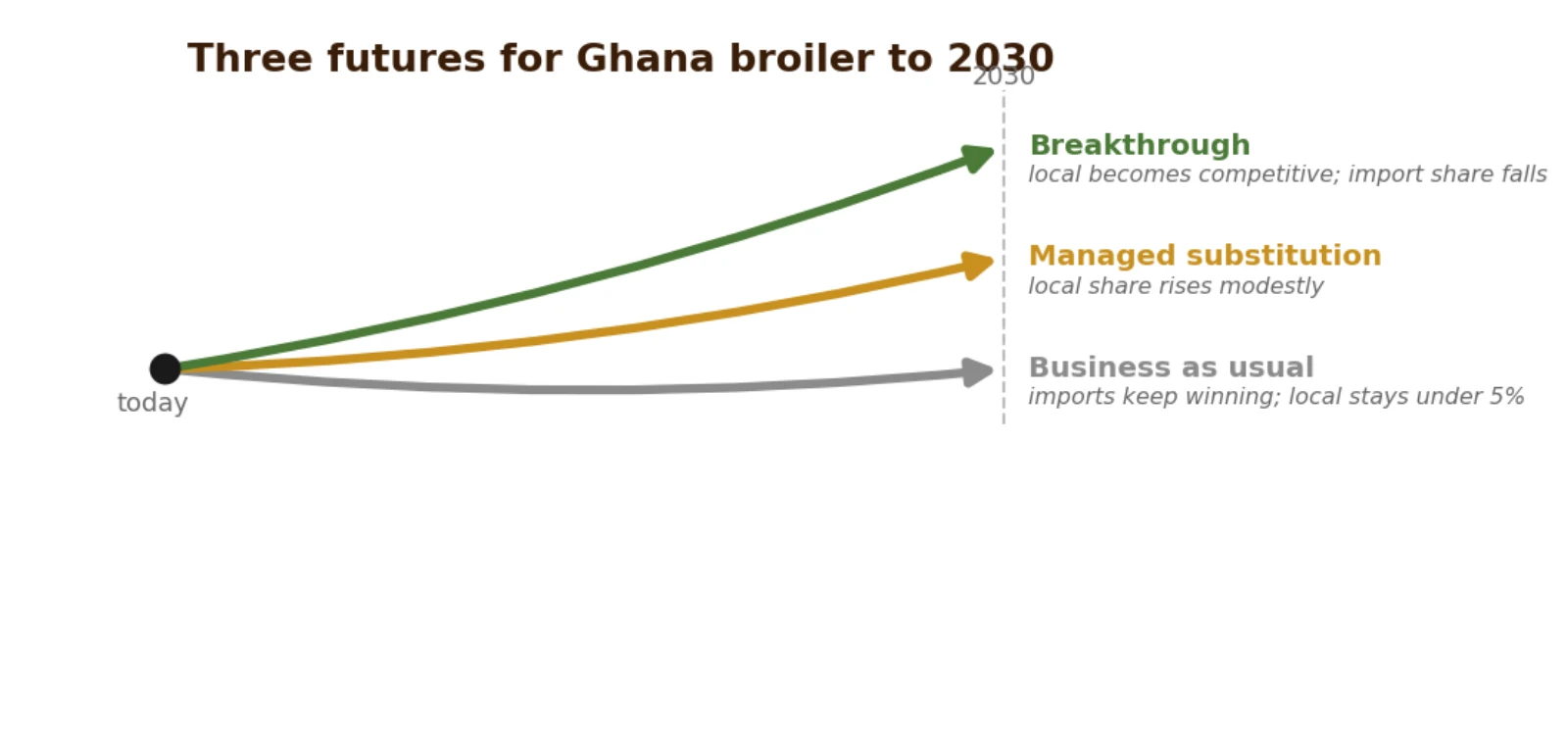
Diligence asks: does this venture help break the bottleneck, and does it work without the current policy tailwind. The decade's returns are in the missing middle, local inputs and digital enablement, the pieces that turn business-as-usual into breakthrough. Back offtake-anchored, subsidy-free models in those nodes, and be wary of production-heavy plays that ride a programme. The thesis is the connected chain, and the value accrues to whoever supplies the scarce link.
The lever is to align every instrument, budget, guarantee, procurement and donor programme, behind breaking the bottleneck: local feed and hatching, processing and cold chain, and the digital tools that scale them. Measure success as the fall in import share and cost per kilogram and the rise in processing and cold-chain capacity. The failure to avoid is the recurring one, funding output and free inputs while the structural gap that keeps imports winning stays open for another decade.
If you are planning a career in this sector, aim at where the sector is heading. The breakthrough decade needs people who can build and run the missing middle and the digital tools as well as raise birds. Build a skill that the connected chain will need, processing, cold-chain logistics, aggregation, or the practical use of digital tools, and you will be valuable as the sector matures. The trap is training only for production, the one node best avoided as a cold entry. What you gain is a career aligned with where the sector is going.
First move: place your bet where the breakthrough future needs building, in the missing middle, local inputs, or digital enablement, and design the venture to work at market prices so it survives any policy. Position now for the buy-local and import-substitution tailwind, but do not depend on it. The trap that kills first-timers is chasing the subsidised headline of the moment instead of the structural gap that will still be open in five years. Build the piece of the connected chain that your capital and skills fit.
Diligence asks: does this venture help break the bottleneck, and does it work without the current policy tailwind. The decade's returns are in the missing middle, local inputs and digital enablement, the pieces that turn business-as-usual into breakthrough. Back offtake-anchored, subsidy-free models in those nodes, and be wary of production-heavy plays that ride a programme. The thesis is the connected chain, and the value accrues to whoever supplies the scarce link.
The lever is to align every instrument, budget, guarantee, procurement and donor programme, behind breaking the bottleneck: local feed and hatching, processing and cold chain, and the digital tools that scale them. Measure success as the fall in import share and cost per kilogram and the rise in processing and cold-chain capacity. The failure to avoid is the recurring one, funding output and free inputs while the structural gap that keeps imports winning stays open for another decade.