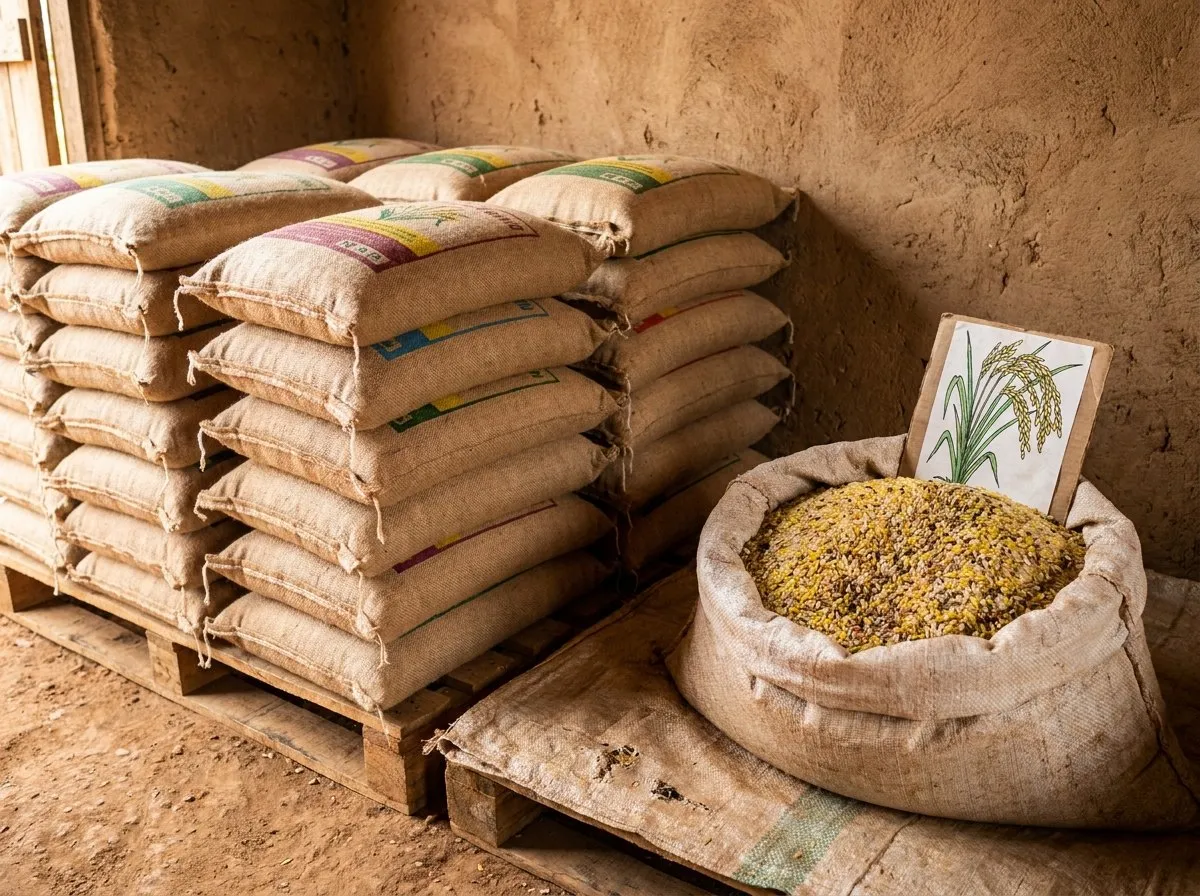
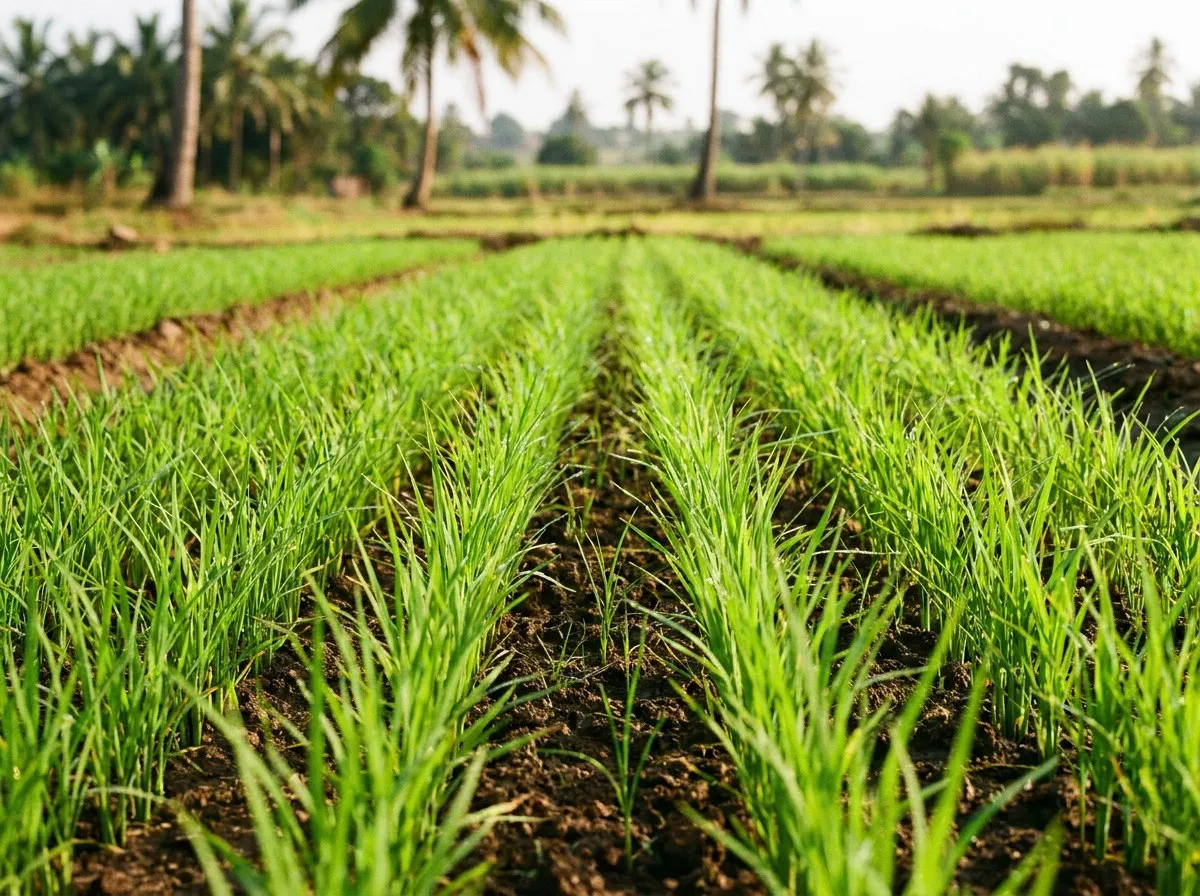
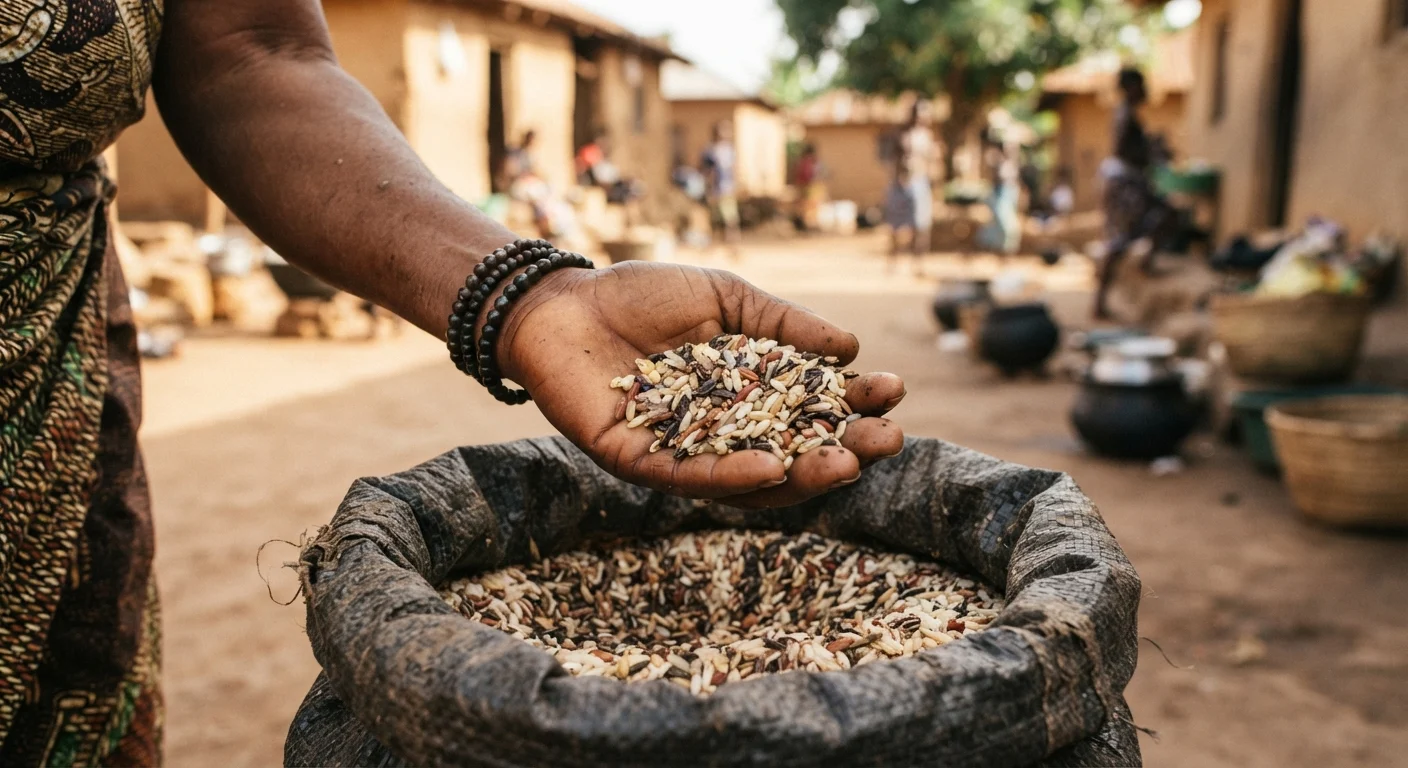
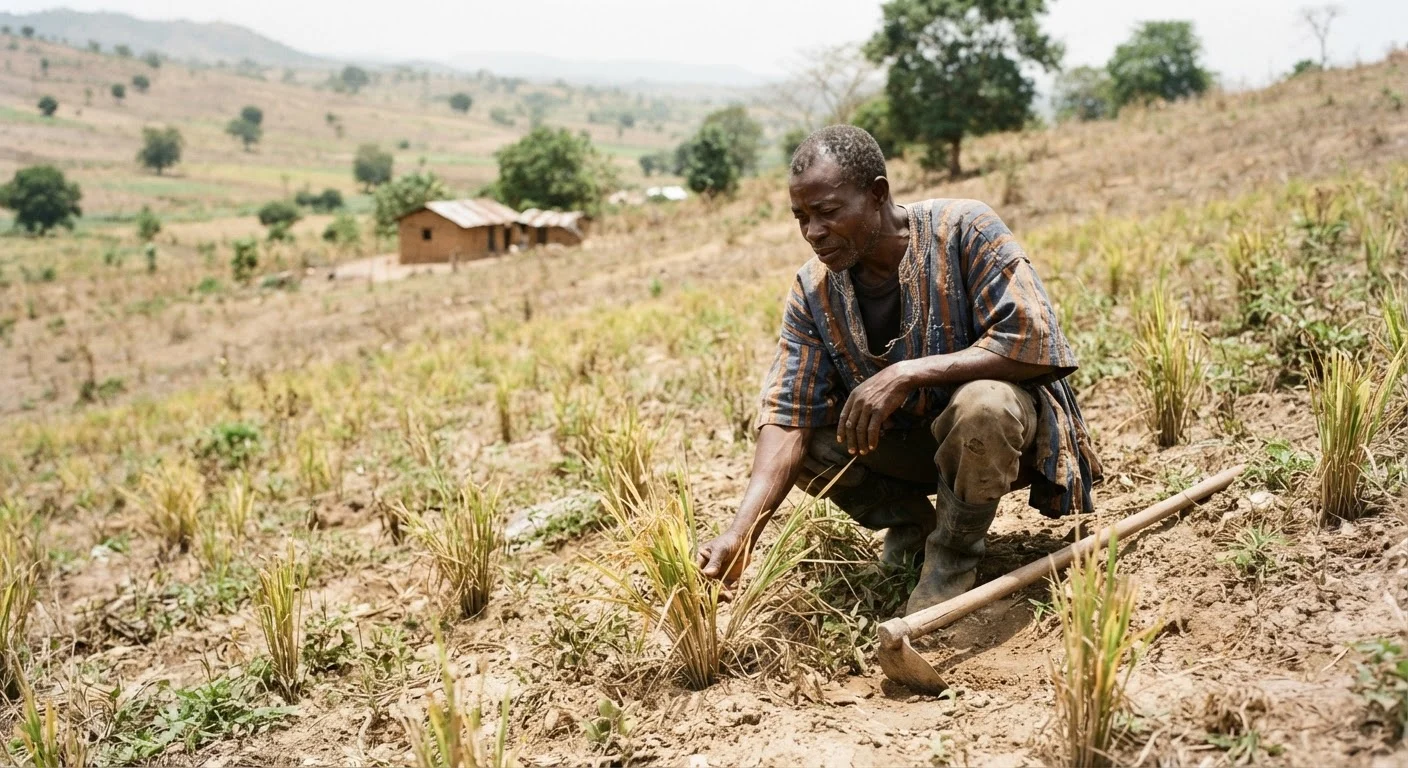
If you are thinking of entering rice, do not start by looking for land to farm. The faster and cheaper door in is seed, advice and services. Learn to tell clean, single-variety certified seed from saved mixed grain, to match a variety to an ecology (an aromatic like Jasmine 85 under irrigation for the premium shelf, a drought-tolerant savanna type for the rain-fed north), and you can work as a field agent for a seed grower, run a small seed-multiplication plot, or sell variety and irrigation advice. The gap to fill: most farmers plant saved, mixed seed and harvest mixed low-grade grain, so their yield and their price both suffer. That knowledge is worth money. The trap to avoid is assuming irrigated land is cheap and available; it usually is not, which is exactly why the asset-light entry into seed and services beats trying to farm.
First move: secure a source of foundation seed of one or two good varieties, an aromatic for the premium market and a drought-tolerant type for the north, from the Crops Research Institute or the Savanna Agricultural Research Institute, before anything else, because clean single-variety seed is the one thing you cannot fake. Then multiply it and sell certified, labelled seed into your district, tied to a named mill or brand that wants that variety. The trap: multiplying a mixed or unimproved lot, which just spreads the mixed-grain problem you are meant to be solving. The tailwind to use is the Feed Ghana Programme, which targets rice self-sufficiency by 2028 and is funding seed, irrigation and mechanisation, although government modelling in June 2026 put full self-sufficiency about ten years away614.
Diligence asks: the thesis is that certified-seed use can grow many times over from a low base, and that an aromatic variety grown under irrigation for a branded buyer targets the premium of about 51 percent that Kumasi consumers said they would pay for better local rice15. Ask for the foundation-seed source and its certification records, the multiplication-to-sale margin per hectare, and a real off-take link to a mill or brand. Structure the money as working capital for clean seed and a distribution network, released against certified-seed and off-take milestones, not hectares planted. The risk: adoption rises only as fast as farmer credit and awareness, and the 2026 paddy glut shows that growing more without a buyer destroys value. Pair any seed or land bet with a milling, branding or irrigation angle. Do not price in a fast margin; this is a build-the-market play.
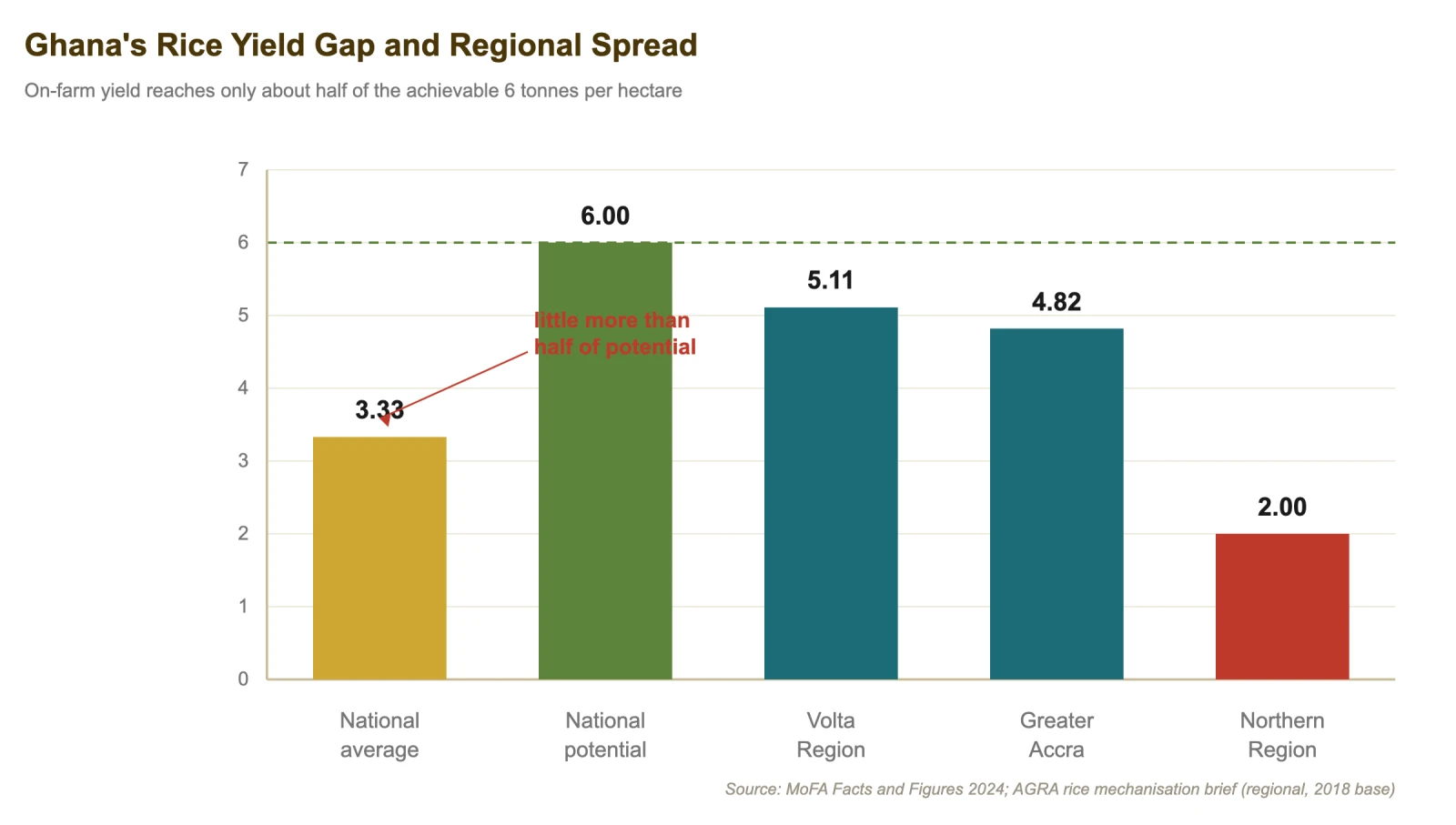
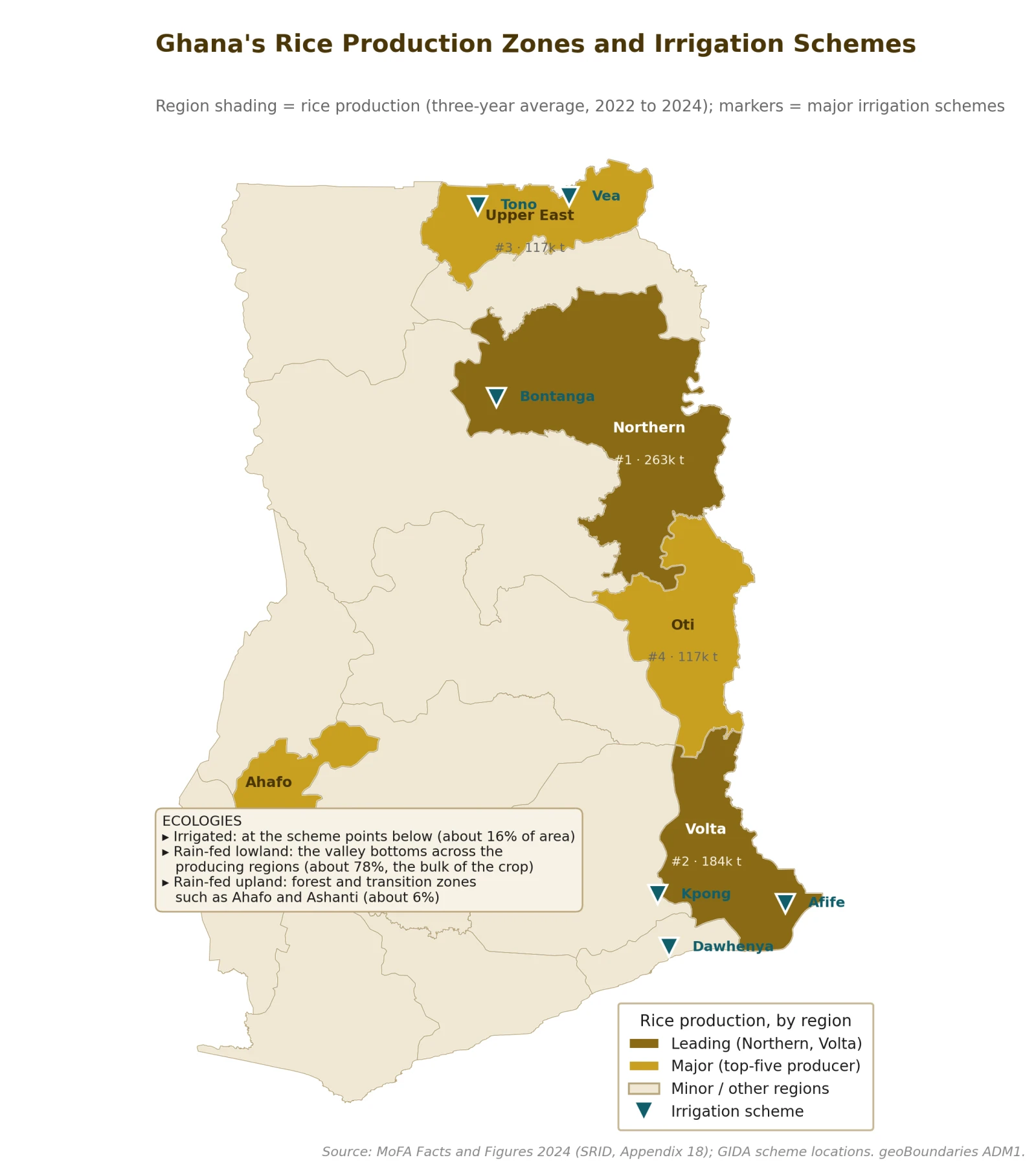
The lever is the certified-seed system and the under-used irrigation. Ghana already has excellent aromatic and drought-tolerant varieties sitting mostly in research stations, and several large irrigation schemes badly under-used. Fund and measure the two rails that carry value to farmers: the share of farmers planting certified seed, and the share of scheme capacity actually in use. The measurable outcome is certified-seed use rising from below half of planting toward all of it, scheme use rising off its low base, and the national yield moving off 3.33 tonnes a hectare. The failure to avoid is releasing new varieties and rehabilitating schemes that never reach farmers because there is no seed and finance rail to carry them.
If you are thinking of entering rice, do not start by looking for land to farm. The faster and cheaper door in is seed, advice and services. Learn to tell clean, single-variety certified seed from saved mixed grain, to match a variety to an ecology (an aromatic like Jasmine 85 under irrigation for the premium shelf, a drought-tolerant savanna type for the rain-fed north), and you can work as a field agent for a seed grower, run a small seed-multiplication plot, or sell variety and irrigation advice. The gap to fill: most farmers plant saved, mixed seed and harvest mixed low-grade grain, so their yield and their price both suffer. That knowledge is worth money. The trap to avoid is assuming irrigated land is cheap and available; it usually is not, which is exactly why the asset-light entry into seed and services beats trying to farm.
First move: secure a source of foundation seed of one or two good varieties, an aromatic for the premium market and a drought-tolerant type for the north, from the Crops Research Institute or the Savanna Agricultural Research Institute, before anything else, because clean single-variety seed is the one thing you cannot fake. Then multiply it and sell certified, labelled seed into your district, tied to a named mill or brand that wants that variety. The trap: multiplying a mixed or unimproved lot, which just spreads the mixed-grain problem you are meant to be solving. The tailwind to use is the Feed Ghana Programme, which targets rice self-sufficiency by 2028 and is funding seed, irrigation and mechanisation, although government modelling in June 2026 put full self-sufficiency about ten years away614.
Diligence asks: the thesis is that certified-seed use can grow many times over from a low base, and that an aromatic variety grown under irrigation for a branded buyer targets the premium of about 51 percent that Kumasi consumers said they would pay for better local rice15. Ask for the foundation-seed source and its certification records, the multiplication-to-sale margin per hectare, and a real off-take link to a mill or brand. Structure the money as working capital for clean seed and a distribution network, released against certified-seed and off-take milestones, not hectares planted. The risk: adoption rises only as fast as farmer credit and awareness, and the 2026 paddy glut shows that growing more without a buyer destroys value. Pair any seed or land bet with a milling, branding or irrigation angle. Do not price in a fast margin; this is a build-the-market play.
The lever is the certified-seed system and the under-used irrigation. Ghana already has excellent aromatic and drought-tolerant varieties sitting mostly in research stations, and several large irrigation schemes badly under-used. Fund and measure the two rails that carry value to farmers: the share of farmers planting certified seed, and the share of scheme capacity actually in use. The measurable outcome is certified-seed use rising from below half of planting toward all of it, scheme use rising off its low base, and the national yield moving off 3.33 tonnes a hectare. The failure to avoid is releasing new varieties and rehabilitating schemes that never reach farmers because there is no seed and finance rail to carry them.