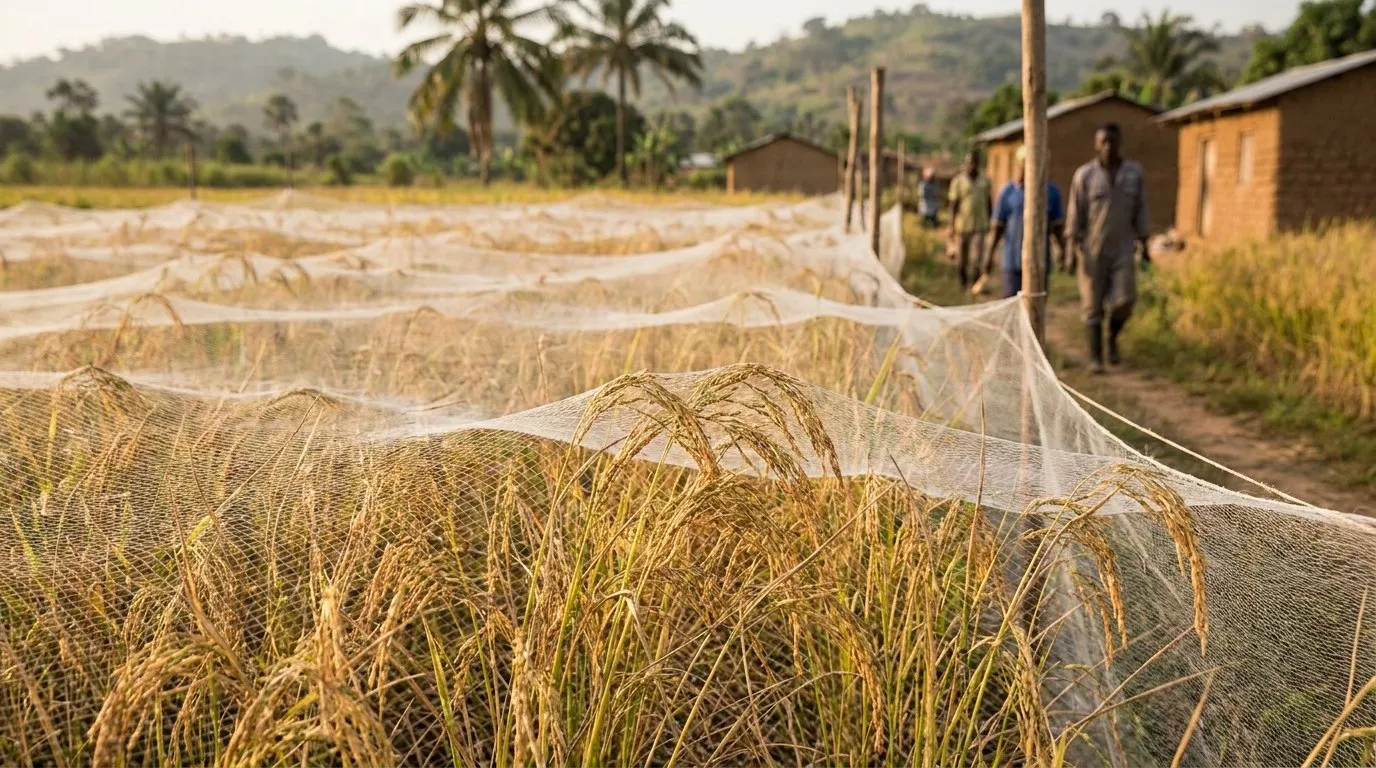
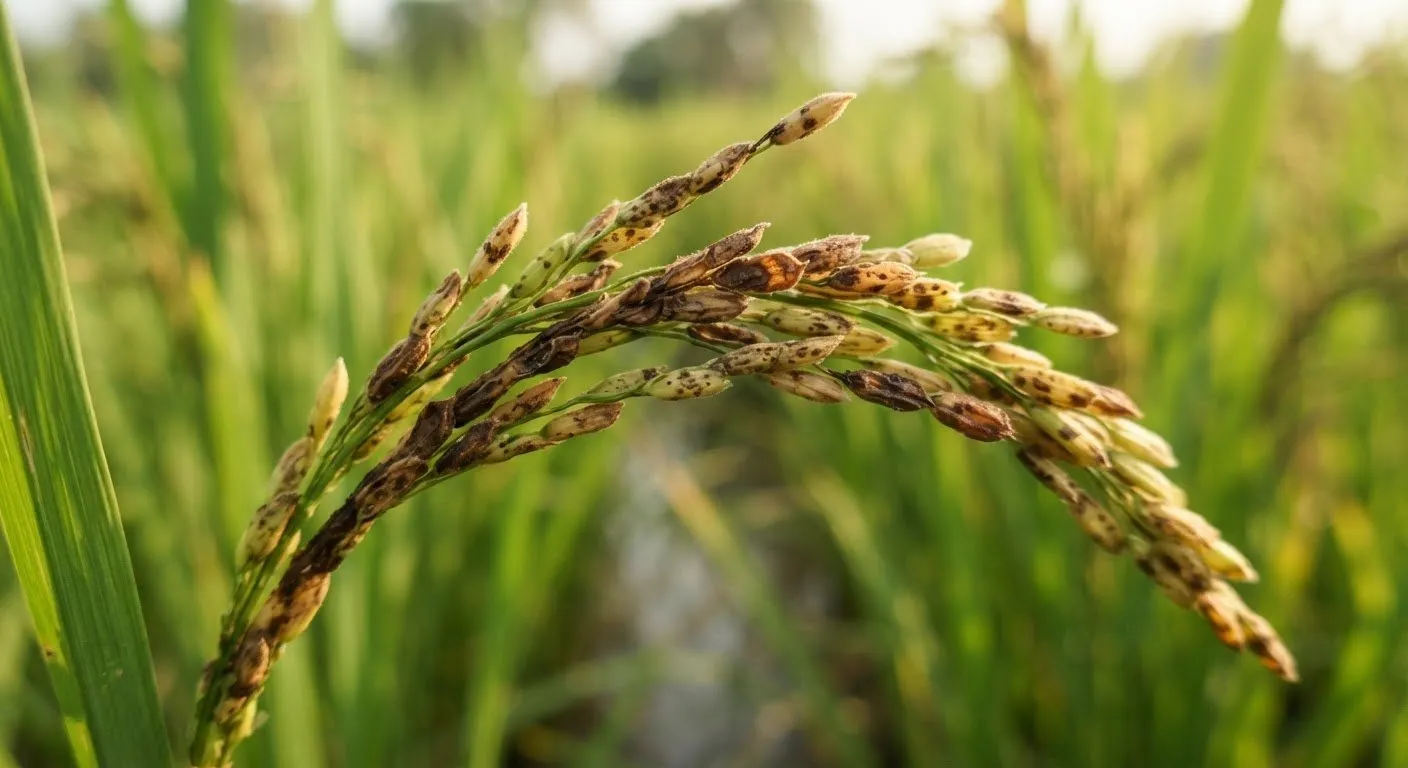
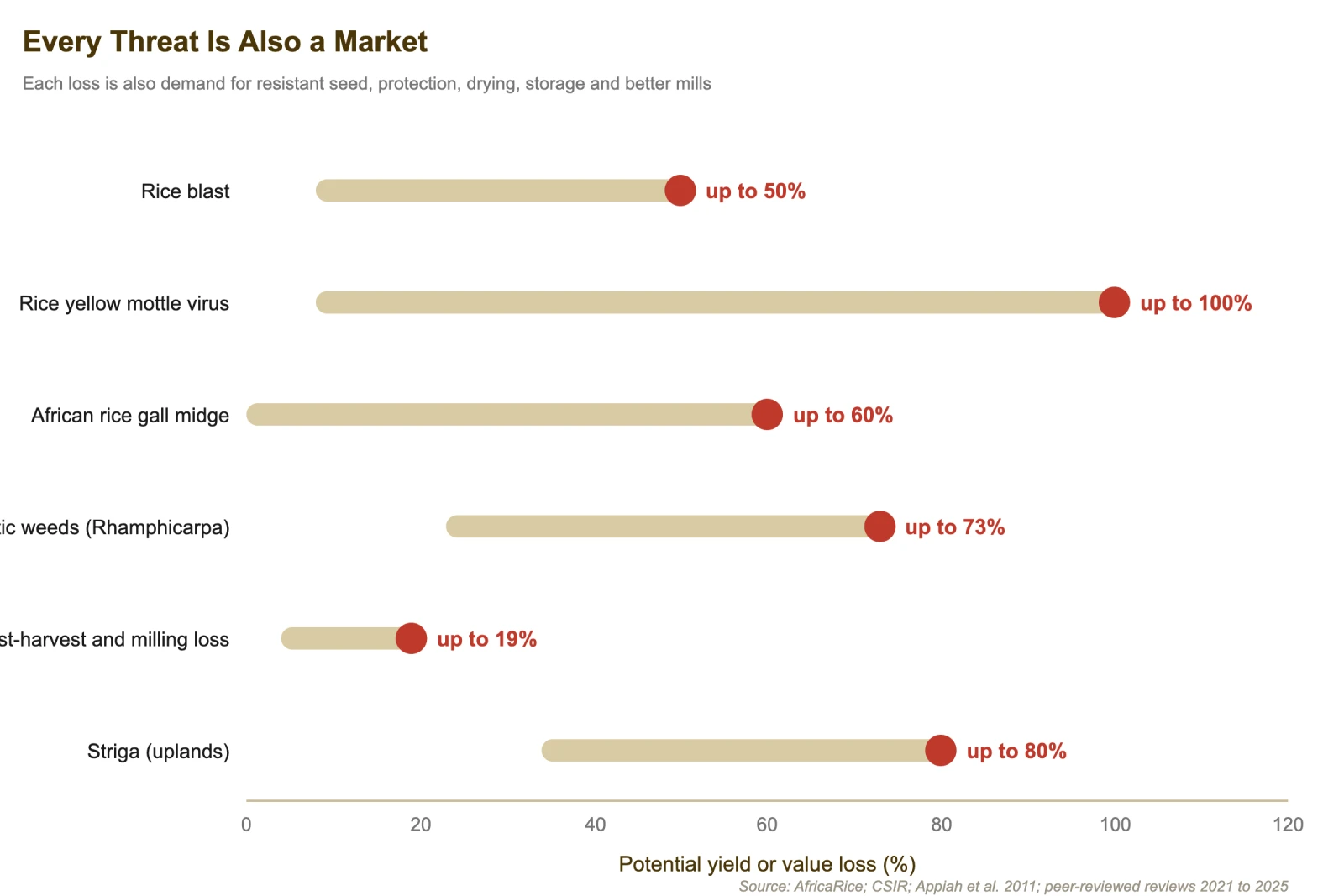
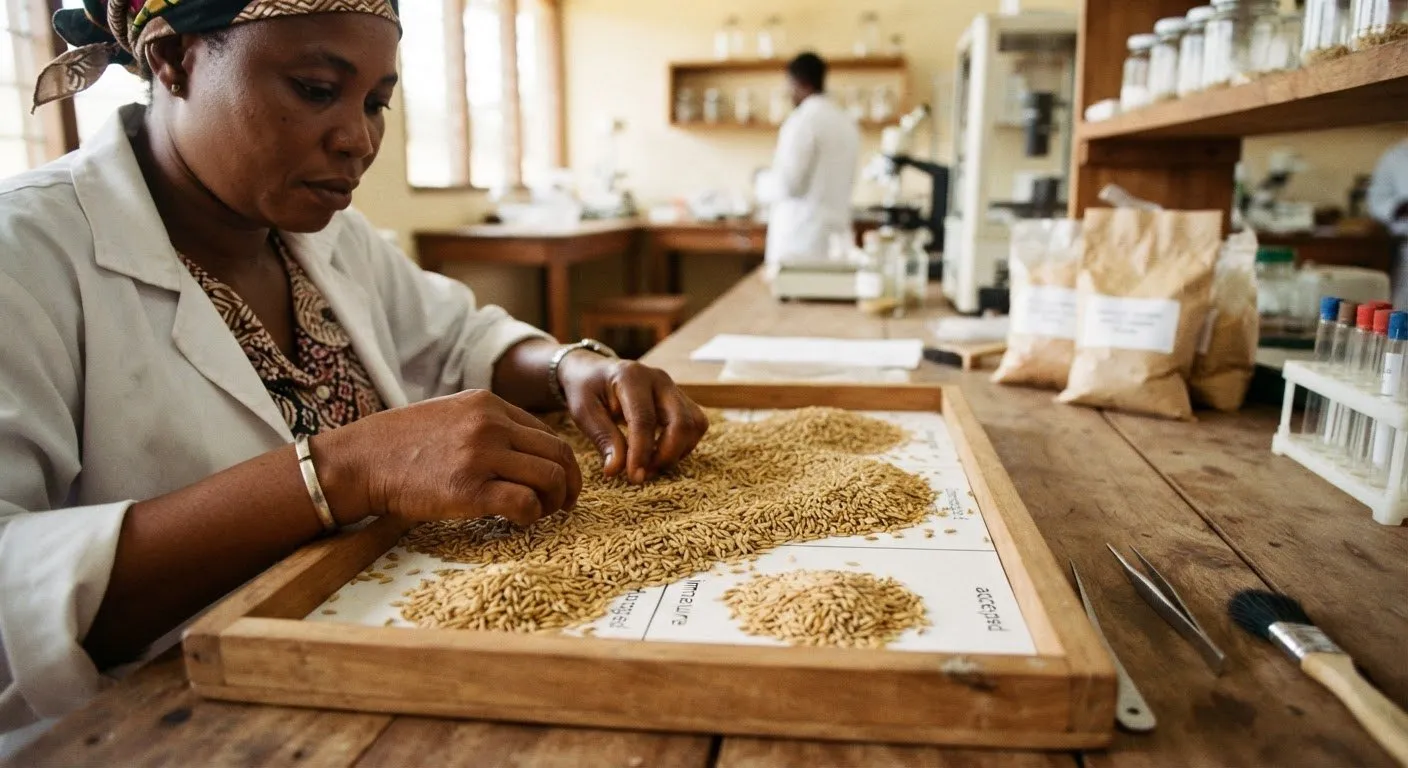
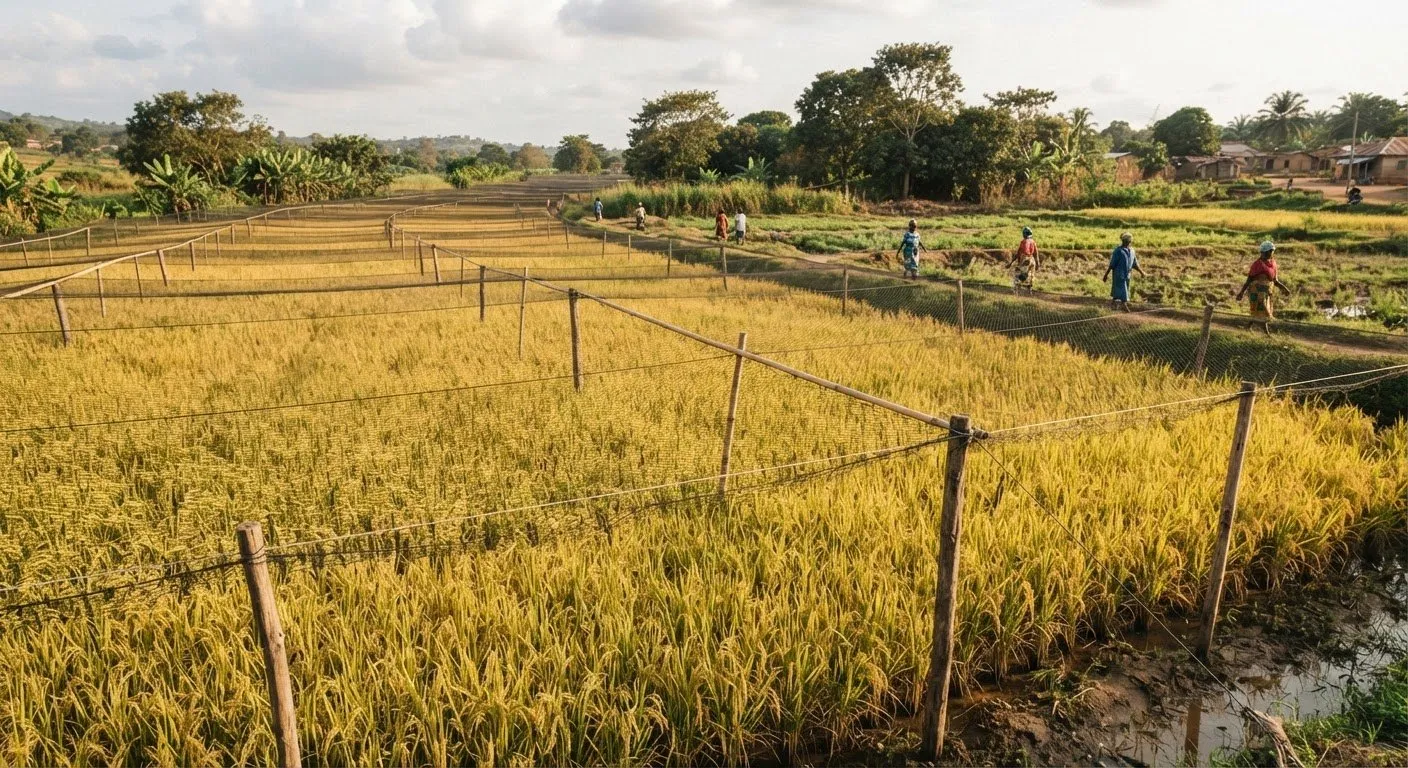
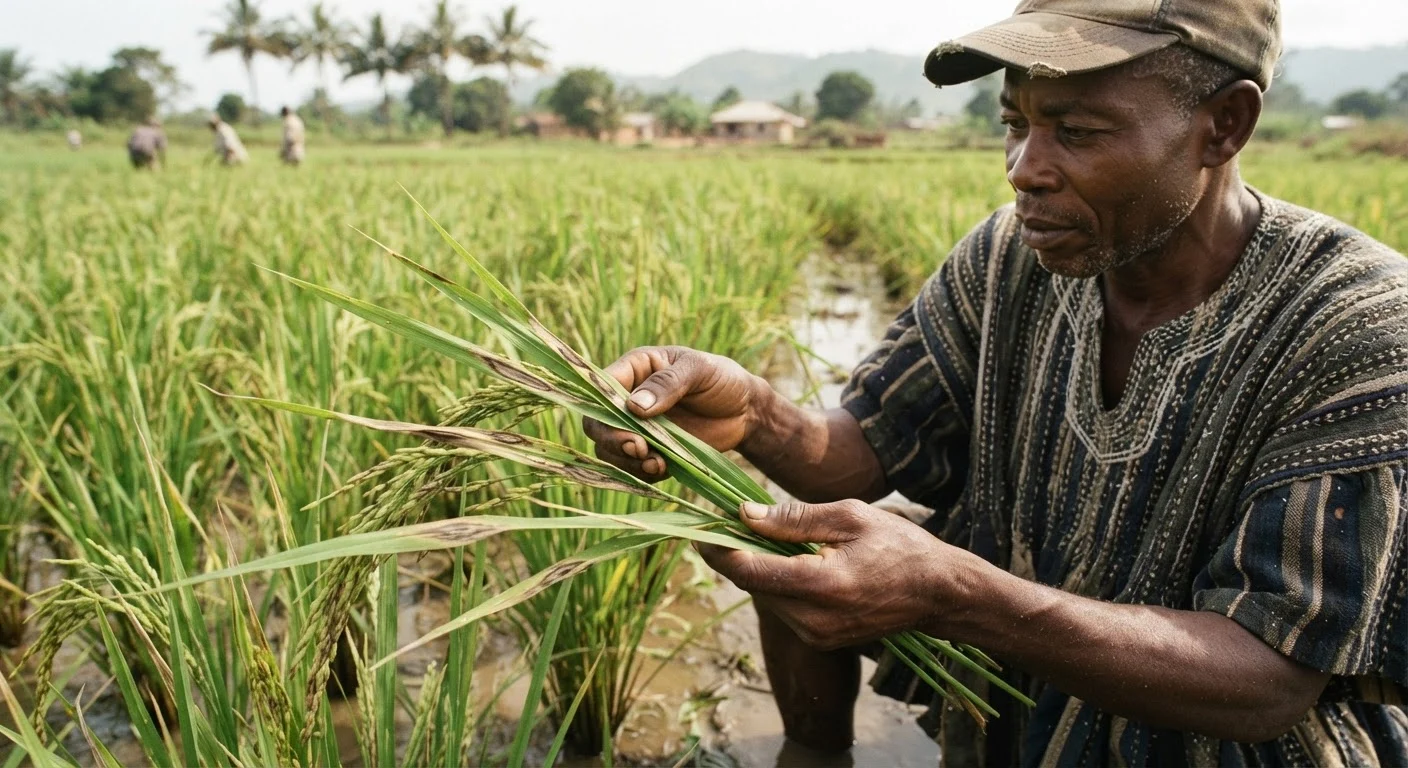
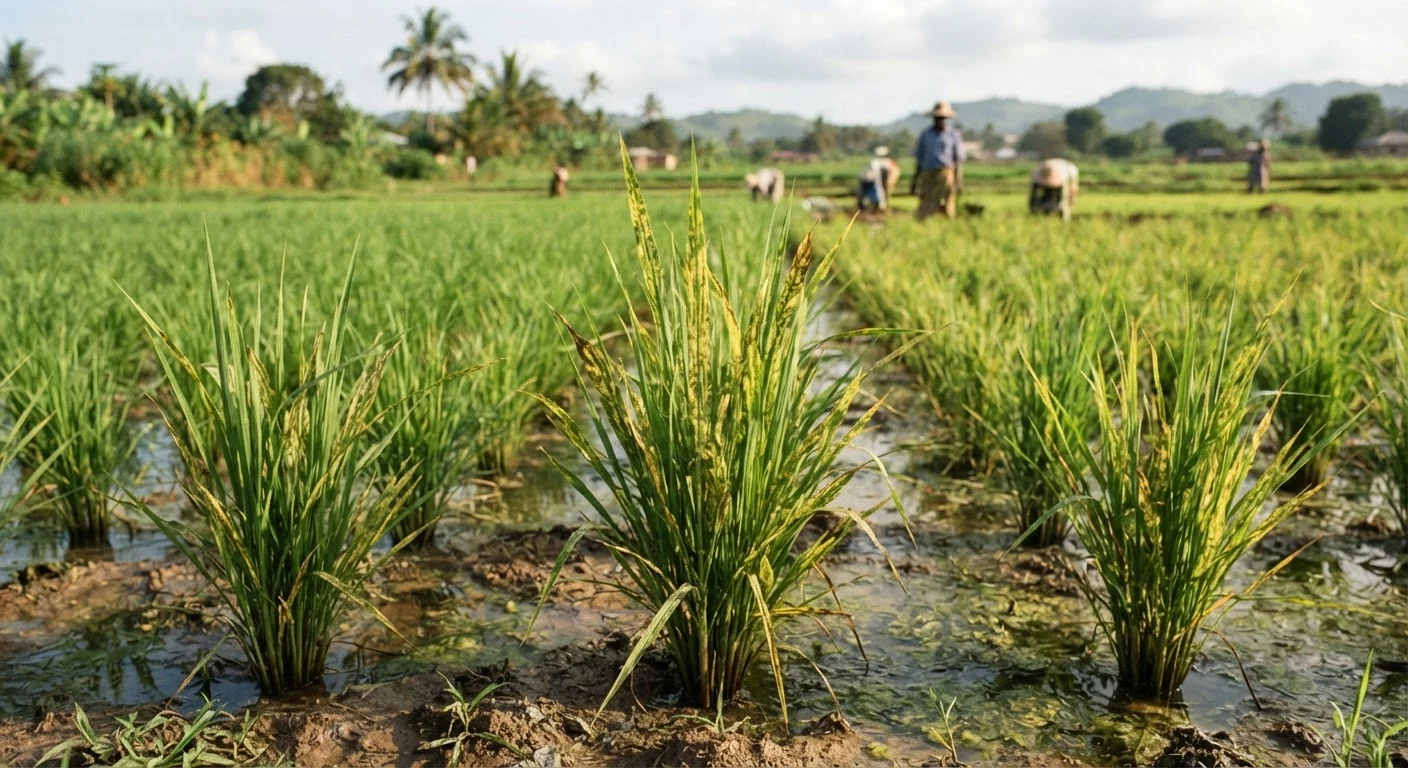
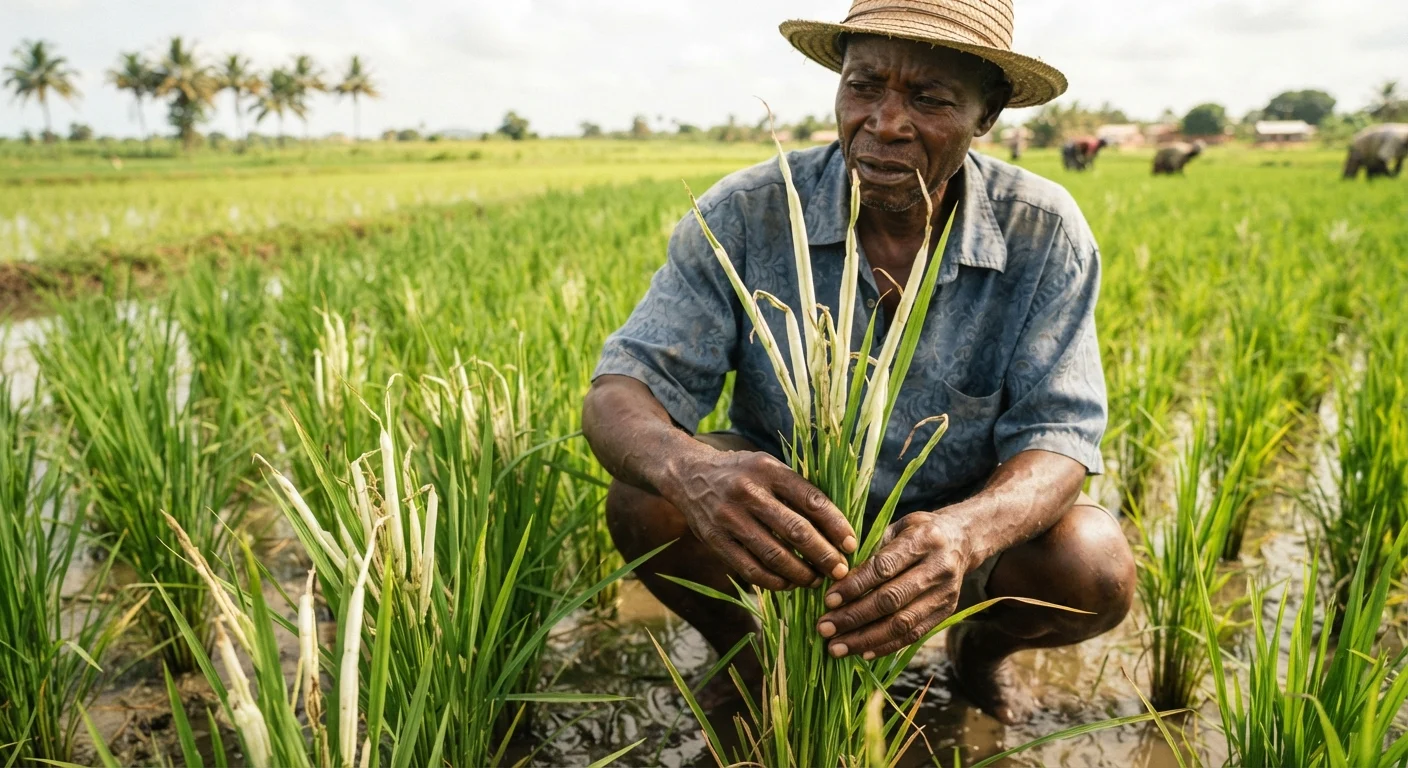
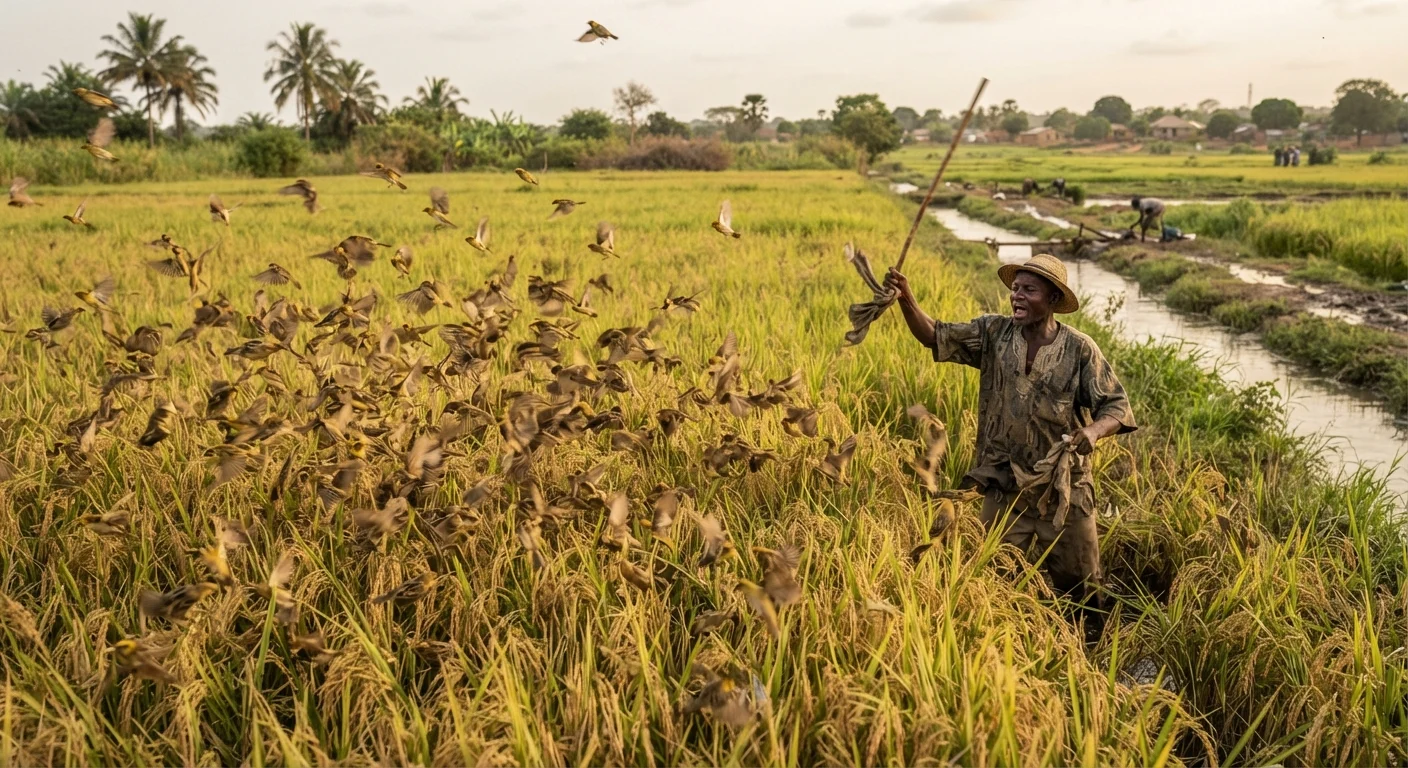
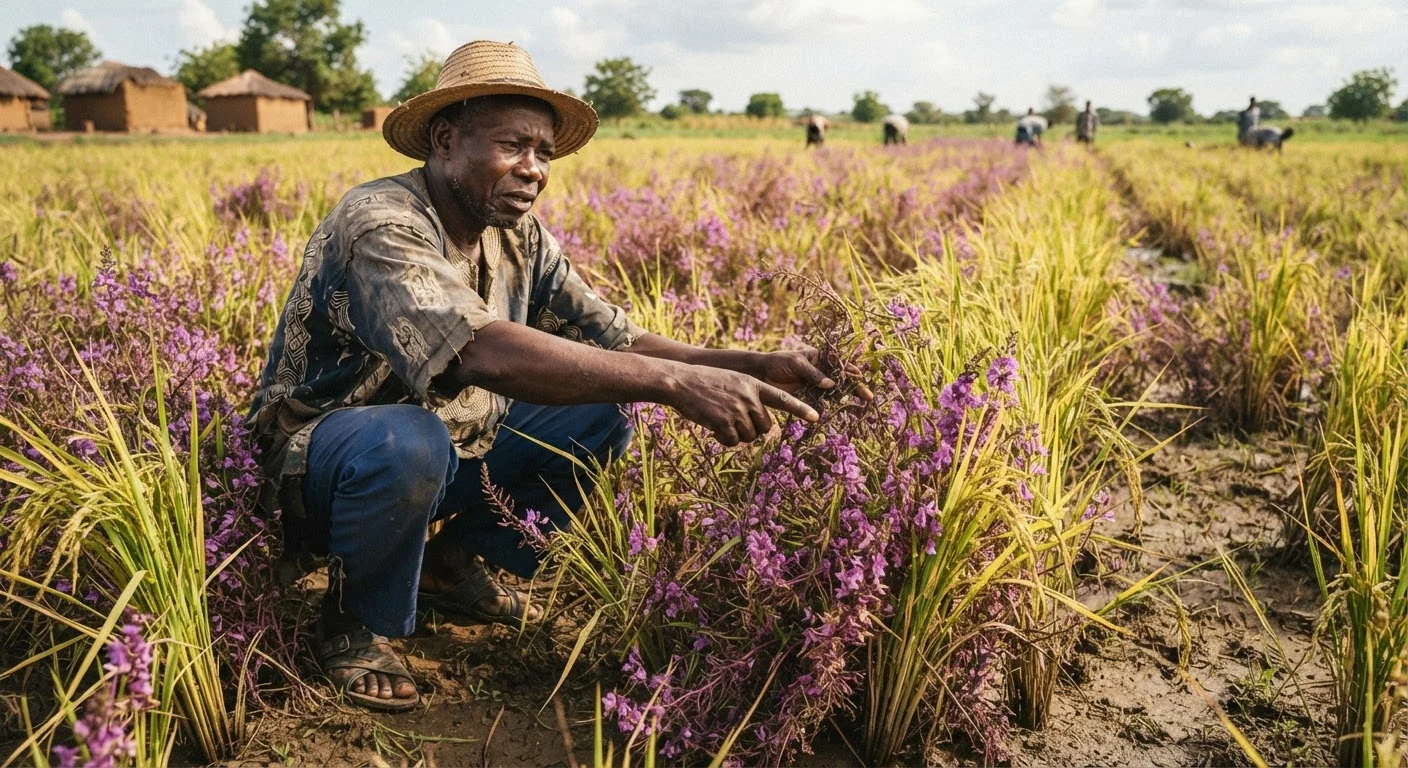
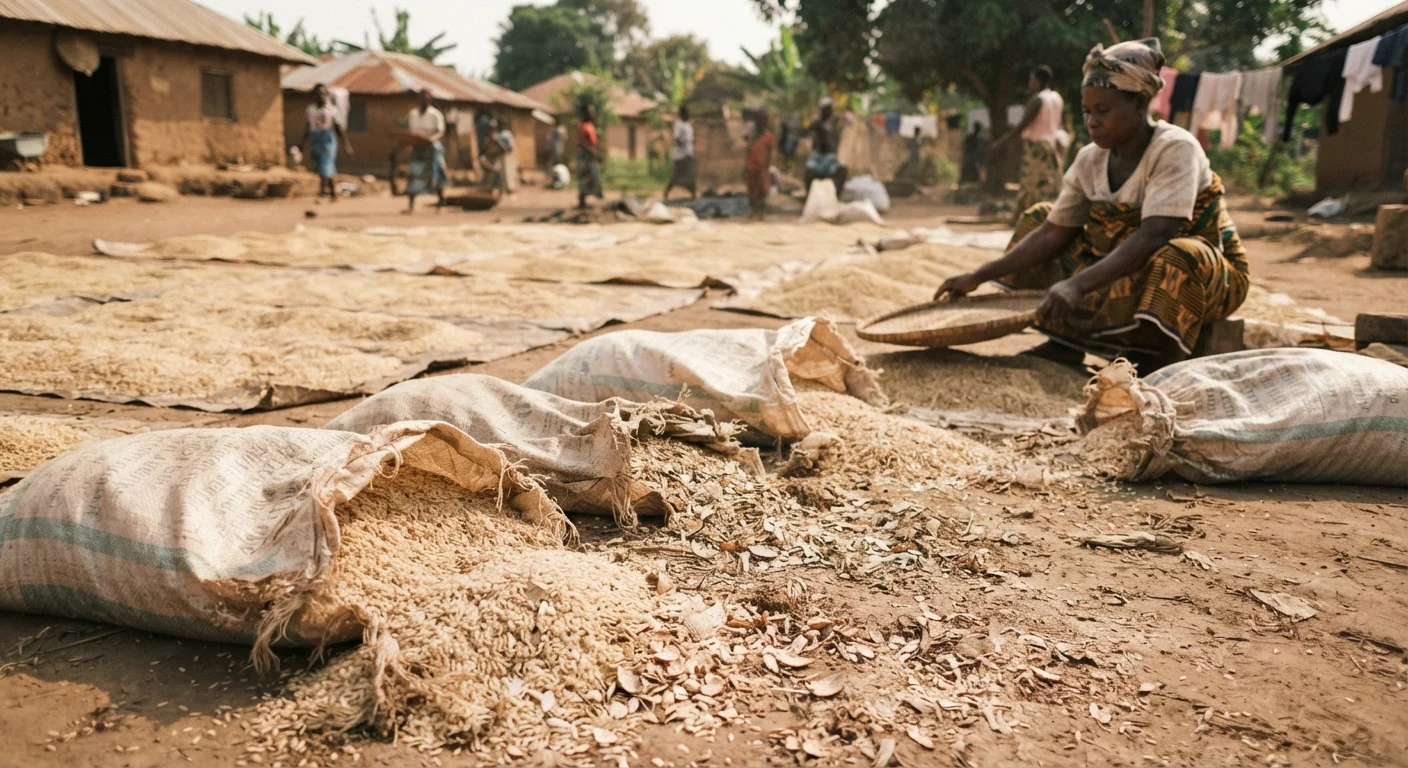
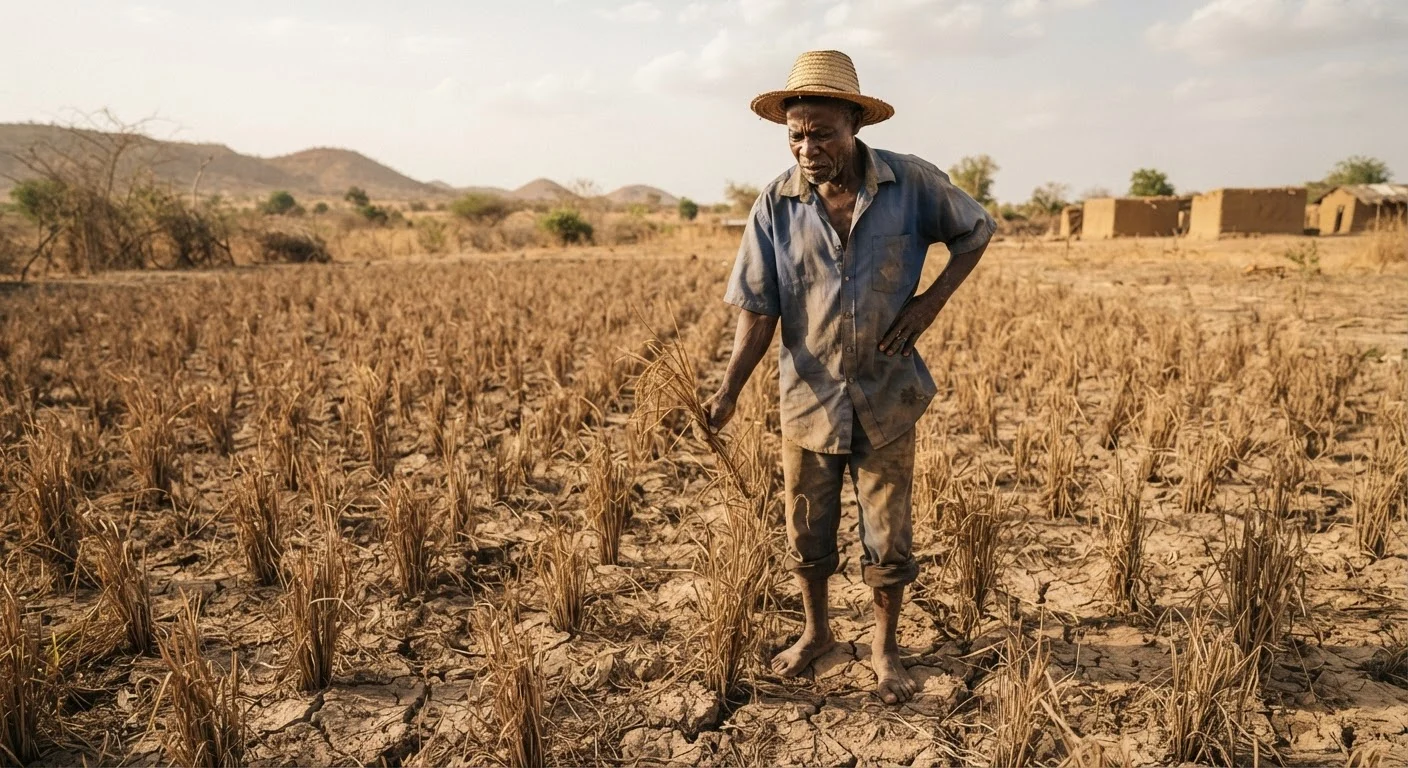
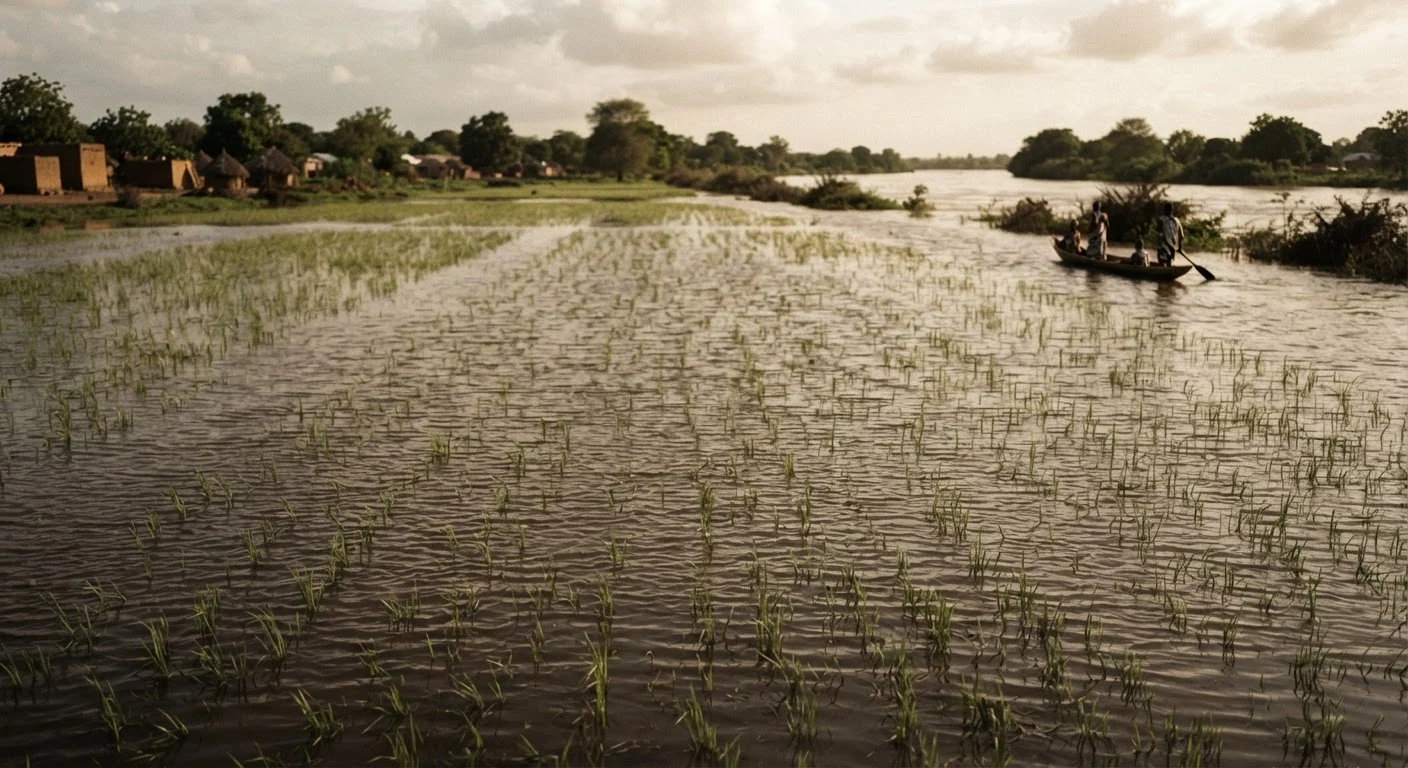
If you are entering rice, the threats are your opening. Learn to recognise blast, the virus, gall midge, bird damage and vampireweed in the field, and learn which variety or practice beats each one, and you become the adviser farmers do not currently have. You can work for a seed or input company, run a scouting and advisory service, or sell and fit bird nets, dryers and sealed storage. The gap to fill: most smallholders cannot name the threat that is cutting their yield and treat it too late or not at all. That knowledge is a service worth paying for. The trap to avoid is selling chemicals alone; the value is in the advice that makes them work.
First move: choose one or two threats where the loss is large and the fix is cheap, resistant seed, bird control, or drying and storage, and build a product-plus-advice offer around them for a defined district. Tie it to the seed and off-take relationships in the varieties and value-chain pillars so you are solving the whole problem. The trap: competing as one more chemical seller in a crowded, low-trust market. The tailwind is that research institutes have resistant and tolerant material ready, and climate shocks are making protection, drying and insurance essential rather than optional.
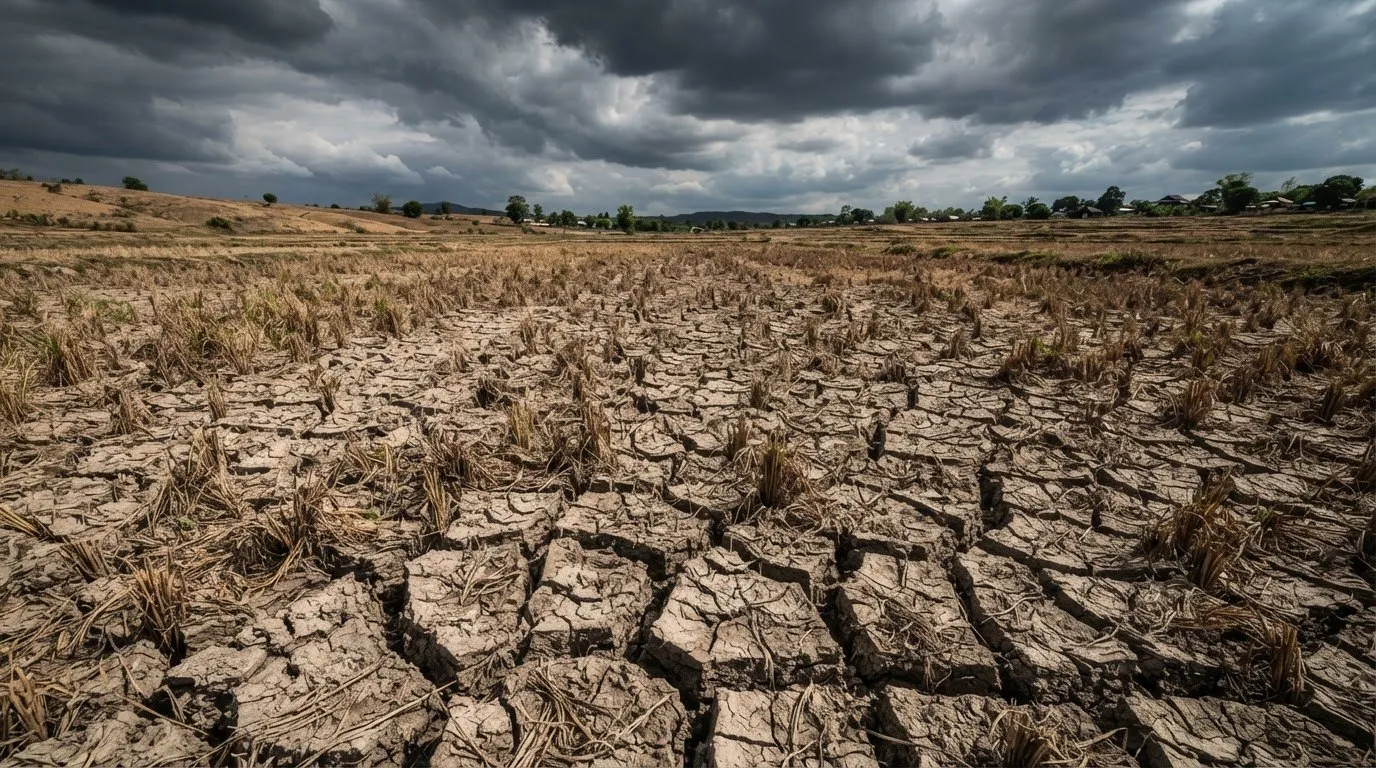
Diligence asks: the thesis is that rising losses, especially climate ones, are creating durable demand for resistant seed, protection, drying, storage and insurance. Ask for the specific loss the product reduces and the evidence for it, the route to the farmer, and whether advice is bundled so the product actually works. Structure the money as working capital for a product-and-service business with a clear distribution model, not as a bet on a single input. The risk: smallholder willingness and ability to pay is thin, and adoption is slow, so pair any protection or storage play with finance or with an aggregator that has reason to fund it. Do not price in fast, broad adoption.
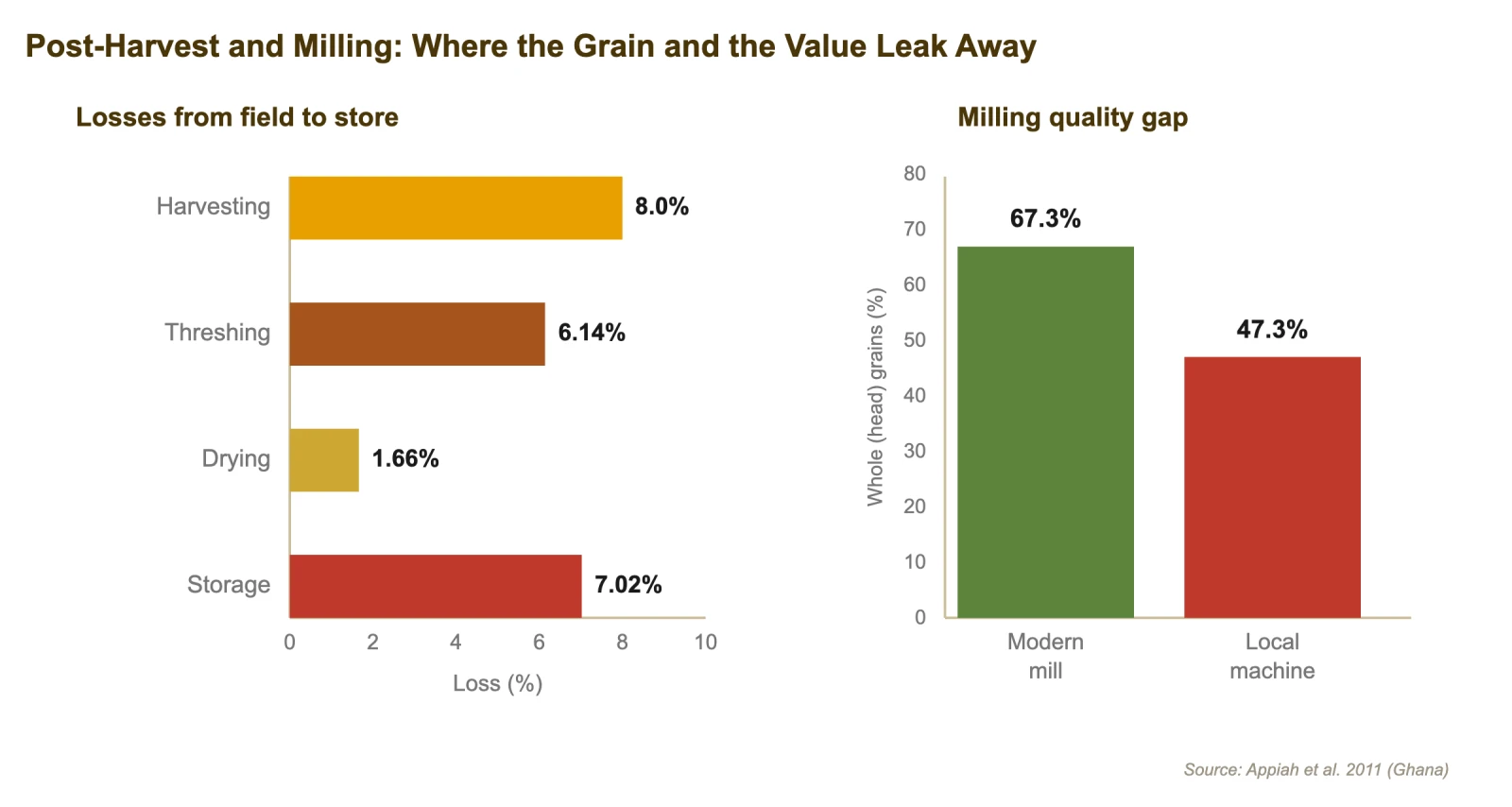
The lever is getting the fixes that already exist to the farmers who need them. Ghana's institutes have resistant and tolerant varieties, integrated pest management works, and drying, storage and insurance tools exist; the missing rail is delivery, advice and affordability. Fund and measure the reach of resistant seed, the spread of integrated pest management and improved drying and storage, and the take-up of rice insurance. The measurable outcome is losses falling and the quality of harvested grain rising, which feeds straight into the shelf-quality problem at the heart of this crop. The failure to avoid is leaving tested fixes in stations and pilots while farmers keep taking the full loss.
If you are entering rice, the threats are your opening. Learn to recognise blast, the virus, gall midge, bird damage and vampireweed in the field, and learn which variety or practice beats each one, and you become the adviser farmers do not currently have. You can work for a seed or input company, run a scouting and advisory service, or sell and fit bird nets, dryers and sealed storage. The gap to fill: most smallholders cannot name the threat that is cutting their yield and treat it too late or not at all. That knowledge is a service worth paying for. The trap to avoid is selling chemicals alone; the value is in the advice that makes them work.
First move: choose one or two threats where the loss is large and the fix is cheap, resistant seed, bird control, or drying and storage, and build a product-plus-advice offer around them for a defined district. Tie it to the seed and off-take relationships in the varieties and value-chain pillars so you are solving the whole problem. The trap: competing as one more chemical seller in a crowded, low-trust market. The tailwind is that research institutes have resistant and tolerant material ready, and climate shocks are making protection, drying and insurance essential rather than optional.
Diligence asks: the thesis is that rising losses, especially climate ones, are creating durable demand for resistant seed, protection, drying, storage and insurance. Ask for the specific loss the product reduces and the evidence for it, the route to the farmer, and whether advice is bundled so the product actually works. Structure the money as working capital for a product-and-service business with a clear distribution model, not as a bet on a single input. The risk: smallholder willingness and ability to pay is thin, and adoption is slow, so pair any protection or storage play with finance or with an aggregator that has reason to fund it. Do not price in fast, broad adoption.
The lever is getting the fixes that already exist to the farmers who need them. Ghana's institutes have resistant and tolerant varieties, integrated pest management works, and drying, storage and insurance tools exist; the missing rail is delivery, advice and affordability. Fund and measure the reach of resistant seed, the spread of integrated pest management and improved drying and storage, and the take-up of rice insurance. The measurable outcome is losses falling and the quality of harvested grain rising, which feeds straight into the shelf-quality problem at the heart of this crop. The failure to avoid is leaving tested fixes in stations and pilots while farmers keep taking the full loss.