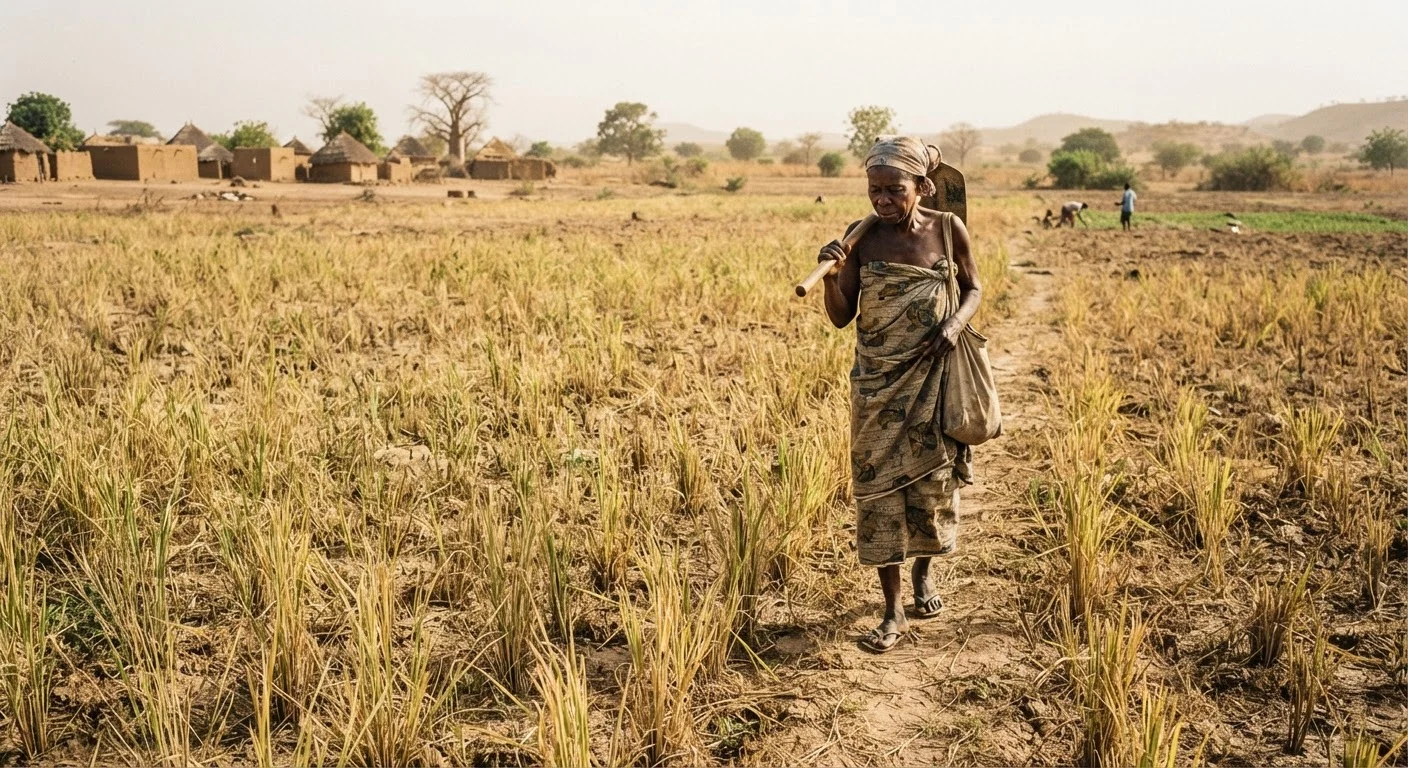
If you are entering rice, agronomy is the most under-supplied skill in the whole chain. Learn the recommended regime for each ecology, land preparation, establishment, water, fertiliser timing and weeding, and you can work as an extension or scheme agronomist, run a machine-hire service for levelling and transplanting, or advise an outgrower scheme. The gap to fill: most smallholders lose a quarter of their potential yield to method, not money, and no one is being paid to fix that. The trap to avoid is assuming farmers will pay for advice alone; bundle it with a machine service or clean seed so the value is visible in the field.
Ghana already has good rice varieties and, on paper, land that can yield 6 tonnes a hectare. The reason the average field gives little more than half of that is not the seed alone; it is how the crop is grown. Small errors of timing, spacing, water and weeding, repeated across a season, add up to the gap between 3.33 tonnes and 6 (Ministry of Food & Agriculture, 2024). This pillar sets out the practical planting regime for each of Ghana's three rice ecologies and, more importantly, shows that closing the yield gap is mostly a matter of execution, which makes agronomy itself, the advice, the services and the machines that get the practice right, a business.

The pillar does not repeat the variety choice, which sits in the first pillar, nor the cost of these inputs, which sits in the cost pillar. It focuses on the recommended practice, the calendar and the water, and the openings that come from helping farmers get them right.

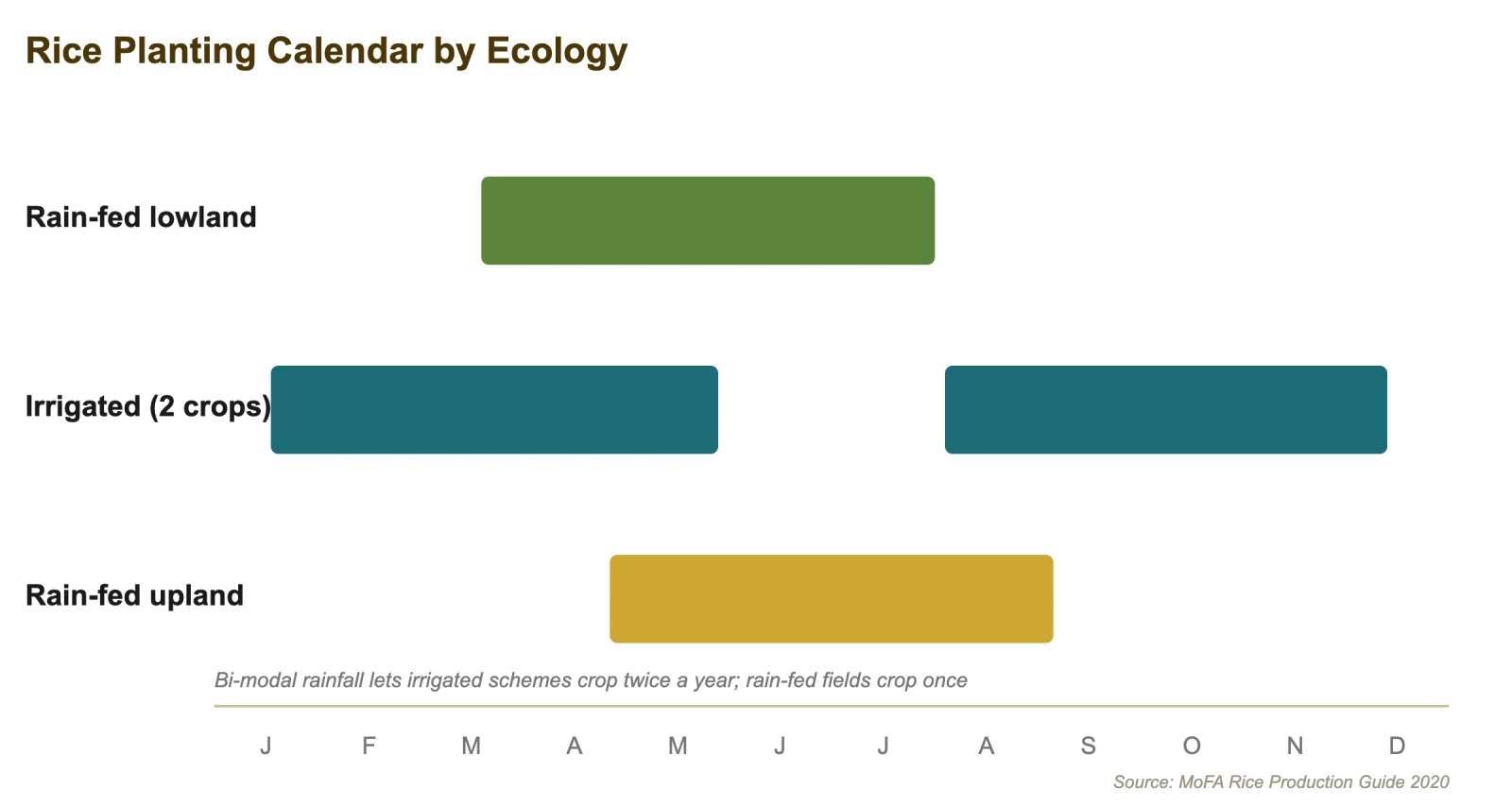
The rain-fed ecologies get one crop a year, tied to the rains, while irrigated schemes can take two. Knowing the calendar is the first service a new agronomy business sells, because planting late, or out of step with neighbours, is one of the commonest and costliest mistakes a rice farmer makes.

🌾 Good practice is worth about a quarter more yield, on its own 🌾
The single most encouraging fact in this pillar is how much yield good practice recovers without any new land or expensive technology. A study in the forest zone found that following a simple package of good agricultural practices, levelling and bunding the field so water sits evenly, using healthy seed, transplanting in rows, applying the recommended fertiliser at the right time, and weeding early, raised smallholder rice yields by about 28 percent, an extra 1.25 tonnes a hectare, worth about US$694 a hectare (good agricultural practices study, forest zone, 2023). Read that as a business number. The gap between what farmers get and what they could get is not mostly about money or land; it is about method, and method can be taught, supplied and serviced. That is why agronomy advice, land levelling, and mechanised transplanting and weeding are real businesses in Ghanaian rice, not afterthoughts.
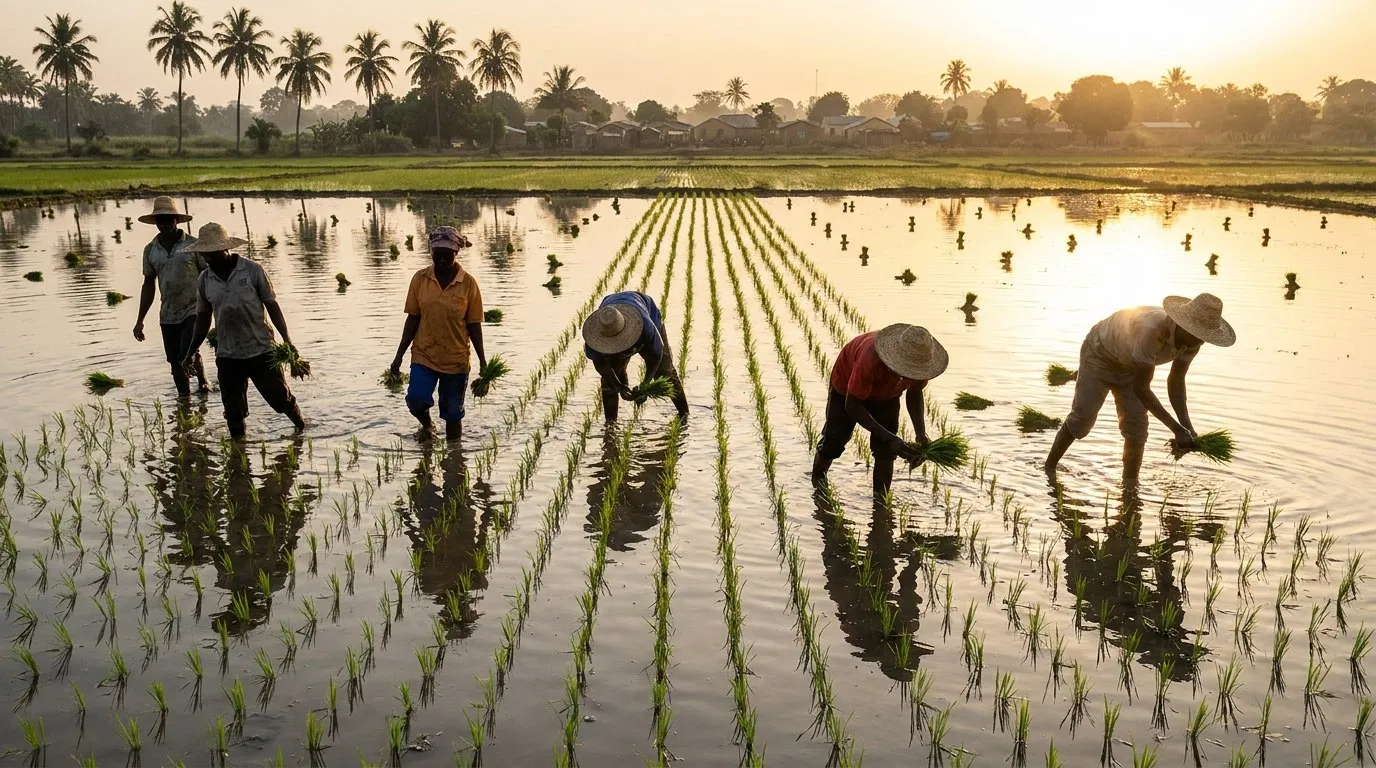
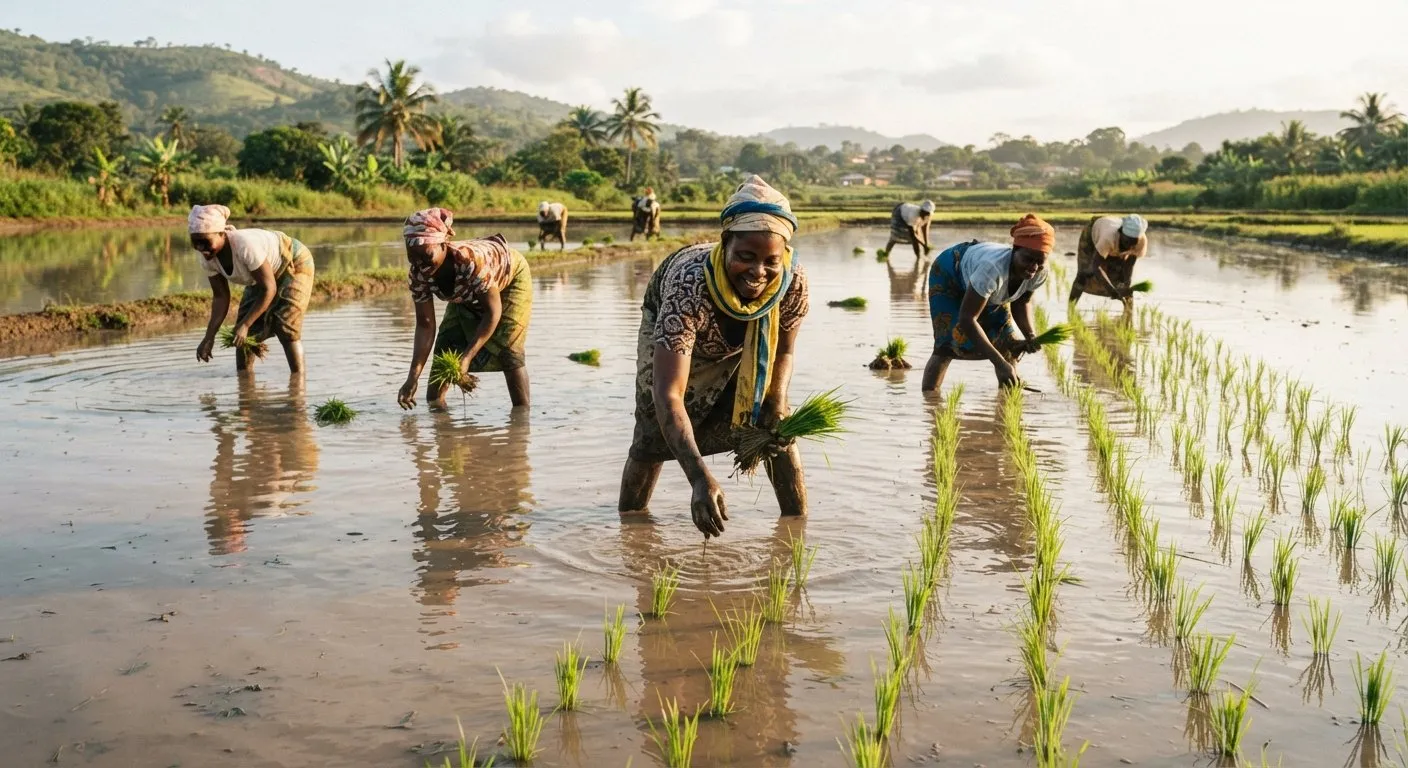
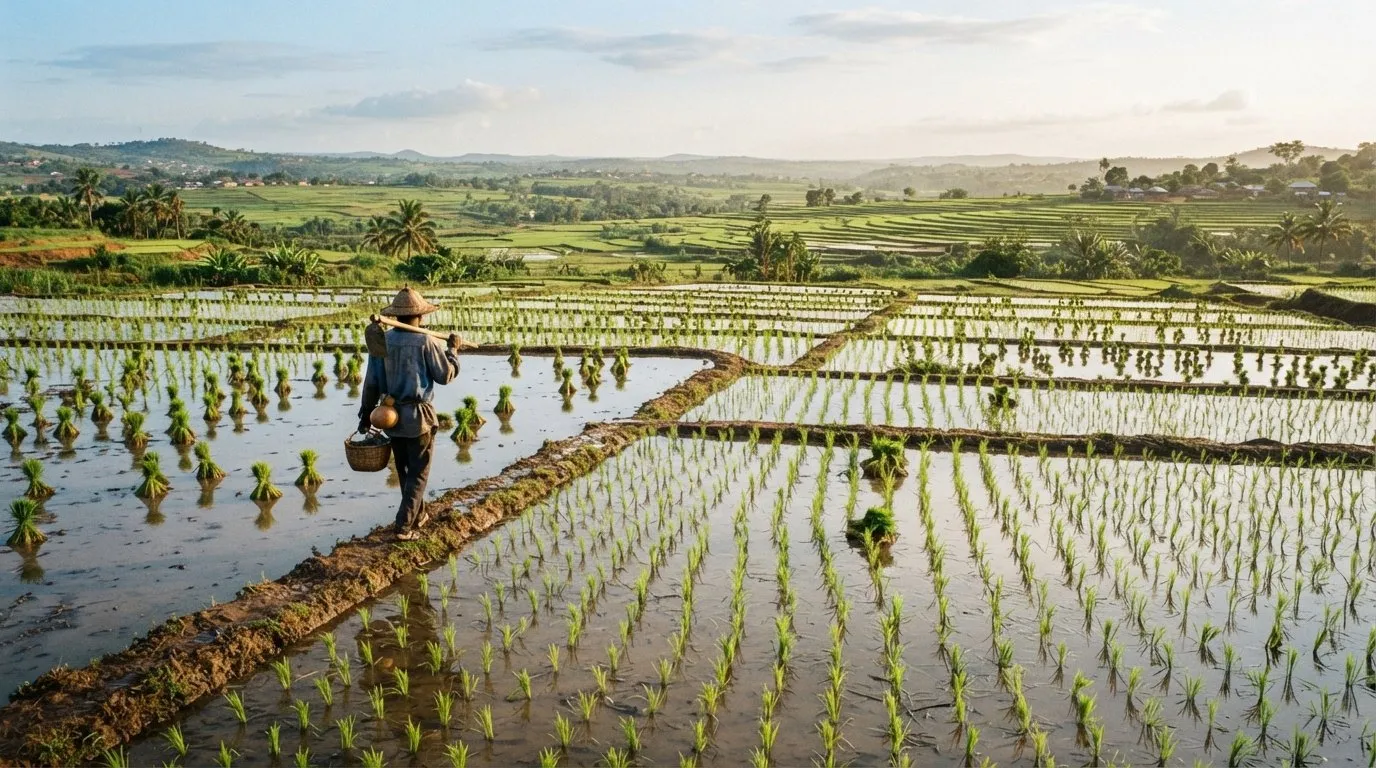
The recommended regime differs a little by ecology, but the shape is the same across Ghana. It begins with land preparation: ploughing, and in the lowlands puddling and levelling so that water sits evenly, because uneven water is the root of both weed problems and patchy ripening. Then comes the crop establishment choice, which is the biggest decision of the season. Transplanting young seedlings from a nursery gives a clean, even, weed-suppressing stand and the highest yields, but it is labour-heavy; direct seeding, broadcasting or drilling seed straight into the field, is far quicker and cheaper but gives a weedier, less even crop unless herbicides and good land levelling compensate. Water management, fertiliser applied in split doses at the right growth stages, and early, thorough weeding follow. The crop is harvested at the right moisture, then threshed and dried promptly to protect quality, the point the disease-and-risk and value-chain pillars return to.


🌾 The planting regime, step by step 🌾
| Operation | Rain-fed lowland | Irrigated | Rain-fed upland | Why it decides the yield |
|---|---|---|---|---|
| Land preparation | Plough, puddle and level so water sits evenly | Plough and laser-level for even water and drainage | Plough along the contour to hold soil and water | Uneven fields waste water and let weeds and parasites in |
| Establishment | Transplant for the best crop, or direct-seed with good weed control | Transplant or drill in rows for an even, clean stand | Direct-seed, usually by dibbling or drilling | Transplanting in rows gives the highest, evenest, cleanest crop |
| Water | Depends on rain; bund fields to hold it | Controlled; keep a shallow depth, or alternate wetting and drying to save water | Rain only; time planting to the rains | Water control is the single biggest lever, and why irrigation yields most |
| Fertiliser | Split doses at planting, tillering and panicle stages | Same, matched to a soil test where possible | Modest doses; upland soils are poorer | Right rate at the right time; too much invites blast, too little starves the crop |
| Weeding | Early and thorough; herbicide with advice on weedy fields | Early; even water suppresses weeds | Critical; uplands weed heavily, watch for Striga | Weeds, and the parasites among them, are the quiet thieves of yield |
| Harvest and after | Cut at the right moisture, thresh and dry promptly on a raised surface | Same; scheme mills often nearby | Same; distance to a mill is the challenge | Late or careless harvest cracks and discolours the grain, losing quality and price |
A practical summary of the recommended regime; exact rates and dates should follow the local extension guide and a soil test.
Sources: Ministry of Food and Agriculture Rice Production Guide (2020); good agricultural practices study, forest zone (2023); CSIR agronomy trials.
🌾 Water is the biggest lever, and Ghana's is half switched off 🌾

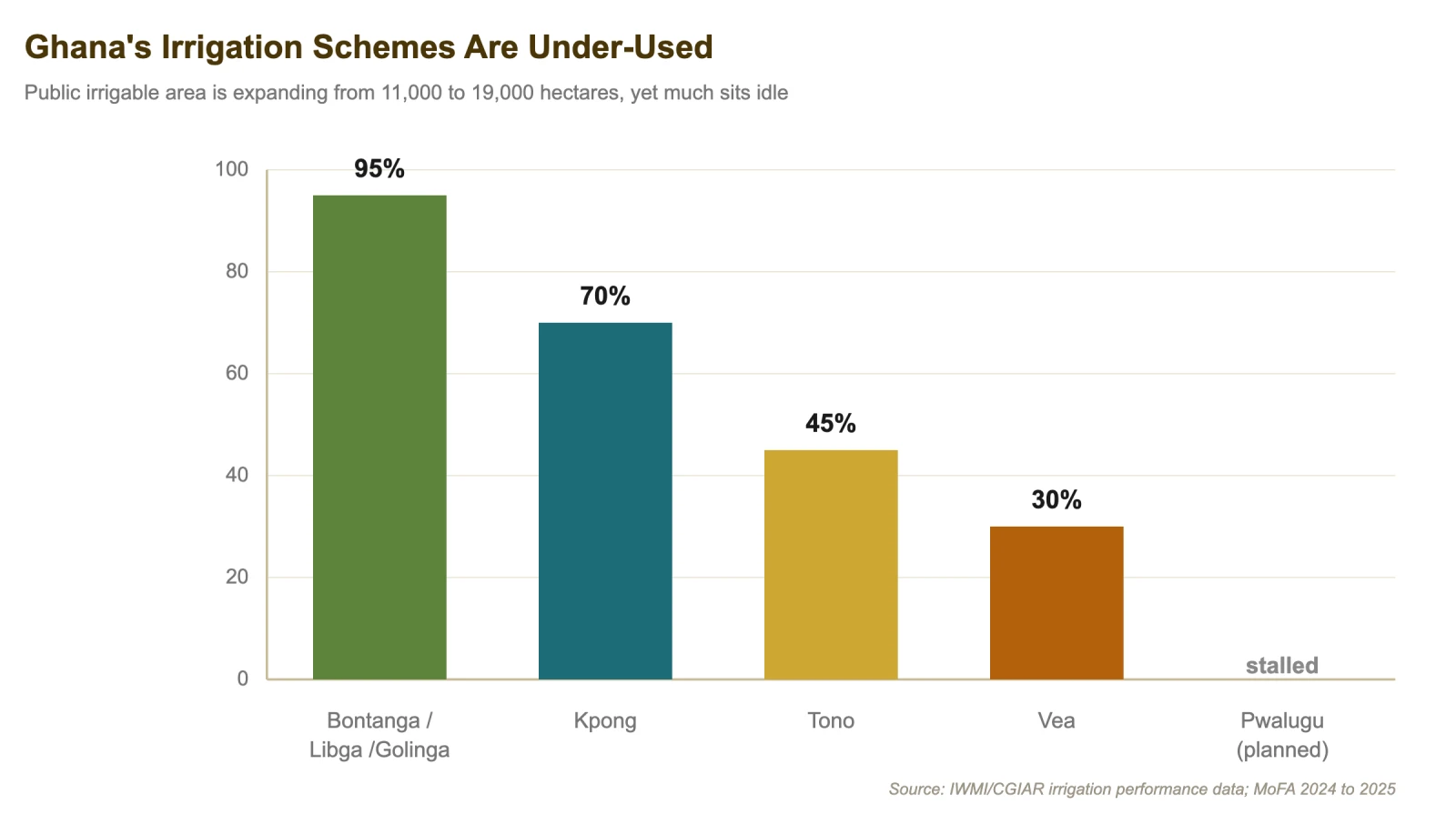
Some schemes run near full while others sit largely idle, and the largest planned dam has stalled. The gap between built capacity and used capacity is an opening: rehabilitating, managing and fully cropping existing schemes delivers reliable, high-yield, high-quality paddy faster and cheaper than building new ones.
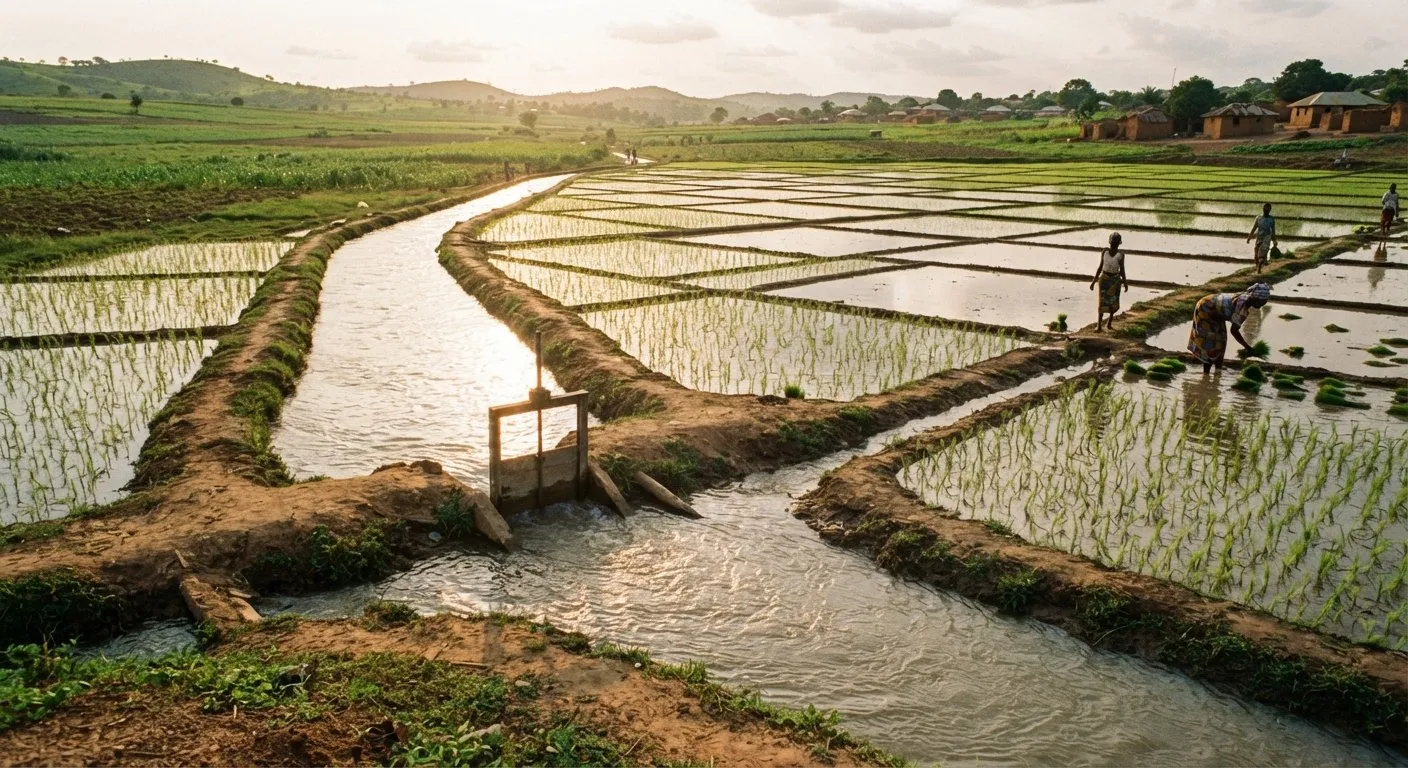
If one thing separates a high-yielding rice field from a low one in Ghana, it is control of water, and that is exactly where the country wastes its best asset. Irrigated schemes yield more than twice the rain-fed average and can crop twice a year, yet many run far below their capacity. The Tono and Vea schemes in the Upper East use only a fraction of their irrigable land in some seasons, while a few well-run schemes such as Bontanga and Golinga run near full (International Water Management Institute, n.d.). The flagship Kpong scheme, about 4,040 hectares of mostly rice, entered a major rehabilitation in late 2024 that then stalled, and the much-promoted Pwalugu dam, meant to irrigate about 25,000 hectares, has barely left the drawing board and should not be counted as available (International Water Management Institute, n.d.). Government is expanding public irrigable area from about 11,000 to 19,000 hectares, but the bigger prize is using what already exists.

Agronomy advice as a paid service. Good practice alone lifts yield by about a quarter, so a service that supplies a simple, season-long plan of land preparation, spacing, fertiliser timing and weeding, tied to clean seed, sells a return farmers can see.
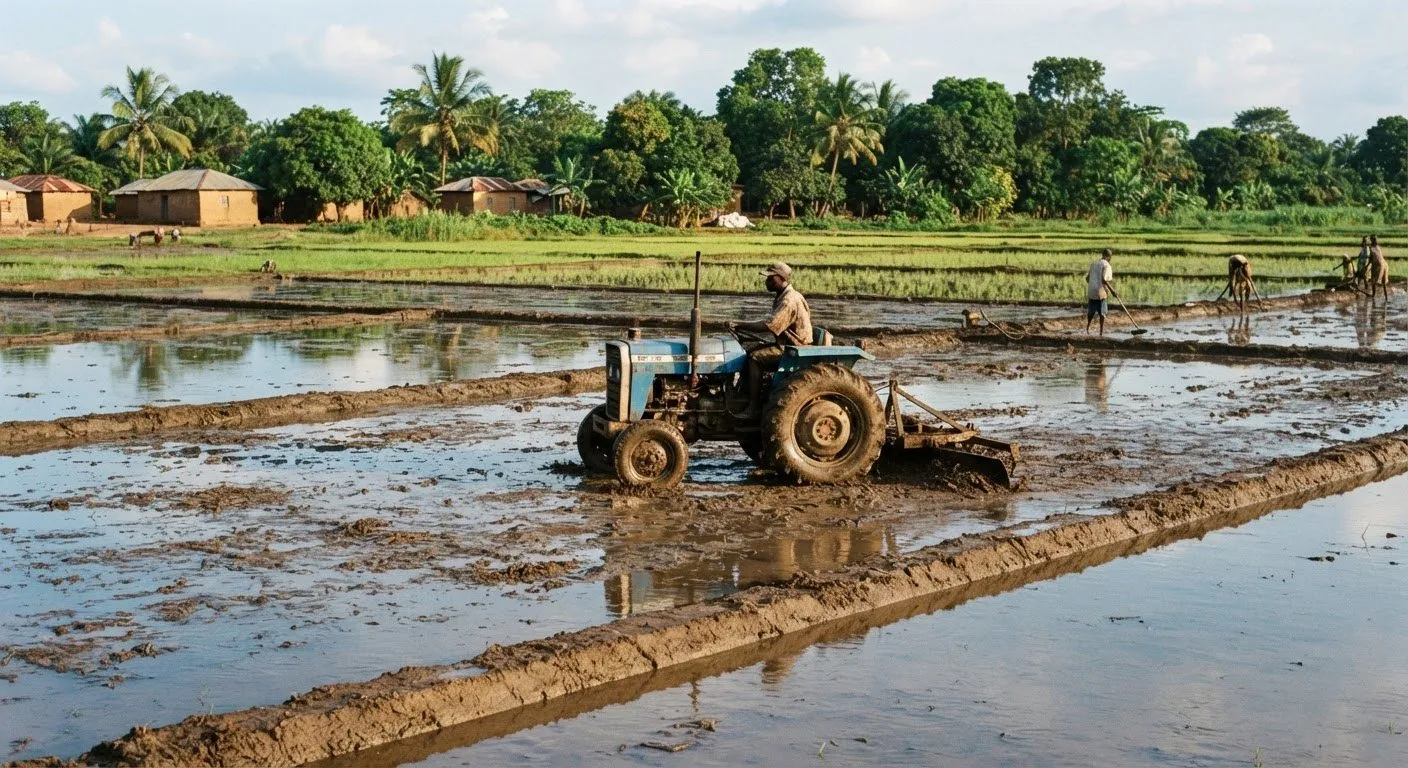
Mechanised land levelling, transplanting and weeding. These are the labour-heavy steps that farmers skip or do badly, and they are exactly what raises and evens the crop. A machine-service business, levelling, row transplanting and mechanical weeding for hire, fills a clear gap.
Bring under-used irrigation into full use. Rehabilitating, managing and fully cropping existing schemes such as Tono and Vea, and running water-user services, delivers reliable high-yield paddy faster than any new dam. Second-season cropping on schemes that now grow one crop is pure upside.
Small-scale and supplementary irrigation. For the rain-fed majority, simple water control, bunding, small pumps and shallow wells, buffers the drought risk that the climate pillar shows is rising, and is a sellable product and service in its own right.
🌾 The risks that sit inside the planting regime 🌾
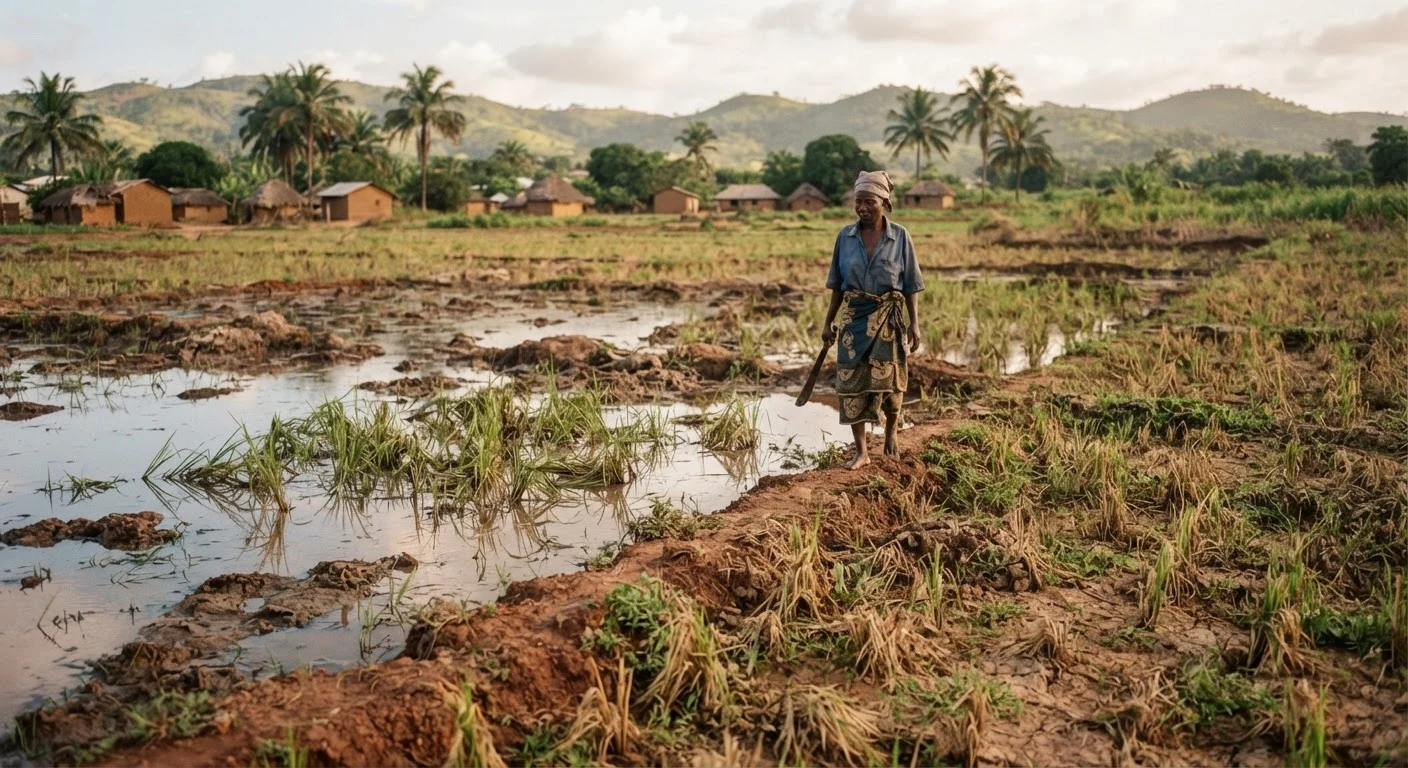
Poor water control and uneven fields
HIGHA field that is not levelled or bunded holds water unevenly, which starves some plants, drowns others, invites weeds and parasites, and ripens the crop unevenly so the harvest is mixed. It is the hidden cause behind much of the yield and quality gap.
Irrigated schemes with controlled, even water yield more than twice the rain-fed average, and good practice including levelling lifts yield by about 28 percent (good agricultural practices study, forest zone, 2023).
Rain-fed lowland farmers above all, and any scheme where levelling and maintenance have lapsed.
Level and bund fields, maintain scheme channels, and use controlled or alternate wetting and drying. The opening: land-levelling and water-management services, and the rehabilitation of neglected schemes.
Late or out-of-step planting
MEDIUM-HIGHPlanting after the best window, or out of step with neighbours, exposes the crop to end-of-season drought, heavier pest and bird pressure, and a rushed, wet harvest that damages grain quality.
The calendar is tied to the rains in the rain-fed ecologies, and synchronised planting is a recognised defence against birds and pests (Ministry of Food & Agriculture Rice Production Guide, 2020).
Rain-fed farmers, and schemes without a coordinated cropping calendar.
Follow the ecology calendar, prepare land early, and coordinate planting across a scheme or community. The opening: calendar and coordination advice, and mechanised land preparation that lets farmers plant on time.
The yield gap is closed in the field, not the laboratory: good practice alone, levelling, healthy seed, row transplanting, timely fertiliser and early weeding, lifts smallholder yield by about 28 percent.
The planting regime is similar across ecologies but water control is the biggest lever, which is why irrigated fields yield more than twice the rain-fed average.
Transplanting in rows gives the best crop but is labour-heavy, so mechanised levelling, transplanting and weeding are clear service businesses.
Ghana's irrigation is half switched off: schemes such as Tono and Vea run under capacity, Kpong's rehabilitation has stalled and Pwalugu is not yet real, so the fastest win is using existing schemes fully.
The openings are paid agronomy advice, machine services for the labour-heavy steps, and rehabilitating and fully cropping the irrigation Ghana already has.