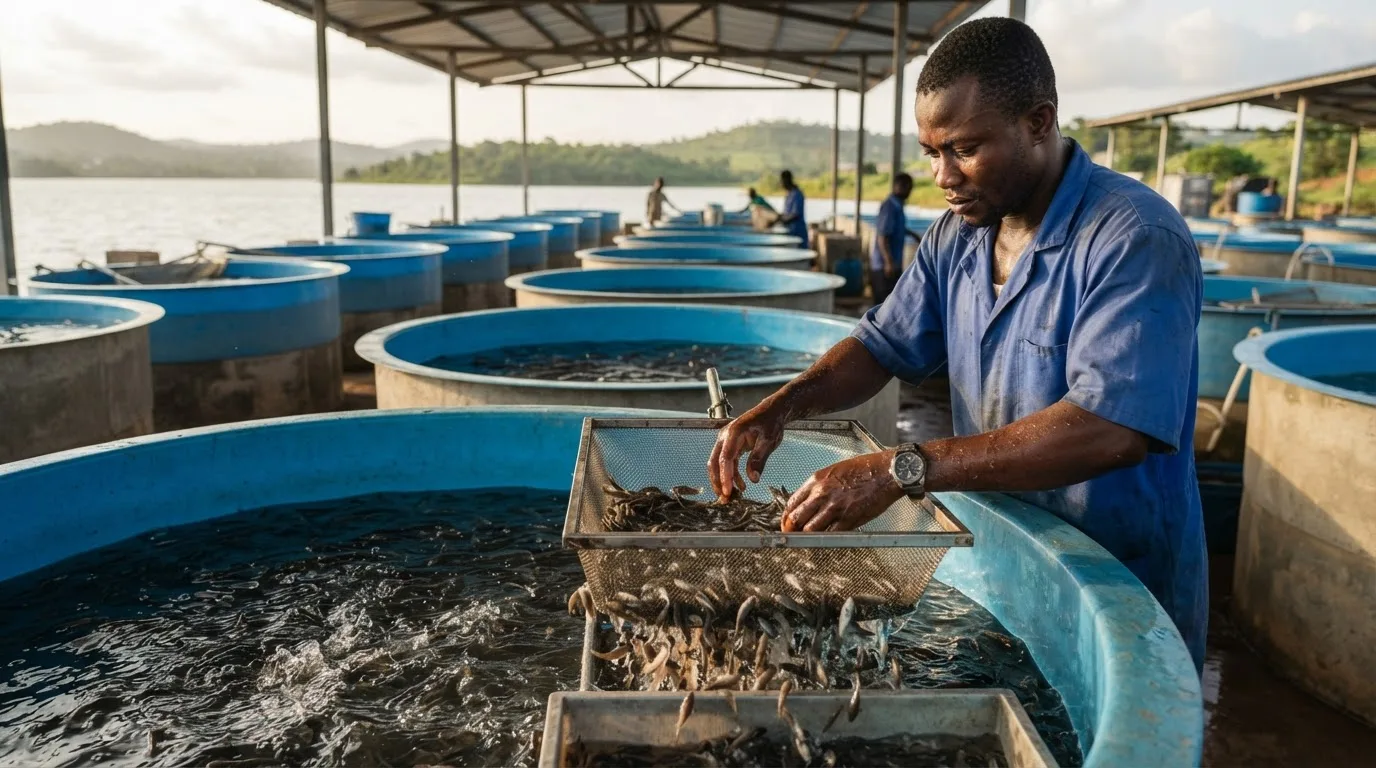
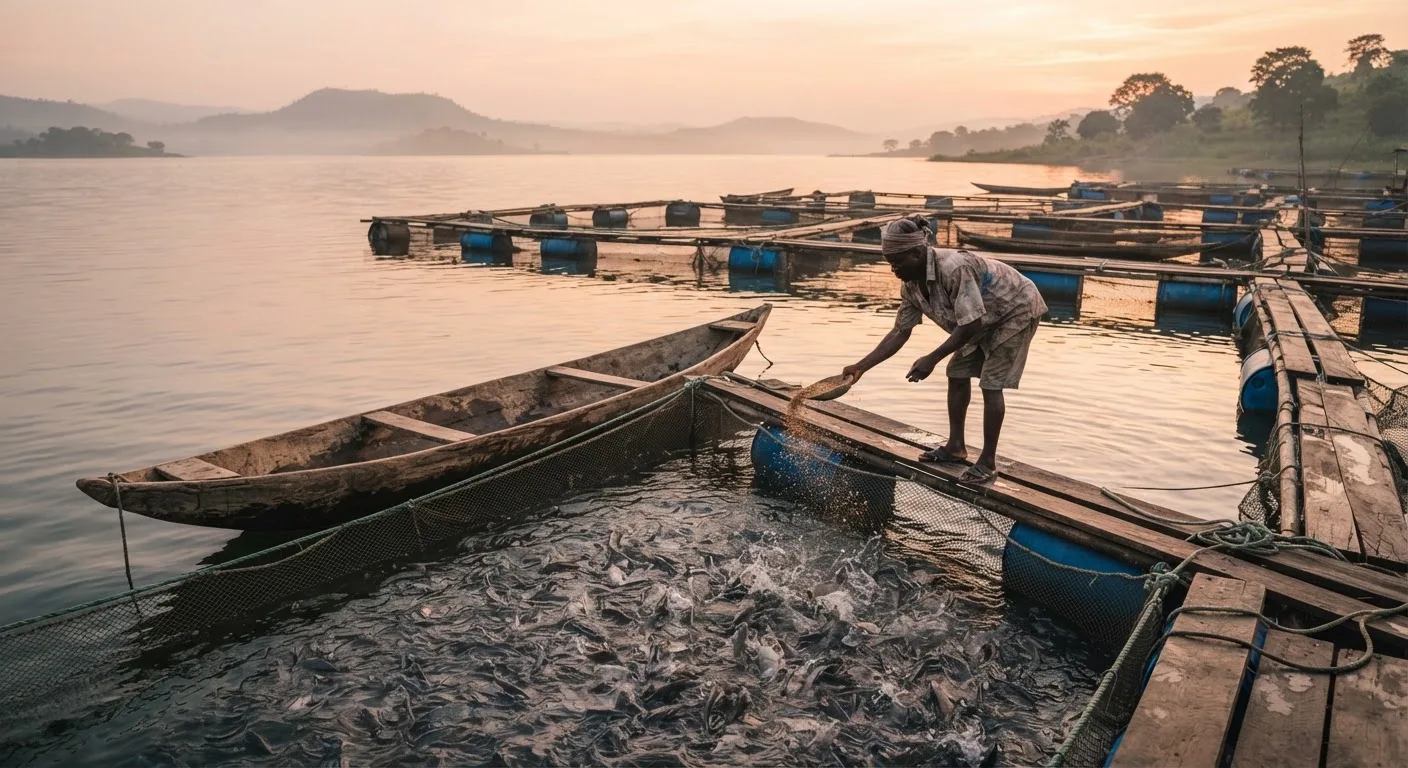
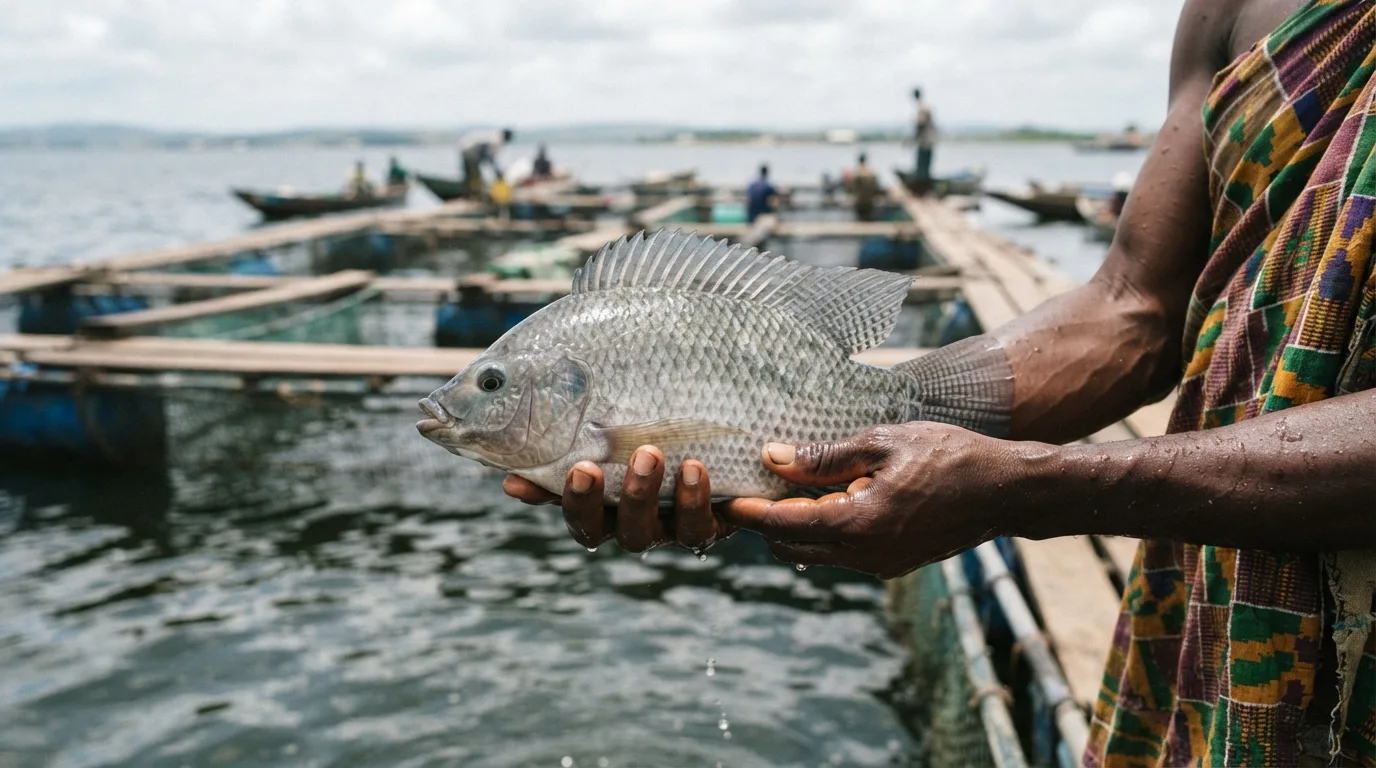
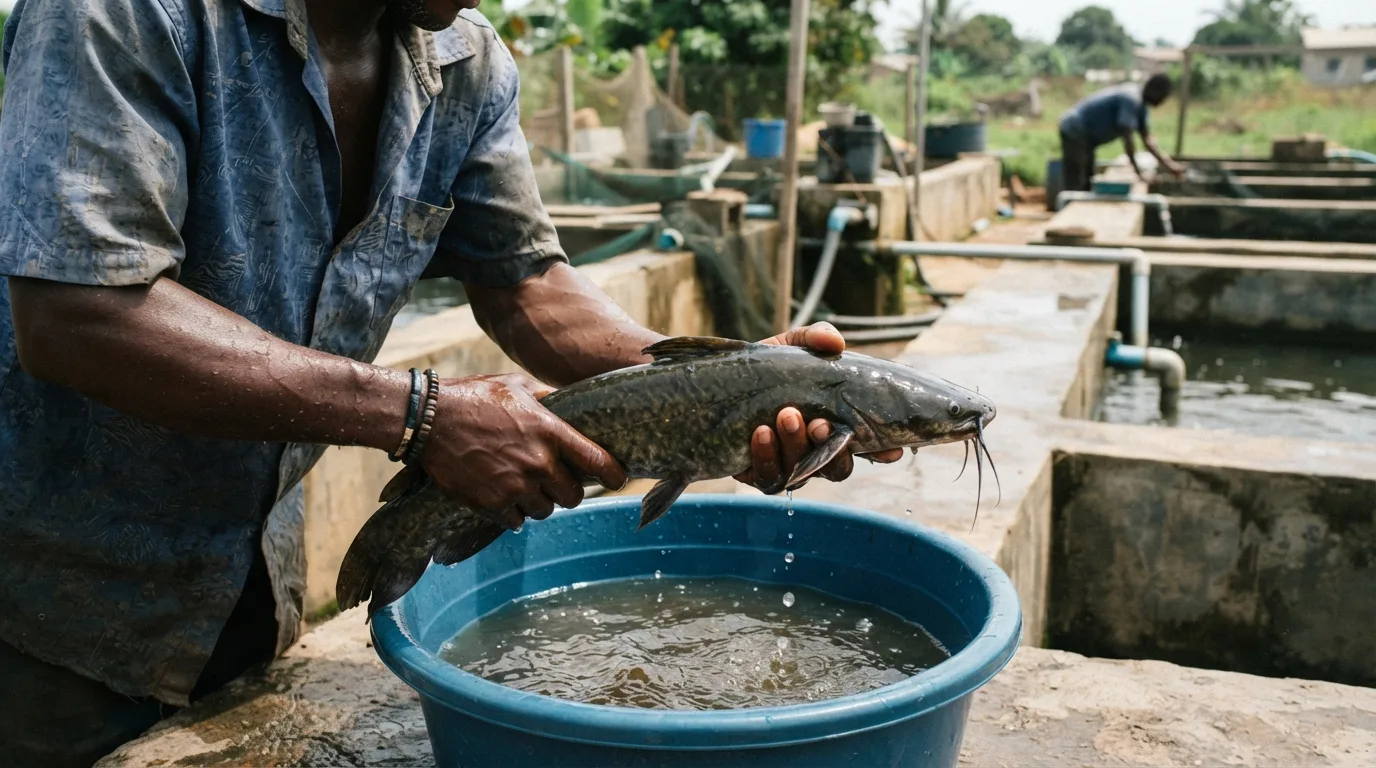
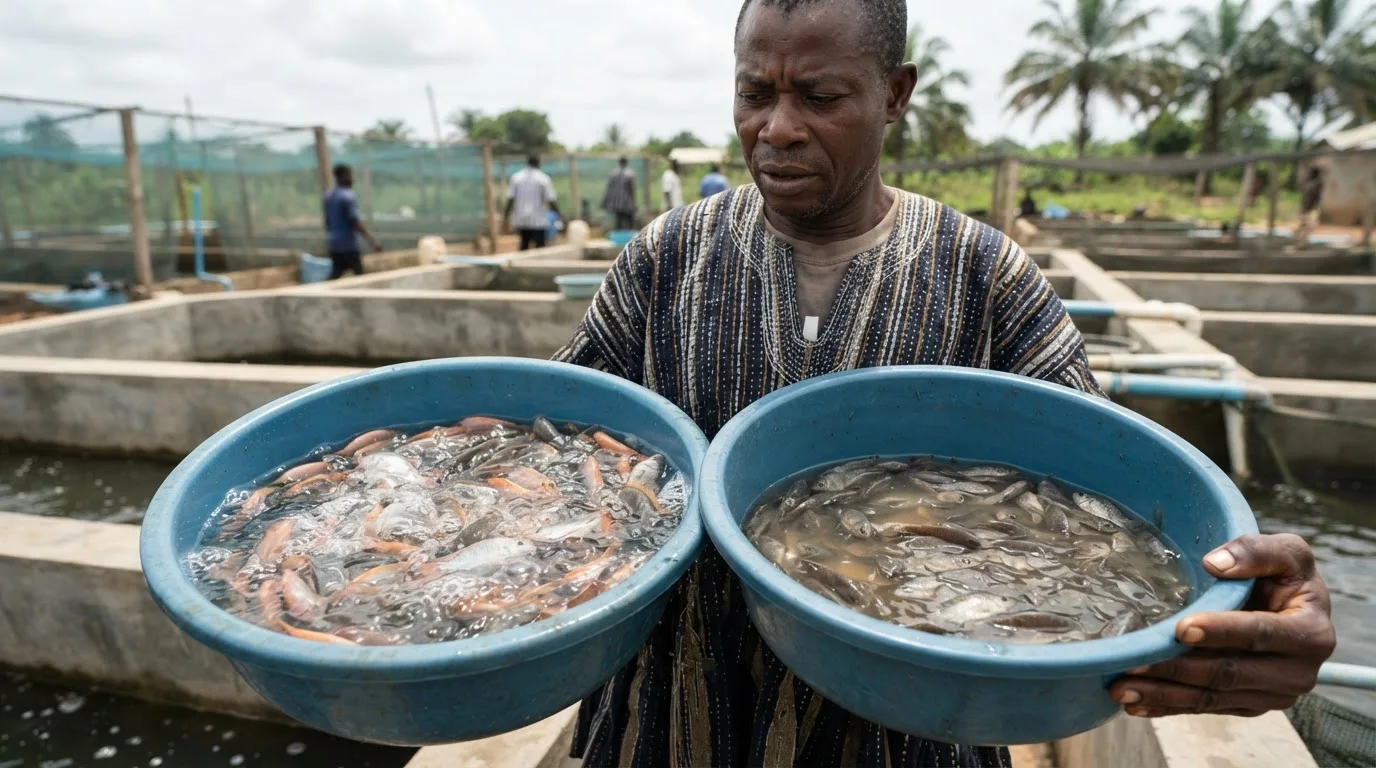
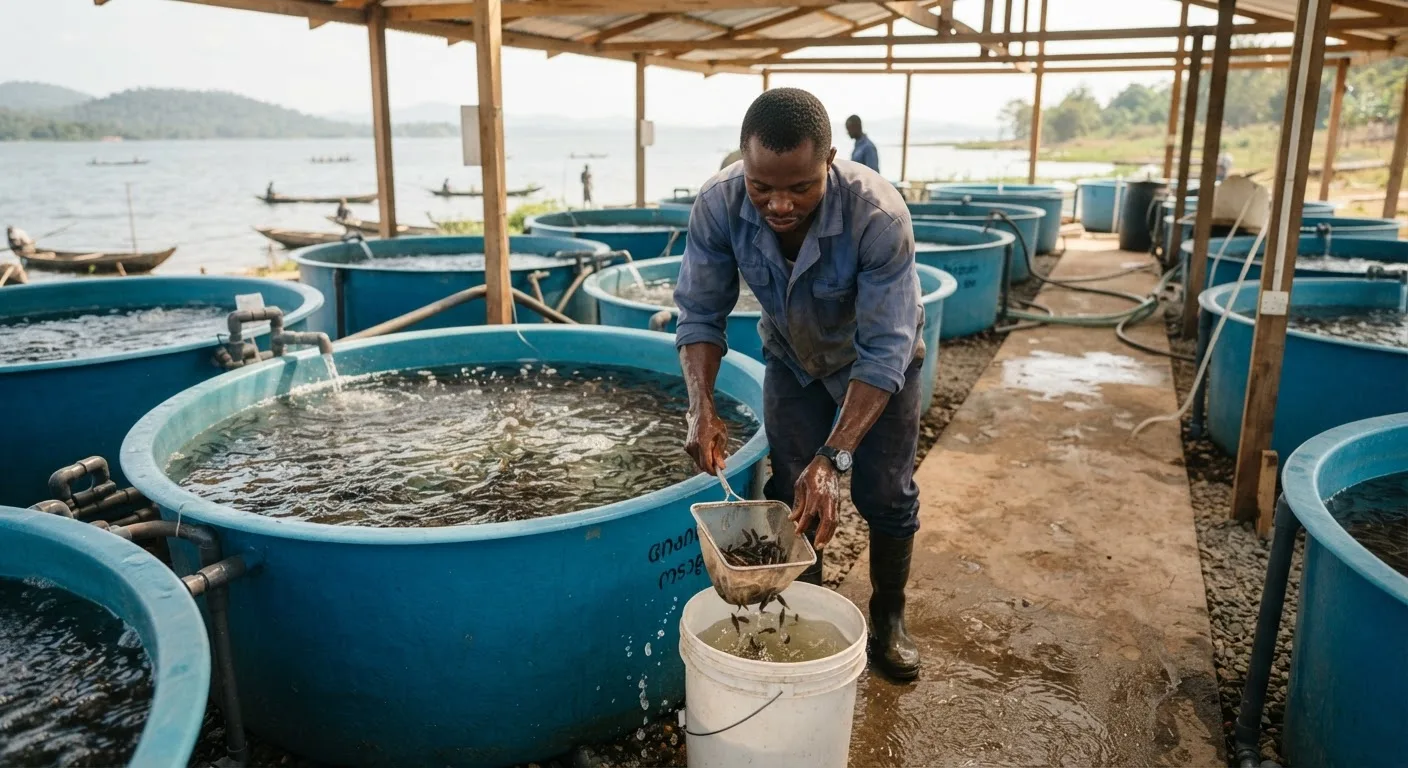
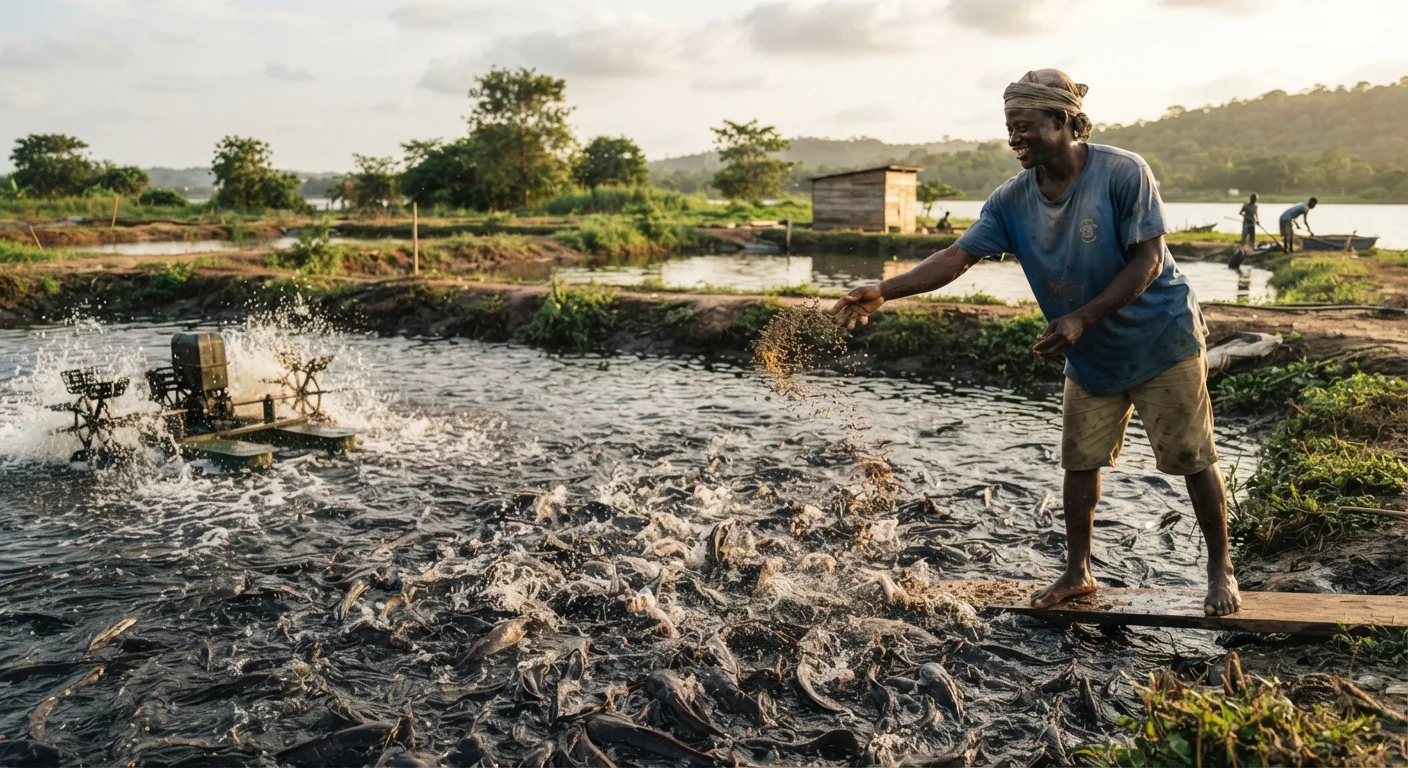
If you want to enter fish farming with limited capital, start with seed. Learn to nurse fry: take small fingerlings through their fragile early weeks and sell stronger, size-graded, screened seed to grow-out farmers who cannot afford weak stock. It is asset-light, it turns cash faster than a grow-out cycle, and it teaches a skill the sector is short of. Catfish is easier to learn on, because it survives the water and cash mistakes a beginner will make.
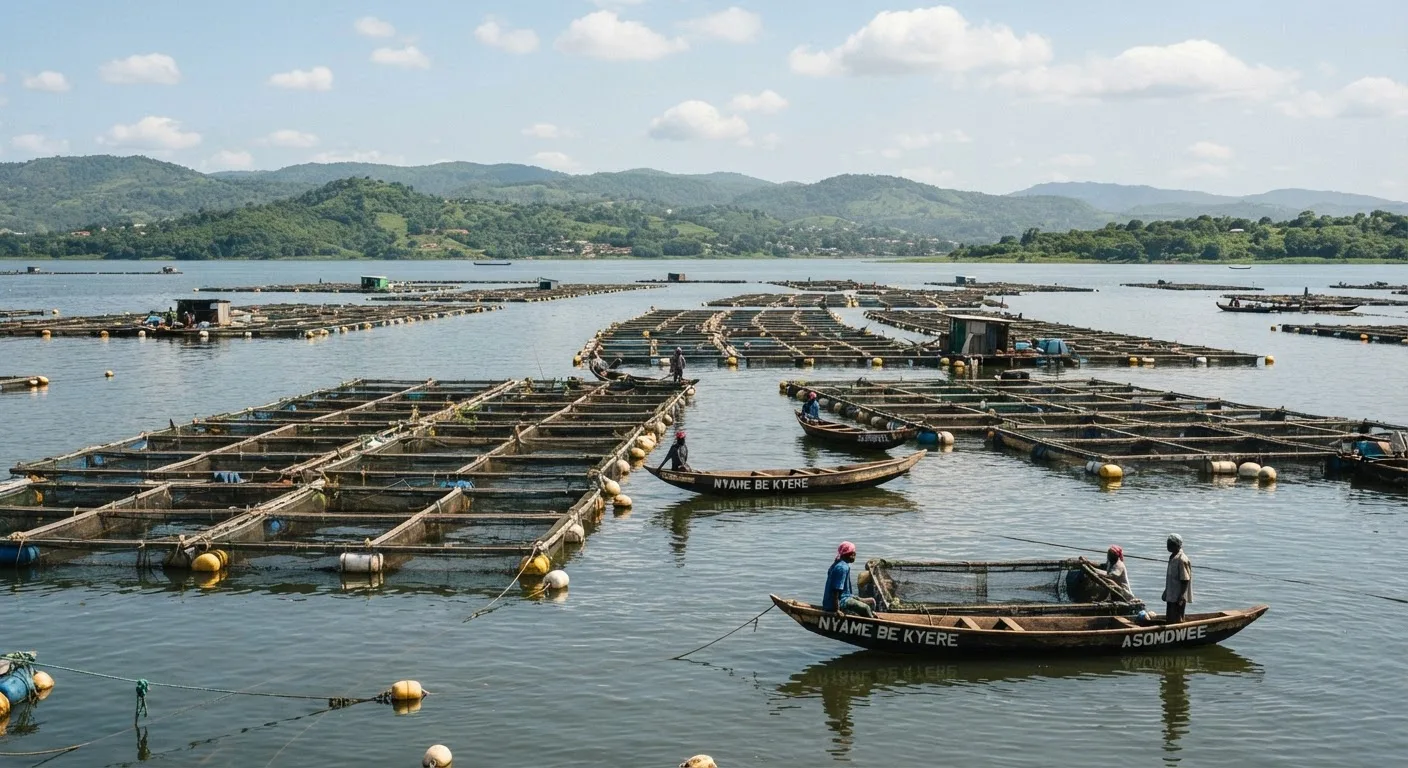
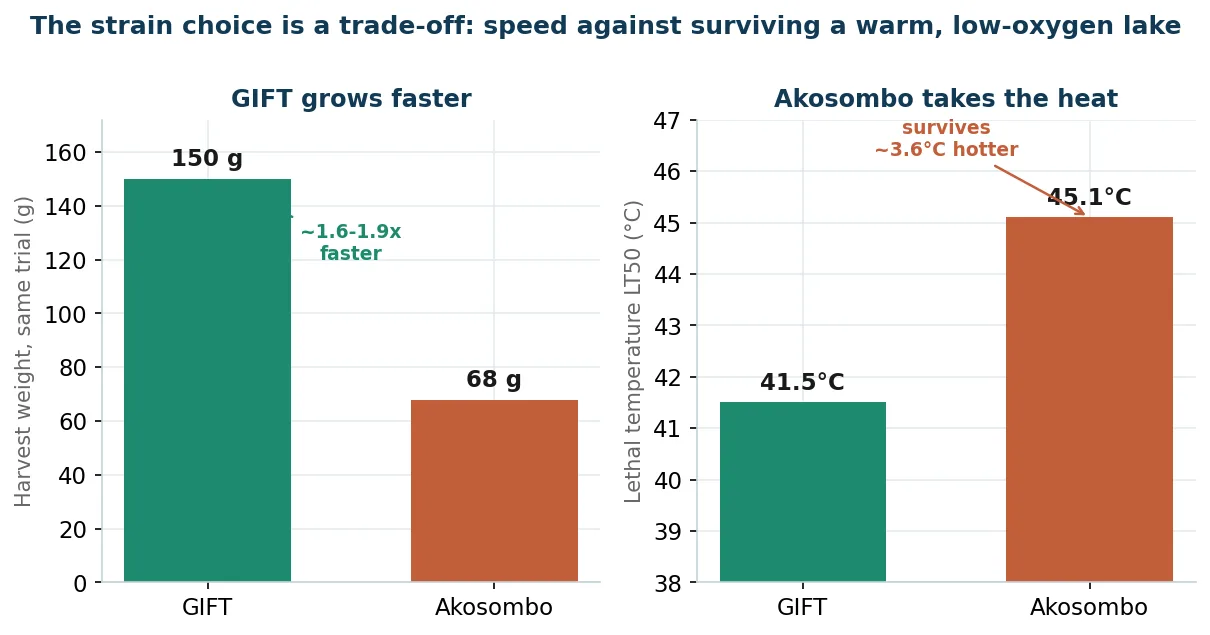
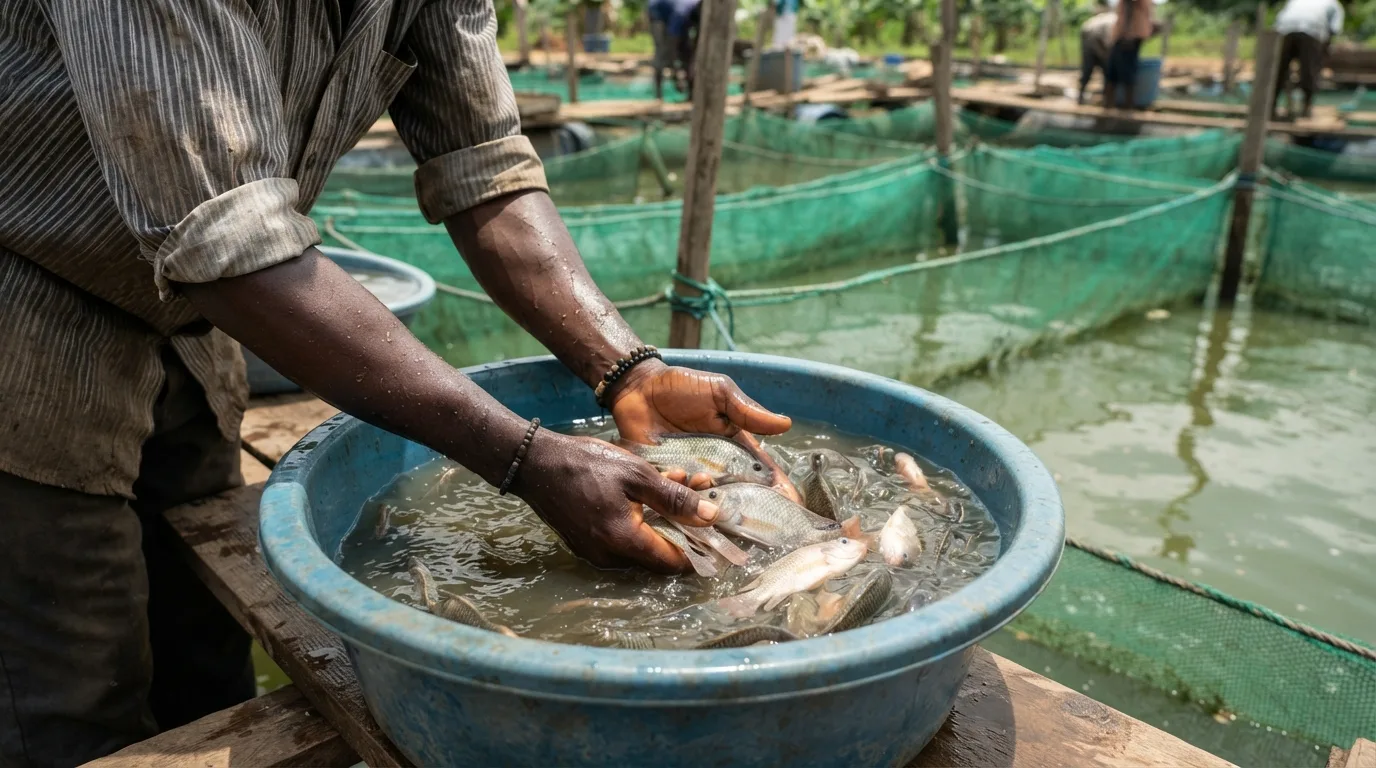
First move: lock a reliable, screened seed supply in writing before you spend on cages, because seed is the main constraint. Buy approved, screened Akosombo seed, and stock a small test batch before you commit a full cage. A common mistake for first-timers is buying the cheapest fingerlings from whoever has stock, which is also how disease arrives. If you can hatch or nurse seed yourself, even on a small scale, you control the scarcest input in the chain.
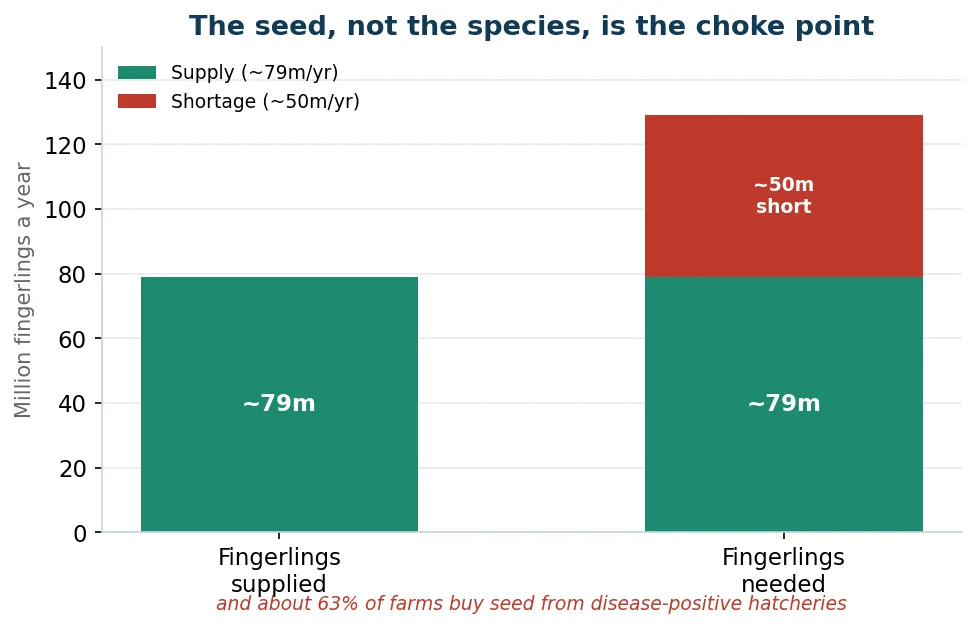
Due diligence should check where the seed comes from, whether it is screened, and how exposed the venture is to a fingerling shortage. A grow-out farm dependent on informal seed is a disease risk, so underwrite the seed supply before the cages. The investment case is strongest for certified hatchery and nursing capacity, which the national plan is trying to attract and which cuts the disease risk across every farm it supplies. Release capital once a hatch has been tested and screened.
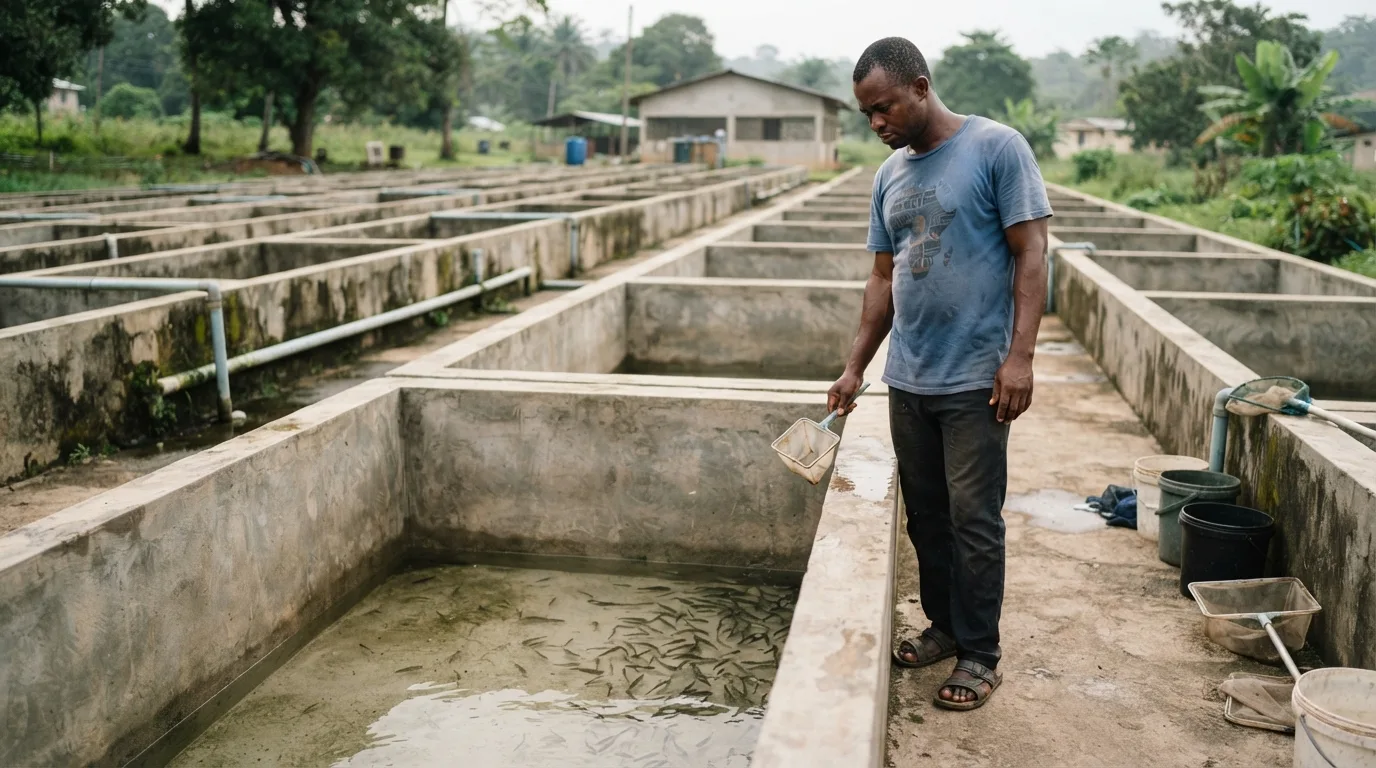
The priority is certified hatchery and fingerling-screening capacity. Every clean fingerling produced in Ghana fills the supply gap and cuts the disease chain at its source. Tie public seed support to hatcheries that can prove health screening, and measure success by the share of national seed demand met by certified sources. Avoid subsidising unscreened seed, which spends public money spreading the disease it should be fighting.
If you want to enter fish farming with limited capital, start with seed. Learn to nurse fry: take small fingerlings through their fragile early weeks and sell stronger, size-graded, screened seed to grow-out farmers who cannot afford weak stock. It is asset-light, it turns cash faster than a grow-out cycle, and it teaches a skill the sector is short of. Catfish is easier to learn on, because it survives the water and cash mistakes a beginner will make.
First move: lock a reliable, screened seed supply in writing before you spend on cages, because seed is the main constraint. Buy approved, screened Akosombo seed, and stock a small test batch before you commit a full cage. A common mistake for first-timers is buying the cheapest fingerlings from whoever has stock, which is also how disease arrives. If you can hatch or nurse seed yourself, even on a small scale, you control the scarcest input in the chain.
Due diligence should check where the seed comes from, whether it is screened, and how exposed the venture is to a fingerling shortage. A grow-out farm dependent on informal seed is a disease risk, so underwrite the seed supply before the cages. The investment case is strongest for certified hatchery and nursing capacity, which the national plan is trying to attract and which cuts the disease risk across every farm it supplies. Release capital once a hatch has been tested and screened.
The priority is certified hatchery and fingerling-screening capacity. Every clean fingerling produced in Ghana fills the supply gap and cuts the disease chain at its source. Tie public seed support to hatcheries that can prove health screening, and measure success by the share of national seed demand met by certified sources. Avoid subsidising unscreened seed, which spends public money spreading the disease it should be fighting.