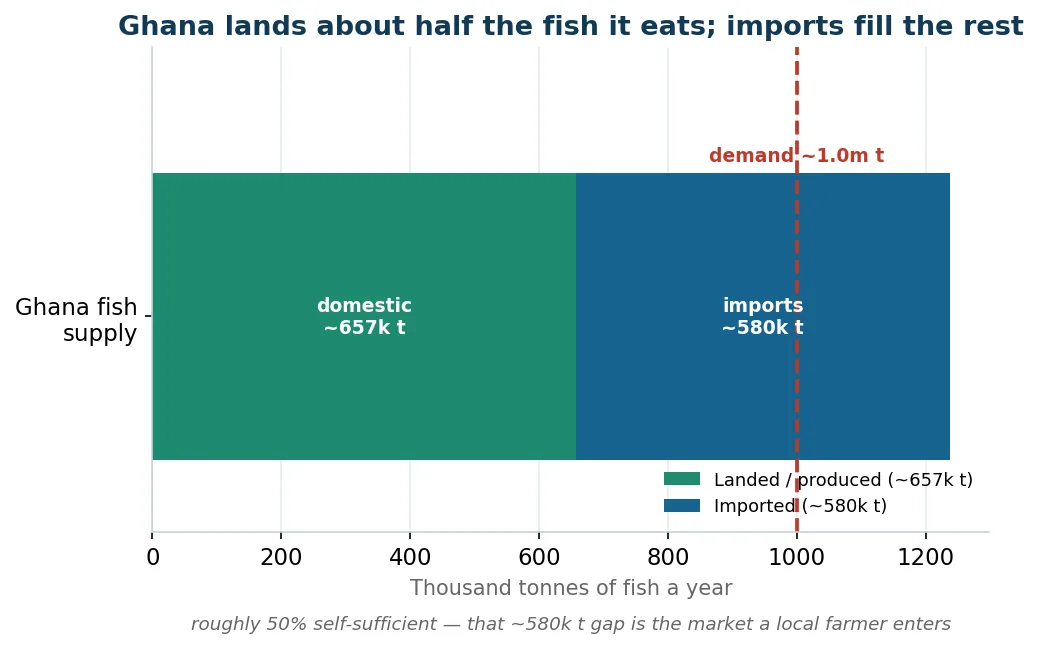
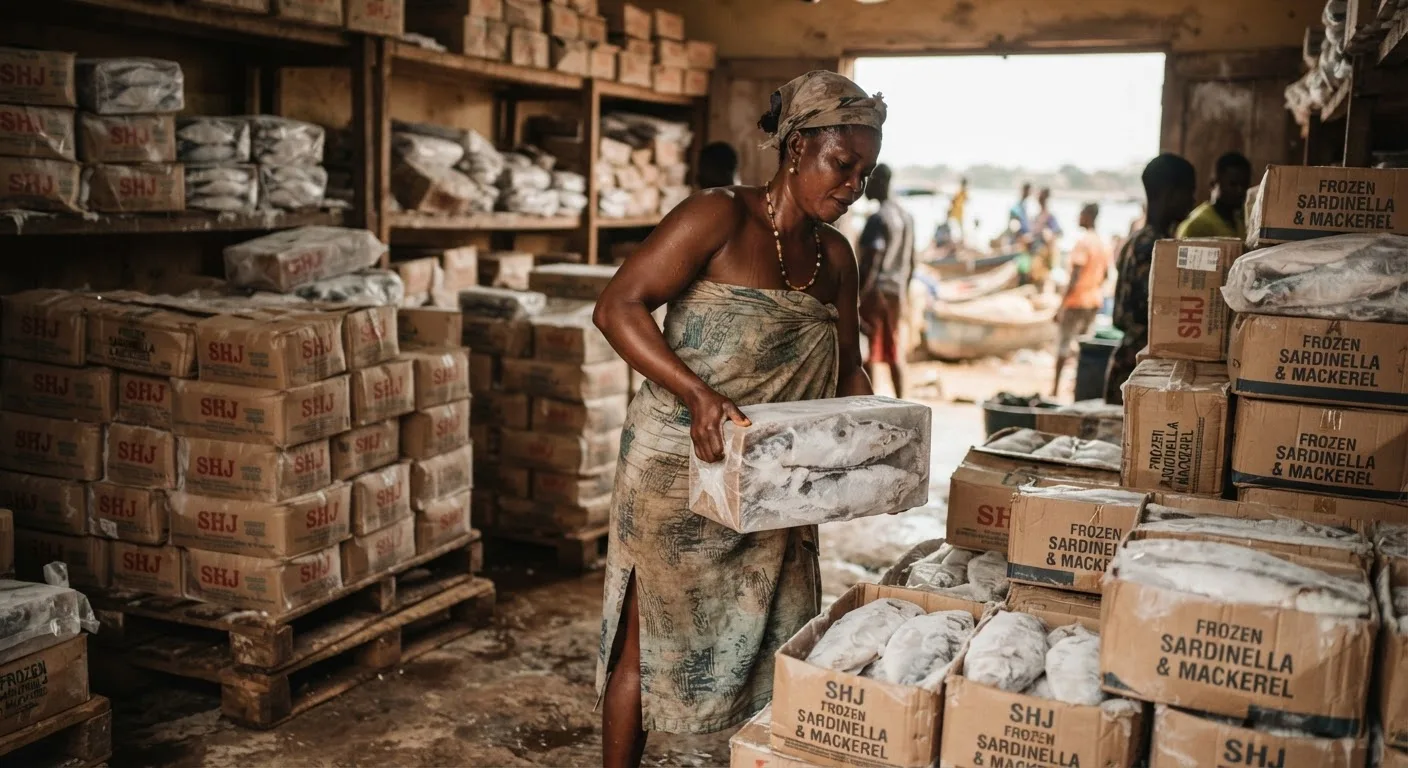
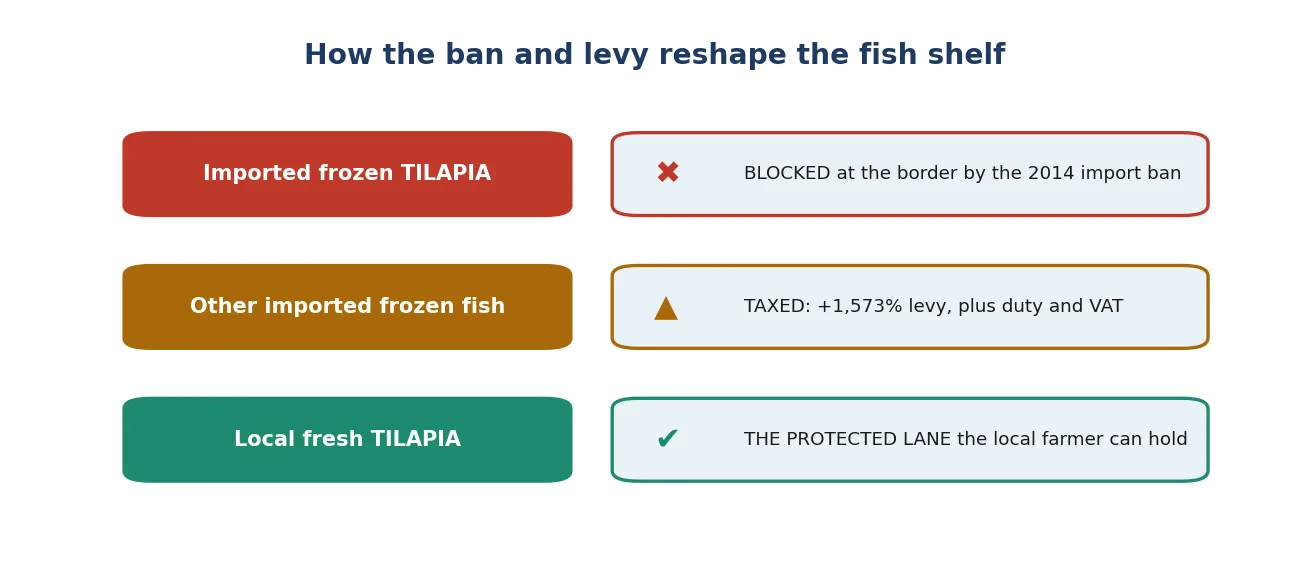
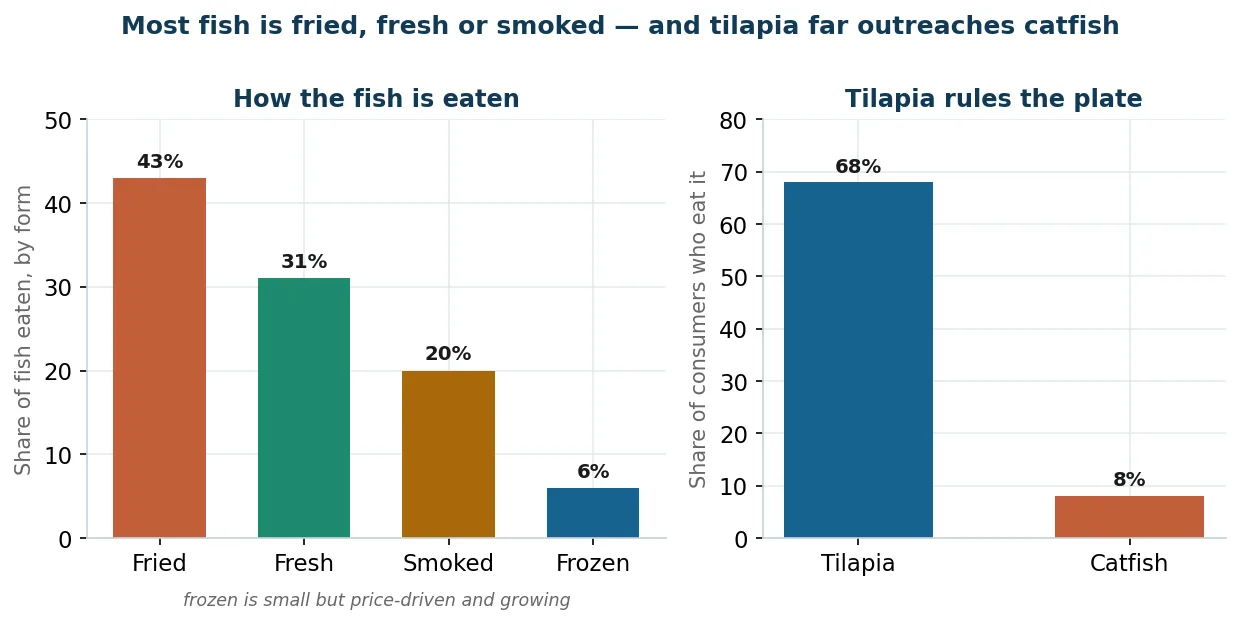
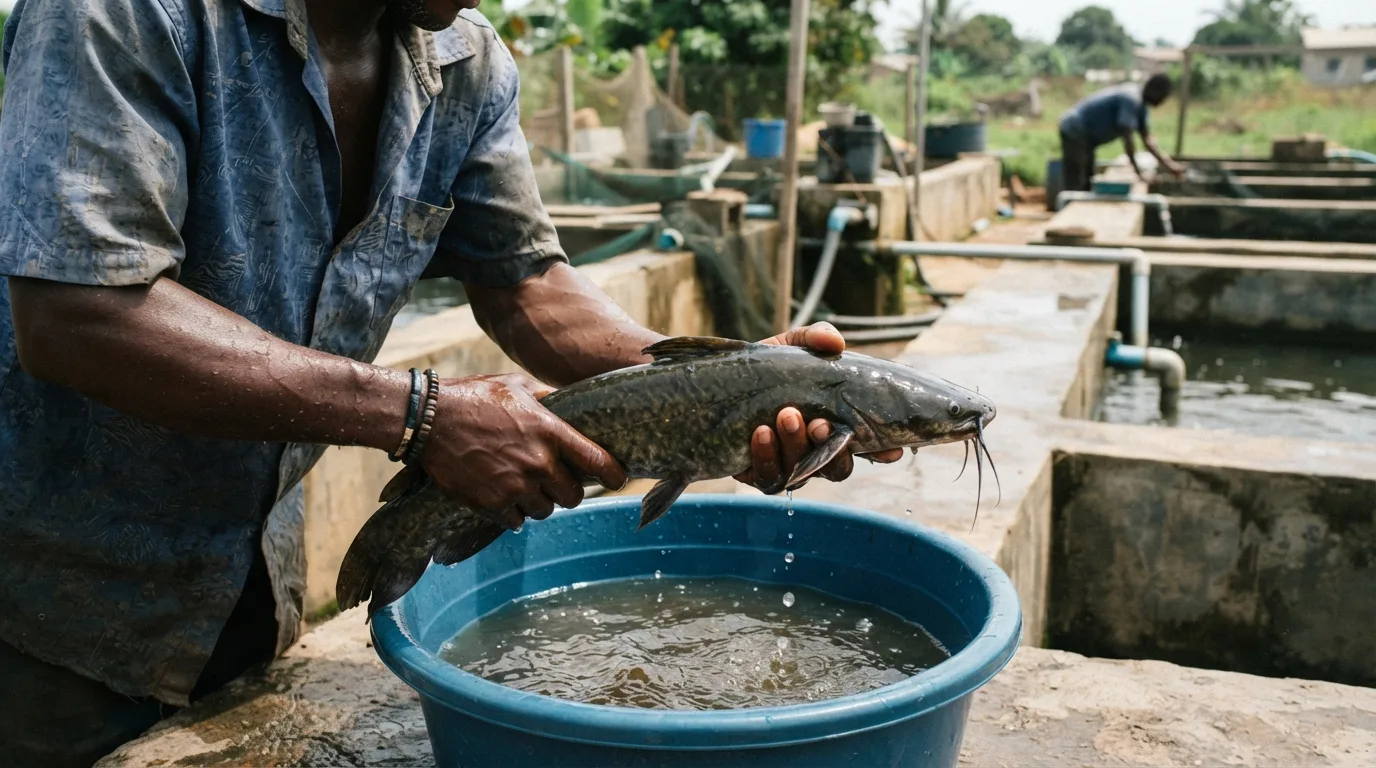
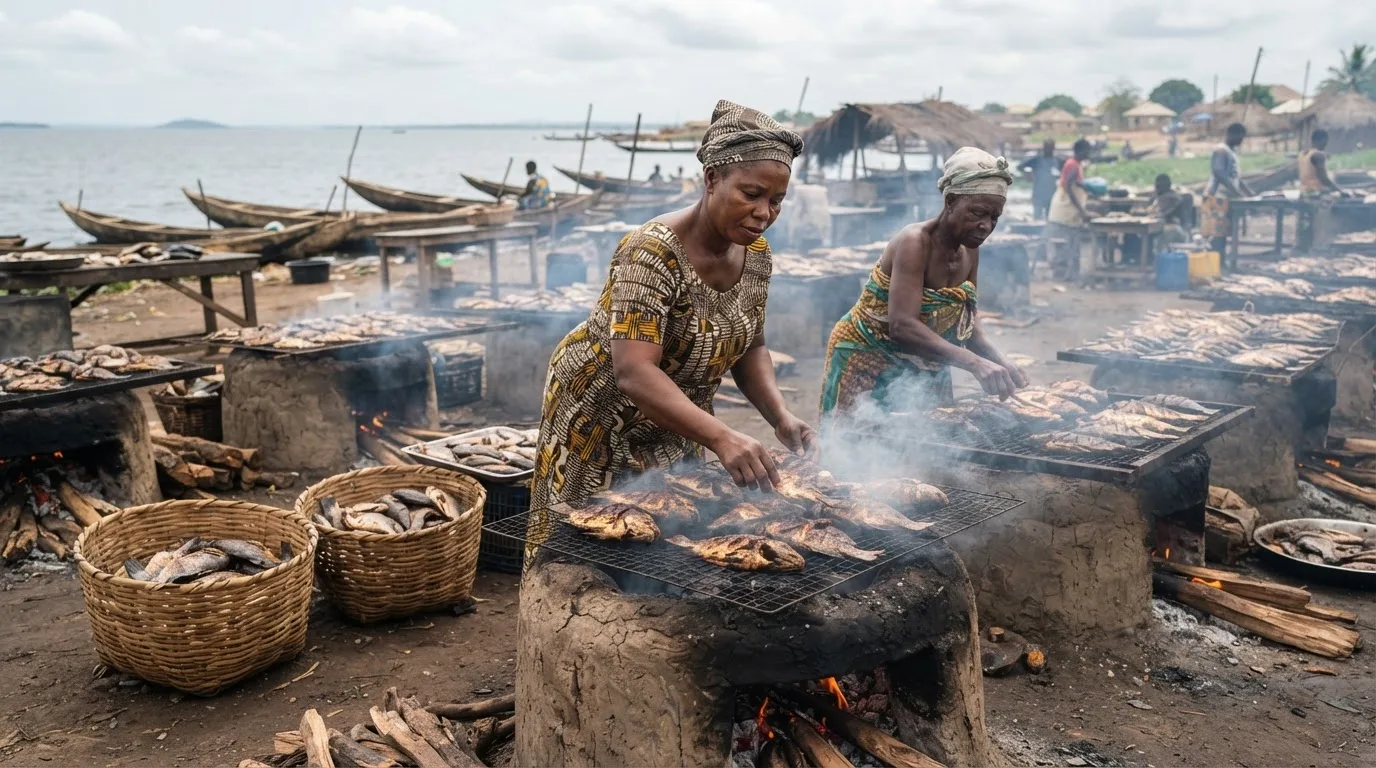
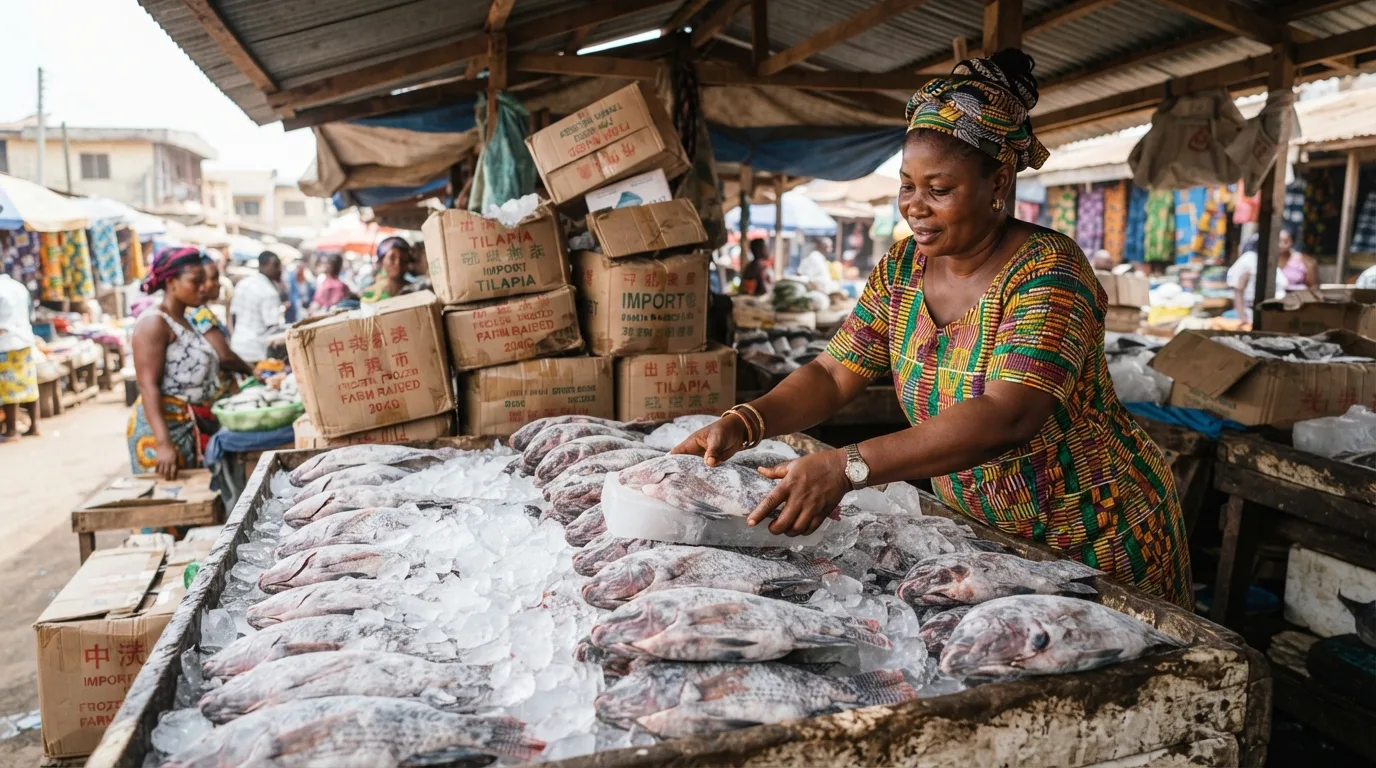
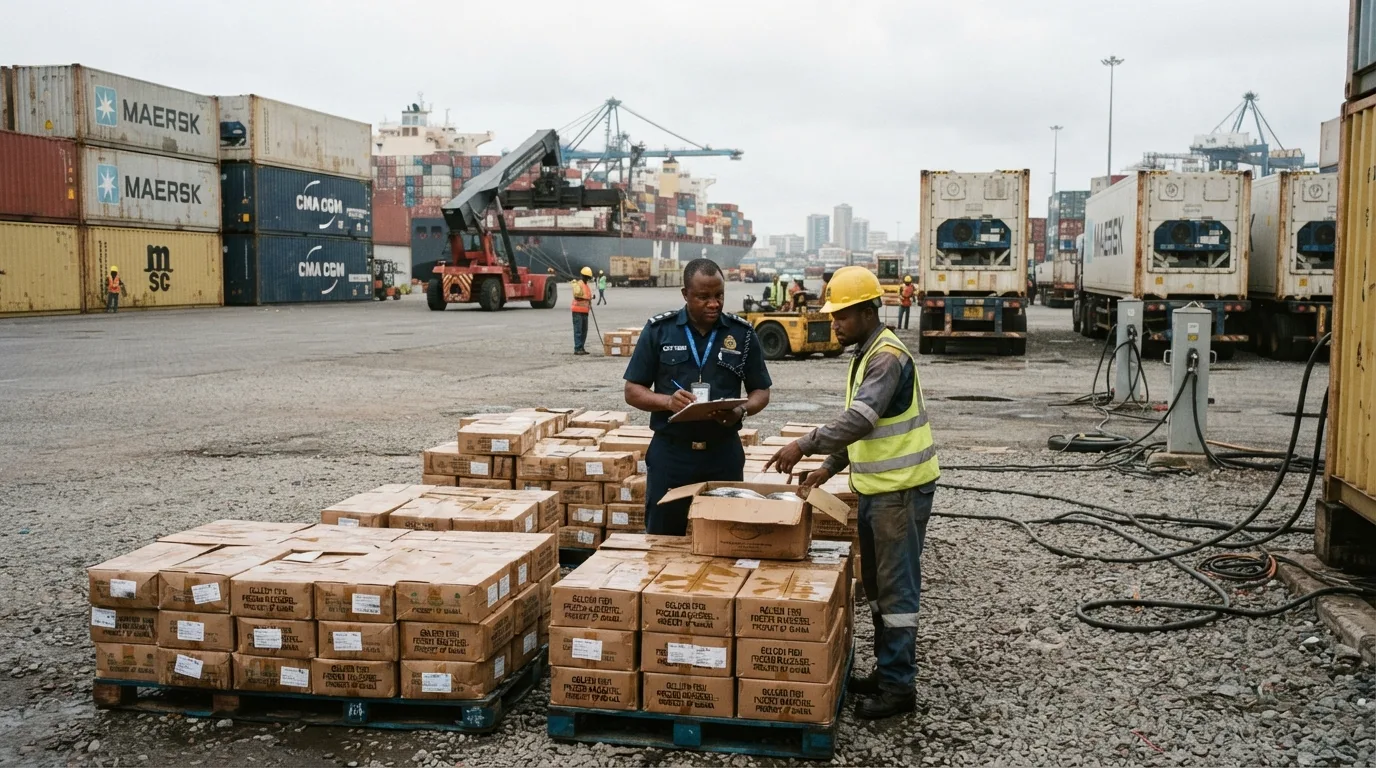
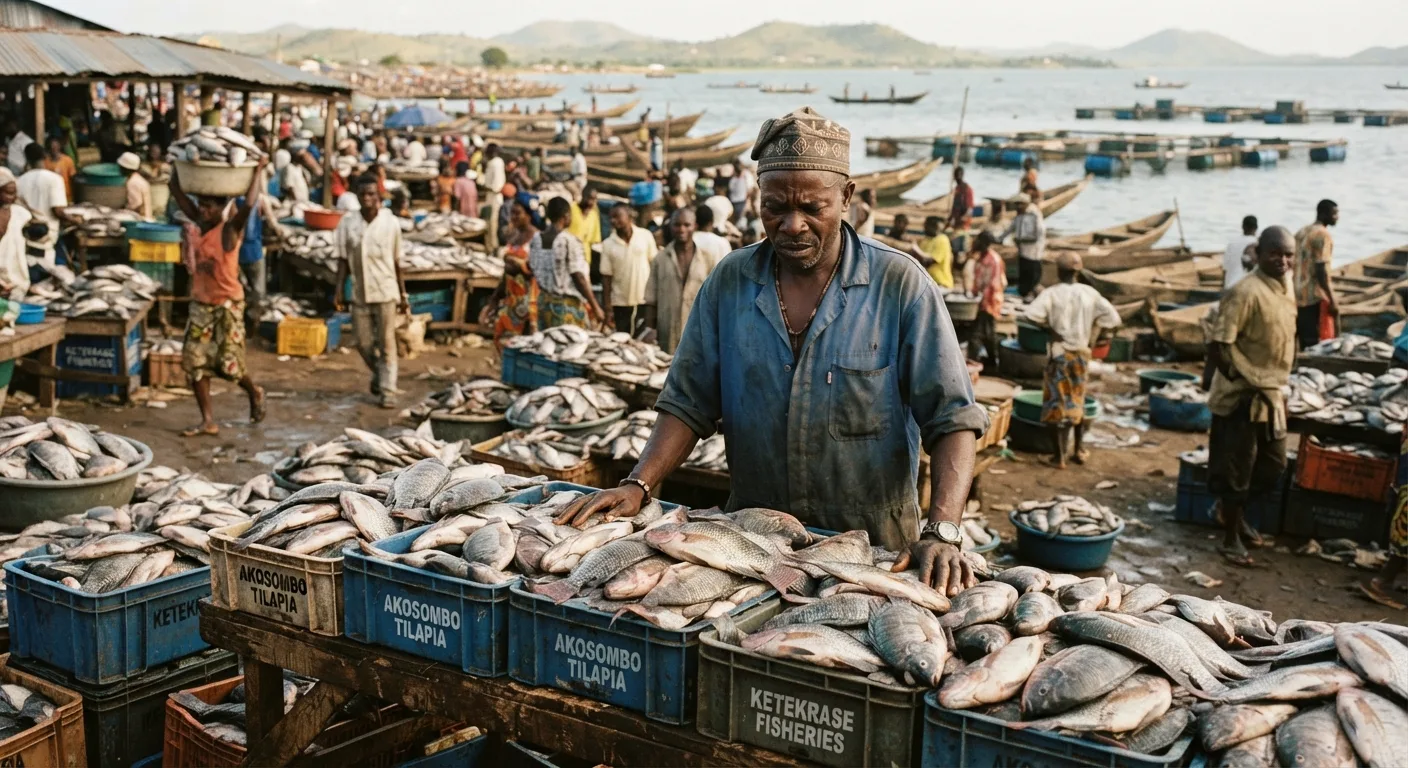
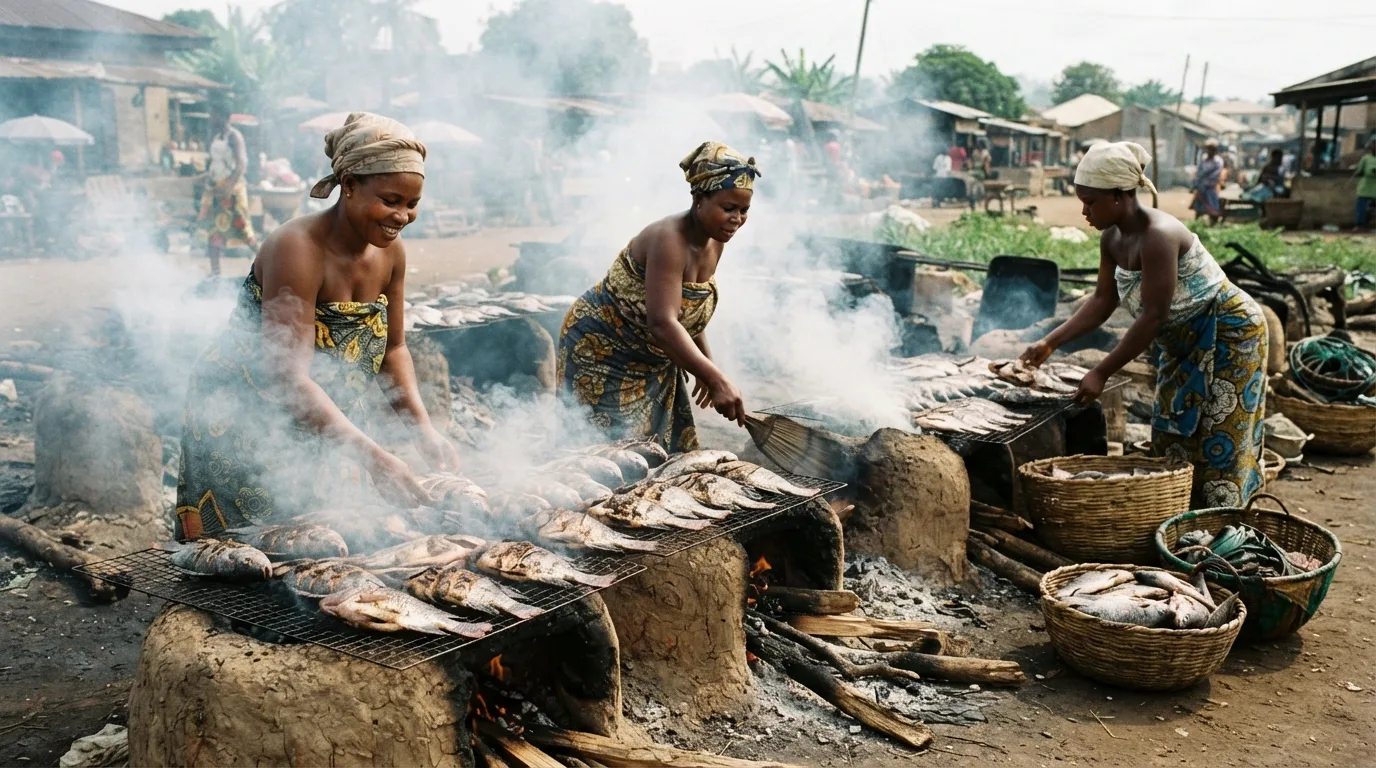
Before you think about cages, learn how the market splits into lanes. The gap of over half a million tonnes exists, and cheap imported frozen fish already serves much of it at prices you cannot match. Start by understanding the lanes imports cannot hold (fresh, live catfish, branded and institutional) and build a skill that serves them, such as grading, small-scale chilling or linking farms to hotel and restaurant buyers. A common mistake is to assume that any fish you grow will sell because Ghana needs fish. It will sell only if it offers something frozen imports do not.
First move: choose your lane and secure a buyer before you stock a single cage. The open market for generic fresh tilapia is capped by imports and a neighbour's distress harvest, so aim at a differentiated lane, live catfish for cash, branded fresh tilapia for a supermarket, or contracted supply to hotels and canteens, and price for convenience and consistency, which shoppers pay a premium for. A common mistake is to treat the import ban as permanent protection. Build a product and a cost base that would survive if the ban were eased.
Due diligence should check which lane the venture sells into and how secure its price is. A farm selling plain fresh fish faces two risks, the import price ceiling and a small local buyer pool, so check the buyers and the branding before the fish farming itself. The best cases to back are in lanes imports cannot reach: cold chain and aggregation, branded and traceable premium fish, live-catfish supply, and processing, because these can earn the convenience premium that now goes to imports. A business model that works only while the import ban is fully enforced is a bet on policy.
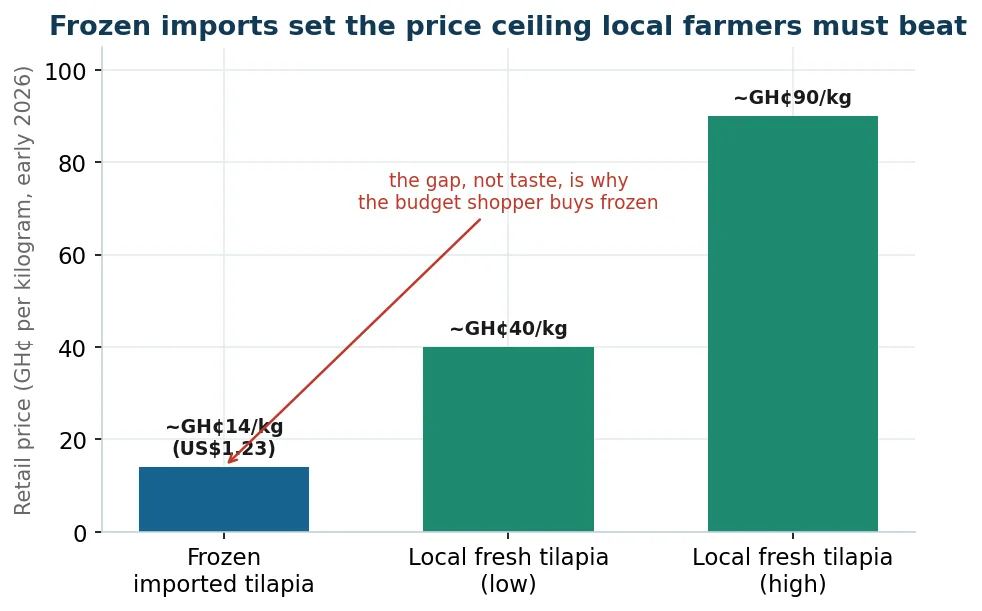
The priority is the cold chain, grading and branding that let local fish rise above the import price ceiling. Public support for chilling, aggregation points and local branding does more for farm incomes than another production subsidy that adds generic fish to a price-capped market. The fish markets with cold storage being built at Dambai and Shama are a start.13 Tie import protection to visible progress on the cold chain, and measure success by the share of demand met by differentiated local products in the fresh, live, premium and institutional lanes.
Before you think about cages, learn how the market splits into lanes. The gap of over half a million tonnes exists, and cheap imported frozen fish already serves much of it at prices you cannot match. Start by understanding the lanes imports cannot hold (fresh, live catfish, branded and institutional) and build a skill that serves them, such as grading, small-scale chilling or linking farms to hotel and restaurant buyers. A common mistake is to assume that any fish you grow will sell because Ghana needs fish. It will sell only if it offers something frozen imports do not.
First move: choose your lane and secure a buyer before you stock a single cage. The open market for generic fresh tilapia is capped by imports and a neighbour's distress harvest, so aim at a differentiated lane, live catfish for cash, branded fresh tilapia for a supermarket, or contracted supply to hotels and canteens, and price for convenience and consistency, which shoppers pay a premium for. A common mistake is to treat the import ban as permanent protection. Build a product and a cost base that would survive if the ban were eased.
Due diligence should check which lane the venture sells into and how secure its price is. A farm selling plain fresh fish faces two risks, the import price ceiling and a small local buyer pool, so check the buyers and the branding before the fish farming itself. The best cases to back are in lanes imports cannot reach: cold chain and aggregation, branded and traceable premium fish, live-catfish supply, and processing, because these can earn the convenience premium that now goes to imports. A business model that works only while the import ban is fully enforced is a bet on policy.
The priority is the cold chain, grading and branding that let local fish rise above the import price ceiling. Public support for chilling, aggregation points and local branding does more for farm incomes than another production subsidy that adds generic fish to a price-capped market. The fish markets with cold storage being built at Dambai and Shama are a start.13 Tie import protection to visible progress on the cold chain, and measure success by the share of demand met by differentiated local products in the fresh, live, premium and institutional lanes.